Tower Steel Buildings: Advanced Structural Solutions for Modern Construction Projects

All Categories

tower steel buildings

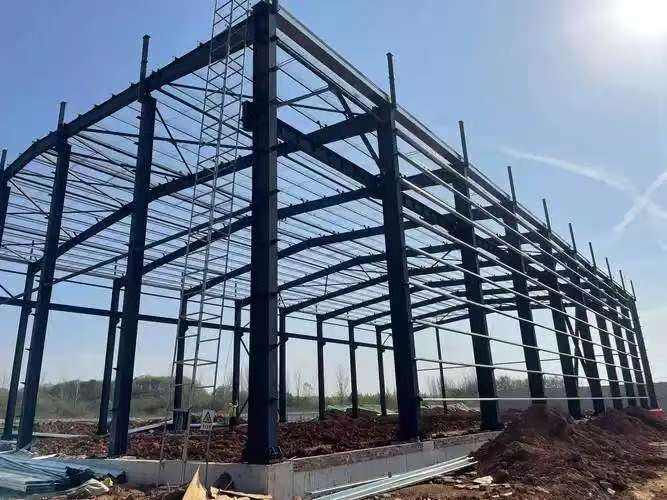
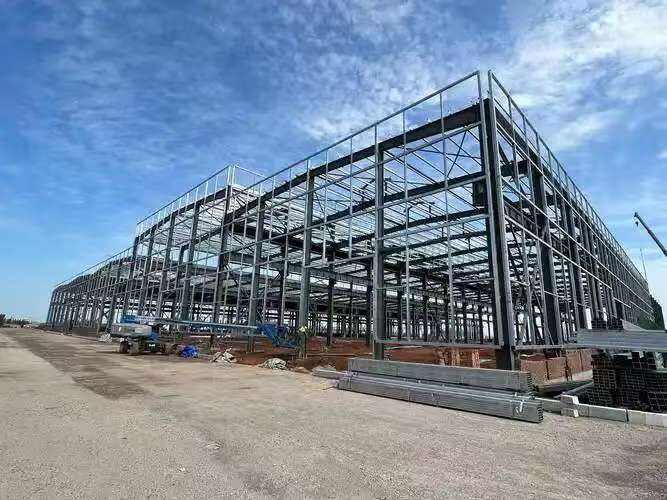
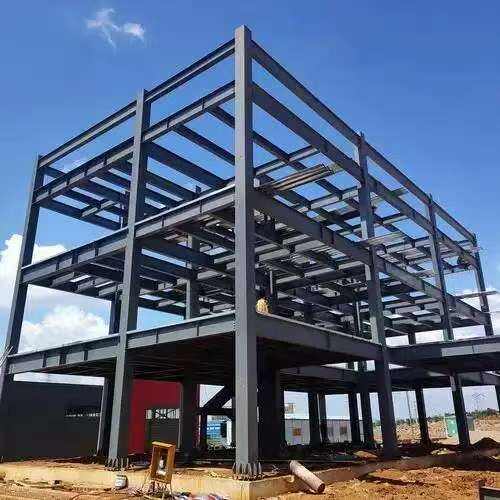
Tower steel buildings represent a revolutionary approach to modern construction, combining vertical efficiency with robust steel framework technology. These impressive structures serve multiple functions including telecommunications, broadcasting, observation platforms, and specialized industrial applications. The fundamental design of tower steel buildings centers around a skeletal framework constructed primarily from high-grade structural steel, engineered to withstand extreme weather conditions and seismic activities. The technological features of tower steel buildings incorporate advanced welding techniques, precision-engineered joints, and computer-aided design systems that ensure optimal load distribution throughout the entire structure. These buildings utilize galvanized steel components that resist corrosion and environmental degradation, significantly extending their operational lifespan. The modular construction approach allows for rapid assembly and customization based on specific project requirements. Tower steel buildings often integrate sophisticated foundation systems, typically consisting of reinforced concrete bases that anchor deep into the ground, providing exceptional stability for tall vertical structures. The applications of tower steel buildings span across multiple industries, from telecommunications companies requiring reliable signal transmission points to meteorological organizations needing elevated observation platforms. Emergency services frequently utilize tower steel buildings for communication networks and surveillance systems. The energy sector employs these structures for wind monitoring stations and transmission line support. Broadcasting companies depend on tower steel buildings to house antenna systems and transmission equipment at optimal heights for maximum coverage areas. Agricultural industries use tower steel buildings for grain storage and processing facilities, taking advantage of their height for gravity-fed operations. The versatility of tower steel buildings makes them suitable for both urban and remote locations, adapting to various geographical and environmental conditions while maintaining structural integrity and operational effectiveness.

New Product Releases

Tower steel buildings offer numerous practical benefits that make them superior choices for vertical construction projects. The primary advantage lies in their exceptional strength-to-weight ratio, allowing these structures to reach impressive heights while maintaining stability and safety standards. Steel construction provides unmatched durability, resisting wear from harsh weather conditions including high winds, heavy snow loads, and seismic forces that would compromise other building materials. The construction speed of tower steel buildings surpasses traditional building methods significantly. Pre-fabricated steel components arrive ready for assembly, reducing on-site construction time by up to sixty percent compared to concrete alternatives. This efficiency translates directly into cost savings for project budgets and faster return on investment for commercial applications. Maintenance requirements for tower steel buildings remain minimal throughout their operational lifetime. The galvanized coating process protects steel components from rust and corrosion, eliminating the need for frequent repairs or replacements. Regular inspections and basic upkeep ensure decades of reliable service with minimal downtime. The design flexibility of tower steel buildings accommodates future modifications and expansions easily. Additional levels, equipment platforms, or structural modifications integrate seamlessly into existing frameworks without compromising structural integrity. This adaptability proves invaluable for growing businesses or evolving technological requirements. Cost-effectiveness becomes evident when comparing long-term operational expenses. While initial investment costs may seem substantial, the extended lifespan and reduced maintenance needs of tower steel buildings provide excellent value over time. Energy efficiency benefits emerge from the thermal properties of steel construction, which can incorporate insulation systems that reduce heating and cooling costs. Environmental sustainability represents another significant advantage, as steel components are completely recyclable at the end of their service life. This eco-friendly aspect appeals to environmentally conscious organizations and supports green building initiatives. The precision manufacturing of tower steel buildings ensures consistent quality control, eliminating construction defects common in traditional building methods and guaranteeing reliable performance standards.

Practical Tips

The Environmental Impact of Steel Tubes

28

Nov

The Environmental Impact of Steel Tubes

The Life Cycle of Steel Tubes and Environmental Consequences Resource Extraction: Mining Iron Ore and Raw Materials Steel tube manufacturing starts right where iron ore comes out of the ground since this mineral is basically what makes steel possibl...
View More
What Are the Benefits of Using Seamless Steel Tubes

02

Dec

What Are the Benefits of Using Seamless Steel Tubes

In modern industrial applications, the choice of steel tubing can significantly impact project outcomes, operational efficiency, and long-term reliability. Seamless steel tubes have emerged as a preferred solution across numerous sectors, from oil an...
View More
How to Choose a Solar Street Light for Remote Areas

02

Dec

How to Choose a Solar Street Light for Remote Areas

Remote areas present unique challenges when it comes to reliable lighting infrastructure, making solar street light technology an increasingly attractive solution for communities without access to traditional power grids. The selection process for ap...
View More
What Is the Ideal Height of an Electric Pole

02

Dec

What Is the Ideal Height of an Electric Pole

Determining the appropriate electric pole height is a critical consideration for electrical infrastructure projects, safety compliance, and operational efficiency. The optimal height depends on numerous factors including voltage requirements, environ...
View More

Get a Free Quote

Our representative will contact you soon.
Email
Name
Company Name
Message
0/1000

tower steel buildings

Unmatched Structural Integrity and Safety Standards

Unmatched Structural Integrity and Safety Standards

Tower steel buildings excel in providing exceptional structural integrity that surpasses conventional construction methods through advanced engineering principles and superior material properties. The foundation of this structural excellence begins with high-tensile strength steel that can withstand forces exceeding 50,000 pounds per square inch, making these structures virtually indestructible under normal operational conditions. Professional engineers design tower steel buildings using sophisticated computer modeling software that analyzes stress distribution, wind load calculations, and seismic resistance factors to ensure optimal performance in all environmental conditions. The welded connections in tower steel buildings utilize certified welding procedures that create joints stronger than the base material itself, eliminating weak points that could compromise structural integrity. Quality control measures during manufacturing include non-destructive testing methods such as ultrasonic inspection and magnetic particle testing to identify any potential flaws before installation begins. The safety standards governing tower steel buildings exceed industry requirements, incorporating multiple redundancy systems that maintain structural stability even if individual components experience unexpected stress or damage. Lightning protection systems integrate seamlessly into the steel framework, providing safe pathways for electrical discharge while protecting sensitive equipment housed within the structure. Fall protection systems, safety platforms, and climbing aids ensure worker safety during construction, maintenance, and operational activities. Emergency access provisions include internal ladders, rest platforms, and escape routes designed according to occupational safety regulations. The galvanization process applied to tower steel buildings creates a protective zinc coating that prevents corrosion for decades, maintaining structural integrity throughout the building's operational lifetime. This corrosion resistance proves particularly valuable in coastal environments where salt air accelerates metal degradation in unprotected structures. Regular inspection schedules identify any maintenance needs before they affect structural performance, ensuring continuous safe operation and extending service life beyond initial design expectations.
Cost-Efficient Construction and Long-Term Value

Cost-Efficient Construction and Long-Term Value

Tower steel buildings deliver exceptional cost efficiency through streamlined construction processes and reduced long-term operational expenses that provide superior return on investment compared to alternative building methods. The prefabrication approach used in manufacturing tower steel buildings occurs in controlled factory environments where precision machinery and skilled craftsmen produce components to exact specifications, eliminating costly field modifications and reducing material waste significantly. Transportation costs remain manageable due to the lightweight nature of steel components, which require fewer shipping loads and lighter lifting equipment compared to concrete or masonry alternatives. Site preparation requirements for tower steel buildings minimize excavation work and foundation complexity, reducing earthwork costs and construction timeline delays. The rapid assembly process typical of tower steel buildings allows projects to reach completion months ahead of traditional construction schedules, enabling faster occupancy and earlier revenue generation for commercial applications. Labor costs decrease substantially due to the simplified assembly procedures that require fewer specialized trades and reduced on-site construction time. Weather delays affect tower steel buildings minimally since most assembly work proceeds regardless of seasonal conditions, unlike concrete construction that requires specific temperature and humidity ranges. Financing advantages emerge from the predictable construction timeline and cost structure of tower steel buildings, making project budgeting more accurate and reducing contingency requirements. Long-term maintenance expenses remain consistently low due to the durability of galvanized steel components that resist environmental degradation and structural wear. Energy efficiency benefits contribute to operational cost savings through improved insulation options and reduced heating and cooling requirements. Insurance premiums often reflect favorably on tower steel buildings due to their fire resistance, structural stability, and reduced liability risks. Resale value appreciation occurs steadily as tower steel buildings maintain their structural integrity and functional capabilities over extended periods, making them attractive investments for long-term property portfolios. The recyclable nature of steel materials provides residual value at the end of service life, contributing additional economic benefits to the total cost equation.
Versatile Applications and Customization Capabilities

Versatile Applications and Customization Capabilities

Tower steel buildings demonstrate remarkable versatility in accommodating diverse applications and customization requirements that serve multiple industries and specialized operational needs effectively. Telecommunications companies utilize tower steel buildings as reliable platforms for cellular antennas, microwave dishes, and broadcasting equipment that require precise positioning and structural stability for optimal signal transmission. The height advantages offered by tower steel buildings enable telecommunications providers to achieve superior coverage areas while minimizing the number of transmission sites required for comprehensive service networks. Broadcasting organizations depend on tower steel buildings to support television and radio transmission equipment at elevations that maximize audience reach and signal clarity. Emergency services integrate tower steel buildings into communication networks that provide critical connectivity during natural disasters and emergency situations when ground-based infrastructure may become compromised. Industrial applications for tower steel buildings include process monitoring stations, environmental sensing equipment, and automated control systems that benefit from elevated positioning and weather protection. Agricultural operations employ tower steel buildings for grain storage silos, feed processing equipment, and irrigation control systems that utilize gravity-fed operations for improved efficiency. Research institutions use tower steel buildings to house meteorological instruments, atmospheric monitoring devices, and scientific equipment that requires elevated positioning for accurate data collection. The modular design philosophy behind tower steel buildings allows for extensive customization options including equipment platforms, enclosed spaces, access systems, and specialized mounting configurations. Interior layouts can accommodate control rooms, equipment storage areas, backup power systems, and climate control units based on specific operational requirements. External modifications include lightning rods, aircraft warning lights, ice prevention systems, and aesthetic treatments that blend with surrounding environments. Foundation designs adapt to various soil conditions, seismic zones, and environmental factors while maintaining structural performance standards. Future expansion capabilities allow tower steel buildings to accommodate additional equipment, height extensions, and technological upgrades without requiring complete reconstruction. This adaptability ensures long-term relevance as operational needs evolve and technology advances.


Get a Free Quote

Our representative will contact you soon.
Email
Name
Company Name
Message
0/1000