
 EN
EN
Remote areas present unique challenges when it comes to reliable lighting infrastructure, making solar street light technology an increasingly attractive solution for communities without access to traditional power grids. The selection process for appropriate lighting systems requires careful consideration of environmental factors, technical specifications, and long-term sustainability goals. Understanding the key components and performance metrics of solar-powered lighting systems enables decision-makers to implement effective illumination solutions that serve remote communities for years to come.
Understanding Solar Street Light Technology
Core Components and Functionality
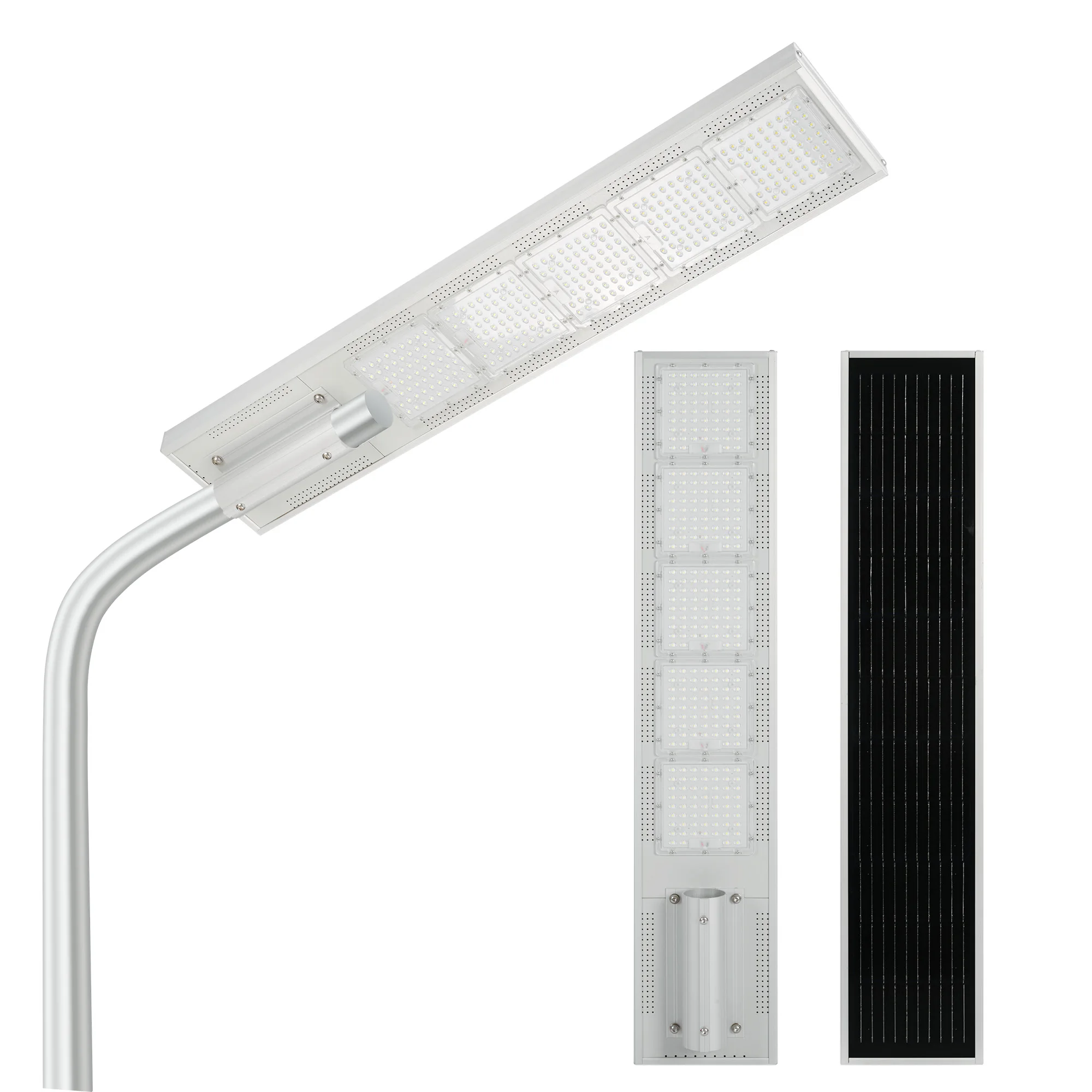
Modern solar street light systems integrate multiple sophisticated components that work together to provide autonomous lighting solutions. The photovoltaic panel serves as the primary energy conversion device, transforming sunlight into electrical energy during daylight hours. High-capacity lithium batteries store this converted energy, ensuring consistent performance during nighttime operations and extended periods of cloud coverage.
Advanced LED lighting modules provide efficient illumination while consuming minimal power compared to traditional lighting technologies. Intelligent control systems monitor battery levels, ambient light conditions, and operational parameters to optimize energy usage and extend system lifespan. These integrated systems eliminate the need for external power connections, making them ideal for remote installations where traditional electrical infrastructure is unavailable or cost-prohibitive.
Energy Efficiency and Performance Standards
Energy efficiency represents a critical factor in solar street light performance, particularly in remote areas where maintenance access may be limited. Modern LED fixtures achieve luminous efficacy ratings exceeding 150 lumens per watt, significantly outperforming conventional lighting technologies. This efficiency translates directly into reduced energy requirements and extended operational periods between maintenance intervals.
Performance standards for remote area applications should prioritize consistent light output, weather resistance, and autonomous operation capabilities. Quality systems incorporate motion sensors and dimming controls to further optimize energy consumption while maintaining adequate illumination levels for safety and security purposes. These smart features enable solar street light installations to adapt to varying usage patterns and environmental conditions automatically.
Environmental Considerations for Remote Installations
Climate and Weather Resistance
Remote areas often experience extreme weather conditions that can significantly impact solar street light performance and longevity. Temperature variations, precipitation levels, wind exposure, and seasonal sunlight availability all influence system design requirements and component selection. Understanding local climate patterns enables proper sizing of solar panels and battery capacity to ensure reliable operation throughout the year.
Waterproof ratings of IP65 or higher protect critical components from moisture infiltration, while corrosion-resistant materials extend system lifespan in harsh environments. Wind load calculations ensure structural integrity during severe weather events, preventing costly damage and service interruptions. Quality manufacturers provide detailed environmental specifications and performance data to support proper system selection for specific geographic locations.
Solar Irradiance and Geographic Factors
Solar irradiance levels vary significantly based on geographic location, altitude, and seasonal patterns, directly affecting the energy generation capacity of photovoltaic systems. Remote areas in higher latitudes may experience reduced solar exposure during winter months, requiring larger panel arrays and battery capacities to maintain consistent operation. Conversely, locations with abundant sunshine may enable more compact system designs while achieving the same performance objectives.
Site-specific factors such as shading from terrain features, vegetation, or structures must be evaluated during the planning phase. Professional solar assessments identify optimal positioning and orientation for maximum energy capture while considering potential obstructions that could reduce system efficiency. This analysis ensures that solar street light installations achieve their designed performance levels in challenging remote environments.
Technical Specifications and Performance Requirements
Power Output and Illumination Standards
Determining appropriate power output requirements involves analyzing the specific lighting needs of remote area applications, including roadway width, pedestrian traffic patterns, and security considerations. Typical solar street light installations range from 30 watts to 150 watts LED output, with higher wattages reserved for main thoroughfares and critical infrastructure areas. Proper illumination levels enhance safety while minimizing light pollution impacts on surrounding environments.
Photometric distribution patterns affect light coverage and uniformity across illuminated areas. Wide-beam fixtures provide broader coverage suitable for open areas and intersections, while narrow-beam designs focus light along specific pathways or roadways. Advanced optical systems incorporate multiple LED arrays and reflector configurations to achieve optimal light distribution while maximizing energy efficiency and minimizing glare.
Battery Capacity and Backup Duration
Battery sizing calculations must account for multiple operational scenarios including consecutive cloudy days, seasonal variations in solar irradiance, and expected system lifespan. Lithium iron phosphate batteries offer superior performance characteristics compared to traditional lead-acid alternatives, including longer cycle life, faster charging capabilities, and better temperature tolerance. Proper battery capacity ensures reliable operation for 3-5 consecutive nights without solar charging in most applications.
Battery management systems monitor charging and discharging cycles to prevent damage from overcharging or deep discharge conditions. Temperature compensation features adjust charging parameters based on ambient conditions, optimizing battery performance and extending service life. Quality systems incorporate battery protection circuits and diagnostic capabilities to alert operators of potential issues before system failures occur.
Installation and Maintenance Considerations
Site Preparation and Mounting Requirements
Proper site preparation ensures stable and secure solar street light installations capable of withstanding environmental stresses over extended operational periods. Foundation requirements vary based on pole height, wind load calculations, and soil conditions at the installation site. Concrete foundations typically provide adequate stability for most applications, while specialized anchoring systems may be necessary in rocky or unstable terrain.
Pole selection and mounting hardware must accommodate the combined weight of solar panels, LED fixtures, batteries, and control systems while maintaining structural integrity during high wind conditions. Pre-engineered mounting systems simplify installation procedures and ensure proper component alignment for optimal solar panel orientation. Professional installation teams can complete typical solar street light installations within 2-4 hours per unit, minimizing site disruption and labor costs.
Maintenance Protocols and Service Requirements
Effective maintenance programs extend solar street light system lifespan while ensuring consistent performance throughout the operational period. Routine maintenance tasks include solar panel cleaning, battery performance testing, LED fixture inspection, and control system diagnostics. Remote monitoring capabilities enable proactive maintenance scheduling and rapid response to system faults or performance issues.
Component replacement schedules typically include LED modules every 5-7 years, batteries every 3-5 years, and solar panels every 15-20 years depending on environmental conditions and usage patterns. Modular system designs facilitate component replacement and upgrades without requiring complete system reinstallation. Establishing local maintenance capabilities and parts inventory reduces service response times and operational costs in remote area applications.
Cost Analysis and Return on Investment
Initial Investment and System Pricing
Solar street light system costs vary significantly based on specifications, quality levels, and installation requirements, with complete systems ranging from $500 to $3000 per unit depending on power output and feature sets. Initial investment considerations include equipment costs, installation labor, site preparation, and any required permitting or regulatory compliance expenses. Higher-quality systems typically command premium pricing but offer superior performance, reliability, and longer service life.
Economies of scale reduce per-unit costs for larger installations, making solar street light technology increasingly attractive for comprehensive remote area lighting projects. Bulk purchasing agreements and standardized specifications enable significant cost savings while ensuring consistent performance across multiple installation sites. Professional system design and engineering services optimize component selection and sizing to achieve the best value proposition for specific applications.
Long-term Operational Savings
Operating cost advantages of solar street light systems become apparent over time through eliminated electricity bills, reduced maintenance requirements, and improved system reliability compared to conventional grid-tied lighting infrastructure. Remote areas particularly benefit from avoiding expensive electrical grid extensions and ongoing utility connection fees that can exceed solar system costs within the first few years of operation.
Environmental benefits and carbon footprint reduction provide additional value considerations for organizations prioritizing sustainability goals. Solar street light installations eliminate ongoing fossil fuel consumption and associated emissions while demonstrating commitment to renewable energy adoption. These benefits often qualify for government incentives, grants, or preferential financing programs that further improve project economics and return on investment calculations.
FAQ
What is the typical lifespan of solar street light systems in remote areas
Quality solar street light systems designed for remote area applications typically achieve operational lifespans of 15-20 years with proper maintenance and component replacement schedules. LED fixtures maintain 70% of their initial light output after 50,000-100,000 hours of operation, while solar panels retain 80% efficiency after 20-25 years. Battery systems require replacement every 3-5 years depending on usage patterns and environmental conditions, but overall system performance remains reliable throughout the design life when quality components are properly maintained.
How do solar street lights perform during extended cloudy weather periods
Modern solar street light systems incorporate battery capacity sizing that enables continuous operation for 3-5 consecutive nights without solar charging under normal operating conditions. Intelligent control systems automatically adjust light output and operational schedules during extended cloudy periods to maximize battery life and maintain essential lighting functions. Advanced systems may include backup charging options or hybrid power capabilities for locations experiencing frequent extended weather events that could impact solar energy generation.
What maintenance is required for solar street lights in remote locations
Routine maintenance requirements for remote solar street light installations include periodic solar panel cleaning, battery performance testing, LED fixture inspection, and control system diagnostics typically performed every 6-12 months. Remote monitoring capabilities enable proactive maintenance scheduling and rapid identification of system issues without requiring frequent site visits. Component replacement schedules include battery systems every 3-5 years and LED modules every 5-7 years, while solar panels and structural components provide reliable service for 15-20 years with minimal intervention.
Can solar street lights operate effectively in extreme temperature conditions
Quality solar street light systems are engineered to operate reliably in temperature ranges from -40°F to +140°F (-40°C to +60°C) through specialized component selection and thermal management designs. Cold weather performance benefits from battery heating systems and temperature-compensated charging algorithms, while high-temperature operation utilizes enhanced heat dissipation and component derating strategies. Proper system selection based on local climate data ensures reliable performance throughout seasonal temperature variations typical in remote area installations.