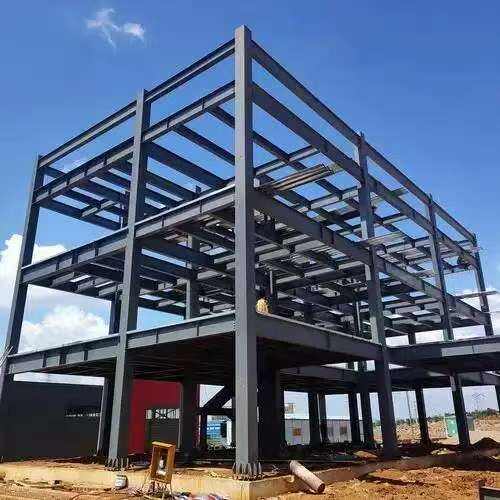
Versatile Design Options and Future Adaptability
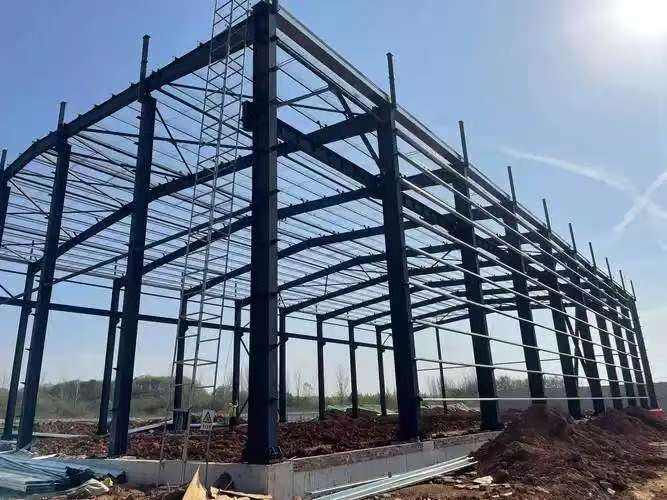
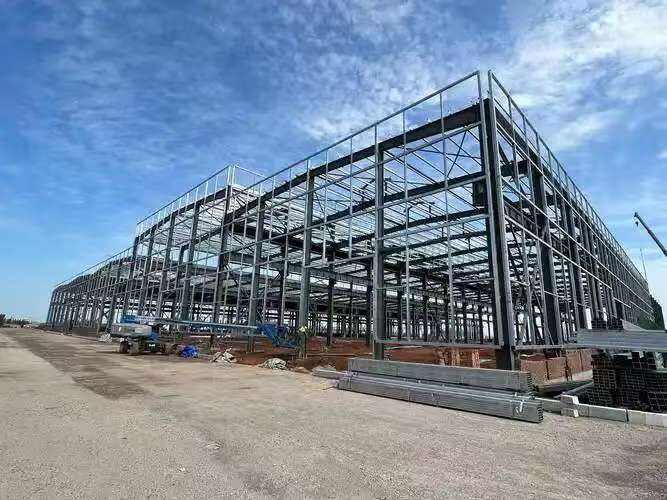
Max steel buildings provide unparalleled design flexibility through their clear-span capabilities that eliminate internal support columns, creating expansive open spaces that can be configured to meet diverse operational requirements across multiple industries and applications. The structural system accommodates complex loading requirements including overhead cranes, mezzanine floors, heavy equipment installations, and specialized ventilation systems without compromising the building's structural integrity or requiring expensive reinforcements. Future expansion capabilities represent a significant advantage of max steel buildings, as the modular design allows for seamless additions of length, width, or height to accommodate business growth while maintaining structural continuity and architectural consistency. The ability to incorporate large door openings, curtain wall systems, and specialized facades enables max steel buildings to meet demanding aesthetic requirements while maintaining optimal functionality for industrial, commercial, or institutional applications. Advanced building information modeling capabilities allow designers to optimize max steel buildings for specific site conditions, local building codes, and operational requirements while ensuring efficient material utilization and cost-effective construction. The structural system readily accommodates renewable energy installations including solar panel arrays, wind turbines, and geothermal systems, supporting sustainable building practices and reducing long-term operational costs. Interior reconfiguration remains simple and cost-effective due to the open floor plans and minimal structural constraints, allowing businesses to adapt their facilities as operational needs evolve without requiring major renovations or structural modifications. The integration of smart building technologies becomes seamless with max steel buildings, as the structural system accommodates complex electrical, mechanical, and data systems without interfering with architectural elements or compromising structural performance. Climate control systems operate more efficiently in max steel buildings due to the thermal performance characteristics of insulated metal wall and roof systems that minimize energy transfer and reduce heating and cooling loads. The ability to incorporate specialized features such as blast-resistant construction, cleanroom environments, or hazardous material storage demonstrates the versatility of max steel buildings in meeting stringent regulatory requirements and specialized operational needs across diverse industries and applications.

 EN
EN