
 EN
EN
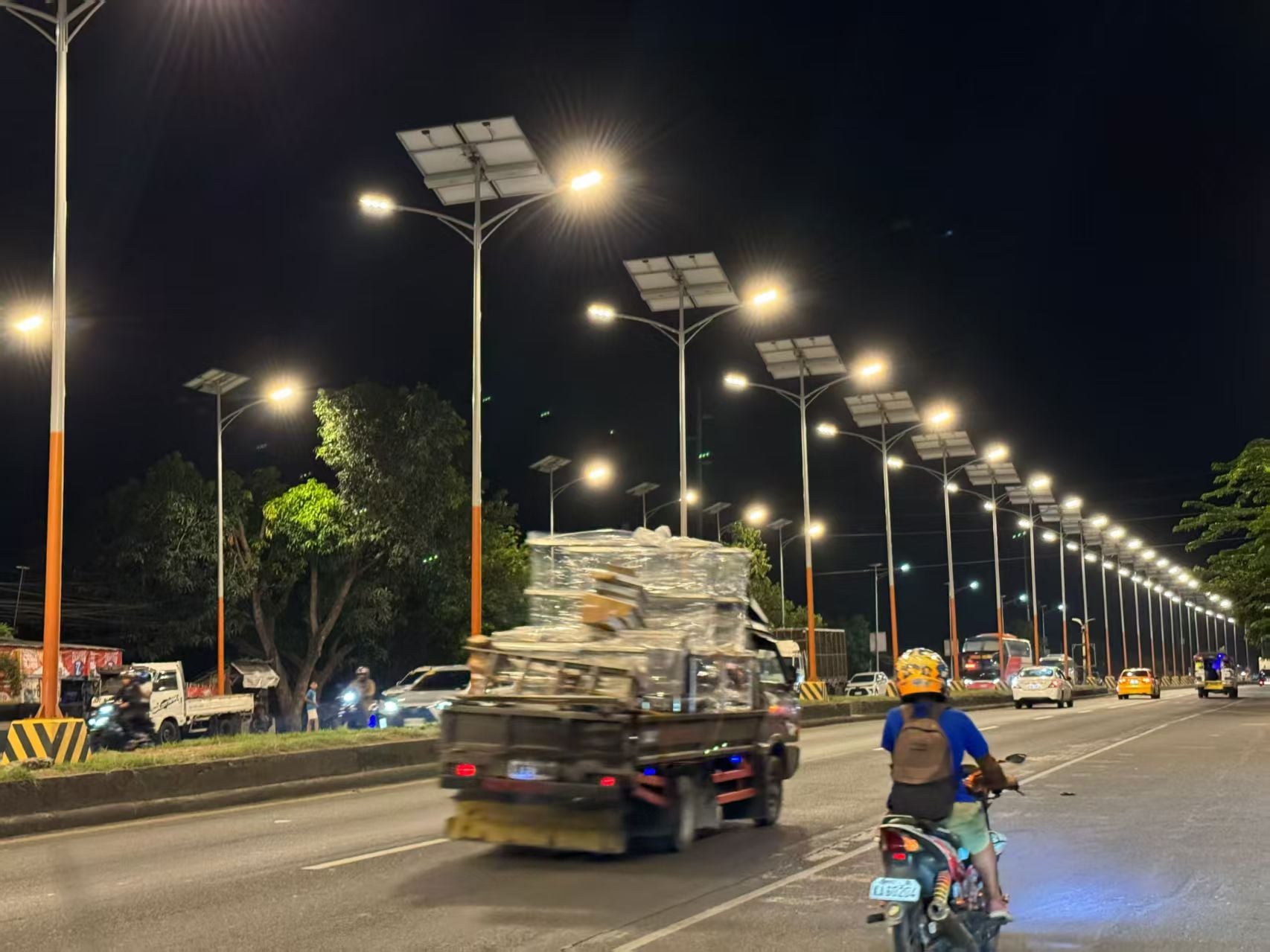
Determining the appropriate electric pole height is a critical consideration for electrical infrastructure projects, safety compliance, and operational efficiency. The optimal height depends on numerous factors including voltage requirements, environmental conditions, clearance regulations, and specific application needs. Understanding these variables ensures proper installation while maintaining safety standards and maximizing system performance across residential, commercial, and industrial applications.

Standard Electric Pole Height Classifications
Low Voltage Distribution Poles
Low voltage distribution systems typically utilize poles ranging from 25 to 40 feet in height. These structures primarily serve residential neighborhoods and small commercial areas where voltage levels remain below 1000 volts. The electric pole height in these applications must provide adequate clearance over roadways, sidewalks, and residential structures while maintaining cost-effectiveness. Standard residential distribution poles commonly measure 35 feet, offering sufficient height for safe conductor placement and maintenance access.
The selection of appropriate height within this range depends on local terrain, building density, and municipal requirements. Urban areas may require taller poles to navigate over existing infrastructure, while rural installations can often utilize shorter structures. Proper height selection ensures compliance with National Electrical Safety Code requirements while optimizing installation and maintenance costs.
Medium Voltage Transmission Lines
Medium voltage applications, operating between 1000 and 35000 volts, require significantly taller structures to maintain proper electrical clearances. These poles typically range from 40 to 80 feet in height, depending on conductor configuration and environmental factors. The increased electric pole height accommodates larger conductor spans and higher safety clearances required for elevated voltage levels.
Industrial facilities and urban distribution networks frequently employ medium voltage systems, necessitating careful height planning to integrate with existing infrastructure. Proper pole selection considers future load growth, environmental conditions, and maintenance accessibility to ensure long-term system reliability and safety compliance.
Regulatory Requirements and Safety Standards
National Electrical Safety Code Compliance
The National Electrical Safety Code establishes minimum clearance requirements that directly influence electric pole height selection. These regulations specify conductor clearances over roads, buildings, communication lines, and pedestrian areas. Compliance with these standards is mandatory for all electrical installations and significantly impacts the minimum acceptable pole height for any given application.
Clearance requirements vary based on voltage levels, with higher voltages demanding greater separation distances. Understanding these regulatory frameworks enables proper height selection while ensuring worker safety and public protection. Regular updates to safety codes may require height adjustments for new installations or system upgrades.
Local Building Codes and Zoning Restrictions
Municipal building codes and zoning regulations often impose additional height restrictions beyond electrical safety requirements. These local ordinances may limit maximum structure heights, require special permits for tall installations, or mandate specific aesthetic considerations. The electric pole height must comply with all applicable local regulations while meeting electrical performance requirements.
Coordination with local authorities during the planning phase prevents costly modifications and ensures regulatory compliance. Some jurisdictions require public hearings for tall structures, while others may offer expedited approval processes for standard utility installations. Understanding local requirements streamlines the approval process and reduces project delays.
Environmental and Geographic Considerations
Wind Load Calculations
Wind loading represents a critical factor in determining appropriate electric pole height for any installation. Taller structures experience increased wind exposure, requiring robust foundation design and structural reinforcement. Wind load calculations must account for local wind patterns, maximum expected velocities, and ice loading conditions that can significantly impact structural requirements.
Geographic location influences wind load considerations, with coastal areas and mountain regions requiring enhanced structural provisions. The relationship between pole height and wind resistance affects both initial installation costs and long-term maintenance requirements. Proper engineering analysis ensures structural integrity while optimizing height for operational requirements.
Terrain and Accessibility Factors
Local terrain characteristics significantly influence electric pole height selection and installation methods. Hilly or mountainous terrain may require taller structures to maintain adequate conductor clearances, while flat areas often accommodate standard height installations. Accessibility for construction and maintenance equipment also impacts practical height limitations for any given location.
Underground utilities, existing infrastructure, and property boundaries create additional constraints that affect pole placement and height requirements. Comprehensive site surveys identify these factors early in the planning process, enabling optimal height selection and reducing construction complications. Environmental sensitivity areas may require special consideration for visual impact and habitat protection.
Application-Specific Height Requirements
High Mast Lighting Applications
High mast lighting systems require substantially taller poles, typically ranging from 80 to 150 feet, to provide effective illumination coverage over large areas. These applications include airports, sports facilities, highways, and industrial complexes where extensive lighting coverage is essential. The electric pole height in these installations must balance illumination effectiveness with structural stability and maintenance accessibility.
High mast installations often incorporate specialized features such as lowering systems for lamp maintenance and enhanced foundation designs to support increased loads. The selection of appropriate height depends on coverage area requirements, light distribution patterns, and local regulations governing tall structures. Proper height selection ensures optimal lighting performance while maintaining cost-effective operation and maintenance.
Telecommunications and Multi-Use Structures
Modern utility poles increasingly serve multiple functions, combining electrical distribution with telecommunications equipment and other utilities. These multi-use applications may require enhanced height specifications to accommodate various equipment types and maintain proper separation between services. The electric pole height must consider all intended uses while ensuring adequate structural capacity for combined loads.
Coordination between different utility providers becomes essential when planning multi-use structures. Height requirements may increase to accommodate additional equipment while maintaining proper clearances and accessibility for all services. Standardization of multi-use pole designs can reduce costs and simplify installation procedures across different applications.
Cost Considerations and Economic Factors
Initial Installation Costs
The relationship between electric pole height and installation costs is not linear, with taller structures requiring disproportionately higher investments in materials, equipment, and labor. Foundation requirements increase significantly with height, while specialized installation equipment may be necessary for tall structures. Understanding these cost relationships enables informed decision-making during the planning process.
Material costs for taller poles increase not only due to additional length but also enhanced structural requirements to support increased loads and wind exposure. Installation complexity rises with height, requiring specialized crews and equipment that command premium rates. Comprehensive cost analysis should include all installation phases and long-term maintenance considerations.
Long-Term Maintenance and Operational Costs
Taller electric poles generally require more expensive maintenance procedures and specialized equipment for routine service activities. Inspection schedules may need to be more frequent for tall structures, while replacement costs increase significantly with height. The electric pole height selection should consider lifecycle costs rather than focusing solely on initial installation expenses.
Accessibility for maintenance crews becomes increasingly challenging with height, potentially requiring specialized vehicles or equipment. Emergency repairs on tall structures may require extended outage periods and higher service costs. Balancing operational requirements with maintenance accessibility ensures optimal long-term performance and cost control.
Future Planning and System Expansion
Load Growth Projections
Future electrical load growth may necessitate system upgrades that could affect pole height requirements. Planning for anticipated growth during initial installation can prevent costly modifications or premature replacement of infrastructure. The electric pole height should accommodate potential conductor upgrades, additional circuits, or voltage level changes that may occur over the system's operational lifetime.
Demographics changes, industrial development, and urban expansion patterns influence long-term load projections that affect infrastructure planning. Conservative height selection that allows for future expansion often proves more economical than frequent system modifications. Coordination with municipal planning departments provides valuable insight into anticipated development patterns.
Technology Integration and Smart Grid Capabilities
Emerging smart grid technologies and advanced monitoring systems may require additional equipment installation that affects pole height and structural requirements. Future integration of renewable energy sources, energy storage systems, or advanced communication equipment should be considered during initial planning phases. The electric pole height must accommodate current needs while providing flexibility for technological advancement.
Standardization of pole designs that accommodate future technology integration can reduce long-term modification costs and simplify system upgrades. Coordination with technology vendors and utility planners ensures that height selections support both current operations and future enhancement opportunities.
FAQ
What factors determine the minimum electric pole height for residential areas
The minimum electric pole height for residential installations is determined by National Electrical Safety Code clearance requirements, local building codes, and specific site conditions. Standard residential poles typically measure 35 feet to provide adequate clearance over roads, driveways, and buildings while maintaining cost-effectiveness. Local terrain, existing infrastructure, and municipal regulations may require height adjustments to ensure compliance and safety.
How does voltage level affect electric pole height requirements
Higher voltage levels require greater electrical clearances, directly impacting minimum pole height requirements. Low voltage systems below 1000 volts typically use 25-40 foot poles, while medium voltage applications up to 35000 volts require 40-80 foot structures. High voltage transmission lines may necessitate poles exceeding 100 feet to maintain proper safety clearances and operational reliability.
What are the typical height ranges for different electric pole applications
Electric pole heights vary significantly based on application requirements. Residential distribution typically uses 25-40 foot poles, commercial and industrial applications require 40-80 foot structures, while high mast lighting and transmission applications may exceed 100-150 feet. Special applications such as airport lighting or major highway illumination can require even taller structures to meet coverage and safety requirements.
How do environmental conditions influence electric pole height selection
Environmental factors including wind loads, ice conditions, terrain characteristics, and seismic activity significantly influence pole height selection and structural requirements. Coastal areas require enhanced wind resistance, while northern climates must account for ice loading that increases structural demands. Local terrain may necessitate height adjustments to maintain proper clearances, while accessibility considerations affect practical height limitations for construction and maintenance activities.