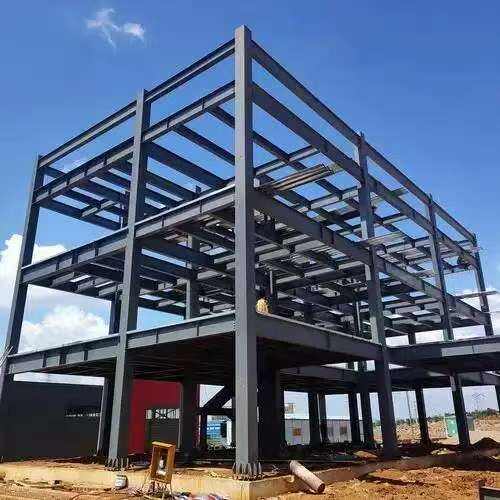
steel structure prices
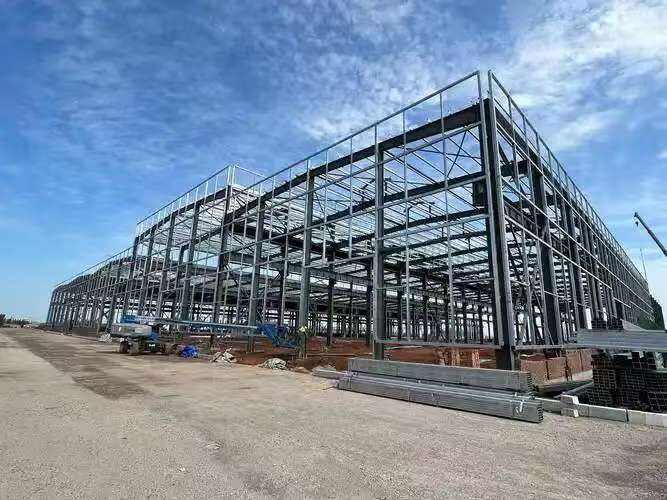
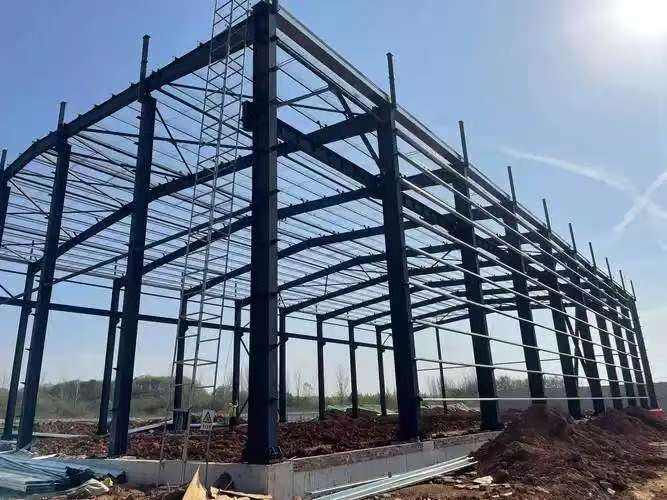
Steel structure prices represent one of the most critical factors in modern construction planning and budgeting decisions. These pricing structures encompass the comprehensive costs associated with steel framework systems used in commercial, industrial, and residential building projects. Understanding steel structure prices involves evaluating multiple components including raw material costs, fabrication expenses, transportation fees, and installation charges. The main functions of steel structure pricing systems serve to provide transparent cost breakdowns for contractors, architects, and property developers who need accurate budget forecasts for their construction projects. Steel structure prices fluctuate based on global steel commodity markets, local labor rates, project complexity, and seasonal demand variations. The technological features of modern steel structure pricing incorporate advanced estimation software that calculates precise material quantities, welding requirements, and structural load specifications. These pricing systems utilize Building Information Modeling technology to generate detailed cost projections based on three-dimensional structural designs. Applications of steel structure prices extend across diverse construction sectors including high-rise buildings, industrial warehouses, manufacturing facilities, bridges, and residential complexes. The pricing methodology considers factors such as steel grade specifications, connection types, protective coatings, and fire-resistant treatments. Professional estimators use specialized software to analyze architectural drawings and generate comprehensive steel structure prices that account for material waste, fabrication tolerances, and quality control measures. Market dynamics significantly influence steel structure prices through supply chain disruptions, trade policies, and environmental regulations affecting steel production. Construction professionals rely on accurate steel structure prices to maintain project profitability while ensuring structural integrity and compliance with building codes. The pricing framework also incorporates regional variations in labor costs, equipment rental rates, and local building permit fees that directly impact overall project expenses.

 EN
EN