Prefabricated Steel Structures: Advanced Building Solutions for Modern Construction

All Categories

prefabricated steel structures

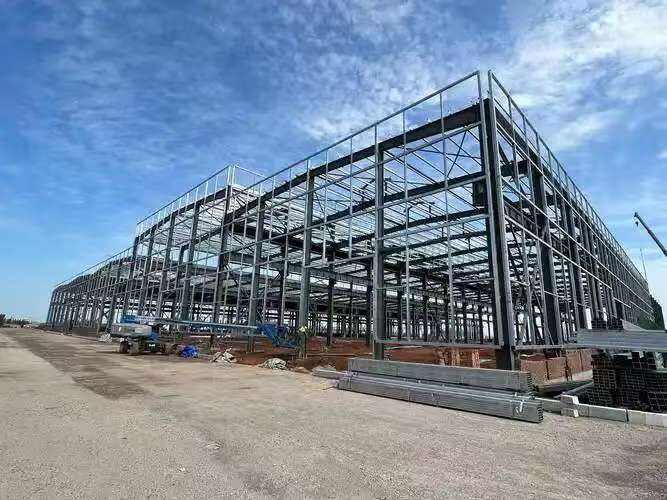
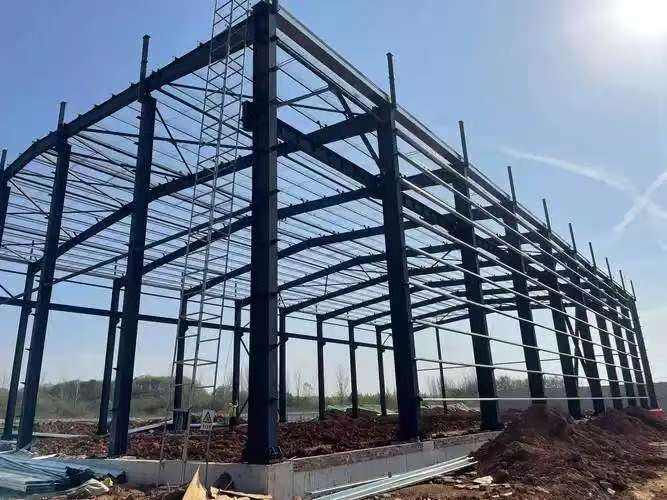
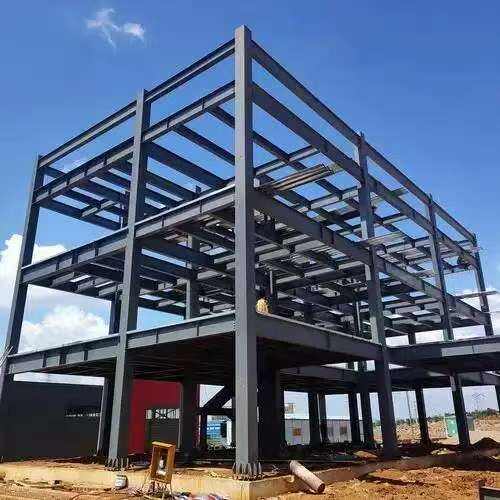
Prefabricated steel structures represent a revolutionary approach to modern construction, combining engineering precision with manufacturing efficiency to deliver superior building solutions. These innovative construction systems involve the design, fabrication, and assembly of steel components in controlled factory environments before transportation to the final construction site. The main functions of prefabricated steel structures encompass providing robust structural frameworks for commercial buildings, industrial facilities, residential complexes, and specialized infrastructure projects. These systems serve as the backbone for warehouses, manufacturing plants, office buildings, sports facilities, and agricultural structures, offering unparalleled versatility in architectural design and functional applications. The technological features of prefabricated steel structures include computer-aided design software that ensures precise measurements and optimal material utilization. Advanced welding techniques, automated cutting processes, and quality control systems guarantee consistent manufacturing standards. Modern prefabricated steel structures incorporate high-strength steel alloys, corrosion-resistant coatings, and innovative connection systems that facilitate rapid assembly. The integration of Building Information Modeling technology allows for comprehensive project visualization and coordination among various construction disciplines. Applications of prefabricated steel structures span across diverse industries and sectors. Manufacturing facilities benefit from the clear spans and flexibility these structures provide, enabling efficient production layouts without interior support columns. Commercial retail spaces utilize prefabricated steel structures for their ability to accommodate large open areas and future expansion requirements. Educational institutions choose these systems for gymnasiums, auditoriums, and classroom buildings due to their cost-effectiveness and durability. Healthcare facilities appreciate the clean construction process and minimal site disruption that prefabricated steel structures offer during critical operations.


New Product Releases

Prefabricated steel structures deliver exceptional speed of construction that significantly reduces project timelines compared to traditional building methods. The factory fabrication process allows multiple components to be manufactured simultaneously while site preparation occurs, creating parallel construction workflows that compress overall schedules. This accelerated timeline translates into faster occupancy, earlier revenue generation, and reduced financing costs for property owners and developers. The controlled manufacturing environment ensures superior quality control that surpasses field construction standards. Factory conditions eliminate weather delays, provide consistent working temperatures, and enable comprehensive inspection procedures at every production stage. Skilled craftsmen working in optimal conditions produce more precise connections, better surface finishes, and tighter dimensional tolerances than typical jobsite construction. Cost-effectiveness represents another compelling advantage of prefabricated steel structures. The standardized production processes reduce material waste, optimize labor efficiency, and minimize construction errors that often require expensive corrections. Bulk purchasing of raw materials and streamlined logistics further contribute to overall project savings. The predictable pricing structure helps owners establish accurate budgets and avoid cost overruns common in traditional construction projects. Environmental sustainability makes prefabricated steel structures an responsible choice for eco-conscious builders. Steel contains high recycled content and maintains complete recyclability at the end of the structure's service life. The precision manufacturing process minimizes material waste, while the reduced construction time decreases fuel consumption from equipment and transportation. Energy-efficient designs can be easily incorporated into prefabricated steel structures, supporting green building certification requirements. Flexibility and adaptability distinguish prefabricated steel structures from conventional building systems. The inherent strength of steel allows for larger clear spans without intermediate supports, creating versatile interior spaces that can be reconfigured as needs change. Future expansions, modifications, or relocations become more feasible with modular prefabricated steel structures. This adaptability protects the owner's investment by accommodating evolving business requirements and market conditions throughout the building's lifecycle.

Latest News

Top 10 Questions to Ask When Buying Solar Street Lights.

28

Nov

Top 10 Questions to Ask When Buying Solar Street Lights.

What Are the Key Components of Solar Street Lights Understanding Solar Panels and Battery Types Most solar street lights rely on solar panels paired with batteries for capturing and storing energy. When looking at available options, there are basica...
View More
Future Trends in Street Light Technology: Innovations to Watch

28

Nov

Future Trends in Street Light Technology: Innovations to Watch

Solar-Powered Street Light Innovations Leading the Charge Integration of Solar-LED Hybrid Systems Solar LED hybrid systems show what happens when we combine solar power with efficient lighting technology for streets. Basically, these setups collect ...
View More
Top 10 Questions to Ask When Buying Garden Lights

28

Nov

Top 10 Questions to Ask When Buying Garden Lights

Understanding Your Garden Lighting Goals What is the primary purpose of your garden lights? Knowing what we want our garden lights to do makes all the difference when picking out the right kind of illumination. People usually go for three main thing...
View More
What Is the Ideal Height of an Electric Pole

02

Dec

What Is the Ideal Height of an Electric Pole

Determining the appropriate electric pole height is a critical consideration for electrical infrastructure projects, safety compliance, and operational efficiency. The optimal height depends on numerous factors including voltage requirements, environ...
View More

Get a Free Quote

Our representative will contact you soon.
Email
Name
Company Name
Message
0/1000

prefabricated steel structures

Exceptional Durability and Weather Resistance

Exceptional Durability and Weather Resistance

Prefabricated steel structures demonstrate remarkable durability that ensures decades of reliable performance under challenging environmental conditions. The inherent properties of steel, combined with modern protective coatings and galvanization processes, create structures that resist corrosion, extreme temperatures, high winds, seismic activity, and heavy snow loads. This exceptional durability stems from steel's molecular composition and the controlled manufacturing environment where prefabricated steel structures are produced. Advanced metallurgy techniques used in modern steel production create materials with predictable strength characteristics and consistent quality throughout each structural member. The factory application of protective coatings ensures complete coverage and proper curing conditions that cannot be replicated in field applications. Hot-dip galvanizing processes create zinc coatings that provide sacrificial protection against corrosion, extending the structure's service life well beyond traditional construction materials. Weather resistance becomes particularly important in harsh climates where prefabricated steel structures must withstand extreme temperature fluctuations, persistent moisture, and corrosive atmospheric conditions. The engineered connections and precise fit-up of factory-manufactured components eliminate gaps and misalignments that could allow water infiltration or create stress concentrations. Properly designed prefabricated steel structures can accommodate thermal expansion and contraction without compromising structural integrity or creating maintenance issues. The dimensional stability of steel prevents the warping, shrinking, or settling that affects other building materials over time. This reliability translates into lower maintenance costs, reduced insurance premiums, and enhanced property values for building owners. The predictable performance characteristics of prefabricated steel structures enable accurate lifecycle cost analyses and support long-term financial planning. Insurance companies often recognize the superior risk profile of steel construction through reduced premiums, while building codes acknowledge the fire resistance and structural reliability that steel provides in critical applications.
Superior Design Flexibility and Architectural Freedom

Superior Design Flexibility and Architectural Freedom

Prefabricated steel structures offer unmatched design flexibility that empowers architects and engineers to create innovative building solutions without compromising structural integrity or construction feasibility. The high strength-to-weight ratio of steel enables longer clear spans, taller buildings, and more complex geometries than traditional construction materials can achieve. This design freedom allows architects to realize their creative visions while engineers ensure optimal structural performance through precise calculations and advanced modeling techniques. The modular nature of prefabricated steel structures supports both standardized and customized design approaches. Standard connection details and member sizes can be combined in countless configurations to create unique architectural expressions while maintaining manufacturing efficiency. Custom fabrication capabilities accommodate special requirements, unusual geometries, and signature design elements that distinguish buildings in competitive markets. The precision manufacturing process ensures that even complex designs can be executed with tight tolerances and consistent quality. Modern prefabricated steel structures integrate seamlessly with various cladding systems, roofing materials, and interior finishes to achieve desired aesthetic outcomes. The structural frame provides a stable platform for curtain wall systems, masonry veneer, metal panels, or any combination of exterior materials. Interior layouts benefit from the open floor plates that steel framing enables, allowing maximum flexibility in space planning and future reconfigurations. The ability to minimize interior columns creates more usable square footage and supports diverse functional requirements within the same structural shell. Advanced engineering software and Building Information Modeling technology enhance the design possibilities for prefabricated steel structures by enabling rapid analysis of multiple design alternatives. Parametric modeling allows designers to evaluate different configurations, optimize material usage, and coordinate with mechanical, electrical, and plumbing systems early in the design process. This collaborative approach reduces conflicts, improves constructability, and ensures that the final design meets all performance requirements while maintaining architectural intent and manufacturing efficiency.
Rapid Construction and Minimal Site Disruption

Rapid Construction and Minimal Site Disruption

Prefabricated steel structures revolutionize construction schedules through streamlined assembly processes that dramatically reduce on-site construction time and minimize disruption to surrounding operations. The factory fabrication of structural components allows for precise manufacturing while site preparation activities proceed simultaneously, creating efficient parallel workflows that compress traditional construction timelines by thirty to fifty percent. This accelerated schedule provides immediate benefits to building owners through earlier occupancy, reduced interim financing costs, and faster return on investment realization. The assembly process for prefabricated steel structures resembles large-scale construction sets where precisely manufactured components fit together with engineered connections that require minimal field adjustment. Experienced erection crews can achieve remarkable installation rates, often completing structural frames for medium-sized buildings within days rather than weeks. The predictable assembly sequence allows for accurate scheduling of follow-on trades and minimizes weather-related delays that plague traditional construction projects. Quality control measures implemented during factory production ensure that components arrive on-site ready for immediate installation without time-consuming field corrections. Minimal site disruption represents a crucial advantage for prefabricated steel structures in urban environments, operational facilities, and sensitive locations where construction activities must coexist with ongoing operations. The reduced construction duration limits noise, dust, and traffic impacts on neighboring properties and businesses. Smaller equipment requirements and more predictable delivery schedules minimize site congestion and reduce conflicts with existing utilities or infrastructure. The clean assembly process generates less construction waste and requires fewer material deliveries than conventional building methods, supporting sustainable construction practices and community relations. The efficiency gains from prefabricated steel structures extend beyond the initial construction phase to encompass future modifications, expansions, and renovations. The modular design philosophy facilitates planned additions or reconfigurations with minimal disruption to existing operations. Building owners can adapt their facilities to changing needs without extensive reconstruction projects, preserving their investment while maintaining operational continuity throughout facility modifications.

Get a Free Quote

Our representative will contact you soon.
Email
Name
Company Name
Message
0/1000