
 EN
EN
When constructing outdoor infrastructure, selecting the right materials determines both longevity and performance. Steel tube construction has emerged as the preferred solution for outdoor poles across industries, from street lighting to telecommunications. This versatile material combines exceptional structural integrity with cost-effective manufacturing, making it an ideal choice for demanding outdoor applications. Understanding the advantages of steel tube construction helps engineers and project managers make informed decisions that deliver lasting value.
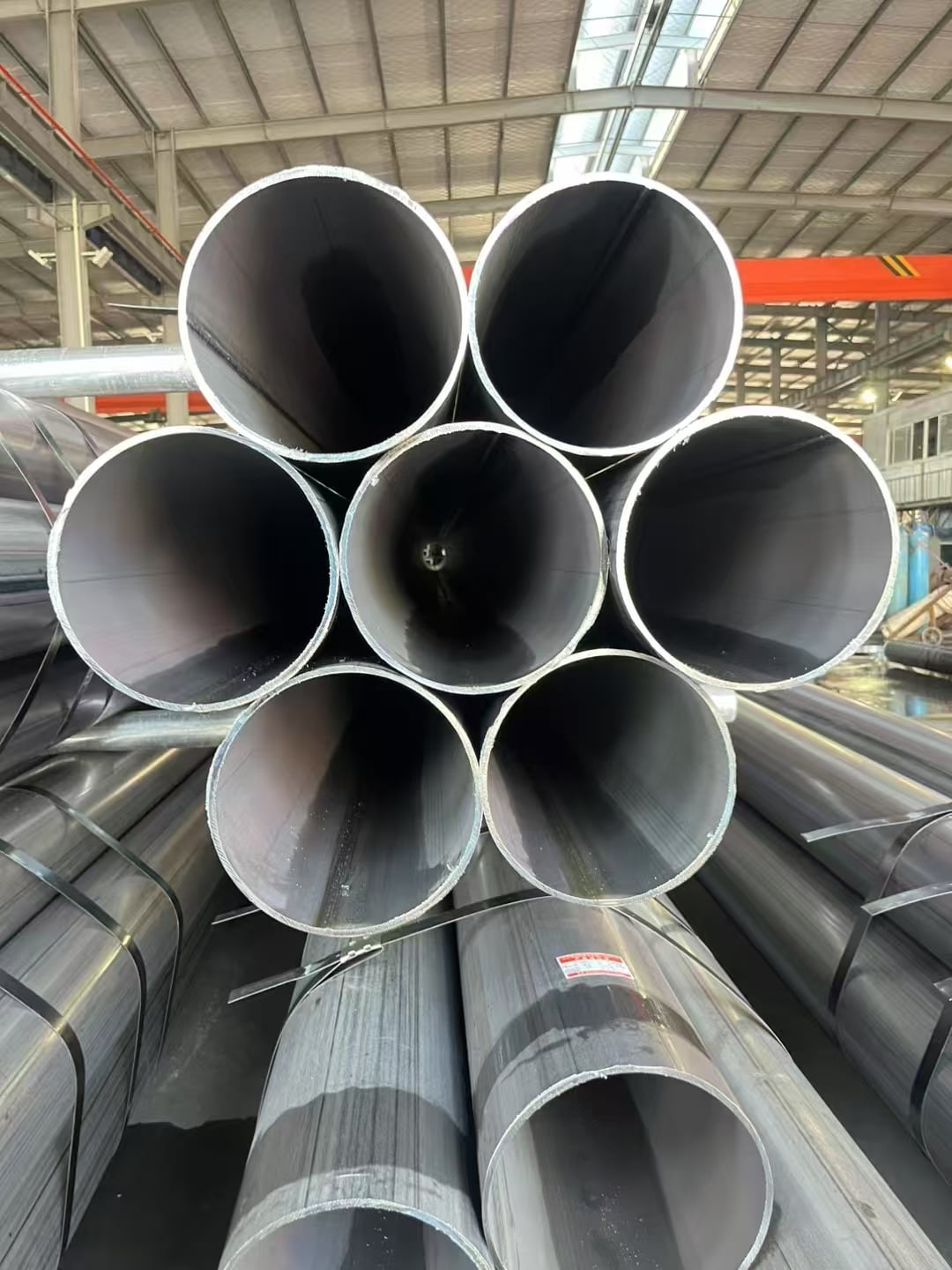
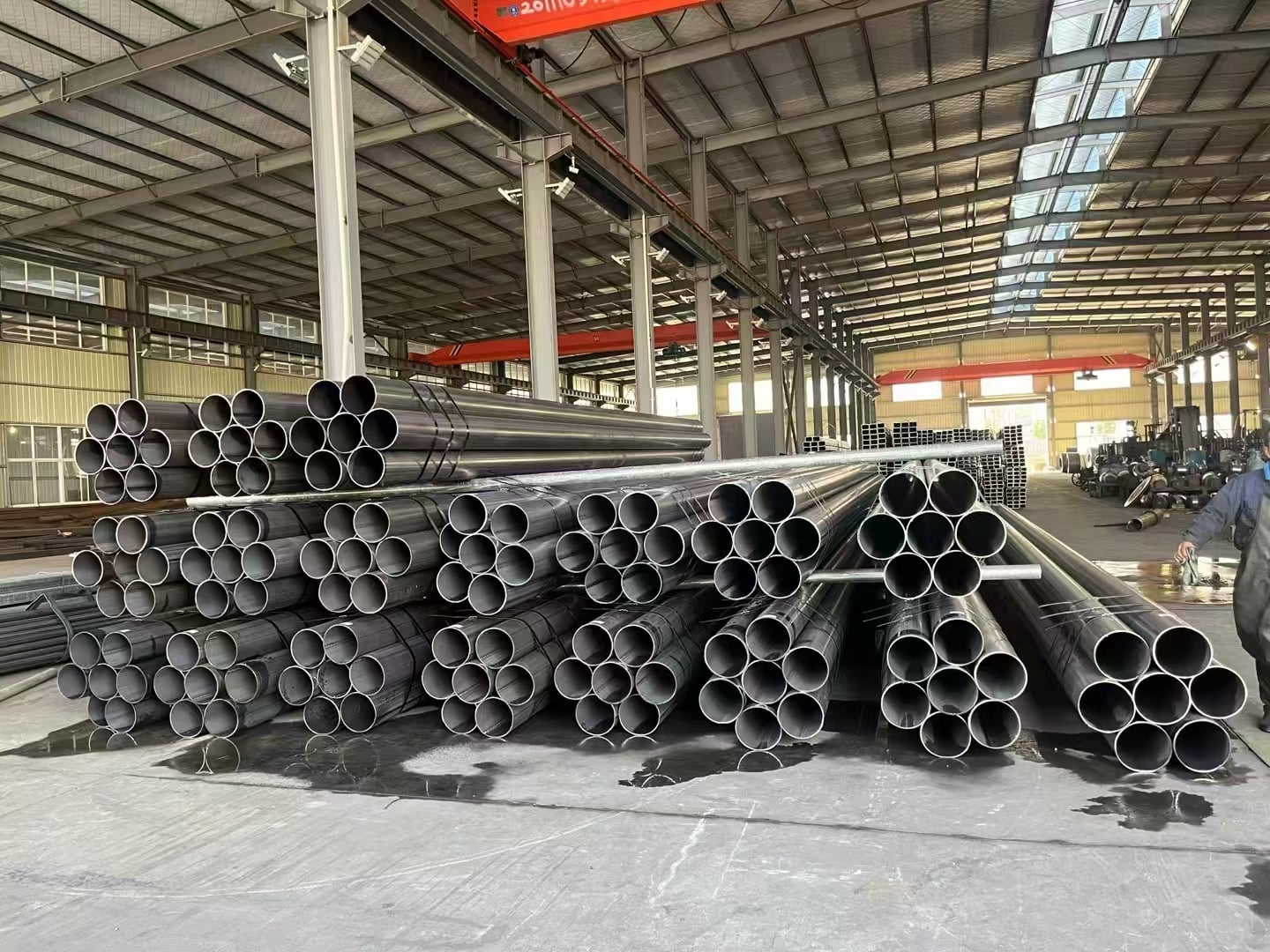
Superior Structural Properties of Steel Tubes
Exceptional Load-Bearing Capacity
Steel tube construction offers unmatched load-bearing capabilities essential for outdoor pole applications. The hollow cylindrical design distributes forces evenly throughout the structure, preventing stress concentration points that often lead to failure in solid materials. This uniform distribution allows steel tube poles to support heavy equipment, signage, and lighting fixtures while maintaining structural integrity under various loading conditions. The material's high tensile strength ensures reliable performance even when subjected to dynamic loads from wind, vibration, or thermal expansion.
The geometric advantages of tubular construction create superior resistance to bending moments compared to solid steel sections of equivalent weight. This efficiency translates into material savings while maintaining or improving structural performance. Engineers can specify thinner wall sections without compromising strength, resulting in lighter poles that require less robust foundation systems. The inherent stiffness of steel tube construction also minimizes deflection under load, ensuring consistent performance throughout the pole's service life.
Outstanding Wind Resistance Characteristics
Outdoor poles face constant exposure to wind forces that can create significant lateral loads and dynamic stresses. Steel tube construction naturally provides excellent wind resistance through its aerodynamic profile and structural efficiency. The circular cross-section reduces wind drag compared to angular shapes, minimizing the overall force exerted on the structure. This reduction in wind loading translates directly into improved stability and reduced foundation requirements.
The material properties of steel allow for controlled flexibility that helps dissipate wind energy rather than creating rigid structures prone to fatigue failure. Modern steel tube manufacturing techniques ensure consistent wall thickness and material properties that provide predictable performance under varying wind conditions. This reliability is crucial for applications where pole failure could result in safety hazards or service interruptions.
Durability and Weather Resistance
Corrosion Protection Systems
Modern steel tube manufacturing incorporates advanced corrosion protection systems that extend service life far beyond traditional materials. Hot-dip galvanizing provides a protective zinc coating that sacrificially corrodes before affecting the underlying steel structure. This process creates a barrier layer that maintains integrity even when minor surface damage occurs, ensuring long-term protection in challenging outdoor environments.
Additional protective coatings can be applied over galvanized surfaces to provide enhanced aesthetic appeal and further corrosion resistance. Powder coating systems offer excellent adhesion to galvanized steel while providing color options and improved UV resistance. These multi-layer protection systems can extend steel tube service life to 50 years or more in typical outdoor applications, making them highly cost-effective compared to materials requiring frequent replacement or maintenance.
Temperature Stability and Thermal Performance
Steel tube construction demonstrates excellent thermal stability across the wide temperature ranges encountered in outdoor applications. The material maintains its structural properties from arctic conditions to extreme heat, ensuring consistent performance regardless of climate. Thermal expansion characteristics are well-understood and predictable, allowing engineers to design appropriate expansion joints and mounting systems that accommodate temperature variations without compromising structural integrity.
The thermal mass of steel tube construction provides beneficial temperature buffering that helps protect sensitive electronic equipment mounted within or on the poles. This thermal stability reduces thermal cycling stress on components while maintaining dimensional stability of mounting systems. The ability to conduct heat also allows for effective dissipation of heat generated by LED lighting systems and other equipment, contributing to improved component longevity.
Manufacturing Versatility and Customization
Precise Dimensional Control
Modern steel tube manufacturing processes achieve exceptional dimensional accuracy and consistency that simplifies installation and ensures proper fit with mounting hardware and accessories. Computer-controlled forming equipment maintains tight tolerances on diameter, wall thickness, and straightness throughout production runs. This precision eliminates field fitting issues that can delay installation and increase project costs.
The ability to manufacture steel tube sections to exact specifications allows for standardization of mounting systems and accessories across projects. This standardization reduces inventory requirements while ensuring compatibility between components from different manufacturers. Consistent dimensions also facilitate modular design approaches that can reduce engineering time and simplify maintenance procedures.
Flexible Design Options
Steel tube construction accommodates a wide range of design requirements through variations in diameter, wall thickness, and length. Tapered designs can be achieved through controlled forming processes that maintain structural integrity while providing aesthetic appeal and optimized load distribution. Multiple sections can be joined through various connection methods to achieve virtually any required pole height or configuration.
Surface treatments and finishing options allow steel tube poles to complement architectural themes while maintaining their structural advantages. From traditional galvanized finishes to custom color schemes, the material accepts a wide variety of protective and decorative coatings. Integral mounting systems can be incorporated during manufacturing, eliminating the need for field modifications that might compromise structural integrity or corrosion protection.
Economic Advantages and Lifecycle Value
Initial Cost Effectiveness
Steel tube materials typically offer favorable initial costs compared to alternative materials while providing superior performance characteristics. The widespread availability of steel and established manufacturing processes keep material costs competitive, while the efficiency of tubular construction reduces the quantity of material required for equivalent strength. This combination results in cost-effective solutions that don't compromise on quality or performance.
Installation costs are often reduced due to the lighter weight of steel tube poles compared to concrete alternatives and the standardized mounting systems available for steel construction. Pre-fabricated components can be manufactured off-site under controlled conditions, reducing field labor requirements and improving installation quality. The ability to transport multiple steel tube poles on a single truck reduces transportation costs and logistical complexity.
Long-Term Value Proposition
The extended service life achievable with properly protected steel tube construction delivers exceptional long-term value. Minimal maintenance requirements over decades of service translate into reduced lifecycle costs compared to materials requiring frequent repairs or replacement. The recyclability of steel at the end of service life provides additional value recovery that further improves the economic proposition.
Standardized connection systems and component designs facilitate upgrades and modifications throughout the pole's service life without requiring complete replacement. This adaptability allows infrastructure to evolve with changing requirements while preserving the initial investment in poles and foundations. The proven track record of steel tube performance provides confidence in lifecycle cost projections that support informed investment decisions.
Installation and Maintenance Benefits
Streamlined Installation Processes
Steel tube poles are designed for efficient installation using standard construction equipment and techniques. The relatively light weight compared to concrete poles reduces crane requirements and allows installation in areas with limited access. Standardized base connections ensure consistent installation procedures that reduce training requirements and minimize installation errors.
Pre-fabricated steel tube assemblies can include integrated wiring channels, mounting brackets, and access panels that eliminate field modifications. This approach reduces installation time while ensuring proper sealing and corrosion protection of all penetrations. Quality control during manufacturing results in components that fit together properly without field adjustments, streamlining the installation process.
Minimal Maintenance Requirements
Properly designed and installed steel tube poles require minimal maintenance throughout their service life. Periodic inspection of protective coatings and connection points typically represents the extent of required maintenance activities. Touch-up painting or coating repair can be performed using standard equipment and materials, making maintenance cost-effective and straightforward.
The accessibility of internal wiring and equipment through removable access panels facilitates maintenance of electrical systems without requiring specialized equipment. This accessibility reduces service call costs while ensuring that maintenance work can be performed safely and efficiently. The predictable performance characteristics of steel tube construction allow for effective preventive maintenance scheduling that maximizes service life.
FAQ
How long do steel tube outdoor poles typically last
Steel tube outdoor poles with proper corrosion protection can last 40-50 years or more in typical outdoor environments. Hot-dip galvanized poles with additional protective coatings often exceed this lifespan, especially in areas with moderate environmental conditions. Regular inspection and minor maintenance can extend service life even further, making steel tube construction an excellent long-term investment.
Can steel tube poles withstand extreme weather conditions
Yes, steel tube poles are specifically engineered to withstand extreme weather conditions including high winds, ice loading, and temperature extremes. The material properties and structural design provide excellent performance across a wide range of environmental conditions. Proper engineering design accounts for local climate conditions to ensure adequate safety margins for the most severe expected conditions.
Are steel tube poles more expensive than concrete alternatives
While initial material costs may vary depending on specific requirements, steel tube poles often provide better overall value when considering installation costs, service life, and maintenance requirements. The lighter weight reduces installation costs, and the longer service life with minimal maintenance typically results in lower lifecycle costs compared to concrete alternatives.
What maintenance is required for steel tube outdoor poles
Steel tube poles require minimal maintenance, typically consisting of periodic visual inspections and occasional touch-up of protective coatings if needed. Most installations require no maintenance for the first 15-20 years of service. When maintenance is needed, it typically involves cleaning and applying protective coatings using standard equipment and materials, making it cost-effective and straightforward.