Advanced LED Street Lights: Energy-Efficient Smart Lighting Solutions for Modern Cities

All Categories

street light

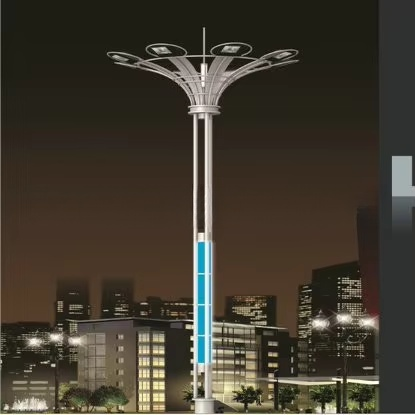
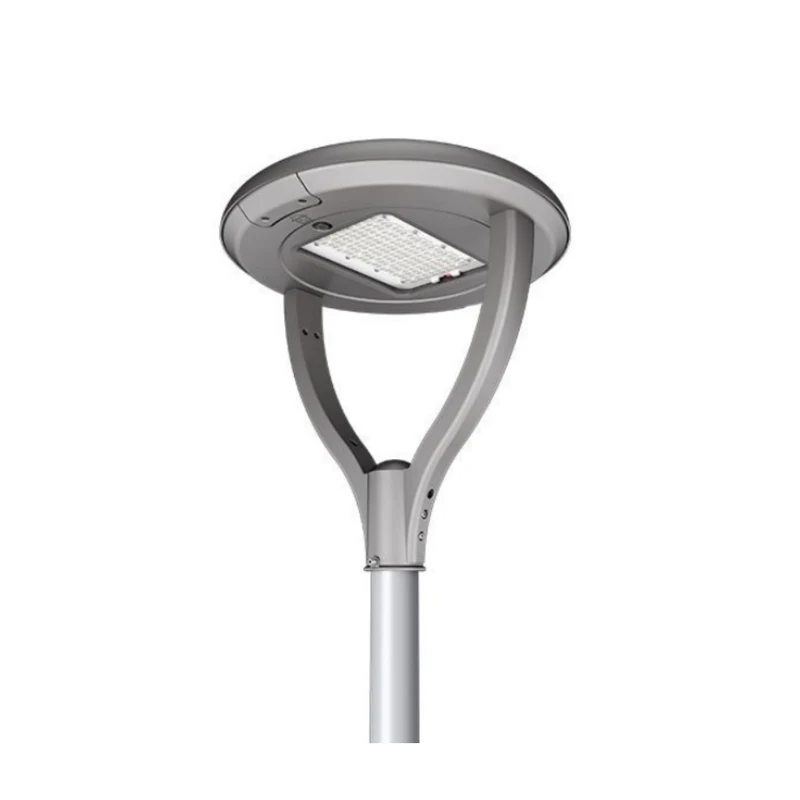
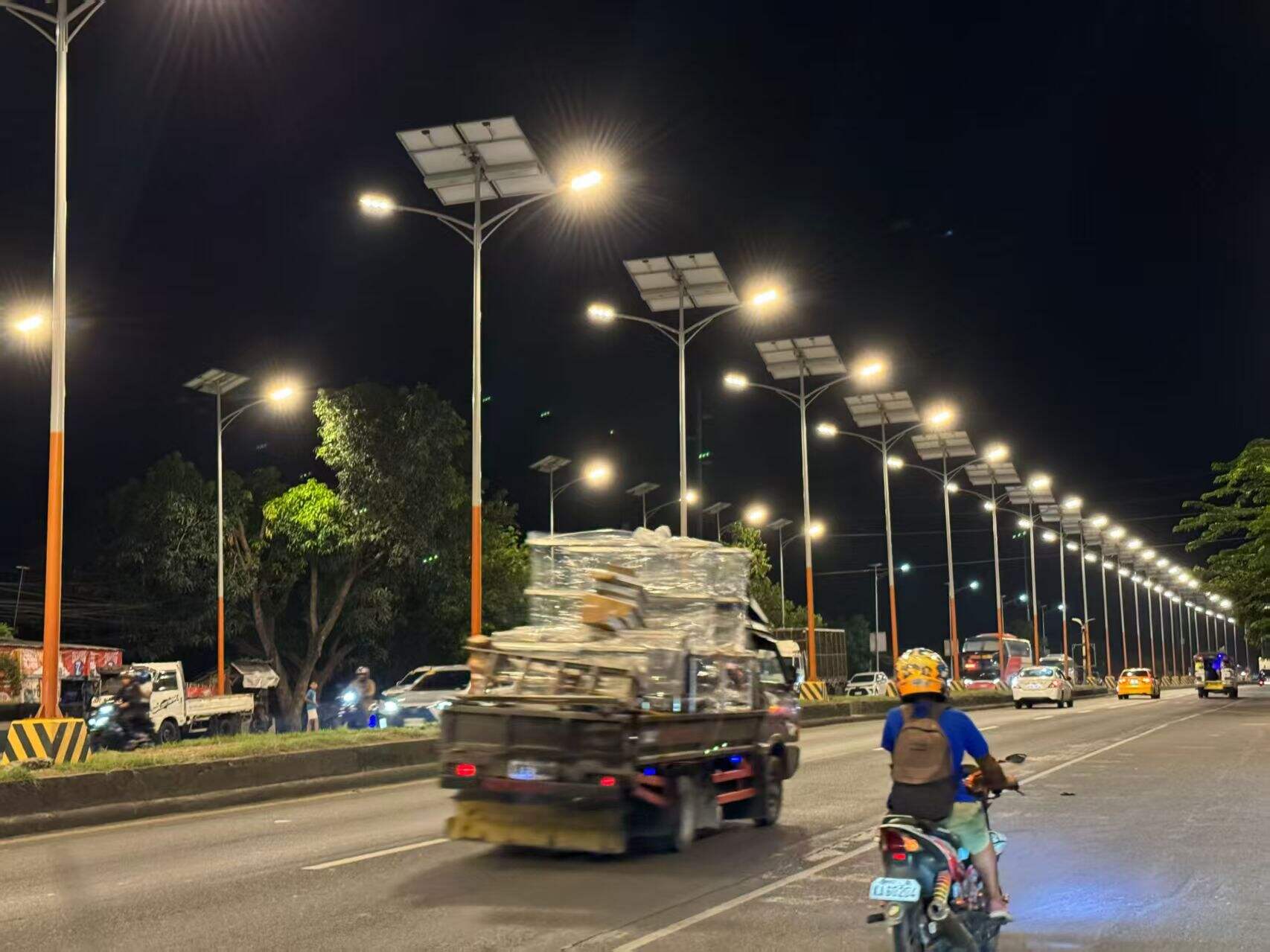
Street lights serve as essential infrastructure components that illuminate roadways, sidewalks, and public spaces during nighttime hours. These lighting systems enhance safety, security, and visibility for pedestrians, cyclists, and motorists navigating urban and suburban environments. Modern street light technology has evolved significantly from traditional incandescent bulbs to sophisticated LED systems that offer superior performance and energy efficiency. Contemporary street light designs incorporate advanced features such as smart sensors, wireless connectivity, and adaptive brightness controls that respond to ambient conditions and traffic patterns. The primary function of street lighting extends beyond basic illumination to include crime deterrence, traffic flow management, and community beautification. Street light installations typically consist of several key components including the luminaire housing, optical lens systems, mounting poles, electrical connections, and control mechanisms. LED street lights have become the preferred choice for municipalities worldwide due to their exceptional longevity, reduced maintenance requirements, and environmental benefits. These systems can operate effectively for over 50,000 hours while consuming significantly less electricity than conventional lighting technologies. Smart street light networks enable remote monitoring and control capabilities, allowing city planners to optimize energy consumption and respond quickly to maintenance needs. The applications of street lighting span residential neighborhoods, commercial districts, highways, parking facilities, and recreational areas. Modern street light systems often integrate with broader smart city initiatives, incorporating features such as emergency communication systems, environmental monitoring sensors, and electric vehicle charging stations. The technological advancement in street lighting continues to drive innovation in urban infrastructure development, supporting sustainable city planning goals while improving quality of life for residents and visitors.


New Products

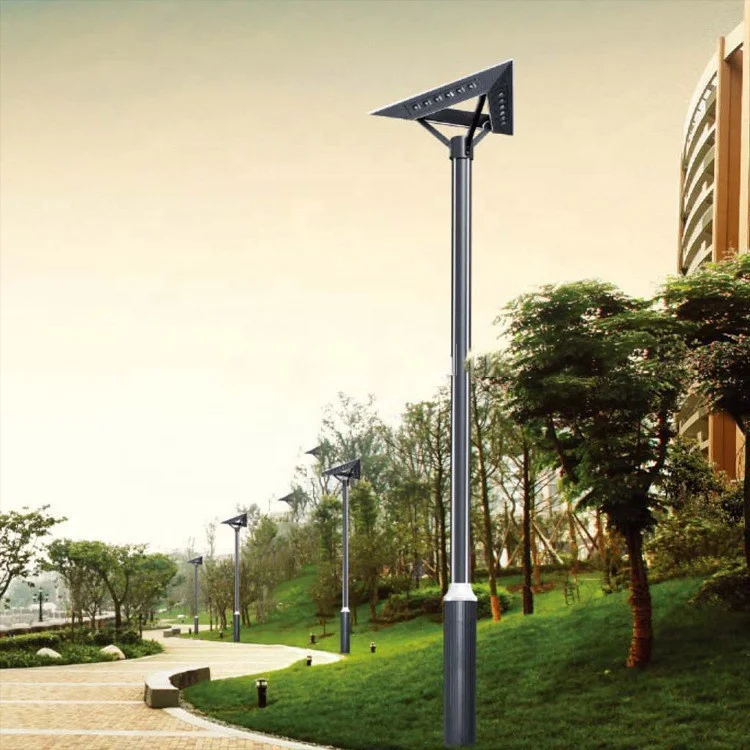
Street lights deliver numerous practical benefits that directly impact community safety, energy efficiency, and operational costs. Property owners and municipalities experience significant cost savings through reduced electricity consumption, with LED street lights using up to 75% less energy than traditional lighting systems. These energy-efficient fixtures translate to lower utility bills and decreased carbon footprint, supporting environmental sustainability goals while maintaining superior illumination quality. The extended lifespan of modern street lights dramatically reduces maintenance expenses and service disruptions. LED technology provides reliable operation for decades, eliminating frequent bulb replacements and reducing labor costs associated with maintenance crews. This reliability ensures consistent lighting performance without unexpected outages that could compromise public safety. Enhanced visibility creates safer environments for all community members, reducing accident rates and deterring criminal activity through improved surveillance conditions. Well-lit streets enable pedestrians to navigate confidently during evening hours while providing clear sight lines for drivers to identify potential hazards. The improved safety conditions contribute to increased property values and business activity in well-illuminated areas. Smart street light systems offer unprecedented control and monitoring capabilities that optimize performance based on real-time conditions. Automated dimming features adjust brightness levels according to traffic patterns and ambient light, maximizing energy savings without compromising safety requirements. Remote diagnostic capabilities enable proactive maintenance scheduling, preventing system failures and ensuring optimal performance. The integration potential with smart city infrastructure provides additional value through multi-functional capabilities. Street lights can support wireless communication networks, environmental monitoring equipment, and emergency response systems, creating comprehensive urban infrastructure solutions. These integrated systems provide valuable data for city planning and resource management while offering enhanced services to residents. The aesthetic appeal of modern street light designs contributes to community beautification and urban development projects. Sleek, contemporary fixtures enhance streetscape appearance while providing functional lighting that supports local business districts and residential areas. The combination of improved safety, reduced costs, enhanced functionality, and aesthetic appeal makes street lights valuable investments for any community development initiative.

Latest News

Top 10 Questions to Ask When Buying Garden Lights

28

Nov

Top 10 Questions to Ask When Buying Garden Lights

Understanding Your Garden Lighting Goals What is the primary purpose of your garden lights? Knowing what we want our garden lights to do makes all the difference when picking out the right kind of illumination. People usually go for three main thing...
View More
Choosing Street Lights for Maximum Efficiency

28

Nov

Choosing Street Lights for Maximum Efficiency

Understanding Street Light Efficiency The Role of Energy-Efficient Lighting in Urban Planning Cities around the world are seeing changes as they adopt energy efficient street lights that make neighborhoods safer while looking better too. When planne...
View More
Why Is Steel Tube the Best Choice for Outdoor Poles

02

Dec

Why Is Steel Tube the Best Choice for Outdoor Poles

When constructing outdoor infrastructure, selecting the right materials determines both longevity and performance. Steel tube construction has emerged as the preferred solution for outdoor poles across industries, from street lighting to telecommunic...
View More
What Is the Ideal Height of an Electric Pole

02

Dec

What Is the Ideal Height of an Electric Pole

Determining the appropriate electric pole height is a critical consideration for electrical infrastructure projects, safety compliance, and operational efficiency. The optimal height depends on numerous factors including voltage requirements, environ...
View More

Get a Free Quote

Our representative will contact you soon.
Email
Name
Company Name
Message
0/1000

street light

Energy Efficiency and Cost Savings Through Advanced LED Technology

Energy Efficiency and Cost Savings Through Advanced LED Technology

Modern street light systems utilize cutting-edge LED technology that delivers exceptional energy efficiency while maintaining superior illumination quality for public spaces. LED street lights consume dramatically less electricity compared to traditional lighting systems, offering energy savings of up to 75% while providing brighter, more consistent light output. This remarkable efficiency translates directly into substantial cost reductions for municipalities and property owners who manage street lighting networks. The advanced semiconductor technology in LED street lights converts electrical energy into visible light with minimal heat generation, eliminating the energy waste associated with incandescent and fluorescent lighting systems. This efficient operation significantly reduces electricity bills and supports environmental sustainability initiatives by decreasing carbon emissions and reducing strain on electrical grid infrastructure. The long-term financial benefits extend beyond reduced energy consumption to include decreased maintenance costs and extended replacement cycles. LED street lights typically operate for 50,000 to 100,000 hours before requiring replacement, compared to traditional bulbs that may need replacement every few thousand hours. This extended operational life eliminates frequent maintenance visits, reducing labor costs and minimizing service disruptions that could impact public safety. The durability of LED components also reduces the frequency of fixture replacements, providing additional cost savings over the lighting system's lifetime. Smart control features integrated into modern street light systems optimize energy consumption through automated dimming and scheduling capabilities. These intelligent systems adjust brightness levels based on ambient light conditions, traffic patterns, and predetermined schedules, ensuring optimal illumination while minimizing unnecessary energy usage. Motion sensors can trigger increased brightness when pedestrians or vehicles approach, then return to energy-saving dimmed levels when areas are unoccupied. This dynamic response capability maximizes energy efficiency without compromising safety or visibility requirements. The environmental benefits of energy-efficient street lighting support broader sustainability goals and regulatory compliance requirements. Reduced electricity consumption decreases greenhouse gas emissions associated with power generation, contributing to climate change mitigation efforts and supporting green infrastructure initiatives. Many municipalities receive tax incentives and utility rebates for implementing energy-efficient lighting systems, providing additional financial benefits that offset initial installation costs.
Enhanced Safety and Security Through Superior Illumination Performance

Enhanced Safety and Security Through Superior Illumination Performance

Street light systems provide critical safety benefits that protect pedestrians, cyclists, and motorists while deterring criminal activity through consistent, high-quality illumination of public spaces. Modern LED street lights deliver superior light quality with excellent color rendering properties that enhance visibility and enable accurate identification of objects, people, and potential hazards during nighttime hours. The bright, uniform light distribution eliminates dark spots and shadows that could conceal dangers or provide hiding places for criminal activity. This comprehensive illumination coverage creates safer environments for all community members, encouraging pedestrian activity and supporting vibrant nighttime economies in commercial districts. The improved visibility provided by street lighting significantly reduces traffic accidents and pedestrian injuries by enabling drivers to see road conditions, signage, and potential obstacles more clearly. Well-lit intersections and crosswalks provide essential safety features that help prevent collisions between vehicles and pedestrians, while proper roadway illumination allows drivers to maintain appropriate speeds and react quickly to changing conditions. Studies consistently demonstrate that adequate street lighting reduces accident rates and injury severity in urban environments, making it a crucial component of traffic safety infrastructure. Crime prevention represents another significant safety benefit of effective street lighting systems. Criminal activity typically decreases in well-illuminated areas due to increased visibility and the deterrent effect of potential witness observation. Street lights support natural surveillance by enabling residents and security personnel to monitor public spaces effectively, creating environments where criminal behavior is less likely to occur. The presence of reliable lighting also increases community confidence and encourages legitimate use of public spaces during evening hours. Emergency response capabilities improve dramatically in areas with proper street lighting, enabling first responders to locate incidents quickly and navigate safely during emergency situations. Clear visibility helps emergency personnel assess situations accurately and provide appropriate assistance without delays caused by inadequate lighting conditions. The reliable operation of modern street light systems ensures consistent illumination that emergency services can depend on when responding to critical incidents. Smart street light networks enhance safety through integrated communication and monitoring capabilities that support emergency response systems and community safety initiatives. Some advanced systems include emergency call buttons, surveillance camera integration, and automated incident detection features that connect directly to emergency services. These multi-functional capabilities transform street lights from simple illumination devices into comprehensive safety infrastructure that actively supports community protection and emergency preparedness efforts.
Smart Technology Integration and Future-Ready Infrastructure Solutions

Smart Technology Integration and Future-Ready Infrastructure Solutions

Contemporary street light systems incorporate advanced smart technology features that transform basic lighting infrastructure into comprehensive urban management platforms capable of supporting diverse city services and future technological developments. These intelligent lighting networks utilize sophisticated sensor arrays, wireless communication capabilities, and cloud-based management systems that enable real-time monitoring, remote control, and data collection for optimized urban operations. Smart street lights serve as the foundation for broader smart city initiatives by providing distributed infrastructure that can support multiple applications beyond basic illumination. The integration of Internet of Things sensors enables street lights to collect valuable environmental data including air quality measurements, noise levels, traffic patterns, and weather conditions. This data provides city planners and administrators with crucial information for making informed decisions about resource allocation, infrastructure development, and public health initiatives. The distributed nature of street lighting networks creates an ideal platform for comprehensive urban monitoring that would be cost-prohibitive using dedicated sensor installations. Adaptive lighting controls represent a key smart technology feature that optimizes illumination based on real-time conditions and usage patterns. Advanced sensors detect ambient light levels, pedestrian movement, and vehicle traffic to automatically adjust brightness levels for optimal visibility while minimizing energy consumption. These responsive systems ensure appropriate illumination when needed while reducing unnecessary light pollution and energy waste during low-activity periods. The intelligent control systems can also coordinate lighting across entire networks to create dynamic illumination patterns that guide traffic flow or highlight specific areas during events or emergencies. Wireless connectivity enables remote monitoring and management capabilities that reduce operational costs and improve system reliability through predictive maintenance programs. Technical staff can monitor system performance, identify potential issues, and schedule maintenance activities before failures occur, eliminating service disruptions and ensuring consistent lighting performance. Remote diagnostic capabilities provide detailed information about individual fixture status, energy consumption patterns, and operational efficiency metrics that support data-driven decision making for infrastructure management. The scalability and upgrade potential of smart street light systems ensure long-term value and adaptability to future technological developments. Modular designs allow for easy integration of new sensors, communication equipment, and functionality enhancements without requiring complete system replacement. This future-ready approach protects infrastructure investments while enabling communities to adopt emerging technologies as they become available. The platform approach of smart street lighting systems supports integration with autonomous vehicle infrastructure, 5G communication networks, and emerging smart city applications that will define future urban environments.

Get a Free Quote

Our representative will contact you soon.
Email
Name
Company Name
Message
0/1000