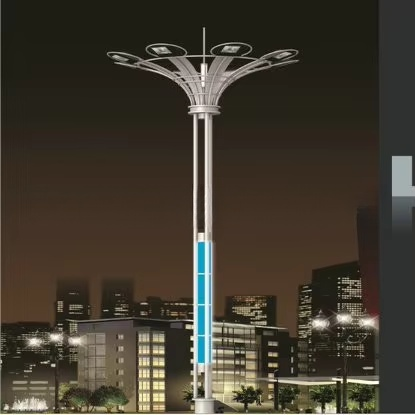
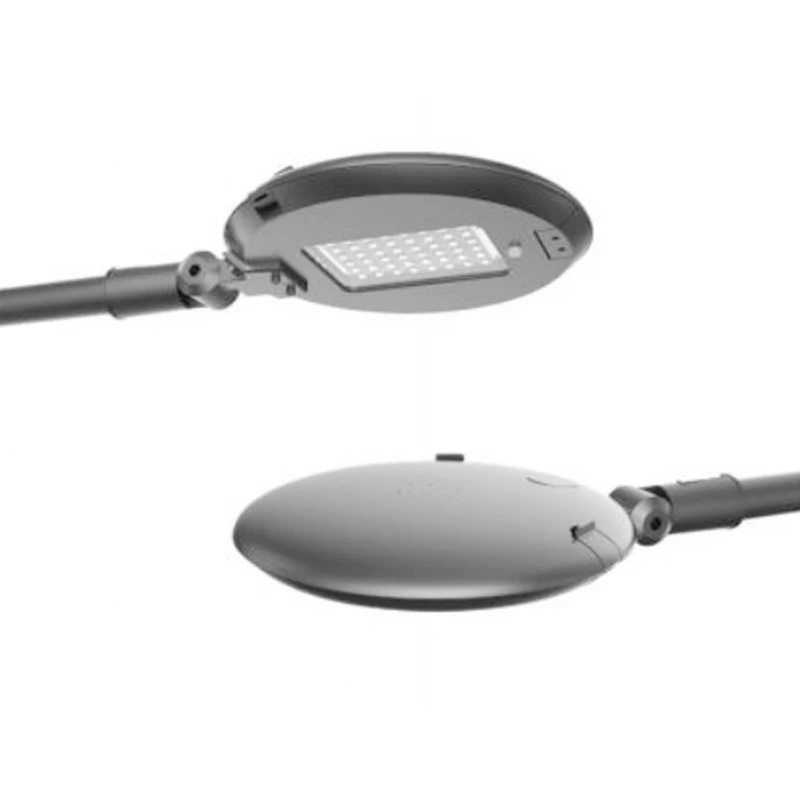
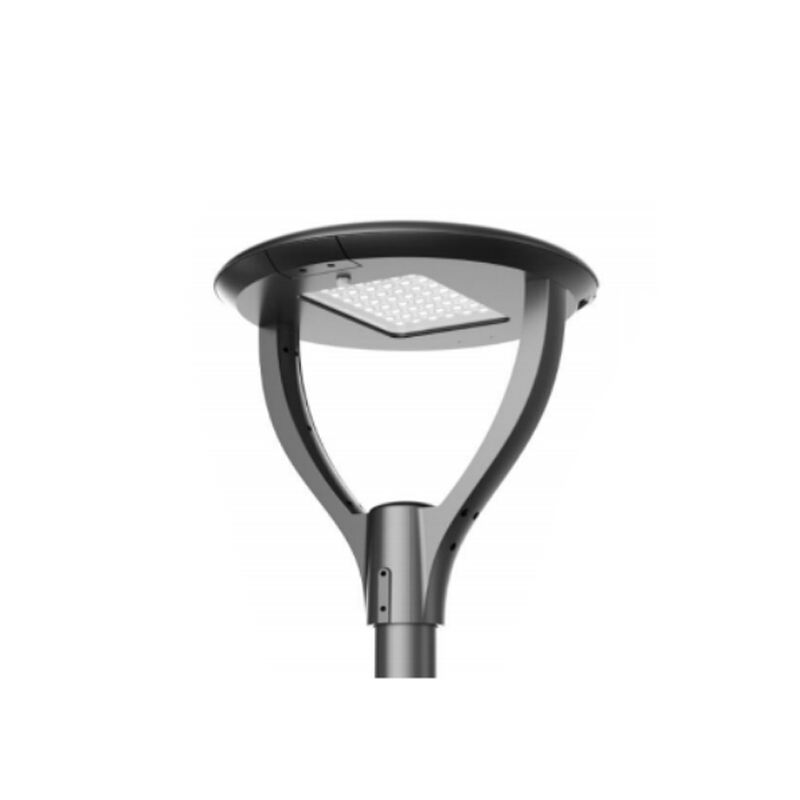
street light fixtures
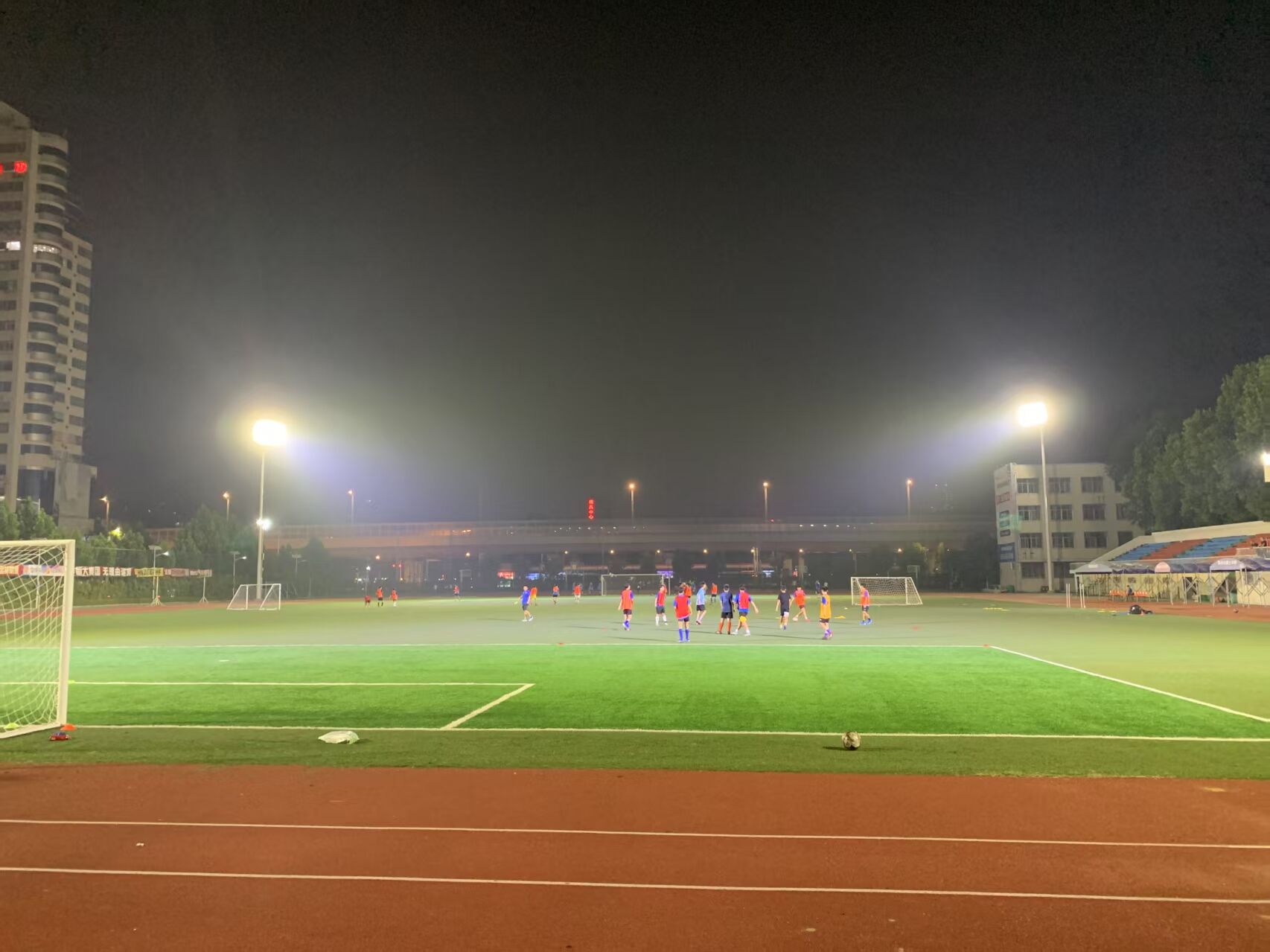
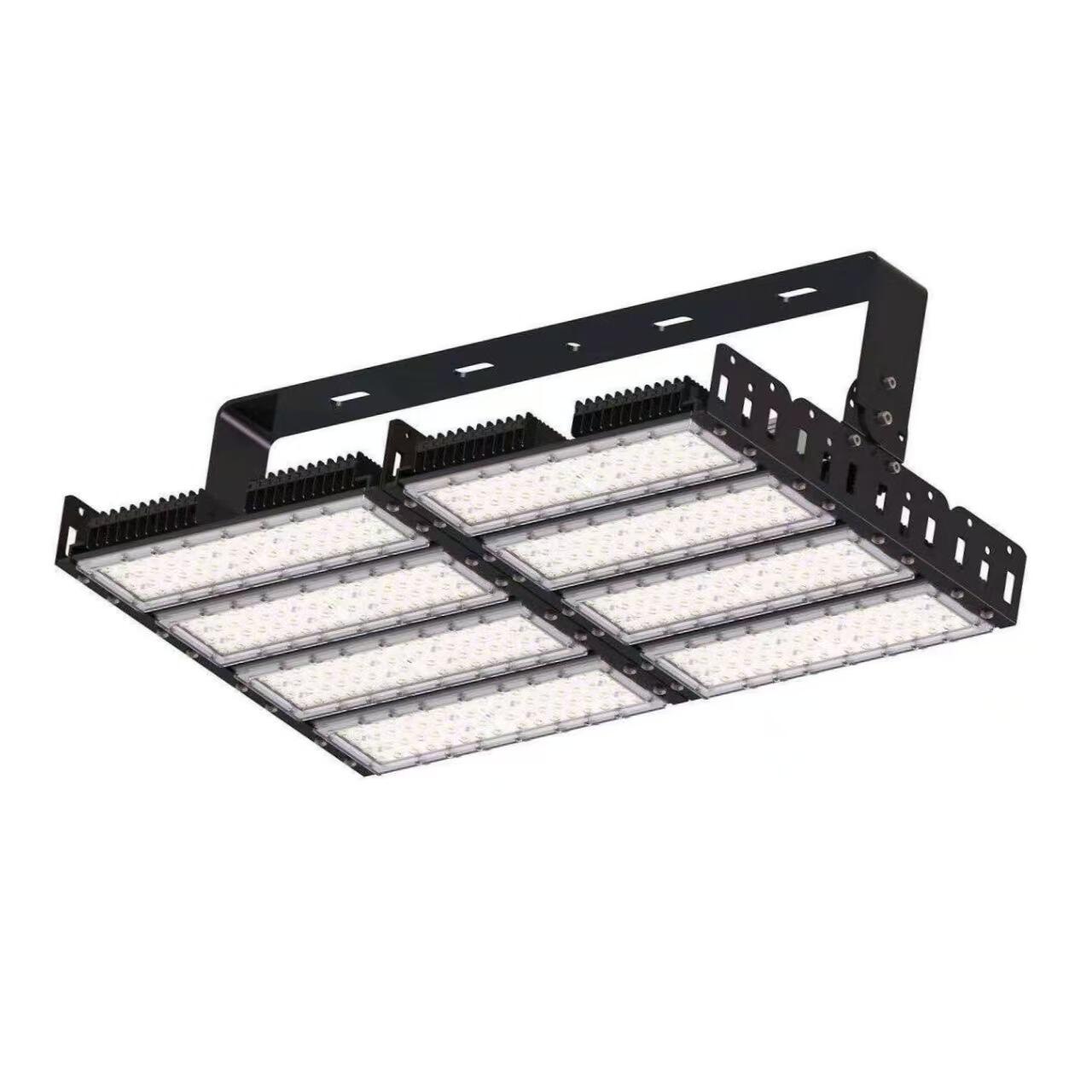
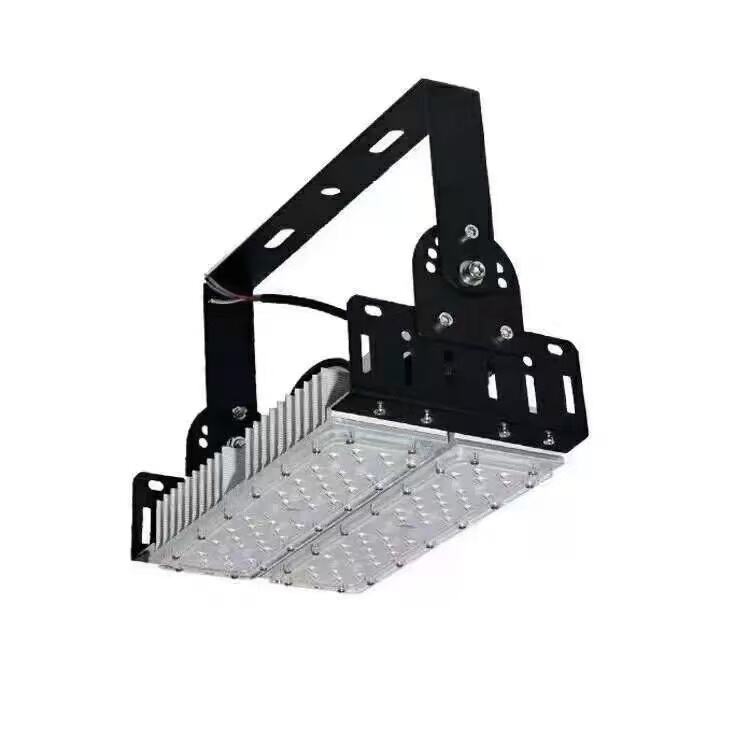
Street light fixtures represent the backbone of modern urban illumination infrastructure, serving as essential components that provide safety, security, and visibility throughout communities worldwide. These sophisticated lighting systems combine advanced engineering with practical design to deliver reliable nighttime illumination across roads, sidewalks, parking areas, and public spaces. Modern street light fixtures integrate cutting-edge LED technology, smart control systems, and durable construction materials to create energy-efficient solutions that significantly reduce operational costs while enhancing public safety. The primary functions of street light fixtures extend beyond basic illumination, encompassing crime prevention through consistent lighting coverage, traffic safety enhancement by improving driver visibility, and pedestrian protection by eliminating dark zones along walkways. Contemporary street light fixtures incorporate intelligent sensors that automatically adjust brightness levels based on ambient conditions, motion detection capabilities that increase illumination when pedestrians or vehicles approach, and wireless connectivity that enables remote monitoring and maintenance scheduling. These fixtures typically feature robust aluminum or steel housing designed to withstand harsh weather conditions, vandalism, and environmental factors while maintaining optimal performance for decades. The technological architecture of modern street light fixtures includes advanced LED arrays that produce uniform light distribution, preventing glare while maximizing coverage efficiency. Heat management systems within these fixtures ensure consistent performance and extended lifespan by maintaining optimal operating temperatures. Weather-resistant sealing protects internal components from moisture, dust, and corrosive elements, while photocells and timer systems provide automated operation cycles. Street light fixtures find applications across diverse environments including residential neighborhoods, commercial districts, industrial complexes, highway systems, park facilities, and educational campuses, adapting to specific lighting requirements through customizable mounting options, varied light output levels, and specialized optical designs that optimize illumination patterns for different usage scenarios.

 EN
EN