white street lights
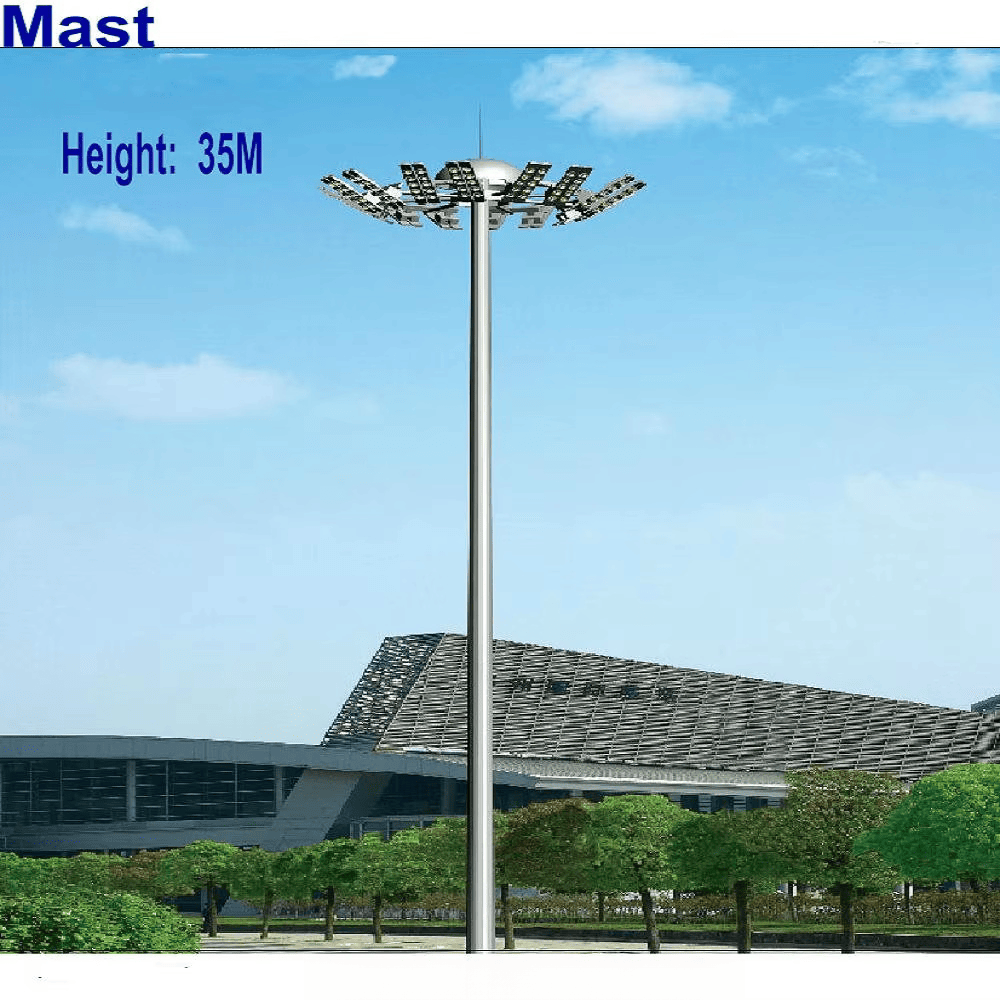
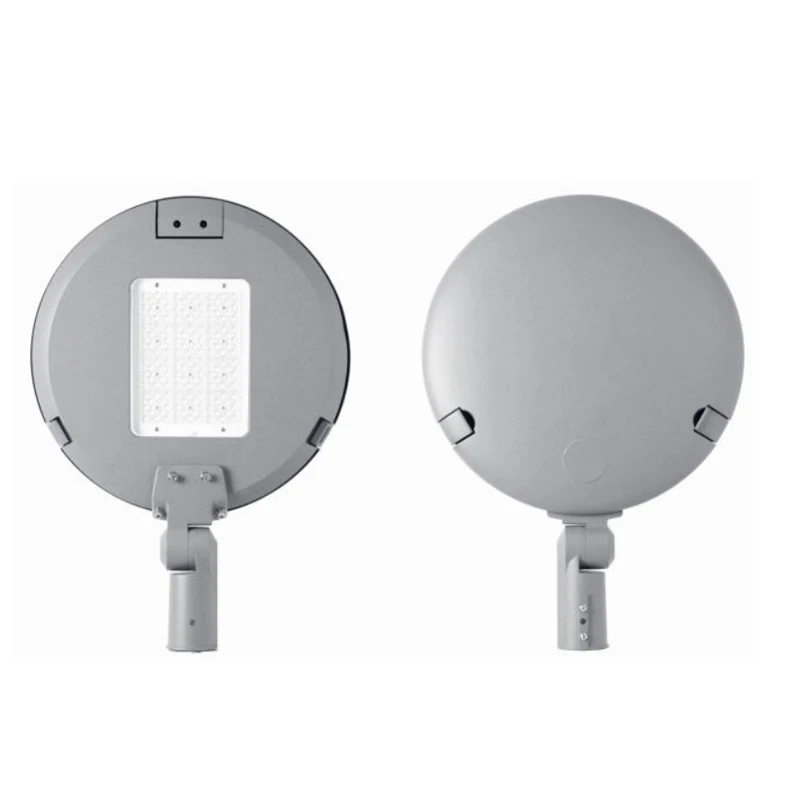
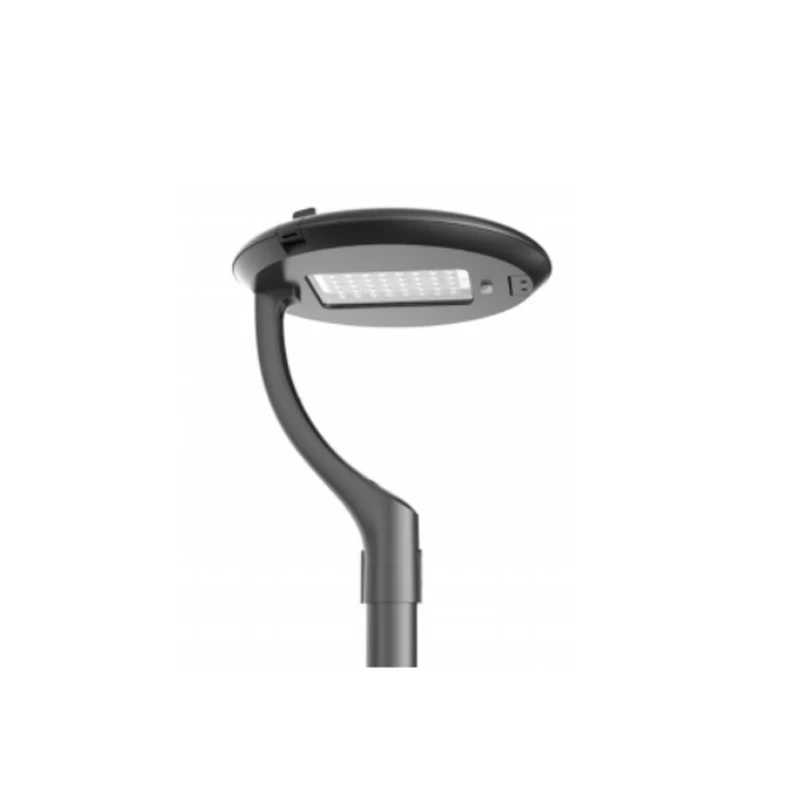
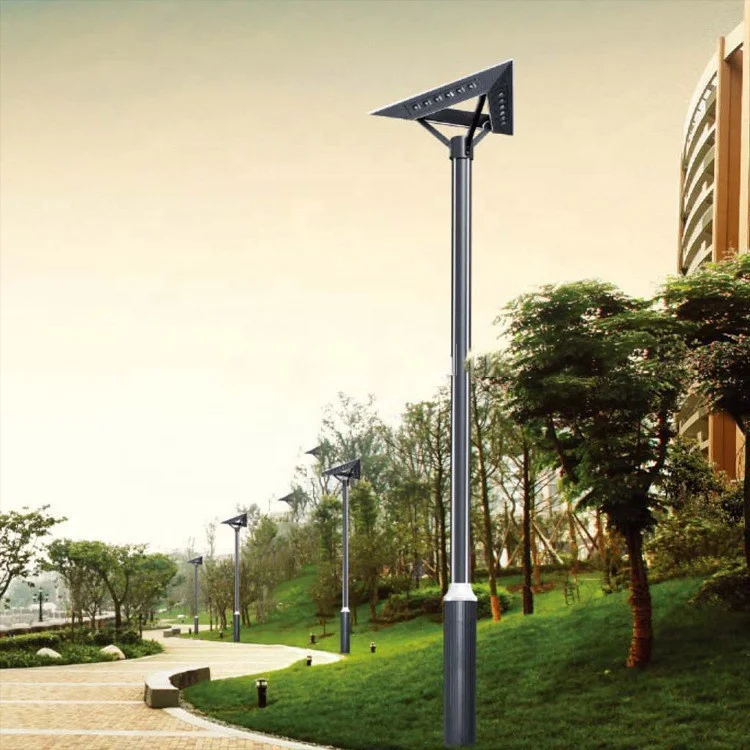
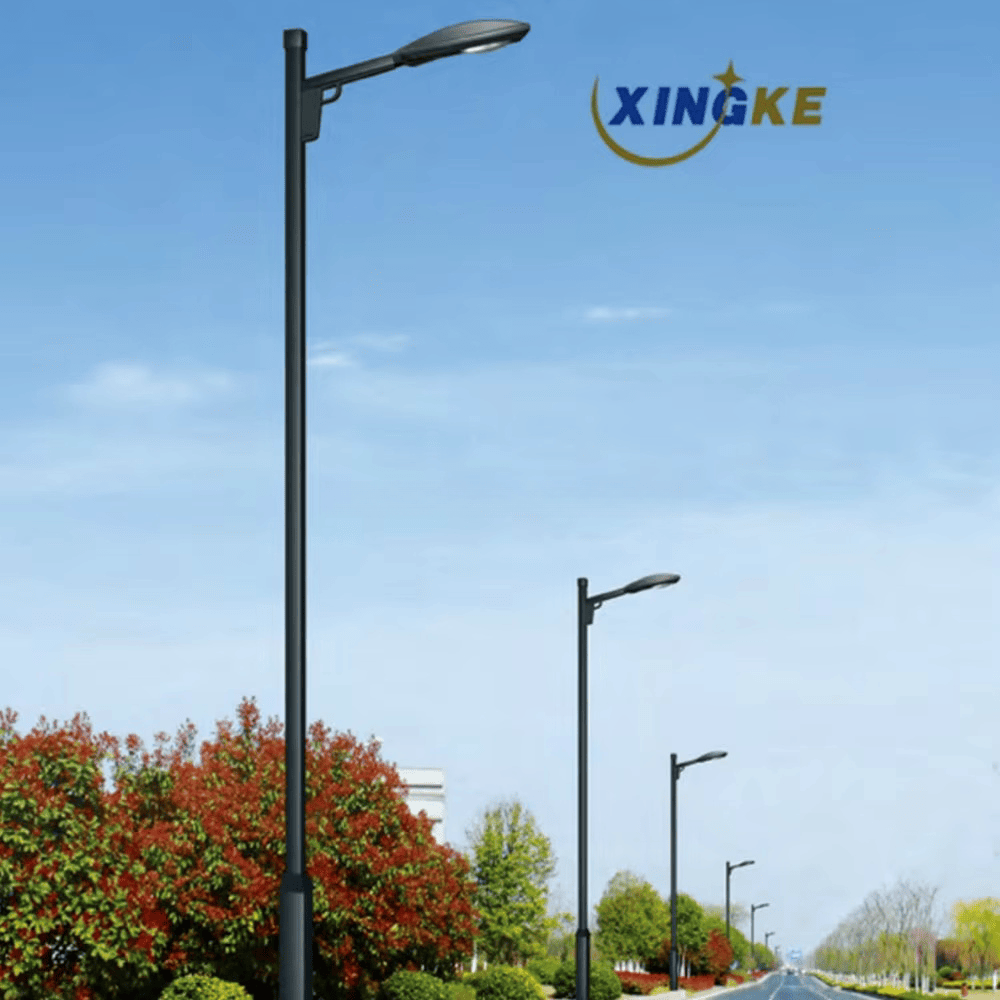
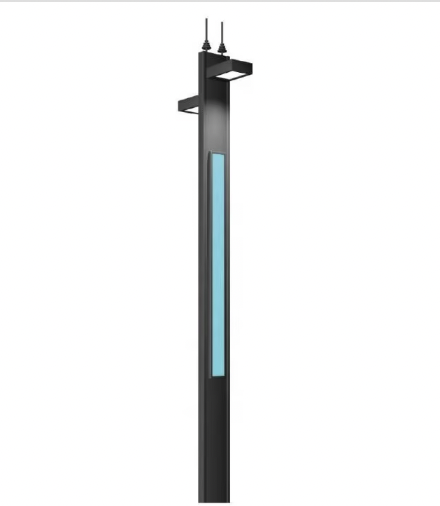
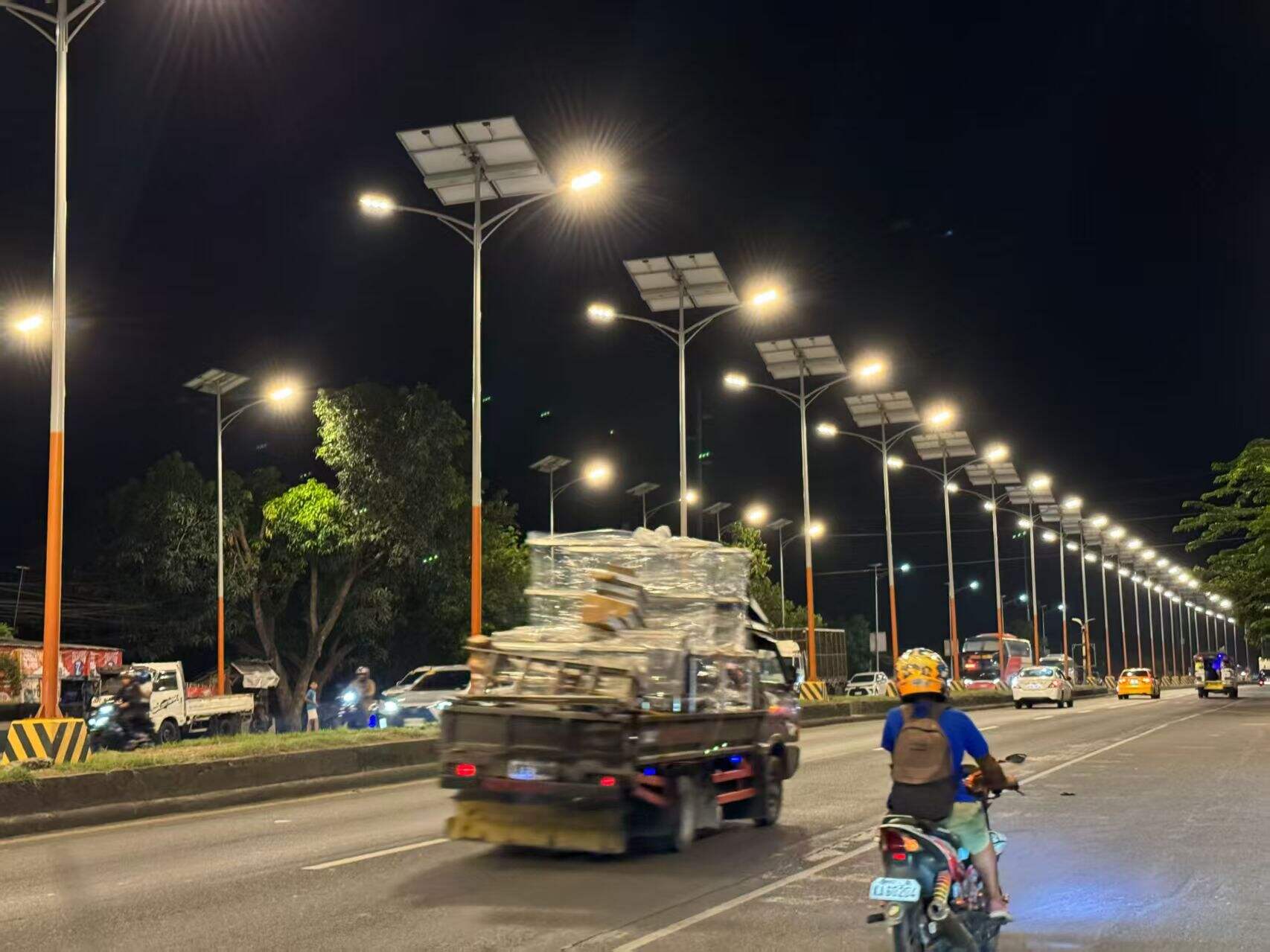
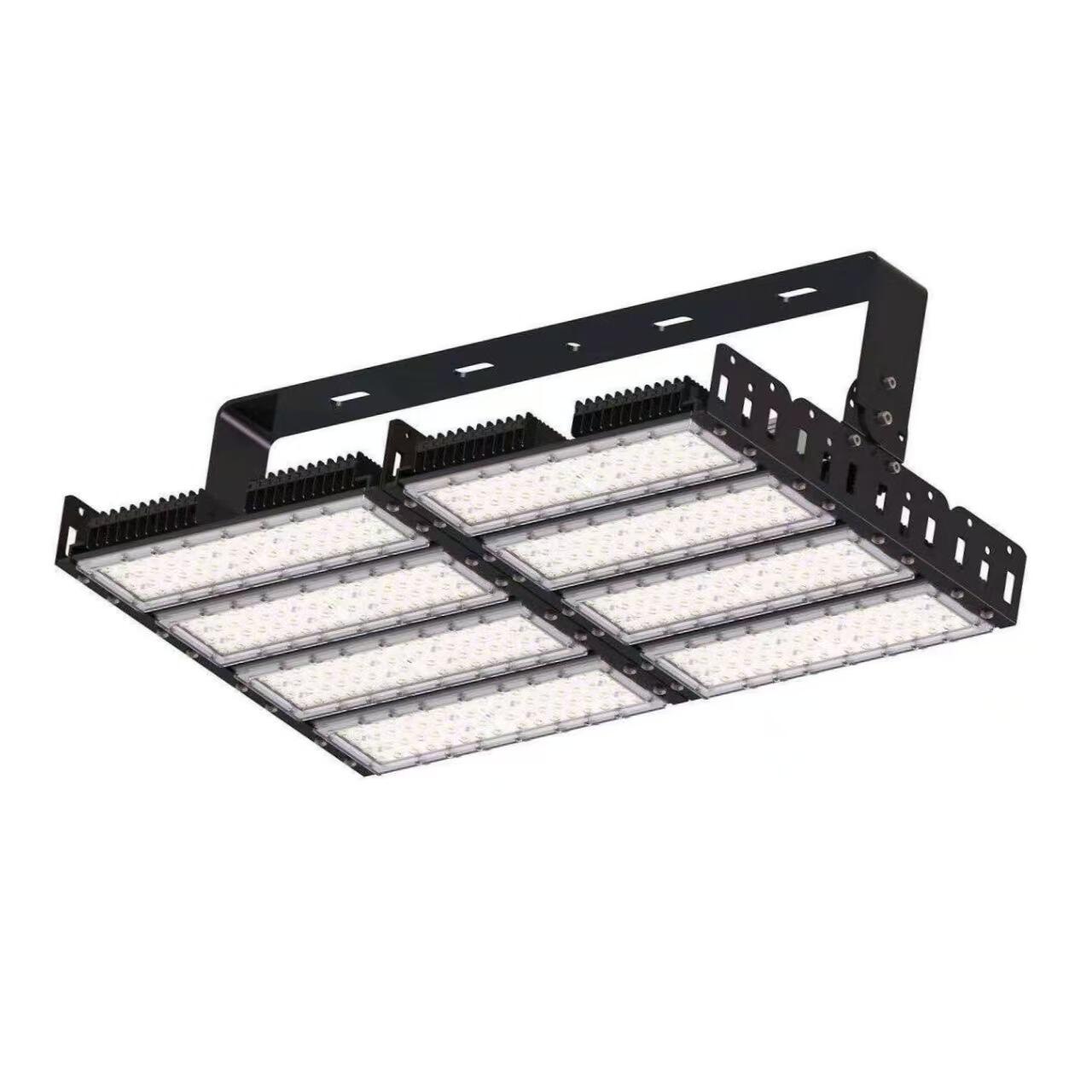
White street lights represent a revolutionary advancement in urban illumination technology, offering municipalities and property developers an efficient solution for outdoor lighting needs. These sophisticated lighting systems utilize LED technology combined with specialized color temperature control to produce clean, bright white light that enhances visibility and safety in public spaces. The main function of white street lights centers on providing consistent, high-quality illumination for roadways, sidewalks, parking areas, and commercial districts while maintaining energy efficiency and operational longevity. Modern white street lights incorporate advanced optical designs that distribute light evenly across designated areas, minimizing dark spots and creating uniform brightness patterns. The technological features of these lighting systems include intelligent dimming capabilities, motion sensors, and smart grid connectivity that allows remote monitoring and control. Many white street lights feature modular designs with replaceable components, making maintenance more cost-effective and environmentally sustainable. The color rendering index of quality white street lights typically ranges from 70 to 90, ensuring accurate color perception for enhanced safety and security. Applications for white street lights span numerous environments including residential neighborhoods, commercial complexes, industrial facilities, educational campuses, and recreational areas. These versatile lighting solutions adapt to various mounting configurations including pole-mounted, wall-mounted, and suspended installations. The durability of white street lights makes them suitable for harsh weather conditions, with many models featuring IP65 or higher ingress protection ratings. Advanced thermal management systems prevent overheating and extend operational lifespan, while integrated surge protection safeguards against electrical damage. White street lights often incorporate photocells for automatic day-night operation and can integrate with existing smart city infrastructure for comprehensive urban lighting management.

 EN
EN