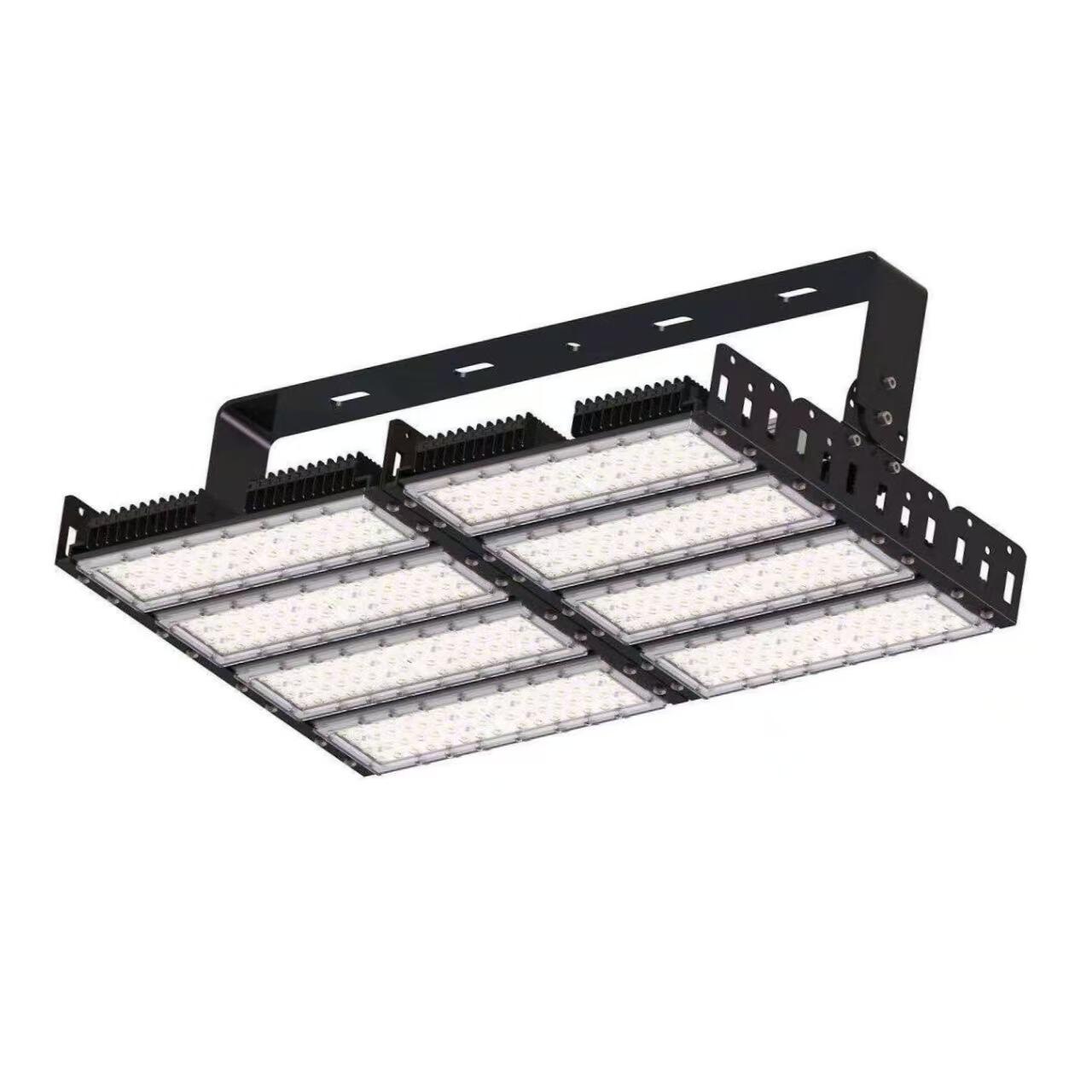
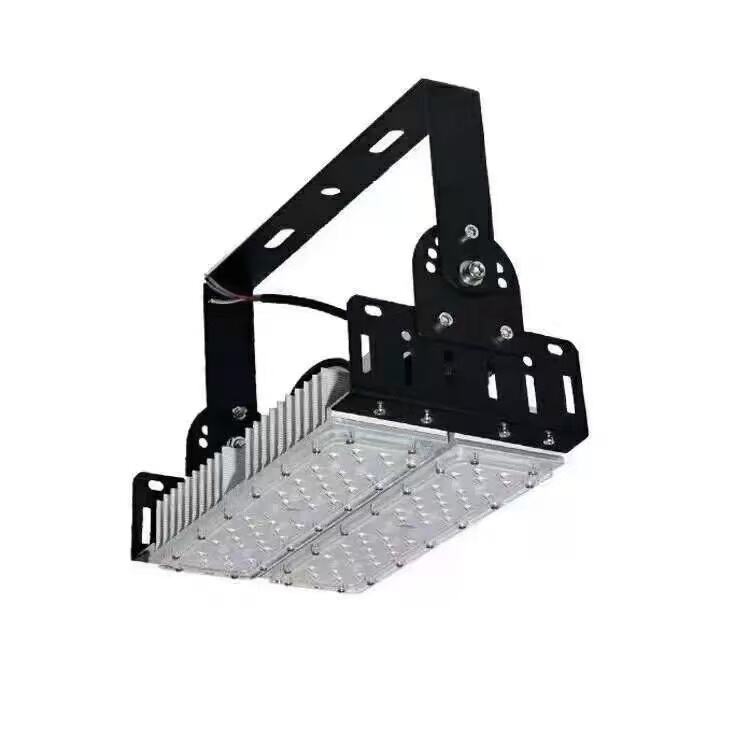
Premium Residential Street Lights - Energy-Efficient LED Lighting Solutions for Safer Neighborhoods

All Categories

residential street lights

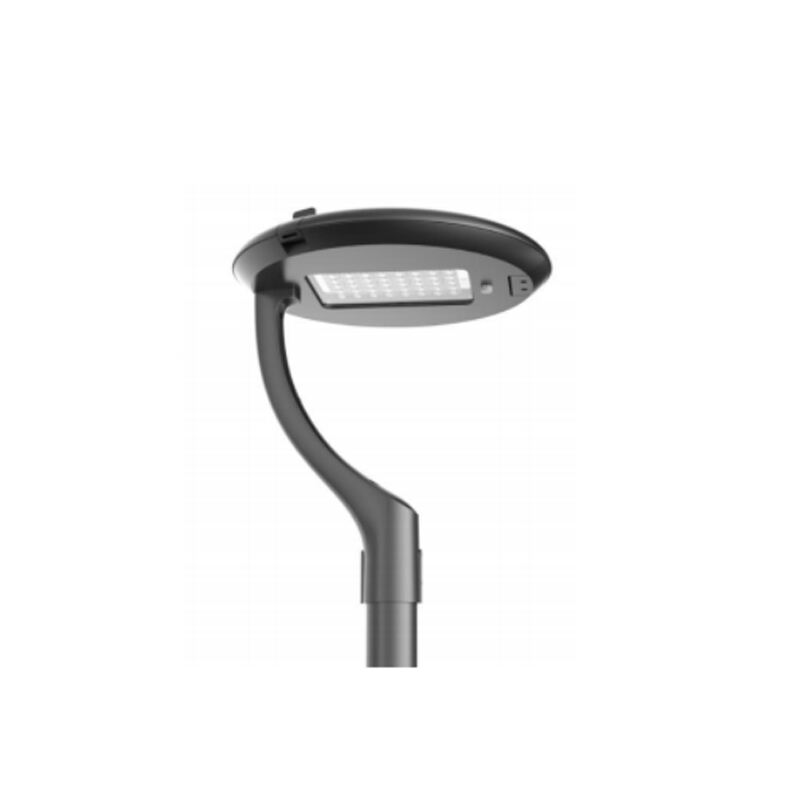
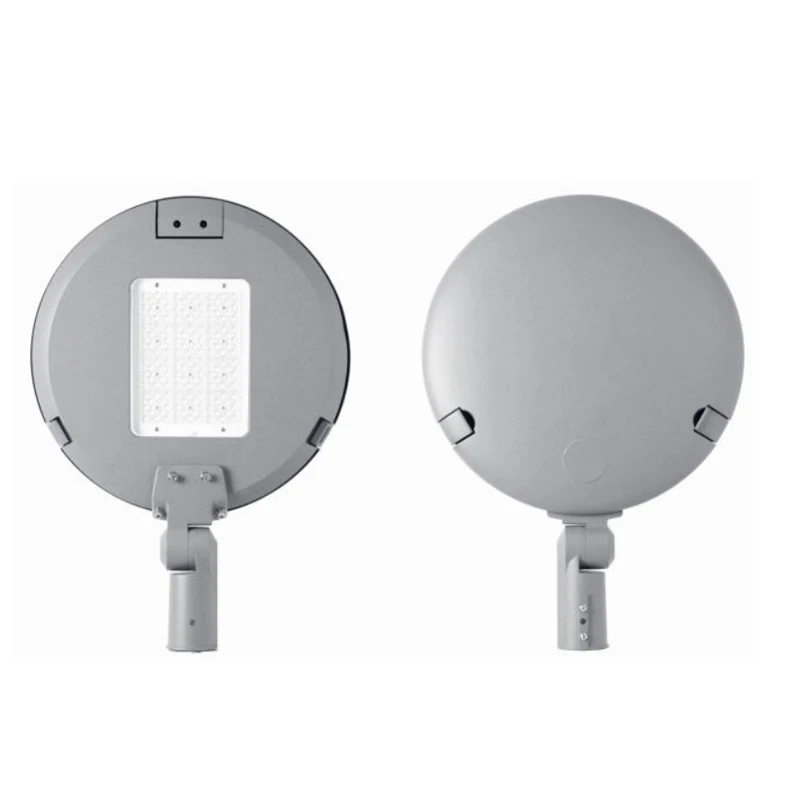
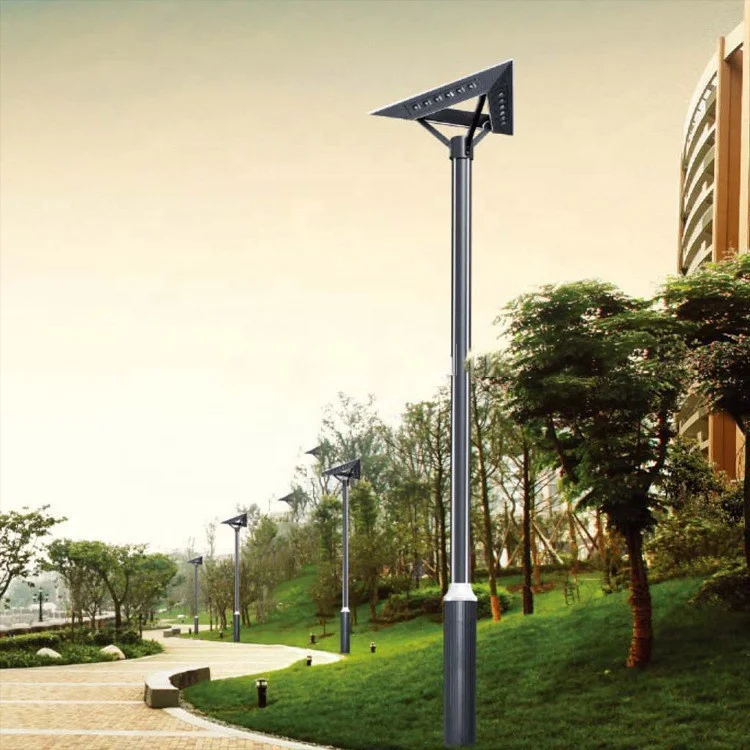
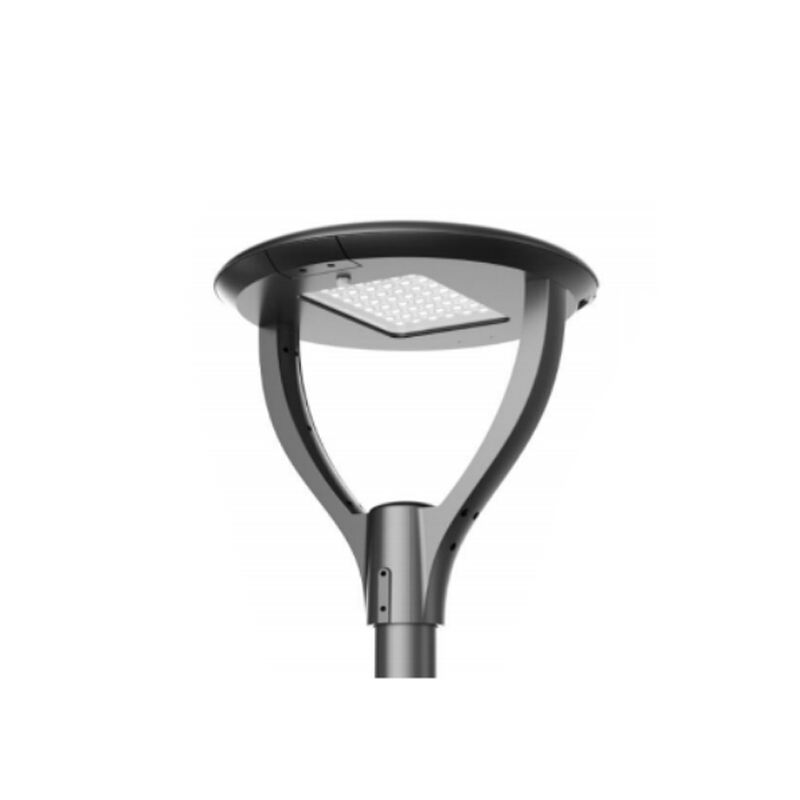
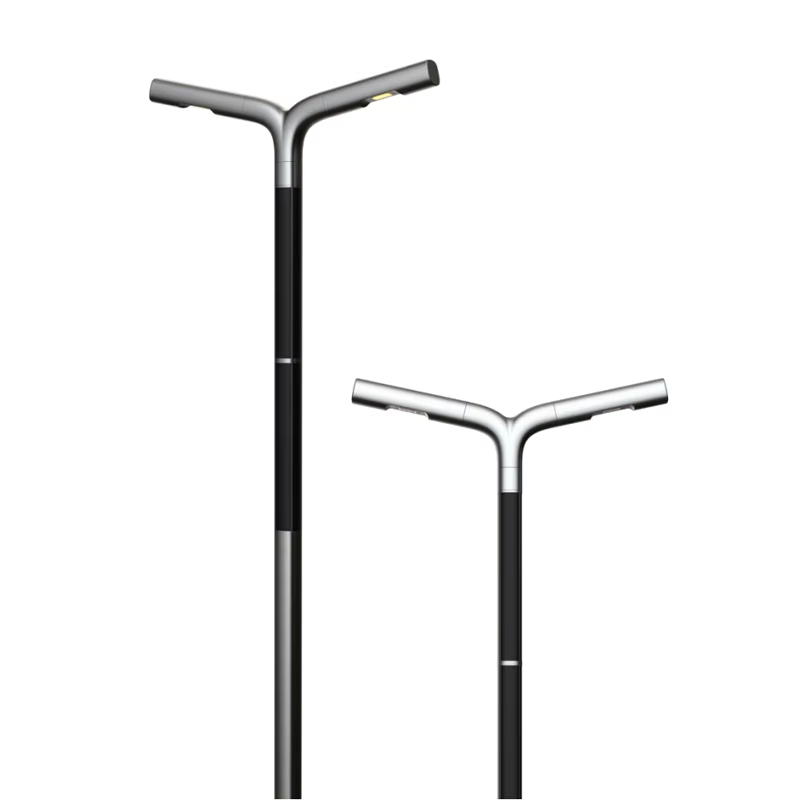
Residential street lights serve as essential infrastructure components that illuminate neighborhood roads, sidewalks, and public spaces during nighttime hours. These lighting systems play a crucial role in enhancing safety, security, and visibility for pedestrians, cyclists, and motorists within residential communities. Modern residential street lights incorporate advanced LED technology, smart controls, and energy-efficient designs that significantly reduce power consumption while delivering superior illumination quality. The primary functions of residential street lights include providing consistent lighting coverage across residential areas, deterring criminal activities through improved visibility, and creating safer navigation conditions for all community members. These lighting solutions feature sophisticated photocell sensors that automatically activate the lights at dusk and deactivate them at dawn, ensuring optimal energy management without manual intervention. Contemporary residential street lights utilize high-efficiency LED modules that produce bright, uniform light distribution while consuming substantially less electricity compared to traditional lighting technologies. The technological features encompass weather-resistant housing materials, corrosion-proof aluminum or steel construction, and IP65 waterproof ratings that guarantee reliable performance under various environmental conditions. Many residential street lights now integrate smart connectivity options, allowing remote monitoring, dimming capabilities, and maintenance scheduling through wireless communication systems. Applications for residential street lights extend beyond basic illumination to include decorative lighting that enhances neighborhood aesthetics, emergency lighting during power outages when equipped with backup battery systems, and adaptive lighting that adjusts brightness levels based on traffic patterns or time schedules. The installation of residential street lights contributes significantly to property value enhancement, community pride, and overall quality of life improvements. These lighting systems are designed to complement residential architecture while providing functional benefits that meet municipal lighting standards and homeowner association requirements.


Popular Products

Residential street lights deliver substantial energy savings that directly translate into reduced electricity costs for municipalities and homeowners' associations. The LED technology used in modern residential street lights consumes up to 70 percent less energy than conventional lighting systems while producing brighter, more consistent illumination. This dramatic reduction in power consumption results in significant long-term cost savings and supports environmental sustainability initiatives within residential communities. The enhanced safety benefits of residential street lights cannot be overstated, as proper illumination dramatically reduces accident rates, prevents criminal activities, and creates secure environments for evening activities such as walking, jogging, or cycling. Well-lit residential streets provide clear visibility of potential hazards, improve driver reaction times, and enable pedestrians to navigate sidewalks and crosswalks with confidence during dark hours. Property values in neighborhoods with comprehensive residential street lights typically increase by 5 to 15 percent compared to poorly lit areas, making these installations valuable investments for community development. The extended lifespan of residential street lights, particularly LED models, provides exceptional value through reduced maintenance requirements and replacement costs. Quality residential street lights operate effectively for 15 to 20 years with minimal maintenance, eliminating frequent bulb changes and reducing labor expenses associated with traditional lighting systems. Smart controls integrated into advanced residential street lights enable automated operation, remote monitoring, and customizable lighting schedules that optimize performance based on seasonal changes and community needs. These intelligent features allow for proactive maintenance scheduling, real-time performance monitoring, and energy usage optimization that maximizes operational efficiency. The weather resistance and durability of residential street lights ensure consistent performance throughout harsh weather conditions, including heavy rain, snow, extreme temperatures, and high winds. Professional-grade residential street lights feature robust construction materials and protective coatings that prevent corrosion, fading, and structural deterioration over extended periods. Environmental benefits include reduced carbon emissions, decreased light pollution through directed illumination, and compliance with dark-sky regulations that protect local ecosystems. The quick installation process and compatibility with existing infrastructure make residential street lights practical solutions for community improvement projects with minimal disruption to daily activities.

Practical Tips

We can turn your design into a product, one-to-one customization

28

Nov

We can turn your design into a product, one-to-one customization

Definition and Core Principles When companies talk about one-on-one product customization, they're basically referring to making stuff exactly how customers want it. The whole idea centers around letting people specify every detail according to what...
View More
How to Choose the Right Street Light for Your Needs

28

Nov

How to Choose the Right Street Light for Your Needs

Understanding Street Light Requirements Based on Environment Lumen Needs for Different Areas: Residential vs. Highways Getting the right amount of light from street lamps matters a lot when it comes to proper illumination in different places like ne...
View More
Choosing Street Lights for Maximum Efficiency

28

Nov

Choosing Street Lights for Maximum Efficiency

Understanding Street Light Efficiency The Role of Energy-Efficient Lighting in Urban Planning Cities around the world are seeing changes as they adopt energy efficient street lights that make neighborhoods safer while looking better too. When planne...
View More
What Are the Lifespan and ROI of Solar Street Lights

02

Dec

What Are the Lifespan and ROI of Solar Street Lights

Solar street lights have emerged as a transformative technology in modern urban infrastructure, offering municipalities and property developers a sustainable lighting solution that combines environmental responsibility with long-term economic benefit...
View More

Get a Free Quote

Our representative will contact you soon.
Email
Name
Company Name
Message
0/1000

residential street lights

Advanced LED Technology for Maximum Energy Efficiency

Advanced LED Technology for Maximum Energy Efficiency

Modern residential street lights incorporate cutting-edge LED technology that revolutionizes energy consumption and illumination quality in residential neighborhoods. This advanced lighting technology delivers exceptional energy efficiency by converting over 90 percent of electrical energy into visible light, compared to traditional incandescent bulbs that waste approximately 80 percent of energy as heat. The LED modules used in residential street lights produce superior light output measured in lumens per watt, providing brighter illumination while consuming significantly less electricity. This remarkable efficiency translates into substantial cost savings for communities, with typical energy reductions ranging from 60 to 80 percent compared to conventional lighting systems. The LED technology in residential street lights features precision-engineered optics that distribute light evenly across roadways and sidewalks, eliminating dark spots and creating uniform illumination patterns that enhance visibility and safety. These advanced LED systems maintain consistent color temperature and brightness levels throughout their operational lifespan, ensuring reliable performance without the gradual dimming associated with older lighting technologies. The thermal management systems integrated into LED residential street lights effectively dissipate heat, preventing component degradation and extending operational life to 50,000 hours or more. This exceptional longevity means residential street lights can operate continuously for over 15 years before requiring replacement, dramatically reducing maintenance costs and service interruptions. The instant-on capability of LED residential street lights provides immediate full brightness without warm-up periods, ensuring optimal illumination when motion sensors or smart controls activate the lighting. Environmental benefits include reduced carbon footprint, lower greenhouse gas emissions, and decreased strain on electrical grid systems during peak demand periods. The directional nature of LED light output in residential street lights minimizes light pollution and glare while focusing illumination where needed most, creating safer environments without disturbing nearby residents or wildlife.
Smart Control Systems for Automated Operation and Monitoring

Smart Control Systems for Automated Operation and Monitoring

Contemporary residential street lights feature sophisticated smart control systems that enable automated operation, remote monitoring, and adaptive lighting management tailored to community needs and preferences. These intelligent control systems incorporate advanced photocell sensors that accurately detect ambient light levels, automatically activating residential street lights at dusk and deactivating them at dawn without manual intervention. The precision of these sensors ensures optimal energy usage by preventing unnecessary operation during daylight hours while guaranteeing reliable illumination throughout nighttime periods. Smart residential street lights can integrate with centralized management platforms that allow municipal authorities or community managers to monitor performance, adjust settings, and receive maintenance alerts from remote locations. This connectivity enables proactive maintenance scheduling, reducing service calls and preventing lighting failures that could compromise neighborhood safety. Advanced dimming capabilities in smart residential street lights allow for customized brightness levels based on time schedules, traffic patterns, or seasonal requirements, further optimizing energy consumption while maintaining adequate illumination for safety purposes. Motion detection sensors can be incorporated into residential street lights to provide enhanced brightness when pedestrians, cyclists, or vehicles are detected, then return to standard levels during periods of inactivity. This adaptive lighting approach maximizes energy savings while ensuring full illumination when needed most for safety and security. The wireless communication capabilities of smart residential street lights enable integration with broader smart city initiatives, allowing coordination with other infrastructure systems such as traffic management, emergency services, and environmental monitoring. Data collection features provide valuable insights into usage patterns, energy consumption trends, and performance metrics that support informed decision-making for community planning and infrastructure investments. Remote diagnostic capabilities allow technicians to identify potential issues before they result in complete failures, enabling preventive maintenance that extends system lifespan and reduces emergency repair costs. The user-friendly interfaces of smart control systems make it easy for community managers to adjust settings, create custom lighting schedules, and generate detailed reports on system performance and energy usage.
Weather-Resistant Design for Long-Term Reliability

Weather-Resistant Design for Long-Term Reliability

Residential street lights feature robust weather-resistant designs engineered to withstand harsh environmental conditions while maintaining consistent performance and structural integrity over extended operational periods. The housing materials used in quality residential street lights typically consist of marine-grade aluminum or galvanized steel with specialized protective coatings that prevent corrosion, rust, and degradation from exposure to moisture, salt air, and chemical pollutants. These durable construction materials ensure residential street lights continue operating effectively in coastal environments, industrial areas, and regions with extreme weather variations. The IP65 or IP66 waterproof ratings standard in professional residential street lights guarantee complete protection against water ingress, dust penetration, and environmental contaminants that could damage internal components or compromise electrical safety. Tempered glass or polycarbonate lens covers provide impact resistance against vandalism, falling debris, and severe weather events while maintaining optical clarity for optimal light transmission. The sealed construction of residential street lights prevents moisture accumulation inside fixtures, eliminating the risk of short circuits, component corrosion, and performance degradation that plague inferior lighting systems. Advanced thermal management features including heat sinks and ventilation systems regulate internal temperatures, preventing overheating that could reduce LED lifespan or cause premature component failure. Wind load resistance testing ensures residential street lights can withstand hurricane-force winds and extreme weather events without structural failure or safety hazards. The powder-coating finishes applied to residential street lights provide fade resistance against UV radiation, maintaining aesthetic appearance while protecting underlying materials from environmental degradation. Flexible mounting systems accommodate thermal expansion and contraction cycles without creating stress points that could lead to mechanical failure or misalignment. Quality residential street lights undergo rigorous testing protocols including salt spray exposure, thermal cycling, vibration resistance, and impact testing to verify long-term reliability under real-world conditions. The modular design of many residential street lights allows for component replacement and upgrades without complete fixture replacement, extending service life and protecting initial investments. Surge protection circuits safeguard residential street lights against electrical damage from lightning strikes and power grid fluctuations, ensuring continued operation even during severe storms and electrical disturbances.

Get a Free Quote

Our representative will contact you soon.
Email
Name
Company Name
Message
0/1000