Revolutionary New Street Lights: Advanced LED Technology for Smart Urban Lighting Solutions

All Categories

new street lights

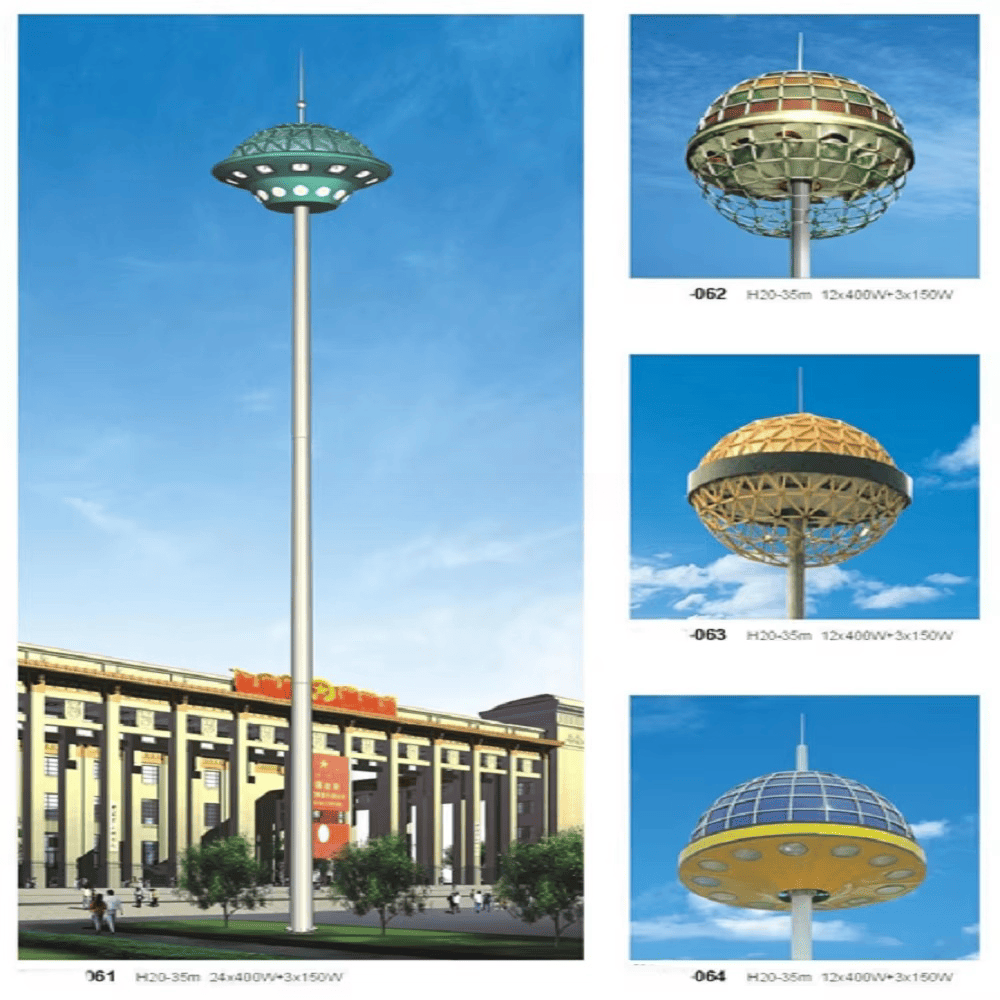
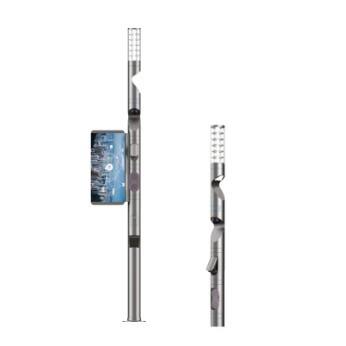
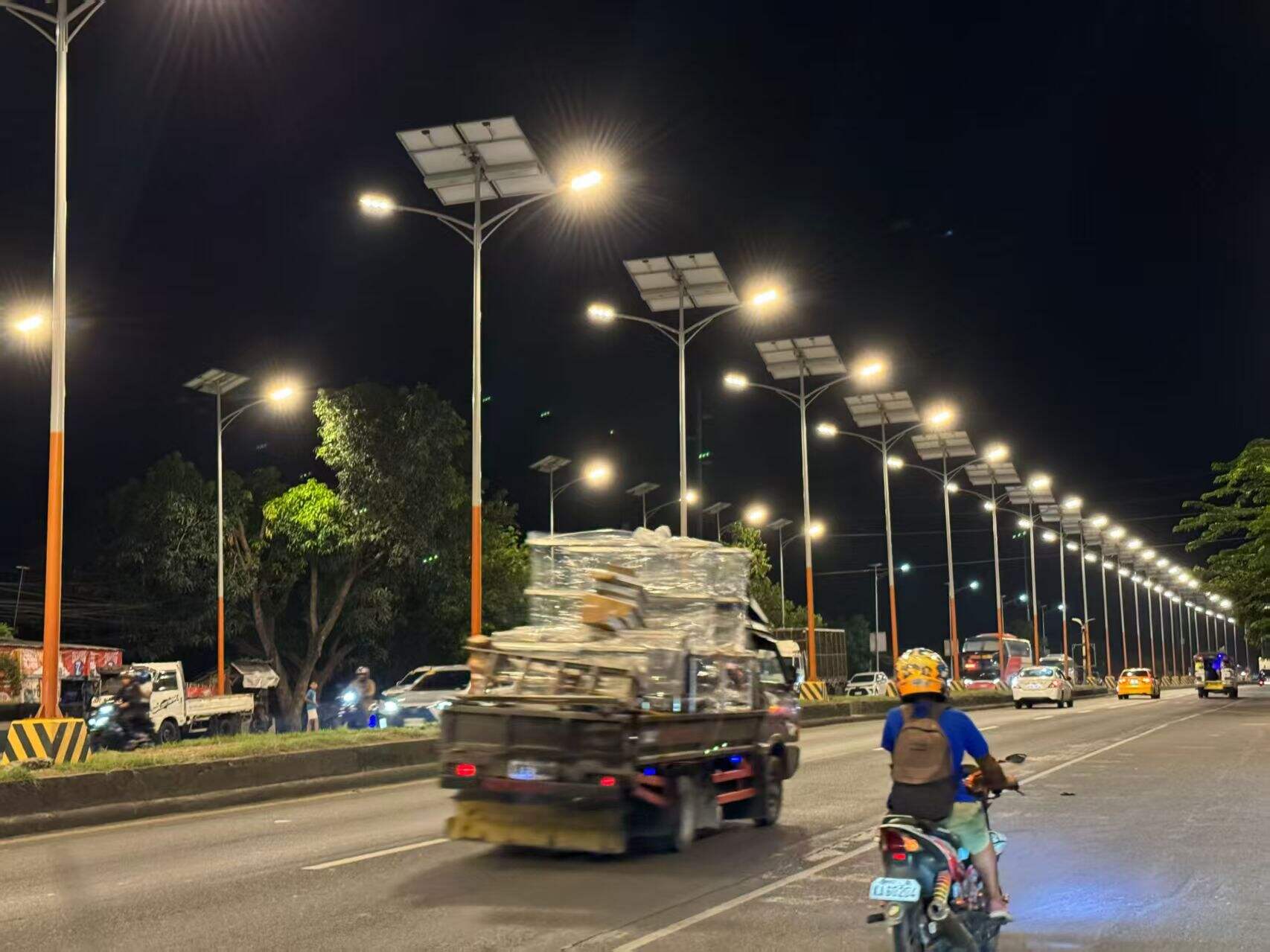
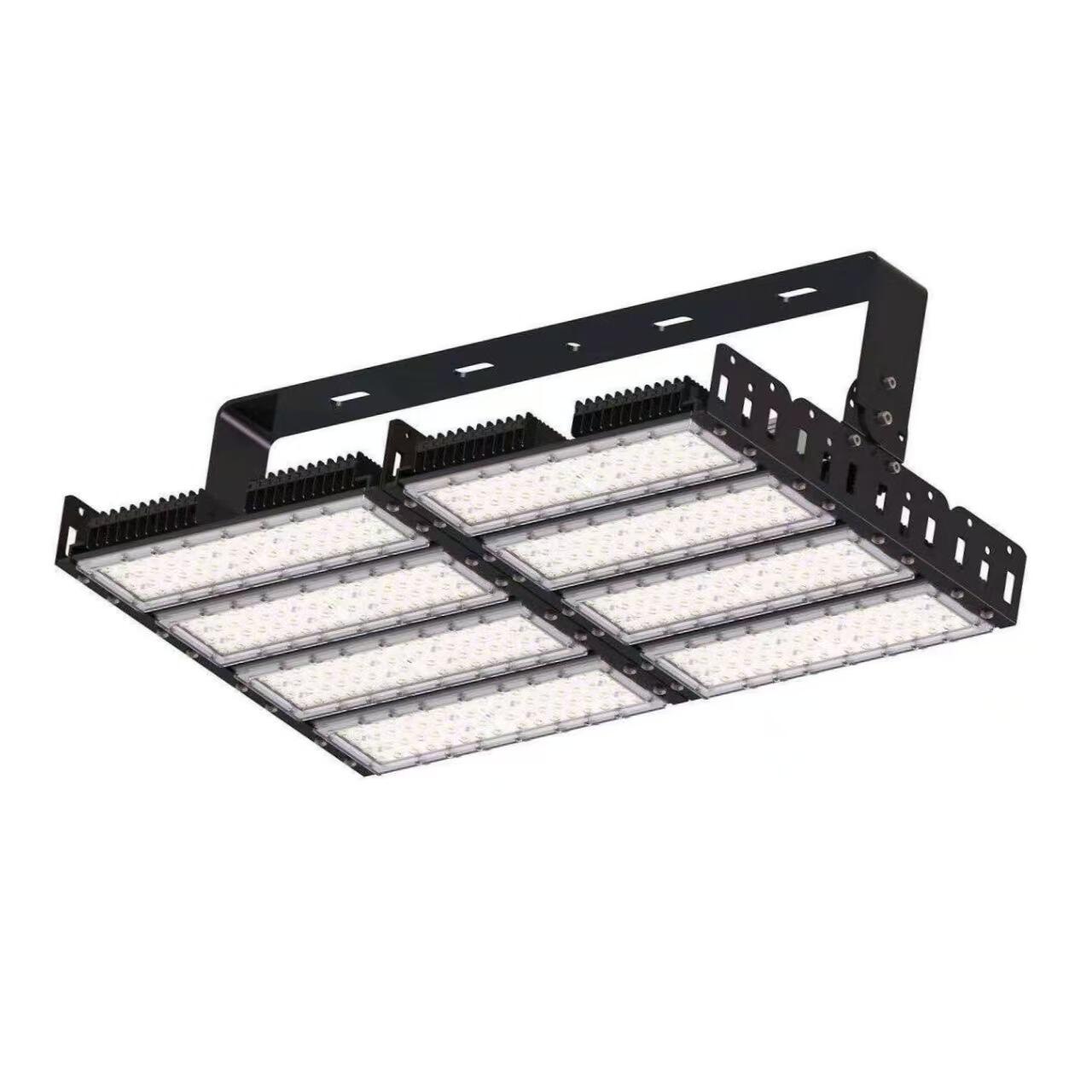
The new street lights represent a revolutionary advancement in urban illumination technology, designed to transform how communities approach public lighting infrastructure. These cutting-edge fixtures combine energy-efficient LED technology with intelligent control systems, creating a comprehensive solution that addresses modern urban challenges. The primary functions of these new street lights extend far beyond traditional illumination, incorporating adaptive brightness controls, motion detection capabilities, and remote monitoring systems that optimize performance based on real-time conditions. At their core, these new street lights utilize high-performance LED arrays that deliver superior luminosity while consuming significantly less energy than conventional alternatives. The technological features include integrated sensors that automatically adjust brightness levels based on ambient conditions, pedestrian traffic, and time of day. Smart connectivity enables remote diagnostics, maintenance scheduling, and performance monitoring through centralized management platforms. The new street lights incorporate weather-resistant housing constructed from durable materials that withstand harsh environmental conditions, ensuring consistent operation across diverse climates. Advanced optical design maximizes light distribution while minimizing glare, creating safer pedestrian and vehicular environments. Applications for these new street lights span residential neighborhoods, commercial districts, industrial areas, parking facilities, and recreational spaces. Municipal governments benefit from reduced maintenance costs and improved energy efficiency, while businesses appreciate enhanced security and aesthetic appeal. The modular design of these new street lights allows for customizable configurations that meet specific installation requirements, whether for historic districts requiring traditional appearances or modern developments demanding contemporary styling. Environmental sensors integrated into select models can monitor air quality, noise levels, and weather conditions, transforming new street lights into comprehensive urban data collection points that support smart city initiatives.

New Products

The advantages of new street lights deliver measurable benefits that directly impact operational costs, safety standards, and environmental sustainability. Energy savings represent the most immediate advantage, with LED technology consuming up to seventy-five percent less electricity than traditional sodium vapor or mercury lamps. This dramatic reduction translates to substantial cost savings for municipalities and property owners, with typical payback periods ranging from three to five years. The extended lifespan of new street lights provides another significant advantage, lasting twenty-five to thirty years compared to two to five years for conventional bulbs. This longevity reduces replacement frequency, minimizes maintenance disruptions, and decreases labor costs associated with ongoing upkeep. Enhanced safety features built into new street lights create safer environments for pedestrians and drivers through improved visibility and consistent illumination patterns. Motion sensors activate full brightness when activity is detected, conserving energy during low-traffic periods while ensuring adequate lighting when needed. Remote monitoring capabilities allow maintenance teams to identify potential issues before complete failures occur, preventing dangerous dark spots and reducing emergency service calls. The environmental advantages of new street lights contribute to reduced carbon footprints through lower energy consumption and decreased manufacturing waste from frequent bulb replacements. Many models incorporate recyclable materials and conflict-free components, supporting sustainable procurement practices. Smart controls enable dynamic lighting schedules that align with seasonal changes, special events, or emergency situations without requiring physical access to individual fixtures. Installation advantages include compatibility with existing pole infrastructure in many cases, reducing retrofit costs and construction disruptions. The new street lights often feature tool-free maintenance access, allowing faster service procedures and reduced labor requirements. Weather resistance ensures reliable performance across temperature extremes, moisture exposure, and UV degradation that typically affect traditional lighting systems. Cost predictability improves through stable energy consumption patterns and reduced maintenance variability, enabling better budget planning for facilities managers and municipal departments. Property values often increase in areas with upgraded lighting infrastructure, as new street lights enhance curb appeal and perceived safety levels.

Practical Tips

Top 10 Questions to Ask When Buying Solar Street Lights.

28

Nov

Top 10 Questions to Ask When Buying Solar Street Lights.

What Are the Key Components of Solar Street Lights Understanding Solar Panels and Battery Types Most solar street lights rely on solar panels paired with batteries for capturing and storing energy. When looking at available options, there are basica...
View More
Future Trends in Street Light Technology: Innovations to Watch

28

Nov

Future Trends in Street Light Technology: Innovations to Watch

Solar-Powered Street Light Innovations Leading the Charge Integration of Solar-LED Hybrid Systems Solar LED hybrid systems show what happens when we combine solar power with efficient lighting technology for streets. Basically, these setups collect ...
View More
Maximizing Efficiency with Steel Tubes

28

Nov

Maximizing Efficiency with Steel Tubes

Key Properties of Steel Tubes Enhancing Efficiency Durability and Corrosion Resistance Steel tubes have a reputation for lasting a long time, especially when they come with protective coatings or special treatments that can push their working life p...
View More
What Is the Ideal Height of an Electric Pole

02

Dec

What Is the Ideal Height of an Electric Pole

Determining the appropriate electric pole height is a critical consideration for electrical infrastructure projects, safety compliance, and operational efficiency. The optimal height depends on numerous factors including voltage requirements, environ...
View More

Get a Free Quote

Our representative will contact you soon.
Email
Name
Company Name
Message
0/1000

new street lights

Advanced Smart Control Technology Integration

Advanced Smart Control Technology Integration

The integration of advanced smart control technology sets these new street lights apart from traditional lighting solutions, offering unprecedented levels of automation, efficiency, and adaptability. This sophisticated system combines multiple sensors, wireless connectivity, and artificial intelligence algorithms to create responsive lighting environments that automatically adjust to changing conditions throughout the day and night. The smart control technology begins with ambient light sensors that continuously monitor natural light levels, ensuring new street lights activate only when necessary and adjust brightness levels to complement available sunlight or moonlight. This fundamental capability prevents unnecessary energy consumption during daylight hours while maintaining optimal illumination during transition periods like dawn and dusk. Motion detection sensors add another layer of intelligence, enabling new street lights to operate at reduced intensity during periods of low activity and instantly brighten when pedestrians, cyclists, or vehicles approach. This dynamic response system not only conserves energy but also enhances security by providing full illumination precisely when and where it is needed most. The wireless connectivity features allow new street lights to communicate with centralized management systems, enabling real-time monitoring of performance metrics, energy consumption, and maintenance requirements. Facility managers can access comprehensive dashboards that display the operational status of entire lighting networks, identify potential issues before they become problems, and schedule maintenance activities during optimal times. Remote diagnostic capabilities built into the smart control technology can detect lamp degradation, driver failures, or sensor malfunctions, automatically generating maintenance alerts that prevent unexpected outages. The artificial intelligence components learn from usage patterns over time, optimizing lighting schedules based on historical data about pedestrian traffic, weather conditions, and seasonal variations. This machine learning capability ensures new street lights become more efficient and effective as they operate, continuously refining their performance to match the specific needs of each installation location. Integration with smart city infrastructure allows these new street lights to serve as data collection points for various urban monitoring initiatives, including air quality assessment, noise level measurement, and traffic pattern analysis.

Superior Energy Efficiency and Cost Savings

Superior Energy Efficiency and Cost Savings

The superior energy efficiency of new street lights represents a paradigm shift in public lighting economics, delivering substantial cost savings that extend far beyond simple electricity bill reductions. These advanced fixtures incorporate high-efficiency LED technology that converts electrical energy into visible light with minimal waste heat generation, achieving luminous efficacy ratings that surpass traditional lighting technologies by significant margins. The energy efficiency advantages begin with the fundamental LED architecture, which produces more lumens per watt than high-pressure sodium, metal halide, or mercury vapor alternatives commonly found in existing street lighting installations. This improved efficiency translates directly to reduced electrical consumption, with typical installations experiencing energy usage reductions of sixty to eighty percent compared to legacy systems. The precision optical design of new street lights maximizes the effective use of generated light, directing illumination exactly where it is needed while minimizing waste through scattered or misdirected photons. This targeted approach means less total light output is required to achieve equivalent or superior illumination levels, further enhancing energy efficiency. Variable dimming capabilities allow new street lights to operate at reduced power levels during low-activity periods, automatically scaling energy consumption to match actual lighting requirements throughout the night. This adaptive approach can provide additional energy savings of twenty to thirty percent beyond the base LED efficiency improvements. The long operational lifespan of LED components in new street lights contributes to cost savings through reduced maintenance expenses and replacement frequency. While traditional street light bulbs may require replacement every two to five years, quality LED fixtures in new street lights can operate effectively for twenty-five to thirty years under normal conditions. This extended lifespan eliminates recurring procurement costs, reduces labor expenses associated with maintenance activities, and minimizes traffic disruptions caused by service operations. Heat management systems in new street lights optimize LED performance and longevity by maintaining optimal operating temperatures, preventing premature degradation that could compromise efficiency or require early replacement. The cumulative cost savings from energy efficiency, reduced maintenance, and extended lifespan often result in total cost of ownership reductions of fifty to seventy percent over the fixture lifecycle, making new street lights an attractive investment for budget-conscious organizations.
Enhanced Safety and Security Features

Enhanced Safety and Security Features

The enhanced safety and security features integrated into new street lights create comprehensive protection systems that go far beyond basic illumination, addressing multiple aspects of public safety through innovative technology and thoughtful design. These advanced fixtures incorporate multiple safety mechanisms that work synergistically to create safer environments for pedestrians, cyclists, motorists, and property owners in various urban and suburban settings. The foundation of enhanced safety begins with superior light quality and distribution patterns that eliminate dark spots, reduce glare, and provide consistent illumination across coverage areas. The new street lights utilize precision optics and advanced LED arrays to create uniform light distribution that enhances visibility for all users of public spaces. This improved visibility directly correlates to reduced accident rates, as drivers can better identify pedestrians, obstacles, and road conditions, while pedestrians can navigate safely and identify potential hazards or security concerns. Motion-activated brightness enhancement serves as a critical security feature, automatically increasing illumination levels when movement is detected within the coverage area. This dynamic response not only conserves energy during quiet periods but also acts as a deterrent to criminal activity while providing enhanced visibility for legitimate users of public spaces. The sudden increase in brightness can alert nearby residents or security personnel to potential incidents while ensuring adequate lighting for emergency response activities. Emergency communication capabilities built into select new street lights models include panic buttons, emergency phones, or integration with local emergency services networks. These features transform lighting infrastructure into comprehensive safety networks that can facilitate rapid response to medical emergencies, security incidents, or other urgent situations. Weather resistance and reliability features ensure new street lights continue operating during severe weather conditions when safety lighting is most critical. Robust construction materials and sealed electrical components prevent failures during storms, high winds, or extreme temperatures that might disable lesser lighting systems. Backup power options, including battery systems or solar integration, can maintain essential lighting during power outages when conventional street lights would fail completely. The consistent operation of new street lights during emergencies supports evacuation procedures, emergency vehicle access, and general public safety during crisis situations. Advanced monitoring systems can detect tampering, vandalism, or technical failures, immediately alerting maintenance teams or security personnel to address issues before they compromise safety. This proactive approach ensures new street lights maintain optimal performance and prevents dangerous situations caused by unexpected lighting failures.

Get a Free Quote

Our representative will contact you soon.
Email
Name
Company Name
Message
0/1000