
 EN
EN
Solar street lights have emerged as a transformative technology in modern urban infrastructure, offering municipalities and property developers a sustainable lighting solution that combines environmental responsibility with long-term economic benefits. As cities worldwide grapple with rising energy costs and increasing pressure to reduce carbon footprints, understanding the lifespan and return on investment of solar street lights becomes crucial for informed decision-making. These innovative lighting systems harness renewable solar energy during daylight hours and provide reliable illumination throughout the night, representing a significant advancement in public lighting technology.
Understanding Solar Street Light Technology and Components
Core Components and Their Functions
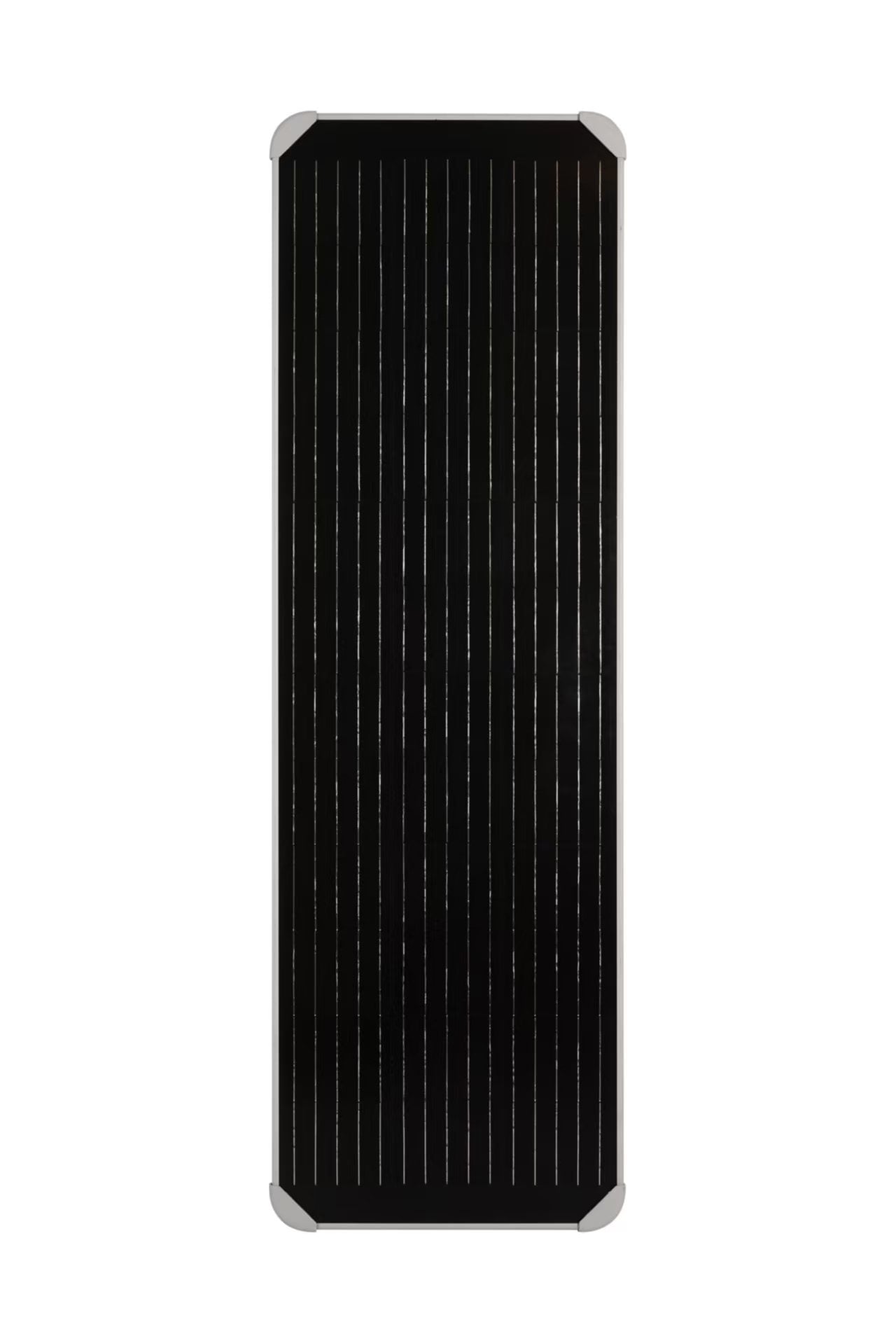
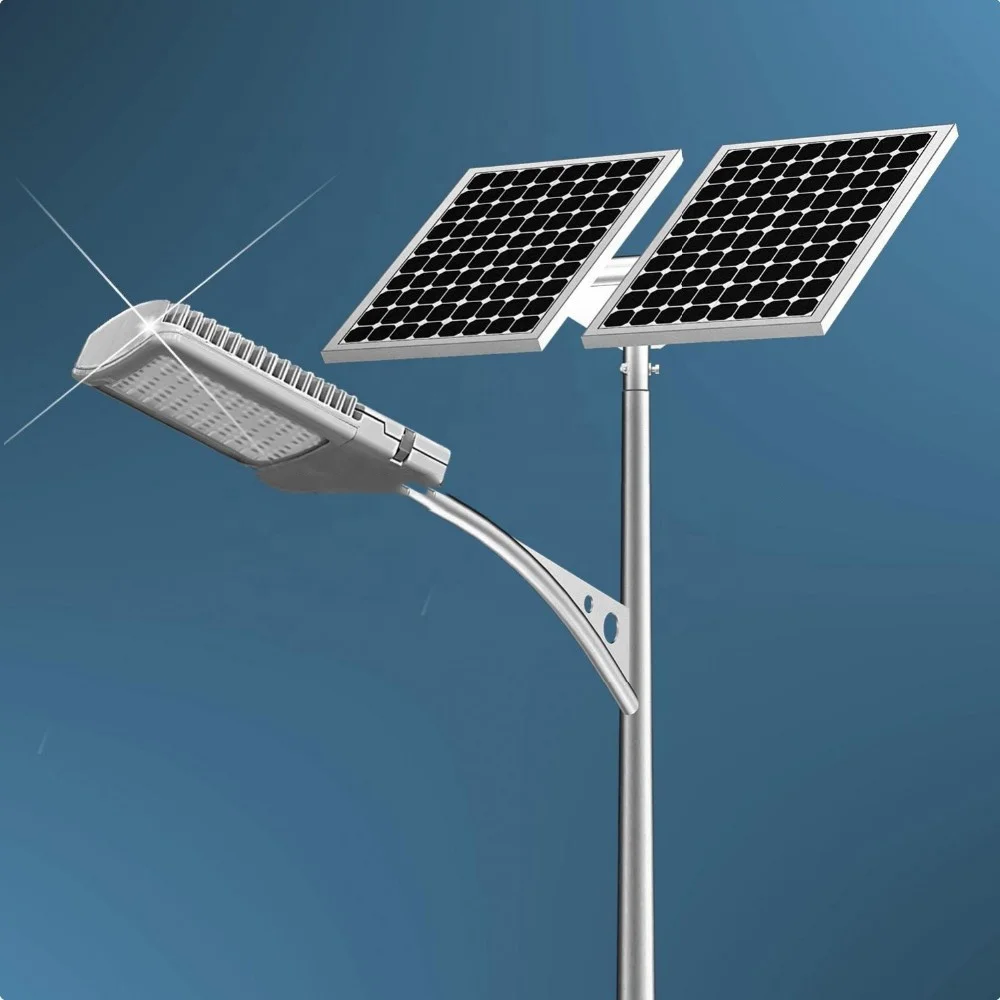
Modern solar street lights integrate several sophisticated components that work synergistically to deliver consistent performance over extended periods. The photovoltaic panel serves as the energy collection system, converting sunlight into electrical power with efficiency rates typically ranging from 18% to 22% for monocrystalline silicon panels. The LED lighting module provides the actual illumination, offering superior energy efficiency compared to traditional lighting technologies while maintaining exceptional brightness levels and color consistency.
The battery storage system, often utilizing lithium iron phosphate or gel batteries, stores the collected solar energy for nighttime operation and cloudy day backup power. Advanced charge controllers regulate the power flow between the solar panel and battery, preventing overcharging and extending battery life through intelligent power management algorithms. The entire system is mounted on a sturdy pole structure designed to withstand various weather conditions while providing optimal solar panel positioning for maximum energy collection.
Advanced Control Systems and Smart Features
Contemporary solar street lights incorporate intelligent control systems that optimize performance based on environmental conditions and usage patterns. Motion sensors can detect pedestrian or vehicle activity, automatically adjusting light intensity to conserve energy while maintaining safety standards. Time-based dimming functions reduce power consumption during low-traffic periods, extending operational hours and improving overall system efficiency.
Remote monitoring capabilities enable real-time system status tracking, allowing maintenance teams to identify potential issues before they result in lighting failures. These smart features contribute significantly to the long-term reliability and cost-effectiveness of solar street lights, making them an attractive option for various applications from residential neighborhoods to industrial complexes.
Typical Lifespan Expectations for Solar Street Light Systems
LED Component Longevity
The LED lighting components in quality solar street lights typically demonstrate exceptional longevity, with manufacturers commonly providing warranties of 50,000 to 100,000 operational hours. Under normal usage patterns of 10-12 hours daily operation, this translates to approximately 12-20 years of reliable service life. LED technology offers superior durability compared to traditional lighting options, maintaining consistent light output with minimal degradation over time.
High-quality LED modules feature robust heat dissipation designs that prevent thermal stress, a primary factor in LED failure. The absence of filaments or gas-filled chambers makes LEDs inherently more resistant to shock, vibration, and frequent on-off cycling, contributing to their extended operational lifespan in outdoor environments.
Battery System Duration and Replacement Cycles
Battery components typically represent the most maintenance-intensive aspect of solar street light systems, with replacement cycles varying based on battery chemistry and environmental conditions. Lithium iron phosphate batteries, increasingly popular in premium systems, can deliver 8-12 years of reliable service with proper charge management. Traditional gel or AGM lead-acid batteries generally require replacement every 5-7 years, depending on depth of discharge cycles and ambient temperature conditions.
Proper battery sizing and charge controller programming significantly influence battery longevity, with systems designed for moderate depth of discharge achieving substantially longer service life. Environmental factors such as extreme temperatures can accelerate battery aging, making climate considerations essential for accurate lifespan projections and maintenance planning.
Financial Benefits and Return on Investment Analysis
Initial Investment Considerations
The upfront cost of solar street lights typically ranges from $800 to $3,000 per unit, depending on specifications, battery capacity, and smart features. While this initial investment exceeds traditional street lighting costs, the total cost of ownership calculation reveals significant long-term advantages. Installation costs are often lower for solar systems since they eliminate the need for extensive electrical infrastructure and trenching work.
Premium systems with extended warranties and advanced features command higher initial prices but often deliver superior long-term value through reduced maintenance requirements and enhanced reliability. The investment analysis should consider local labor costs, electrical infrastructure requirements, and ongoing operational expenses to determine the most cost-effective solution for specific applications.
Operational Cost Savings and Energy Independence
Solar street lights eliminate monthly electricity costs associated with traditional grid-connected lighting systems, providing immediate operational savings that accumulate over the system's lifespan. With typical energy consumption of 30-80 watts per fixture, annual electricity savings can range from $50 to $200 per light, depending on local utility rates and usage patterns.
The energy independence provided by solar systems offers protection against rising utility costs and power grid instability. Areas prone to power outages benefit from continued lighting operation during grid failures, enhancing safety and security without additional backup power costs. These operational advantages contribute significantly to the overall return on investment calculation.
Maintenance Requirements and Long-Term Performance
Routine Maintenance Protocols
Effective maintenance protocols ensure optimal performance and maximum lifespan for solar street light installations. Regular cleaning of photovoltaic panels maintains peak energy collection efficiency, particularly in dusty or polluted environments where dirt accumulation can reduce solar charging capacity. Monthly visual inspections identify potential issues such as loose connections, damaged components, or vegetation growth that might obstruct solar panels.
Battery voltage monitoring and performance testing help predict replacement needs and prevent unexpected failures. Proper maintenance scheduling reduces emergency service calls and extends overall system reliability, contributing to improved return on investment through consistent performance and reduced downtime costs.
Environmental Factor Impact and Mitigation
Environmental conditions significantly influence solar street light performance and longevity, requiring consideration during system selection and maintenance planning. Coastal installations face salt air corrosion challenges, necessitating corrosion-resistant materials and more frequent cleaning schedules. Extreme temperature environments may require battery heating or cooling systems to maintain optimal performance.
Wind loading calculations ensure pole and mounting systems withstand local weather conditions, preventing structural failures that could damage expensive components. Proper environmental assessment and component selection optimize system performance while minimizing maintenance requirements and extending operational lifespan.
Comparative Analysis with Traditional Lighting Solutions
Total Cost of Ownership Comparison
Comprehensive cost analysis reveals that solar street lights often achieve cost parity with traditional systems within 3-7 years, depending on installation complexity and energy costs. Traditional street lighting requires ongoing electricity payments, regular bulb replacements, and maintenance of electrical infrastructure, creating recurring expenses that accumulate over time.
Solar systems frontload costs but minimize ongoing expenses, creating favorable economics for long-term installations. The elimination of trenching, conduit installation, and electrical permits reduces initial construction complexity and associated costs, particularly beneficial for remote or difficult-to-access locations.
Performance and Reliability Considerations
Solar street lights offer superior reliability in areas with unstable electrical grids, providing consistent lighting regardless of power outages or electrical system failures. LED technology delivers better light quality and distribution compared to traditional high-pressure sodium or mercury vapor lamps, improving visibility and safety while reducing light pollution.
The modular nature of solar systems allows for easy expansion or reconfiguration without extensive electrical work. Individual fixture failures don't affect other lights in the installation, providing better system resilience compared to series-connected traditional lighting circuits.
FAQ
How long do solar street lights typically last before requiring major component replacement
Quality solar street lights typically operate for 15-20 years with proper maintenance, though individual components have varying lifespans. LED lights can function for 50,000-100,000 hours, while batteries may need replacement every 5-12 years depending on technology and usage patterns. The solar panels and structural components often last the full system lifetime with minimal maintenance requirements.
What factors most significantly impact the return on investment for solar street lighting projects
The primary factors affecting ROI include local electricity rates, installation complexity, available solar resources, and system quality. Higher electricity costs improve payback periods, while areas with excellent solar exposure maximize energy collection efficiency. Premium components with longer warranties often provide better long-term value despite higher initial costs.
Do solar street lights work effectively in areas with limited sunlight or frequent cloudy weather
Modern solar street lights can operate effectively in areas with moderate sunlight through proper system sizing and battery capacity planning. Systems designed for cloudy climates feature larger solar panels and battery banks to ensure adequate energy storage for extended periods without direct sunlight. However, areas with severely limited solar resources may require hybrid solutions or alternative technologies.
What maintenance is required to ensure optimal performance and longevity of solar street lights
Regular maintenance includes cleaning solar panels quarterly or as needed, inspecting connections and hardware monthly, and monitoring battery performance annually. Vegetation management prevents shading of solar panels, while periodic LED cleaning maintains optimal light output. Professional battery testing and replacement every 5-12 years ensures continued reliable operation throughout the system's lifespan.
Table of Contents
- Understanding Solar Street Light Technology and Components
- Typical Lifespan Expectations for Solar Street Light Systems
- Financial Benefits and Return on Investment Analysis
- Maintenance Requirements and Long-Term Performance
- Comparative Analysis with Traditional Lighting Solutions
-
FAQ
- How long do solar street lights typically last before requiring major component replacement
- What factors most significantly impact the return on investment for solar street lighting projects
- Do solar street lights work effectively in areas with limited sunlight or frequent cloudy weather
- What maintenance is required to ensure optimal performance and longevity of solar street lights