lamp post street light
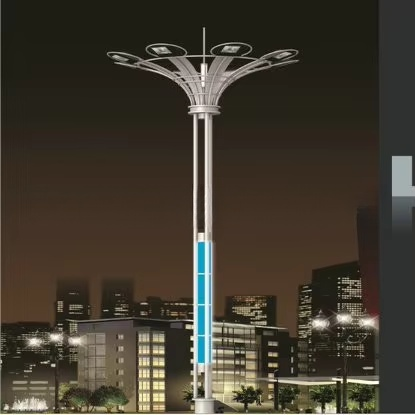
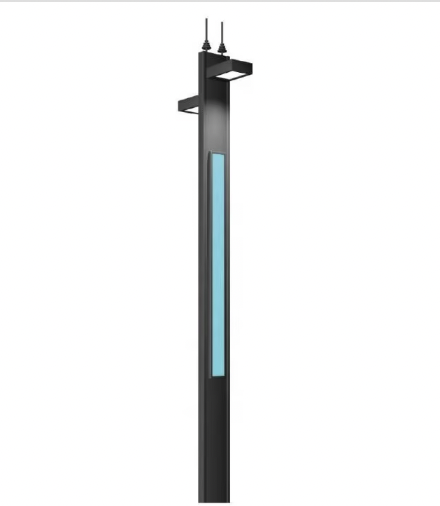
The lamp post street light represents a crucial infrastructure component that illuminates public spaces, roadways, and pedestrian pathways during nighttime hours. This essential lighting solution combines traditional aesthetic appeal with modern technological innovations to create safe, well-lit environments for communities worldwide. Modern lamp post street light systems integrate advanced LED technology, smart controls, and durable construction materials to deliver reliable illumination across diverse urban and suburban settings. The primary function of a lamp post street light involves providing consistent, high-quality illumination that enhances visibility for both vehicular traffic and pedestrians. These lighting fixtures typically feature photocell sensors that automatically activate the system at dusk and deactivate it at dawn, ensuring optimal energy management without manual intervention. Contemporary lamp post street light designs incorporate weather-resistant housing materials, including aluminum alloy construction and tempered glass components, which withstand harsh environmental conditions including rain, snow, wind, and temperature fluctuations. The technological features of modern lamp post street light systems include integrated LED modules that consume significantly less energy compared to traditional sodium vapor or mercury vapor alternatives. Many units now feature smart connectivity options, allowing municipal authorities to monitor performance, adjust brightness levels, and receive maintenance alerts through centralized control systems. The lamp post street light applications span residential neighborhoods, commercial districts, parks, parking lots, campus environments, and industrial facilities. These versatile lighting solutions adapt to various mounting configurations, including traditional pole-mounted installations and decorative architectural designs that complement surrounding landscapes. Advanced lamp post street light models incorporate motion sensors, emergency backup power systems, and even wireless communication capabilities for smart city initiatives.

 EN
EN