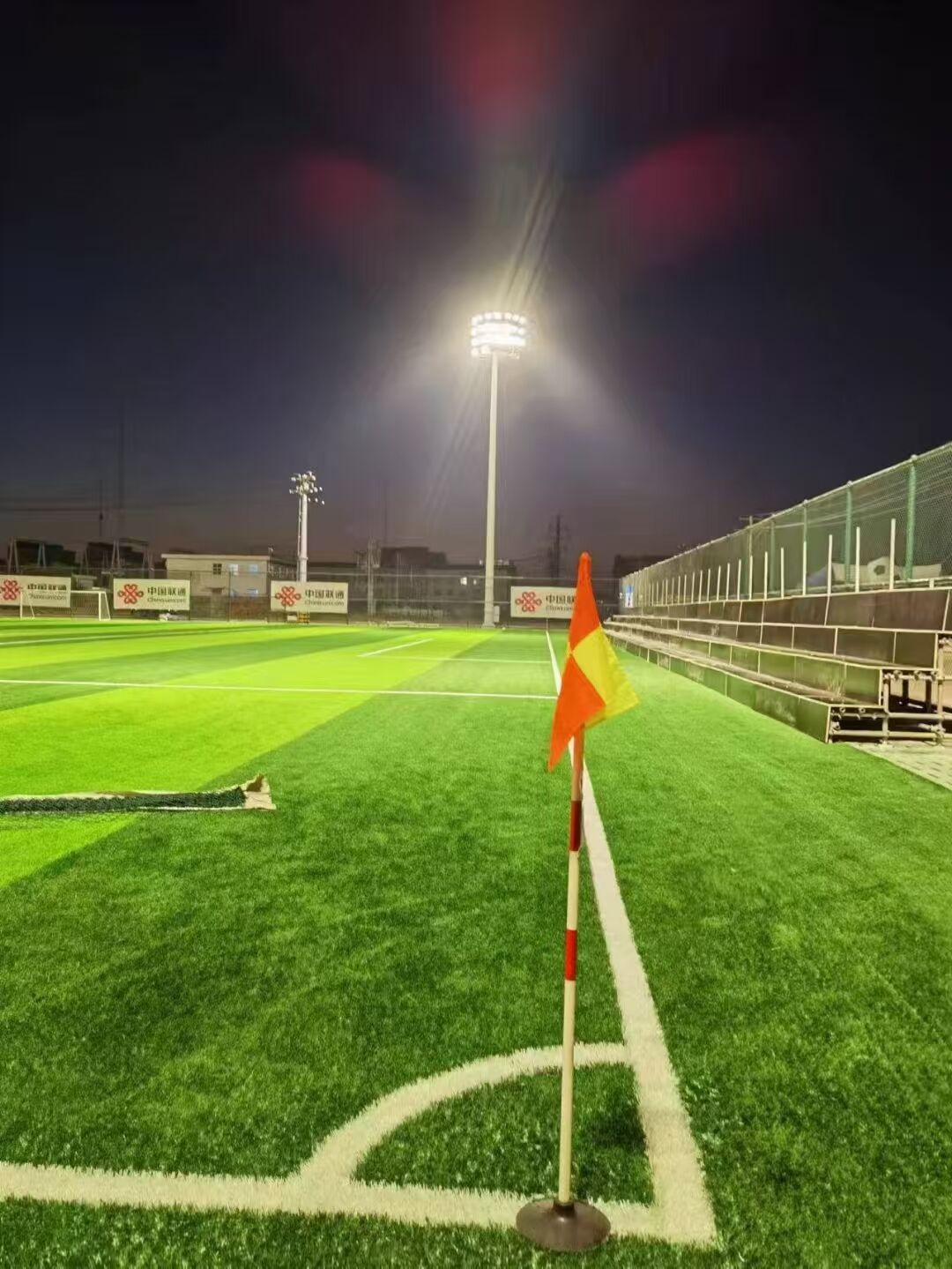
street lamp post
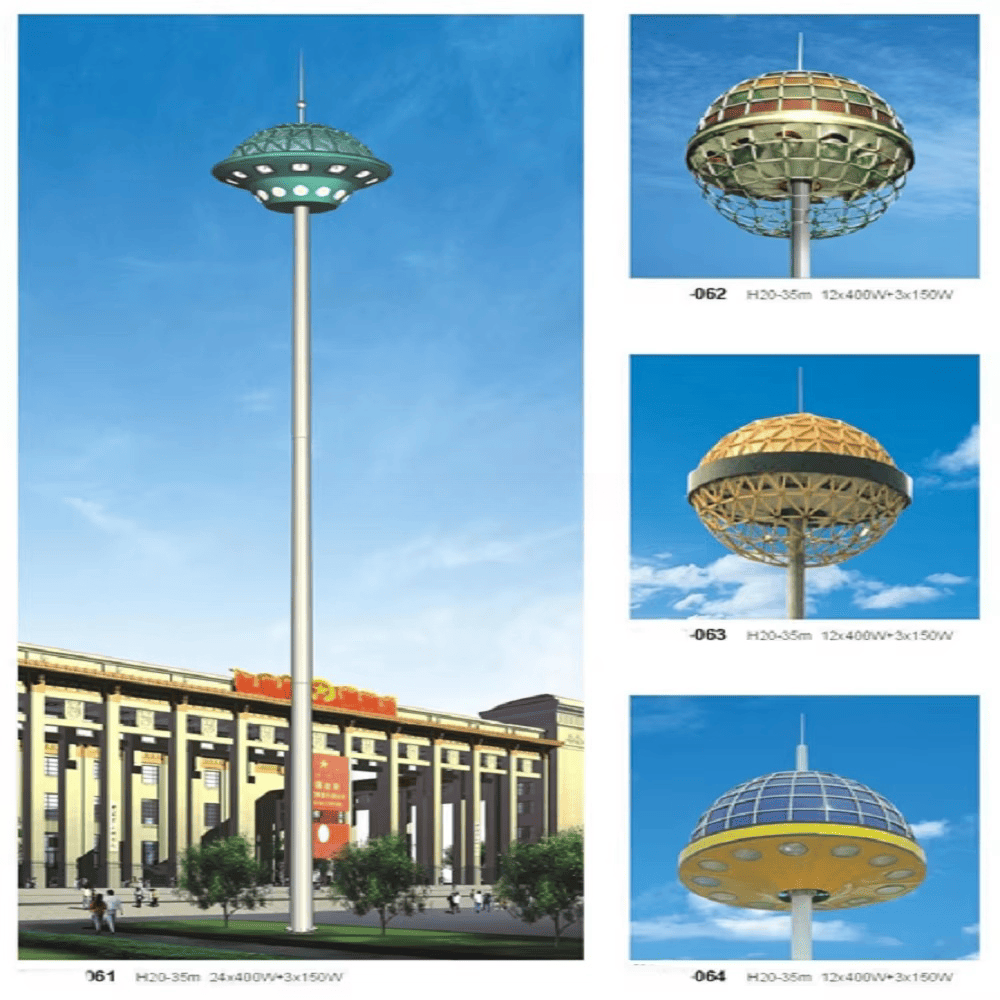
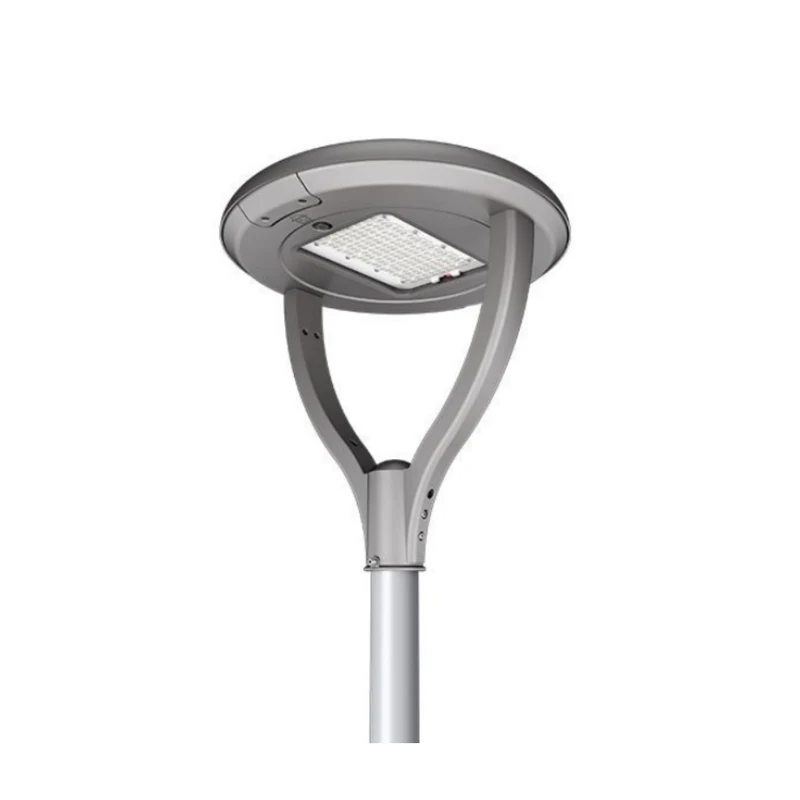
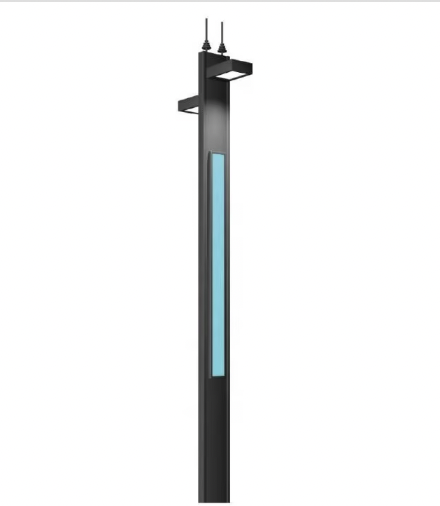
A street lamp post serves as the backbone of urban lighting infrastructure, providing essential illumination for roads, sidewalks, and public spaces throughout cities and towns worldwide. These vertical structures combine structural engineering with advanced lighting technology to create safe, well-lit environments for pedestrians and vehicles during nighttime hours. Modern street lamp posts have evolved far beyond simple light fixtures, incorporating sophisticated features that enhance both functionality and aesthetic appeal. The primary function of a street lamp post involves mounting and supporting lighting fixtures at optimal heights to maximize light distribution while minimizing glare and light pollution. Contemporary designs integrate LED technology, which offers superior energy efficiency compared to traditional incandescent or fluorescent alternatives. Smart street lamp posts now feature wireless connectivity, allowing remote monitoring and control through centralized management systems. These intelligent systems can adjust brightness levels based on ambient conditions, traffic patterns, or specific scheduling requirements. Many street lamp posts incorporate weather-resistant materials such as aluminum alloys, galvanized steel, or composite materials that withstand harsh environmental conditions including extreme temperatures, moisture, and corrosive elements. Solar-powered street lamp posts represent another technological advancement, utilizing photovoltaic panels to harness renewable energy and reduce operational costs. Motion sensors integrated into street lamp posts can activate lighting only when movement is detected, further enhancing energy conservation. Additional features may include emergency call systems, security cameras, Wi-Fi hotspots, and electric vehicle charging stations, transforming the traditional street lamp post into a multifunctional urban infrastructure element. The applications for street lamp posts extend across residential neighborhoods, commercial districts, highways, parking facilities, parks, and recreational areas, making them indispensable components of modern urban planning and public safety initiatives.

 EN
EN