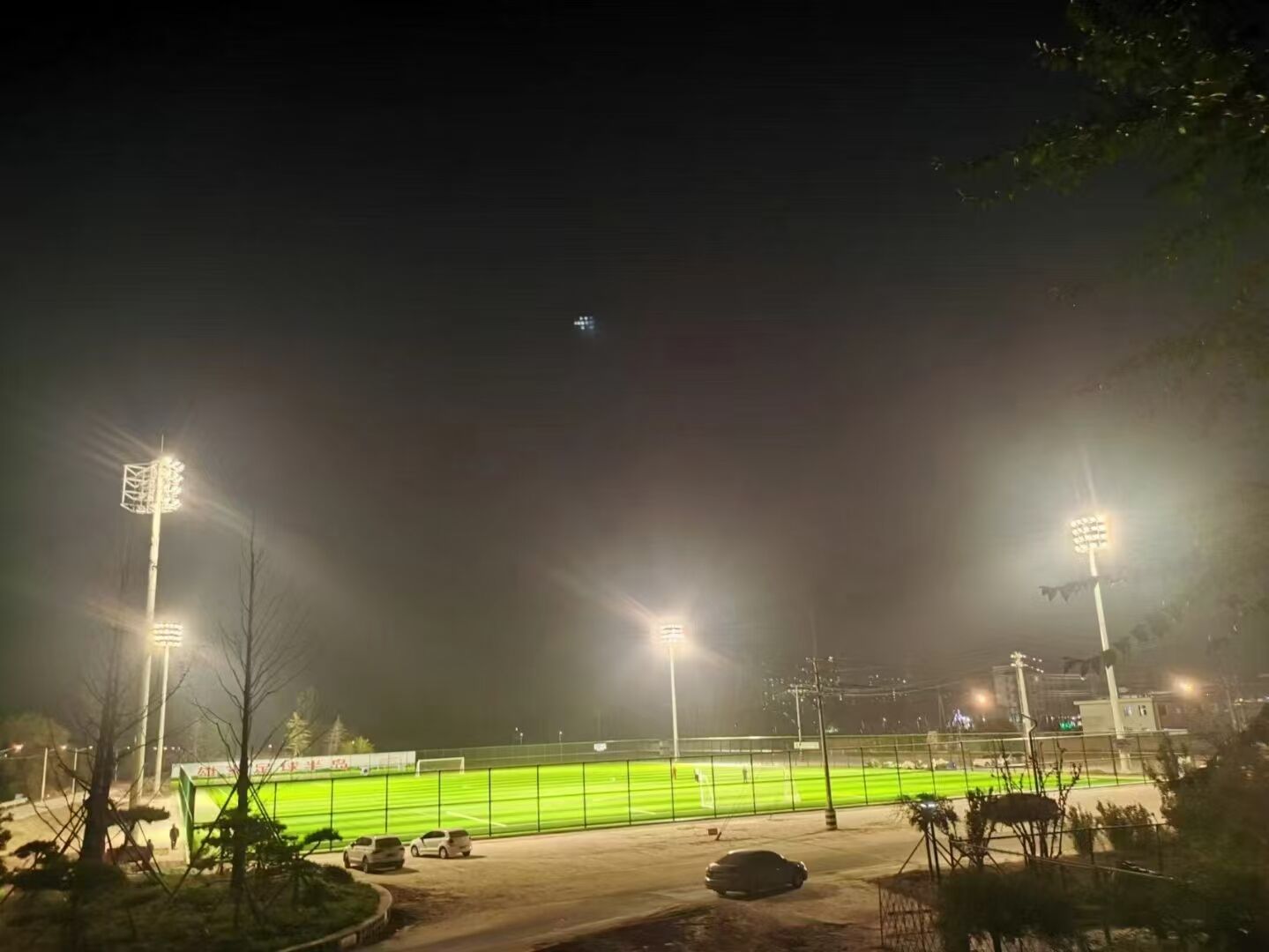
Smart Control and Monitoring Capabilities
The sophisticated smart control and monitoring capabilities integrated into contemporary street light on pole systems revolutionize traditional lighting management through advanced automation, remote accessibility, and intelligent operational optimization. Wireless connectivity options including cellular, WiFi, and mesh networking protocols enable street light on pole systems to communicate with central management platforms, allowing real-time monitoring of operational status, energy consumption, and maintenance requirements from anywhere with internet access. Photocell sensors automatically adjust street light on pole operation based on ambient light conditions, ensuring illumination activates precisely when needed while preventing unnecessary daytime operation that wastes energy and reduces component lifespan. Motion detection capabilities allow street light on pole systems to implement adaptive lighting strategies that increase brightness when pedestrians or vehicles are detected while maintaining reduced output during periods of inactivity, optimizing energy efficiency without compromising safety. Programmable scheduling features enable customized operation profiles for street light on pole installations based on seasonal variations, local usage patterns, and special events, providing flexibility that maximizes efficiency while meeting specific illumination requirements. Diagnostic monitoring continuously evaluates street light on pole system performance, identifying potential issues before they result in complete failure and enabling proactive maintenance that minimizes downtime and repair costs. Energy consumption tracking provides detailed analytics that help facility managers optimize street light on pole operations, identify inefficiencies, and demonstrate cost savings and environmental benefits to stakeholders. Remote dimming capabilities allow operators to adjust street light on pole brightness levels instantly in response to changing conditions, special events, or energy conservation initiatives without requiring physical site visits. Fault detection algorithms automatically identify and report malfunctions in street light on pole systems, including LED failures, electrical issues, and communication problems, enabling rapid response and minimizing safety risks. Integration with smart city infrastructure allows street light on pole systems to serve as platforms for additional technologies such as environmental sensors, security cameras, and emergency communication devices, maximizing infrastructure investment returns. Predictive maintenance algorithms analyze operational data from street light on pole systems to forecast component replacement needs and optimize maintenance schedules, reducing costs while ensuring consistent performance. Mobile application interfaces provide field technicians and facility managers with convenient access to street light on pole system controls, diagnostic information, and maintenance records, streamlining operations and improving response times for service requests.

 EN
EN