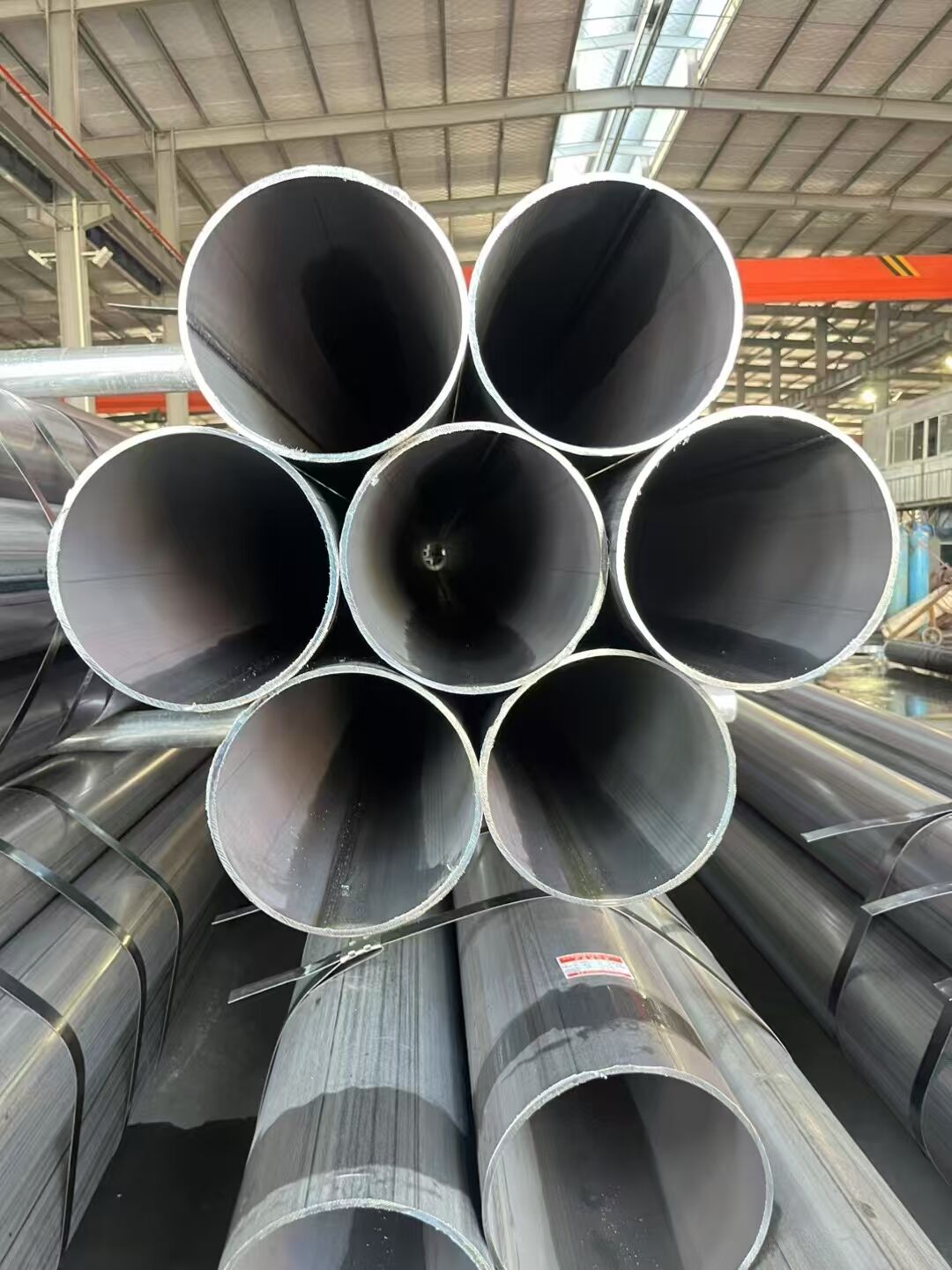
street light post
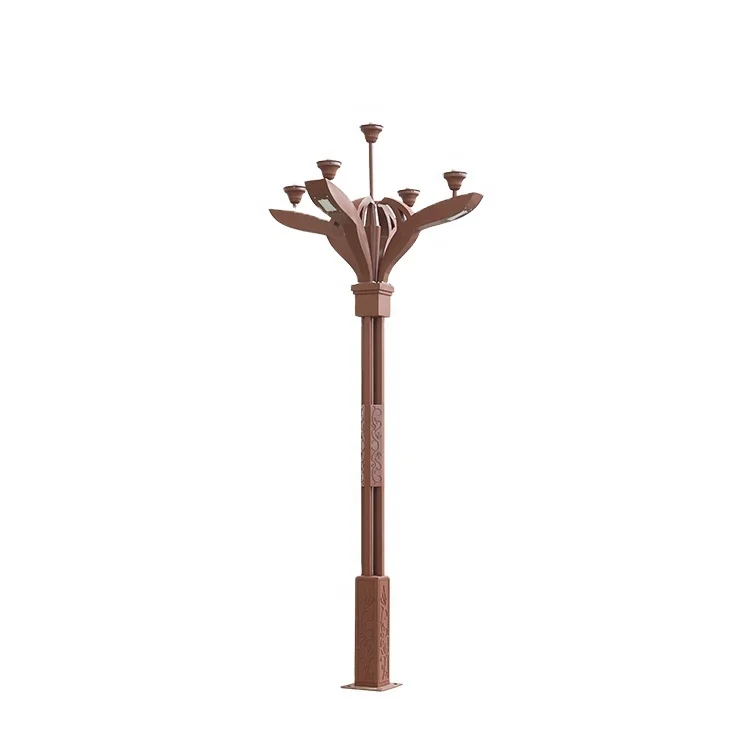
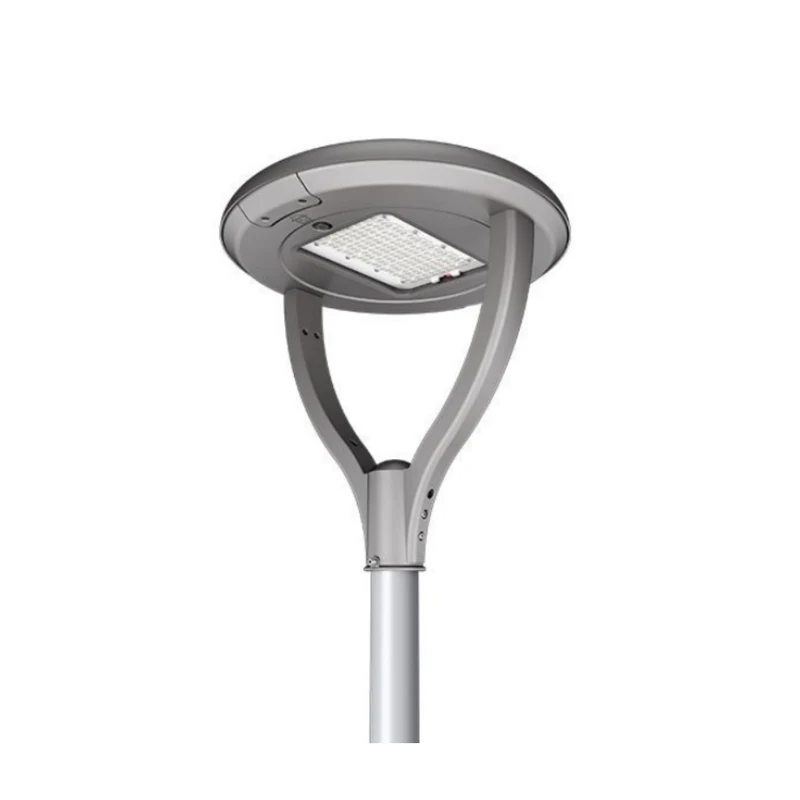
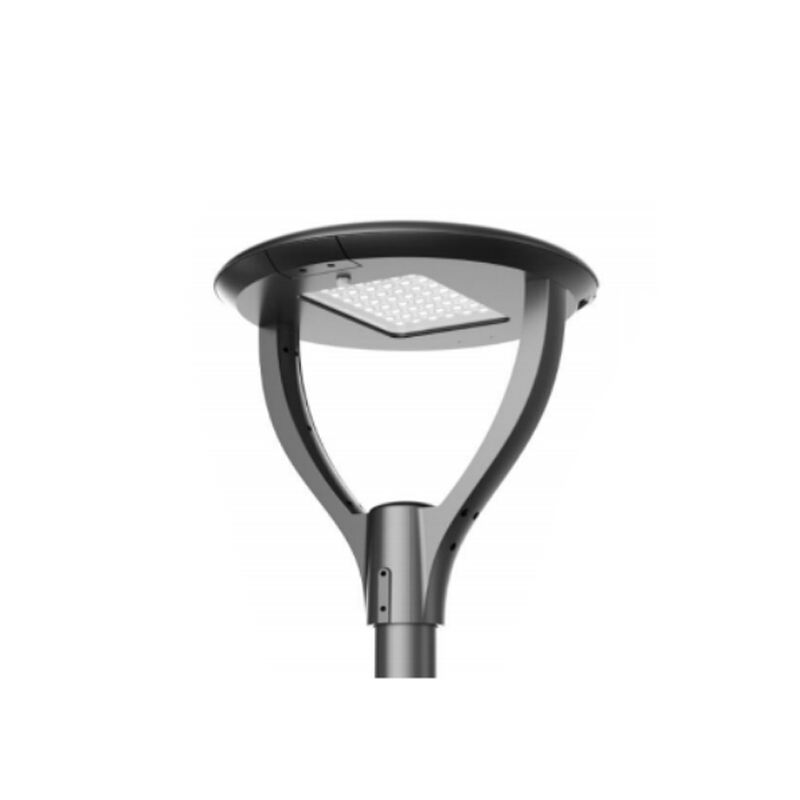
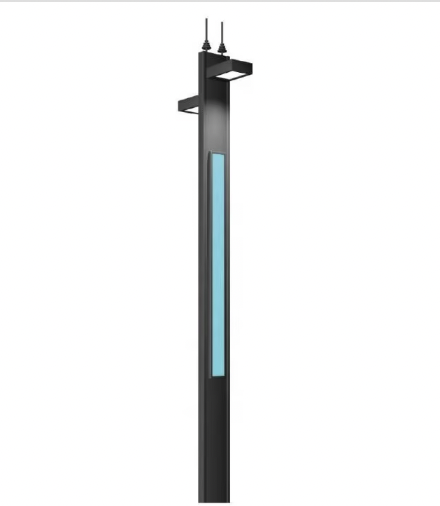
A street light post serves as the foundational backbone of urban and suburban lighting infrastructure, providing essential illumination for roadways, sidewalks, parking areas, and public spaces. These vertical structures are engineered to support various lighting fixtures while ensuring optimal light distribution across designated areas. Modern street light posts combine robust construction with advanced technological features to deliver reliable, energy-efficient lighting solutions that enhance safety, security, and visibility during nighttime hours. The contemporary street light post incorporates sophisticated materials such as aluminum alloy, galvanized steel, or composite materials that resist corrosion and withstand harsh weather conditions. These posts typically range from 8 to 40 feet in height, depending on the specific application and coverage requirements. The design considerations include wind load resistance, seismic stability, and thermal expansion characteristics to ensure long-term structural integrity. Advanced street light post systems integrate smart technology features including wireless connectivity, motion sensors, dimming controls, and remote monitoring capabilities. These technological enhancements enable municipalities and property managers to optimize energy consumption, reduce maintenance costs, and improve operational efficiency. LED lighting compatibility is a standard feature in modern street light posts, allowing for significant energy savings compared to traditional lighting technologies. The installation process for street light posts involves careful site preparation, foundation work, and electrical connections that comply with local building codes and safety regulations. Many street light post designs incorporate decorative elements that complement architectural themes while maintaining functional performance standards. Environmental considerations drive the development of sustainable street light post solutions that utilize renewable energy sources such as solar panels and battery storage systems. The modular design approach allows for easy maintenance, component replacement, and future upgrades without requiring complete system replacement.

 EN
EN