High Voltage Electric Pole: Complete Guide to Power Transmission Infrastructure Solutions

All Categories

high voltage electric pole

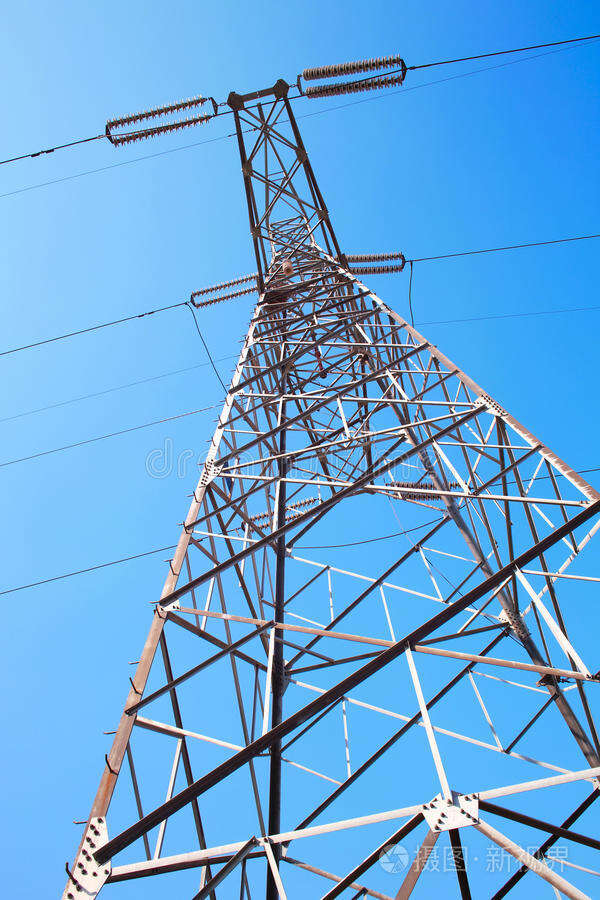
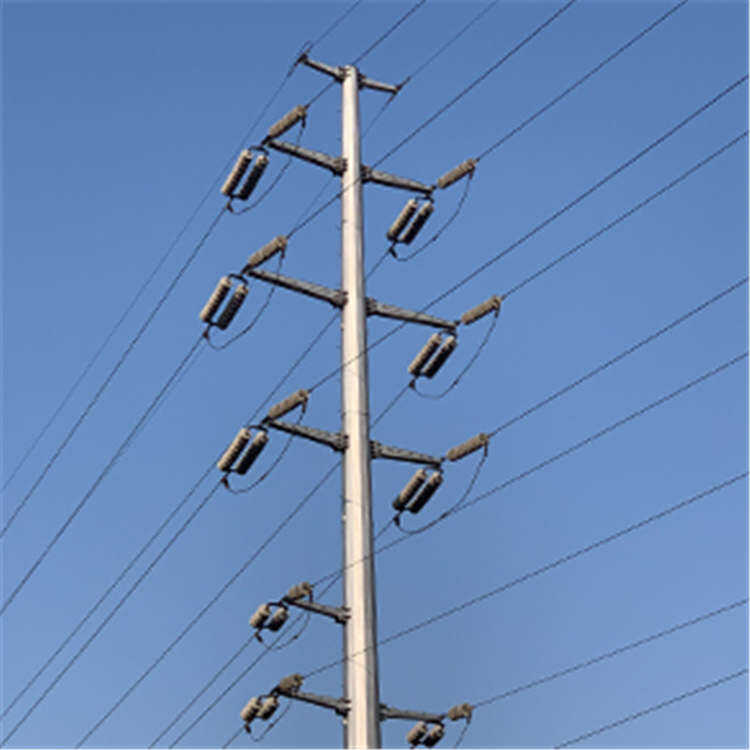
High voltage electric poles represent critical infrastructure components that form the backbone of modern electrical power transmission systems. These towering structures, typically ranging from 40 to 200 feet in height, serve as the essential support framework for high voltage power lines that carry electricity across vast distances from generating facilities to distribution networks. The high voltage electric pole is engineered to withstand extreme weather conditions, including high winds, ice storms, and seismic activity, while maintaining the structural integrity necessary for reliable power transmission. These poles are constructed using various materials, including steel, concrete, and composite materials, each selected based on specific environmental requirements and load-bearing specifications. The primary function of a high voltage electric pole involves supporting overhead transmission lines that operate at voltages typically exceeding 35,000 volts, with some systems reaching 765,000 volts or higher. Advanced engineering techniques ensure that each high voltage electric pole maintains proper clearance distances between conductors and ground surfaces, preventing electrical arcing and ensuring public safety. Modern high voltage electric pole designs incorporate sophisticated grounding systems that provide lightning protection and fault current dissipation. The technological features of these structures include specialized insulators, hardware fittings, and conductor attachment systems that accommodate thermal expansion and contraction of power lines. Installation procedures for high voltage electric pole systems require precise surveying, foundation engineering, and coordination with environmental regulations. These structures play vital roles in renewable energy integration, connecting wind farms and solar installations to existing grid networks. The high voltage electric pole serves multiple applications across residential, commercial, and industrial sectors, enabling efficient power distribution that supports economic growth and modern lifestyle requirements.


New Product Releases

The high voltage electric pole delivers exceptional reliability that ensures continuous power supply to millions of customers across diverse geographic regions. These structures provide cost-effective solutions for long-distance power transmission, reducing energy losses that occur over extended distribution networks. The robust construction of each high voltage electric pole withstands harsh environmental conditions, including hurricane-force winds, heavy snow loads, and extreme temperature variations, ensuring minimal service interruptions. Property owners and utility companies benefit from the extended service life of modern high voltage electric pole installations, which typically operate effectively for 50 to 80 years with proper maintenance protocols. The elevated design of these structures maximizes land utilization by allowing agricultural, residential, and commercial activities to continue beneath transmission corridors. Advanced materials used in high voltage electric pole construction resist corrosion, pest damage, and ultraviolet degradation, reducing long-term maintenance costs and replacement frequencies. These poles support smart grid technologies that enable real-time monitoring, automated fault detection, and rapid restoration capabilities during power outages. The standardized design specifications of high voltage electric pole systems facilitate efficient manufacturing processes, inventory management, and installation procedures that reduce project timelines and labor costs. Environmental benefits include minimal ground footprint requirements compared to underground cable systems, preservation of natural habitats, and compatibility with wildlife protection measures. The high voltage electric pole design accommodates future capacity upgrades and technology improvements without requiring complete infrastructure replacement. Safety features integrated into modern high voltage electric pole systems include bird protection devices, climbing deterrents, and warning signage that protect both wildlife and human populations. Economic advantages extend beyond initial installation costs, encompassing reduced transmission losses, improved grid stability, and enhanced power quality that benefits industrial customers with sensitive equipment requirements. The modular construction approach of high voltage electric pole systems enables rapid deployment during emergency restoration efforts and planned system expansions.

Tips And Tricks

The Environmental Impact of Steel Tubes

28

Nov

The Environmental Impact of Steel Tubes

The Life Cycle of Steel Tubes and Environmental Consequences Resource Extraction: Mining Iron Ore and Raw Materials Steel tube manufacturing starts right where iron ore comes out of the ground since this mineral is basically what makes steel possibl...
View More
Top 10 Questions to Ask When Buying Steel Tubes

28

Nov

Top 10 Questions to Ask When Buying Steel Tubes

What's the Primary Use of the Steel Tubes? Knowing what steel tubes are mainly used for helps pick the right specs when working across various industries. These metal tubes find their way into all sorts of places like buildings, cars, and factories....
View More
Choosing Street Lights for Maximum Efficiency

28

Nov

Choosing Street Lights for Maximum Efficiency

Understanding Street Light Efficiency The Role of Energy-Efficient Lighting in Urban Planning Cities around the world are seeing changes as they adopt energy efficient street lights that make neighborhoods safer while looking better too. When planne...
View More
What Are the Benefits of Using Seamless Steel Tubes

02

Dec

What Are the Benefits of Using Seamless Steel Tubes

In modern industrial applications, the choice of steel tubing can significantly impact project outcomes, operational efficiency, and long-term reliability. Seamless steel tubes have emerged as a preferred solution across numerous sectors, from oil an...
View More

Get a Free Quote

Our representative will contact you soon.
Email
Name
Company Name
Message
0/1000

high voltage electric pole

Superior Structural Durability and Weather Resistance

Superior Structural Durability and Weather Resistance

The high voltage electric pole demonstrates remarkable structural durability through advanced engineering materials and construction techniques that ensure decades of reliable service under challenging environmental conditions. These poles utilize high-strength steel, reinforced concrete, or composite materials specifically selected for their ability to withstand extreme weather events including hurricanes, tornadoes, ice storms, and seismic activity. The foundation systems of high voltage electric pole installations extend deep into the ground, often reaching 20 to 40 feet below surface level, providing exceptional stability against lateral forces and ground movement. Corrosion-resistant coatings and galvanized finishes protect metal components from environmental degradation, significantly extending operational lifespan and reducing maintenance requirements. The structural design incorporates safety factors that exceed normal loading conditions by 200 to 300 percent, ensuring continued operation even during extraordinary weather events. Modern high voltage electric pole construction utilizes computer-aided design software and finite element analysis to optimize structural performance while minimizing material usage and costs. Quality control processes throughout manufacturing and installation phases guarantee that each high voltage electric pole meets stringent industry standards for mechanical strength, electrical insulation, and environmental resistance. The tapered design of many high voltage electric pole structures provides optimal wind resistance characteristics, reducing wind loading forces and improving overall stability during severe weather conditions. Regular inspection protocols and preventive maintenance programs help identify potential issues before they compromise system reliability, extending the effective service life of high voltage electric pole installations. The investment in superior structural durability translates directly into lower lifecycle costs, improved system reliability, and enhanced customer satisfaction for utility companies and end users alike.
Advanced Electrical Performance and Safety Features

Advanced Electrical Performance and Safety Features

The high voltage electric pole incorporates sophisticated electrical performance characteristics and comprehensive safety features that ensure reliable power transmission while protecting both utility workers and the general public from electrical hazards. These structures support specialized insulator systems designed to prevent electrical flashover and maintain proper isolation between energized conductors and grounded structures, even under adverse weather conditions including rain, snow, and fog. The high voltage electric pole design includes precise clearance calculations that account for conductor sag, wind deflection, and thermal expansion, ensuring adequate safety margins under all operating conditions. Grounding systems integrated into each high voltage electric pole installation provide effective lightning protection and fault current dissipation pathways that minimize damage during electrical disturbances. Advanced surge protection devices and lightning arresters mounted on high voltage electric pole structures protect expensive transmission equipment and prevent power quality issues that could affect sensitive customer loads. The electrical design of these poles accommodates various voltage levels and conductor configurations, providing flexibility for system upgrades and capacity expansions without requiring complete infrastructure replacement. Corona rings and other hardware components minimize radio frequency interference and audible noise generation that could impact nearby residential areas. Safety climbing restrictions, warning signage, and protective barriers prevent unauthorized access to high voltage electric pole structures while maintaining accessibility for qualified maintenance personnel. The high voltage electric pole supports smart grid technologies including remote monitoring sensors, automated switching devices, and communication equipment that enhance system reliability and enable rapid response to outages or equipment failures. Specialized coatings and materials used in high voltage electric pole construction provide excellent electrical insulation properties while maintaining mechanical strength and environmental resistance over extended service periods.
Economic Efficiency and Long-Term Value

Economic Efficiency and Long-Term Value

The high voltage electric pole delivers outstanding economic efficiency and long-term value through optimized design, standardized manufacturing processes, and minimal maintenance requirements that significantly reduce total cost of ownership for utility companies and ultimately benefit electricity consumers. These structures provide cost-effective solutions for power transmission over long distances, with lower per-mile installation costs compared to underground cable systems while offering superior accessibility for maintenance and repairs. The standardized design specifications of high voltage electric pole systems enable bulk purchasing, streamlined inventory management, and efficient installation procedures that reduce project timelines and labor costs. The extended service life of modern high voltage electric pole installations, typically spanning 50 to 80 years, provides exceptional return on investment through decades of reliable service with minimal replacement requirements. Reduced transmission losses achieved through elevated conductor positioning translate into improved energy efficiency and lower operating costs for utility systems. The modular construction approach of high voltage electric pole systems facilitates rapid deployment during emergency restoration efforts, minimizing outage durations and associated economic impacts. Property acquisition costs remain lower for overhead transmission corridors compared to underground alternatives, as easement agreements typically allow continued land use for agriculture and other compatible activities. The high voltage electric pole design accommodates future technology upgrades and capacity increases without requiring complete infrastructure replacement, protecting long-term capital investments. Maintenance accessibility provided by overhead pole installations enables efficient inspection, repair, and upgrade procedures that minimize service interruptions and reduce labor costs. Environmental compliance costs remain lower for high voltage electric pole projects compared to underground alternatives, as installation procedures typically require fewer environmental permits and impact assessments. The proven reliability and performance history of high voltage electric pole installations provide confidence for long-term infrastructure planning and investment decisions that support economic development and community growth initiatives.

Get a Free Quote

Our representative will contact you soon.
Email
Name
Company Name
Message
0/1000