electric pole near house
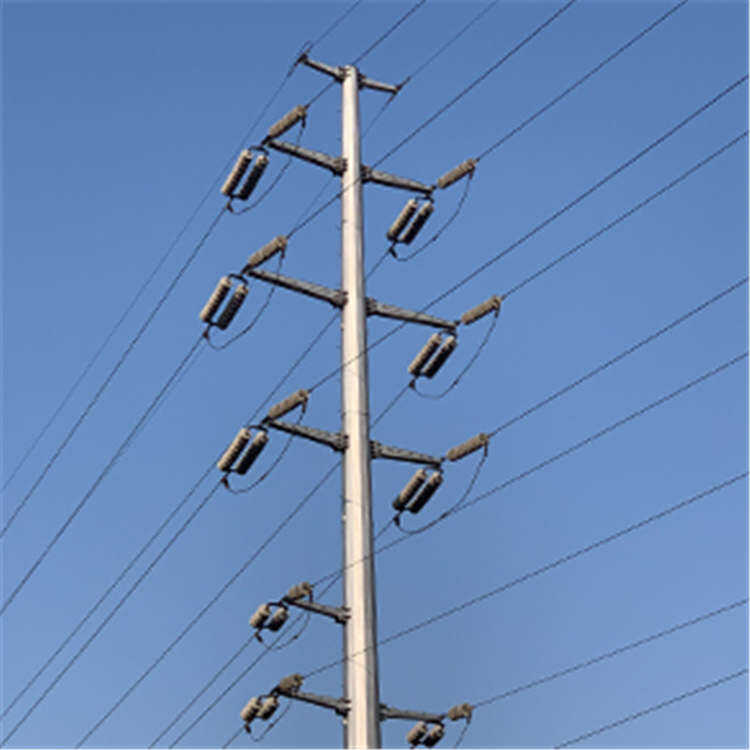
An electric pole near house represents a crucial component of modern electrical infrastructure that delivers power directly to residential properties. These vertical structures, typically constructed from wood, concrete, or steel, serve as the backbone for electrical distribution systems in neighborhoods across the world. The electric pole near house functions as a critical link between high-voltage transmission lines and individual homes, ensuring reliable electricity supply for daily activities. These poles support overhead power lines, transformers, and various electrical equipment necessary for residential power distribution. The strategic placement of an electric pole near house requires careful consideration of factors including property boundaries, safety regulations, aesthetic impact, and accessibility for maintenance crews. Modern electric poles incorporate advanced materials and engineering designs that enhance durability while minimizing environmental impact. The height of these structures varies depending on local regulations and specific electrical requirements, typically ranging from 25 to 40 feet for residential applications. Each electric pole near house must comply with strict safety standards established by electrical authorities to protect both residents and utility workers. The installation process involves extensive planning, including soil analysis, load calculations, and coordination with local building codes. Contemporary electric poles feature improved weather resistance, incorporating materials that withstand harsh environmental conditions including high winds, ice storms, and extreme temperatures. Smart grid technology integration has transformed how electric poles near houses operate, enabling real-time monitoring and automated fault detection. These technological advances help utility companies respond more quickly to power outages and maintain consistent service quality. The design considerations for an electric pole near house also include underground utility coordination, ensuring that installation does not interfere with existing water, gas, or telecommunications infrastructure.

 EN
EN