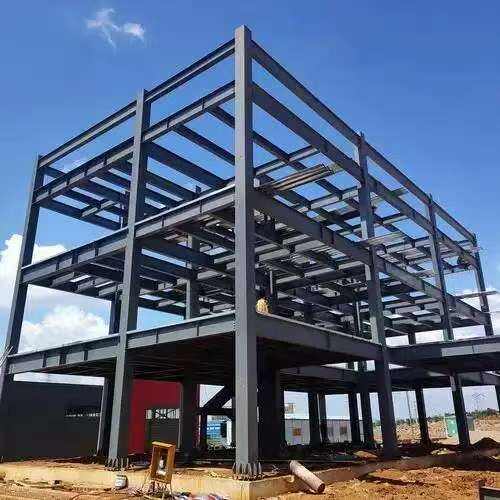
Unmatched Design Flexibility and Architectural Freedom
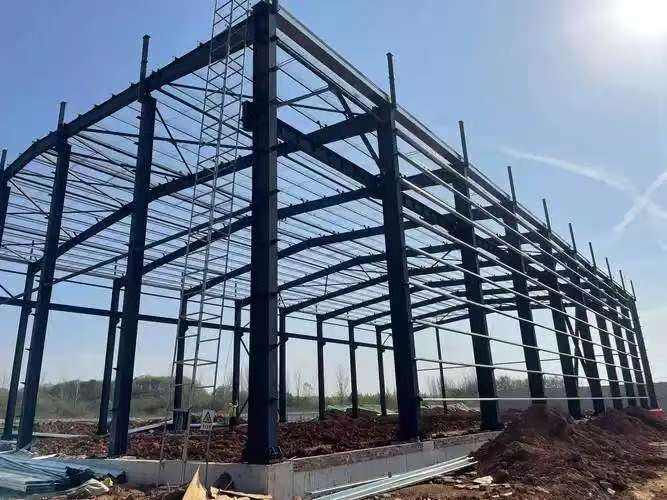
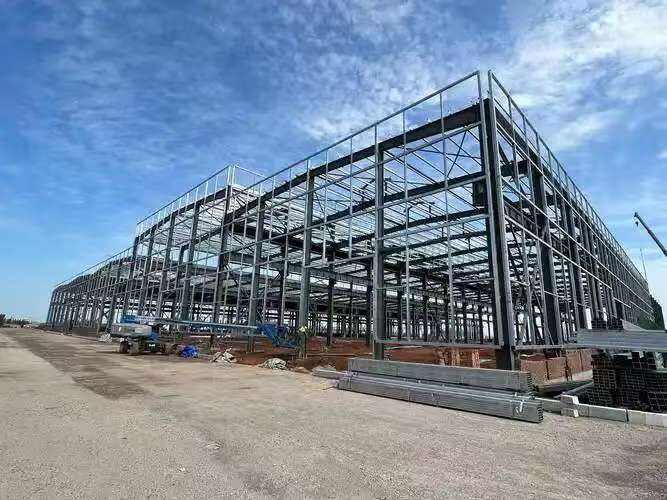
The composite steel structure system provides architects and engineers with unprecedented design flexibility, enabling the creation of innovative building solutions that would be impossible or economically unfeasible with traditional construction methods. This design freedom stems from the inherent strength and versatility of composite steel structure systems, which can accommodate complex geometries, large open spaces, and unique architectural features without compromising structural integrity or safety. The ability to create expansive column-free spaces represents one of the most significant advantages of composite steel structure design, particularly valuable for commercial, industrial, and institutional applications where functional flexibility is paramount. Architectural possibilities expand dramatically with composite steel structure systems, as the framework can support diverse finishing materials, cladding systems, and building envelope configurations. This versatility allows designers to achieve specific aesthetic goals while maintaining structural efficiency and cost-effectiveness. The composite steel structure approach accommodates both contemporary and traditional architectural styles, providing design teams with the freedom to express creative vision without structural limitations. Complex building shapes, including curves, angles, and irregular forms, become feasible with composite steel structure systems through custom fabrication capabilities and flexible connection methods. Adaptive reuse potential represents another crucial aspect of composite steel structure flexibility, as these systems can be modified, expanded, or reconfigured more easily than conventional construction. This adaptability provides building owners with options for future modifications without major structural interventions, protecting long-term investment value and extending building utility. The composite steel structure framework supports integration of modern building technologies, including advanced HVAC systems, renewable energy installations, and smart building components, ensuring compatibility with evolving technological requirements. Sustainable design integration becomes more achievable with composite steel structure systems through optimized material usage, reduced waste generation, and compatibility with green building technologies. The flexibility extends to construction phasing, where composite steel structure projects can be designed for staged development, allowing property owners to expand facilities gradually based on changing needs and financial capabilities. This phased approach provides significant advantages for growing businesses and institutions that require flexible expansion options while maintaining operational continuity throughout construction phases.

 EN
EN