steel structure manufacturers
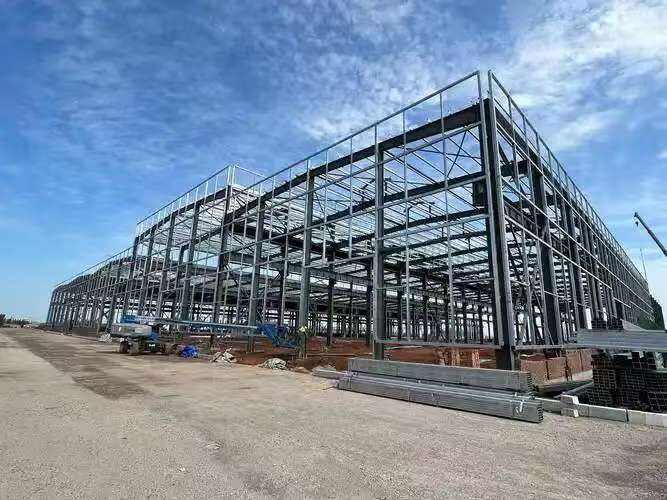
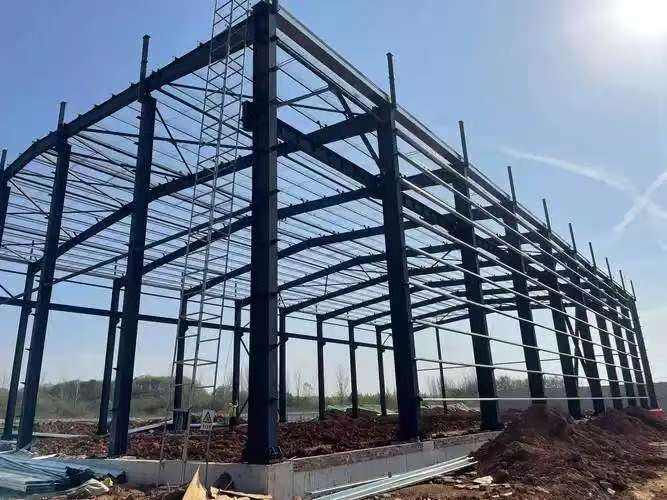
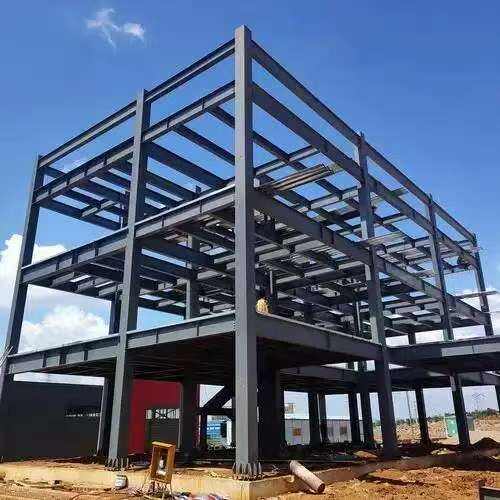
Steel structure manufacturers represent the backbone of modern construction and industrial development, serving as specialized companies that design, fabricate, and deliver comprehensive steel building solutions across diverse sectors. These manufacturers operate sophisticated facilities equipped with advanced machinery, cutting-edge technology, and skilled workforce to produce high-quality structural steel components that meet stringent industry standards and customer specifications. The primary functions of steel structure manufacturers encompass engineering design services, material procurement, precision fabrication, quality control testing, surface treatment applications, and project management coordination. Their technological capabilities include computer-aided design systems, automated cutting equipment, robotic welding stations, powder coating lines, and comprehensive testing laboratories that ensure structural integrity and performance reliability. Steel structure manufacturers utilize various steel grades and alloys, implementing advanced metallurgical processes to create components that exhibit exceptional strength-to-weight ratios, durability, and resistance to environmental factors. These companies serve multiple application domains including commercial buildings, industrial warehouses, residential complexes, infrastructure projects, agricultural facilities, recreational structures, and specialized installations such as aircraft hangars and sports venues. The manufacturing process involves detailed project planning, material optimization, precision cutting, expert welding, thorough inspection procedures, protective coating applications, and careful packaging for transportation. Modern steel structure manufacturers integrate sustainable practices, utilizing recycled materials, implementing energy-efficient processes, and designing structures that support environmental conservation goals. Their expertise extends beyond basic fabrication to include value-added services such as architectural consulting, structural analysis, installation supervision, maintenance planning, and lifecycle support. Quality assurance remains paramount, with manufacturers maintaining certifications from recognized industry bodies, implementing rigorous testing protocols, and ensuring compliance with international building codes and safety regulations.

 EN
EN