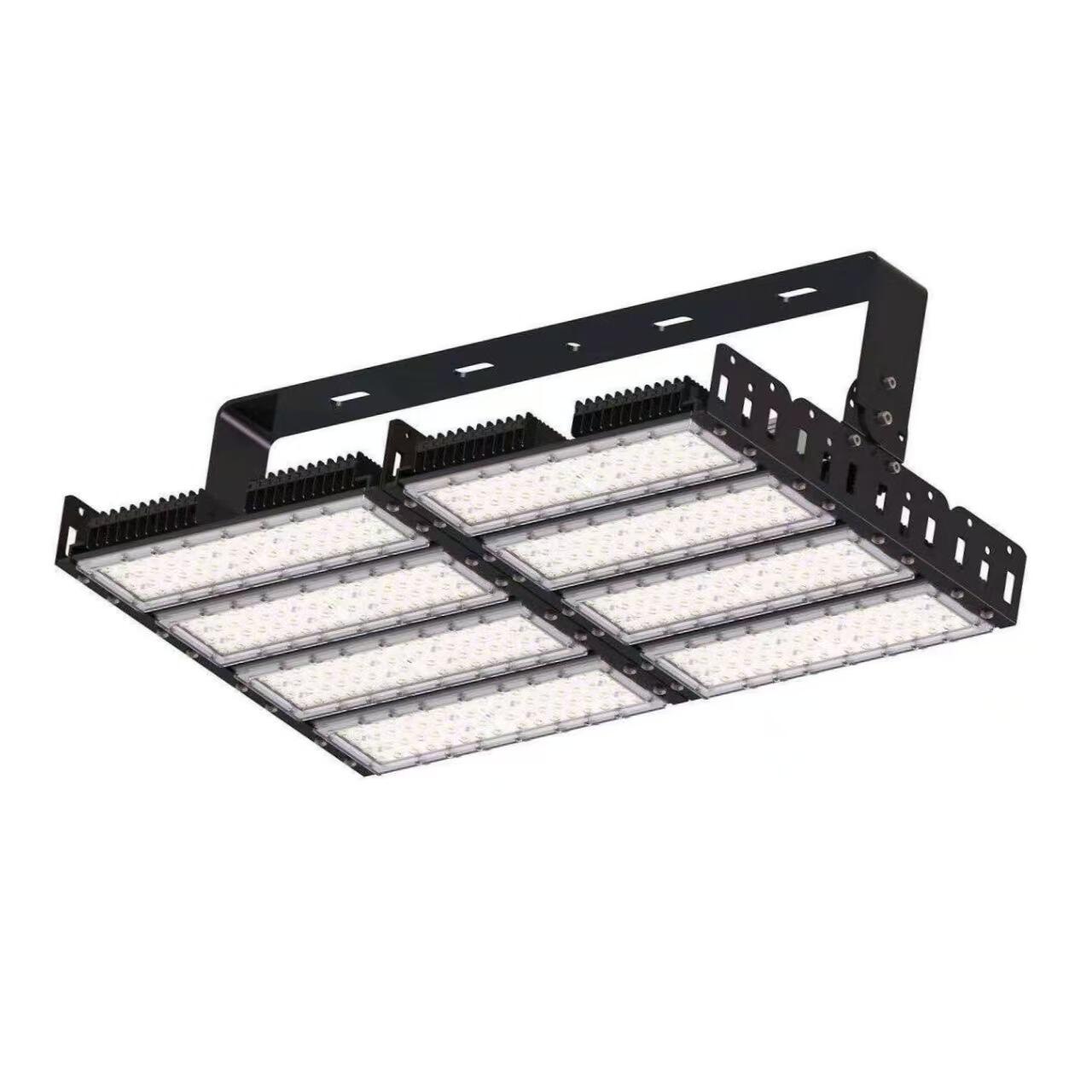
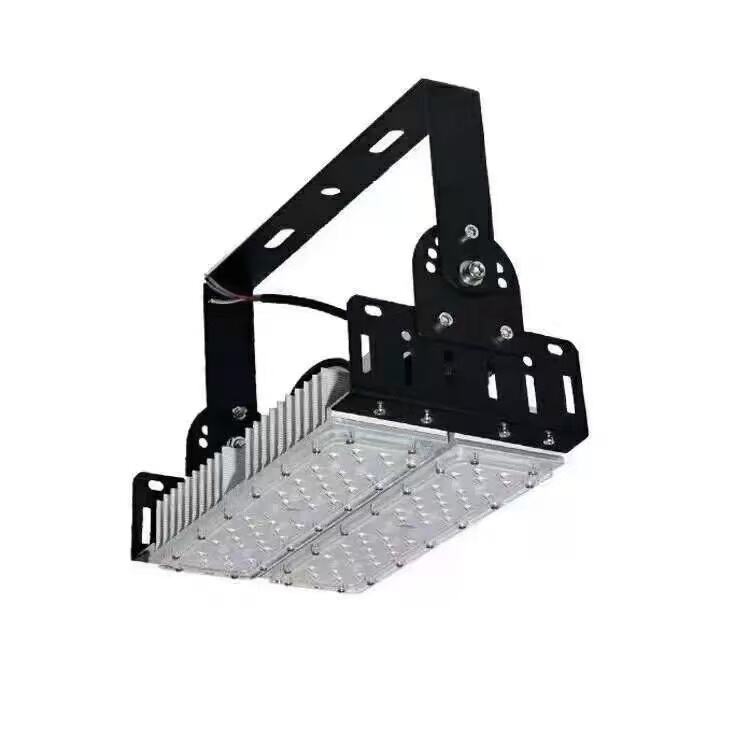
park street light
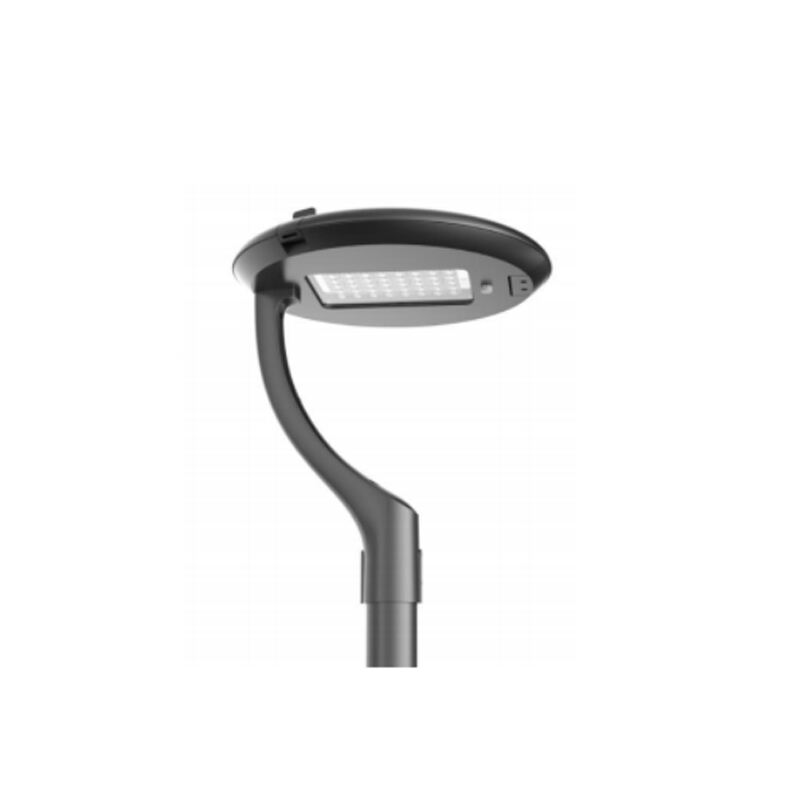
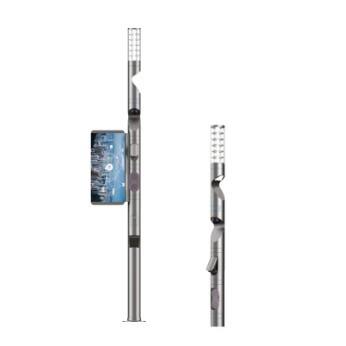
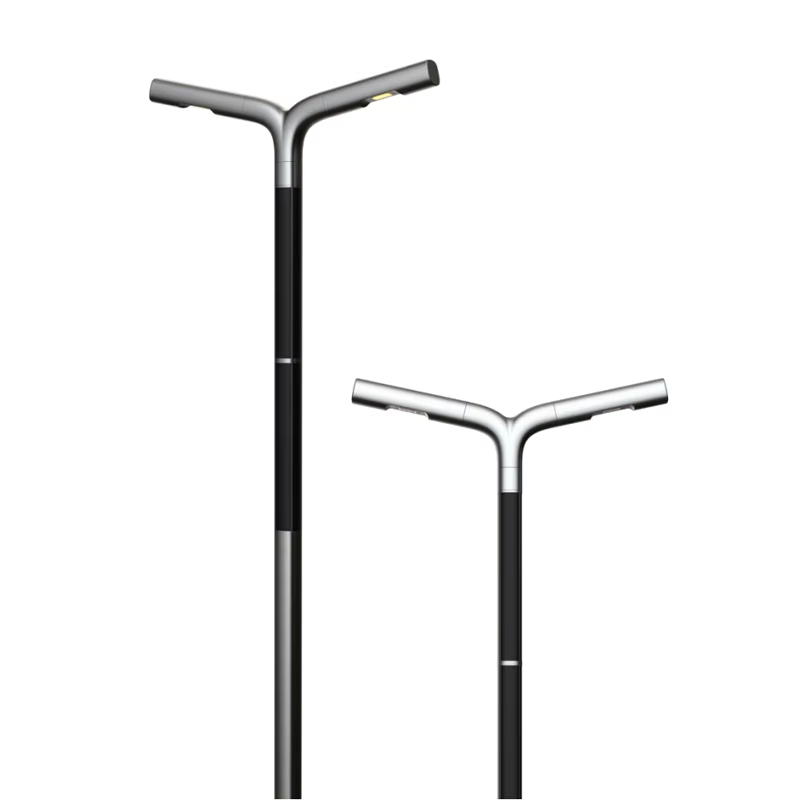
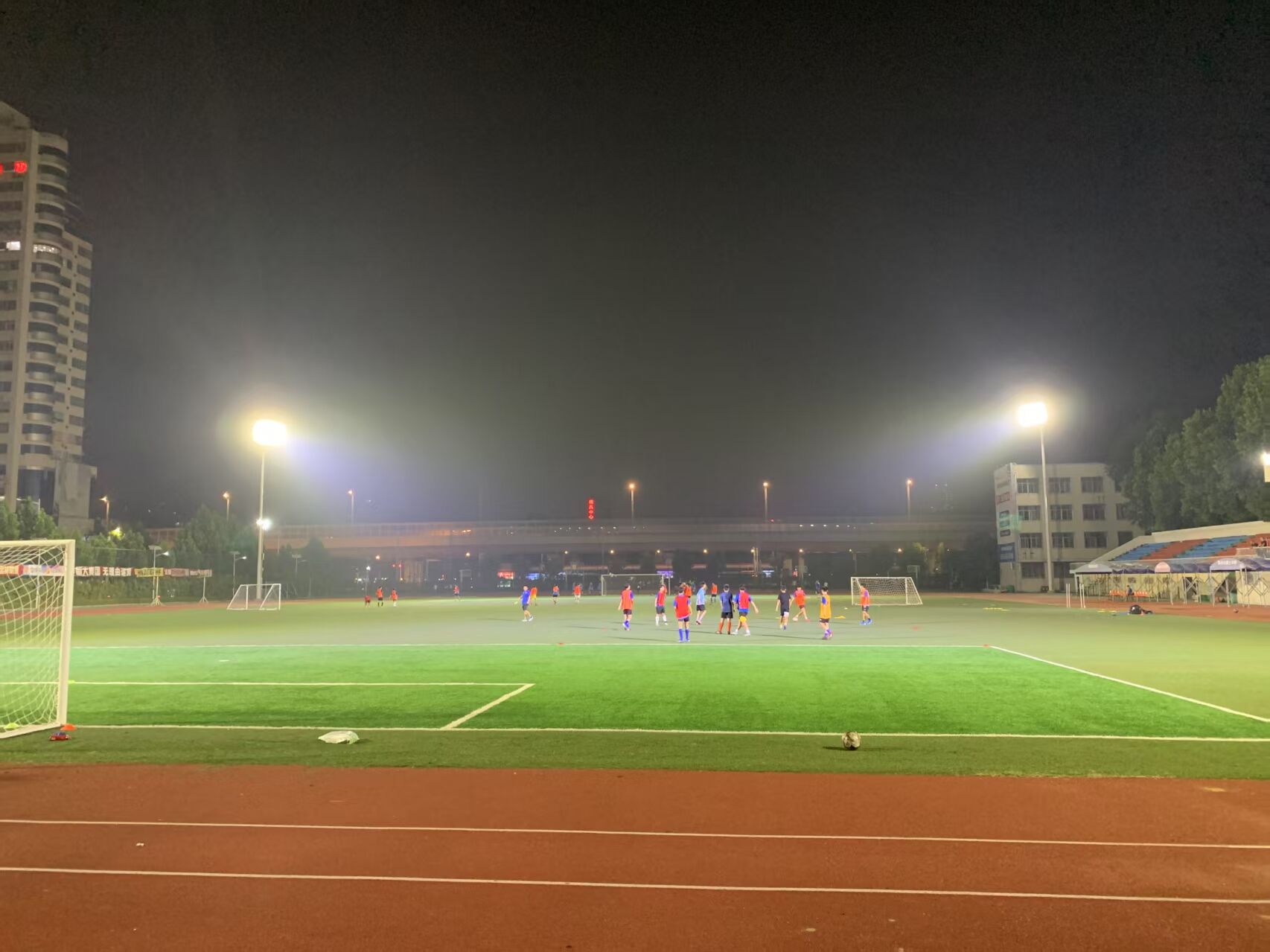
Park street light systems represent a fundamental infrastructure component that transforms outdoor public spaces into safe, accessible, and visually appealing environments during nighttime hours. These sophisticated illumination solutions combine advanced lighting technology with durable construction materials to deliver consistent performance across diverse weather conditions and operational demands. Modern park street light installations incorporate LED technology, smart control systems, and energy-efficient designs that significantly reduce operational costs while maximizing light output quality. The primary functions of park street light systems encompass pathway illumination, security enhancement, aesthetic improvement, and traffic guidance within recreational and public areas. These lighting solutions feature weather-resistant housings constructed from corrosion-resistant materials such as aluminum alloy or stainless steel, ensuring long-term durability against environmental elements including rain, snow, wind, and temperature fluctuations. Advanced park street light models integrate photocell sensors for automatic dusk-to-dawn operation, motion detection capabilities for enhanced security applications, and dimming functions that adjust brightness levels based on ambient conditions or time schedules. The technological features of contemporary park street light systems include high-efficiency LED chips that produce superior lumen output while consuming minimal electrical power, extending operational lifespan beyond traditional incandescent or fluorescent alternatives. Applications for park street light installations span municipal parks, recreational trails, pedestrian walkways, parking areas, residential communities, commercial complexes, and institutional campuses where reliable outdoor illumination enhances safety, security, and usability. These versatile lighting solutions accommodate various mounting configurations including pole-mounted, wall-mounted, and bollard-style installations to meet specific site requirements and architectural preferences while maintaining optimal light distribution patterns.

 EN
EN