street post lamp
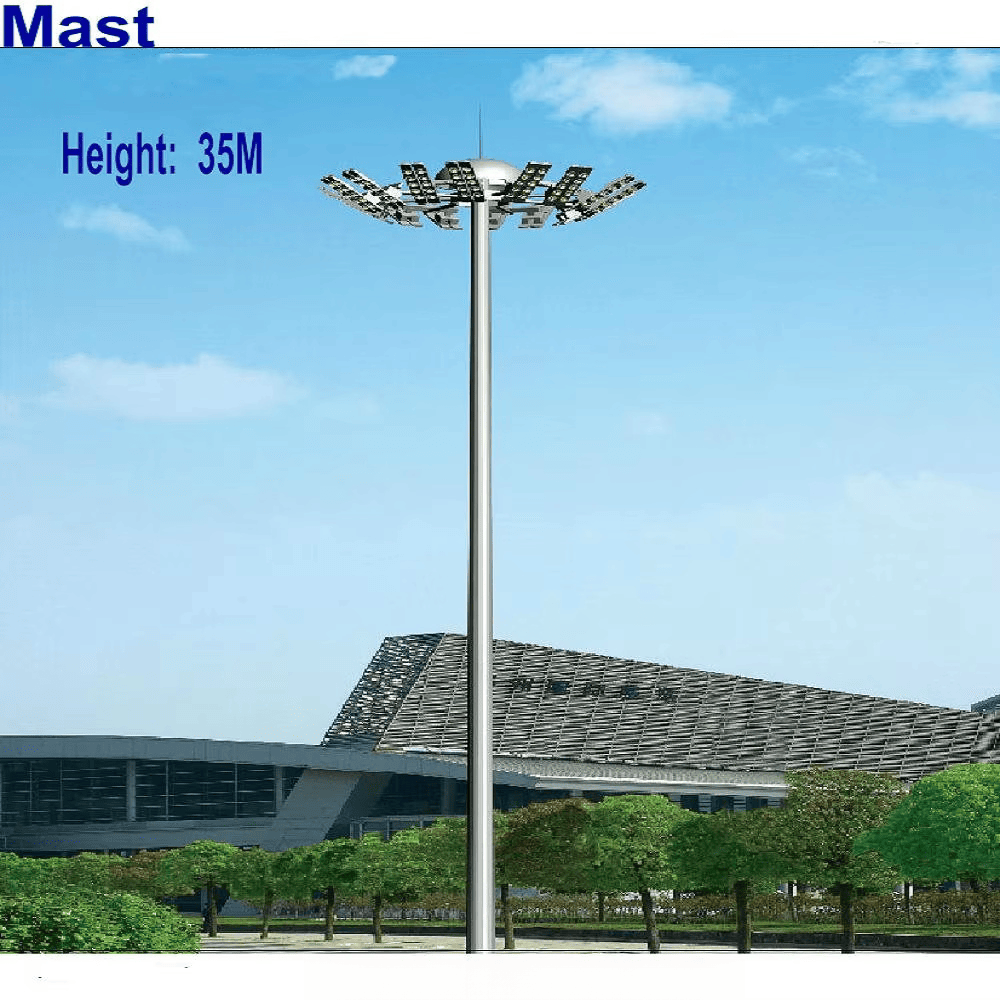
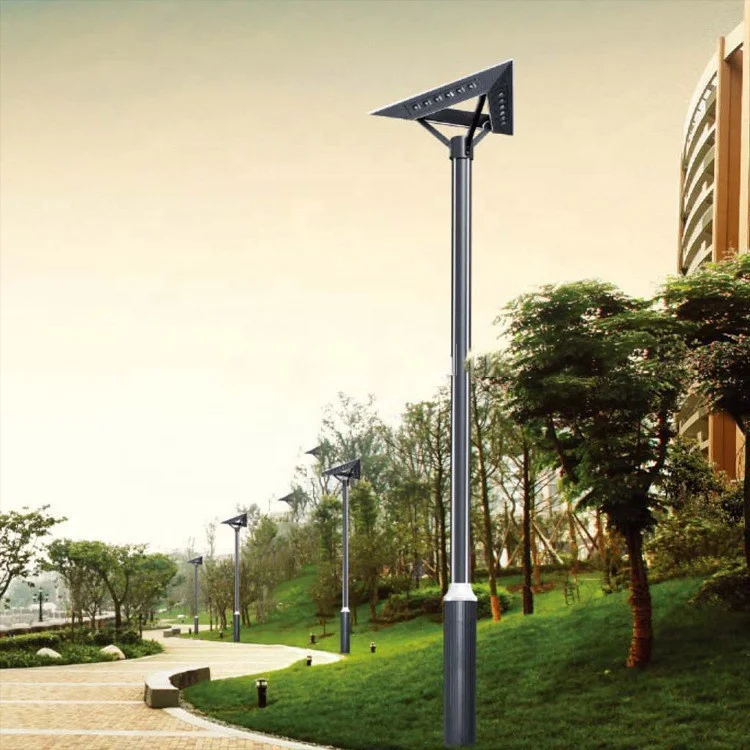
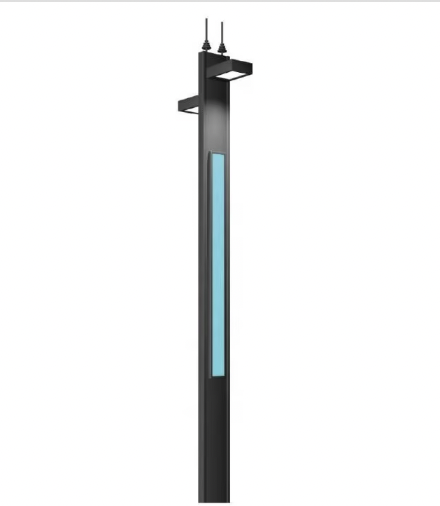
Street post lamps represent a fundamental component of modern urban infrastructure, serving as essential lighting solutions that enhance safety, security, and aesthetic appeal in public spaces. These vertical lighting fixtures combine robust engineering with sophisticated illumination technology to provide reliable outdoor lighting for streets, sidewalks, parks, and commercial areas. The street post lamp typically consists of a durable base, an upright pole, and a luminaire head that houses the light source and optical components. Modern street post lamp designs incorporate advanced LED technology, which delivers superior energy efficiency compared to traditional lighting methods. The construction materials commonly include weather-resistant aluminum, steel, or composite materials that withstand harsh environmental conditions including rain, snow, extreme temperatures, and UV radiation. These fixtures feature various mounting options and height configurations to accommodate different installation requirements and lighting coverage needs. The street post lamp serves multiple functions beyond basic illumination, including traffic guidance, crime deterrence, and urban beautification. Smart street post lamp systems now integrate sensors, wireless connectivity, and automated controls that enable remote monitoring and adaptive lighting responses. The photometric distribution of these fixtures ensures uniform light coverage while minimizing glare and light pollution. Installation versatility allows street post lamps to function effectively in residential neighborhoods, commercial districts, industrial complexes, and recreational facilities. The typical street post lamp operates on standard electrical connections while newer models support solar power integration and battery backup systems for enhanced reliability. Maintenance requirements remain minimal due to long-lasting LED components and corrosion-resistant housing materials. These lighting solutions contribute significantly to community safety by improving visibility during nighttime hours and adverse weather conditions, making them indispensable elements of comprehensive urban planning strategies.

 EN
EN