solar street lighting system
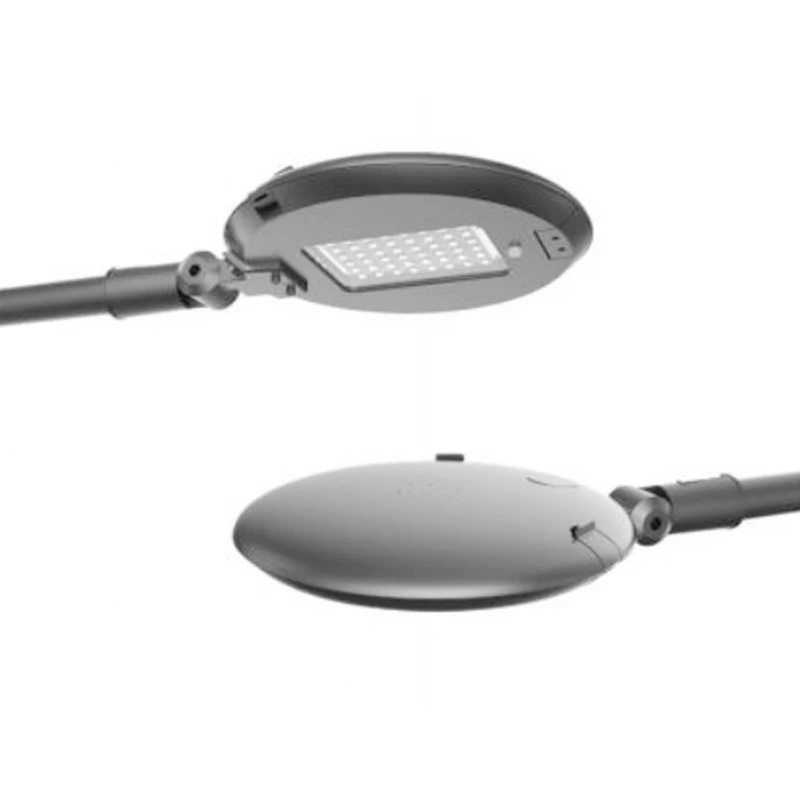
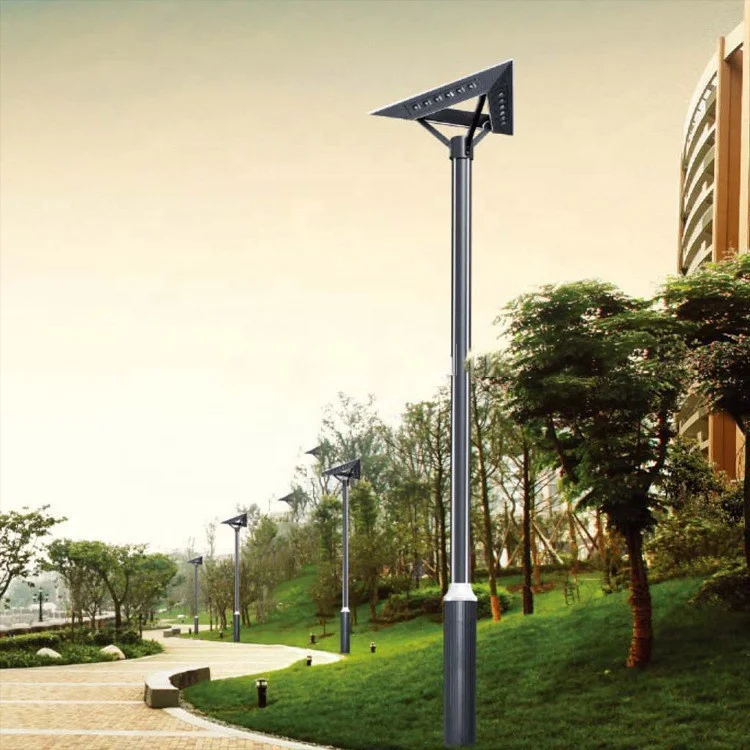
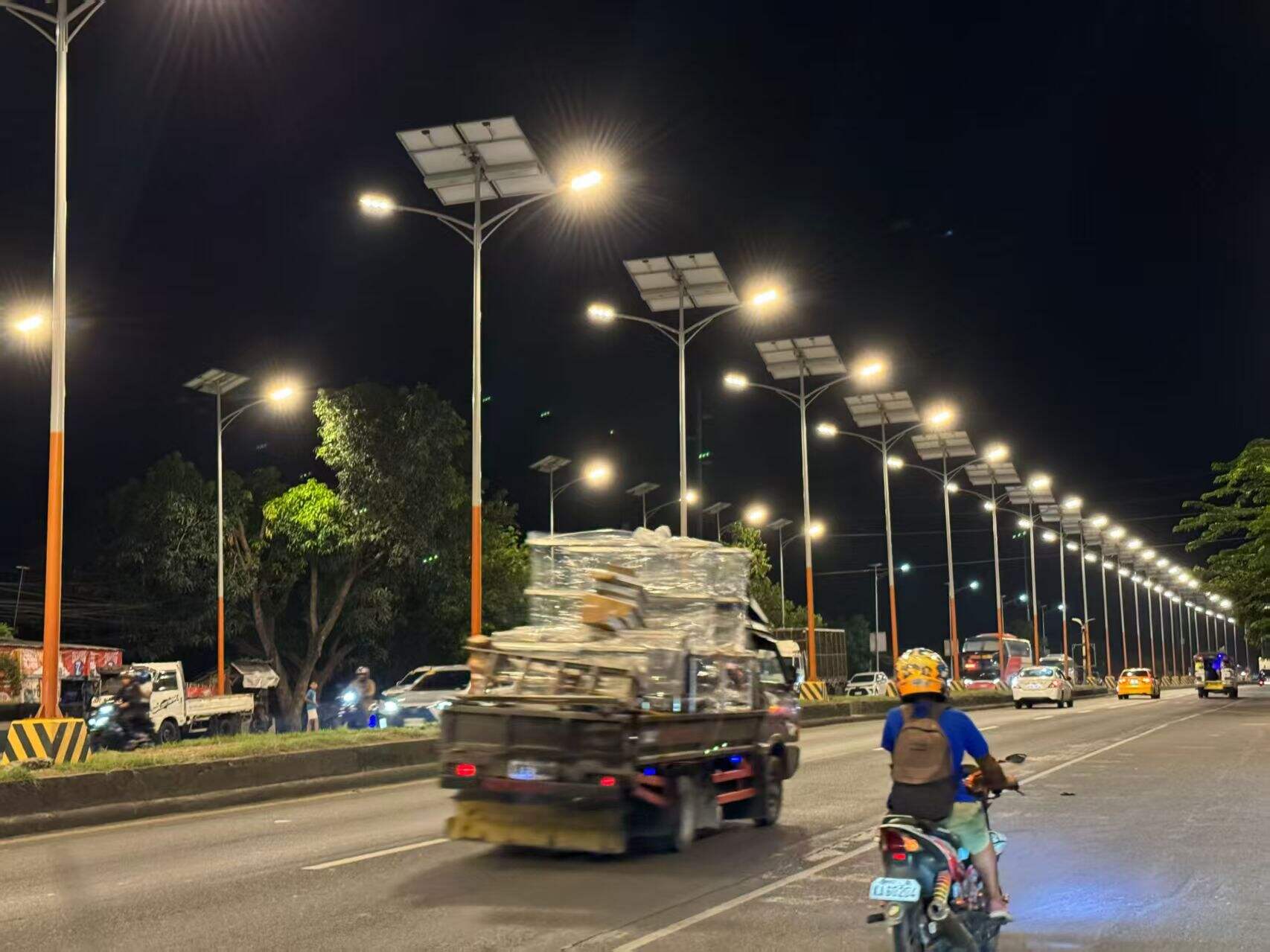
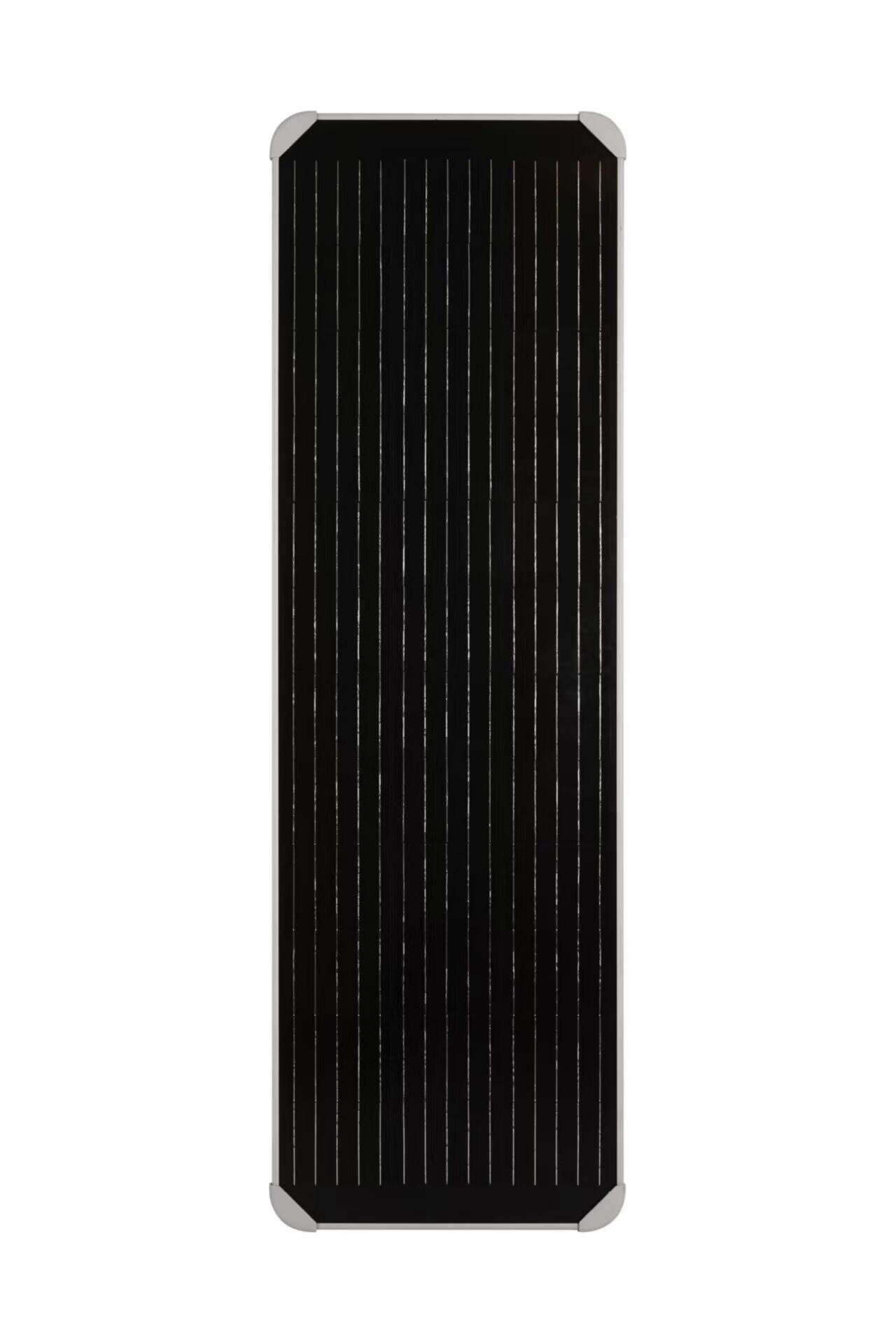
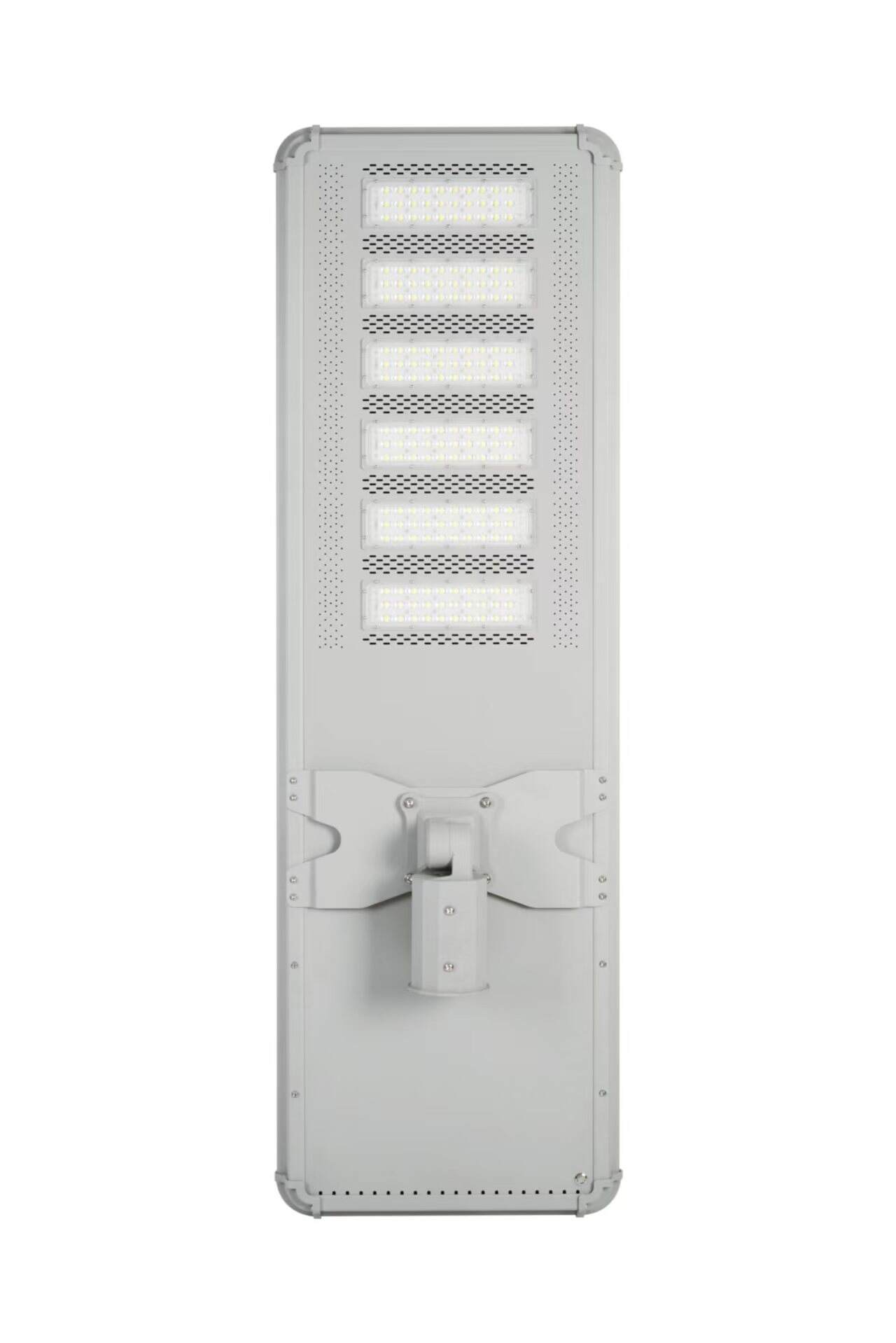
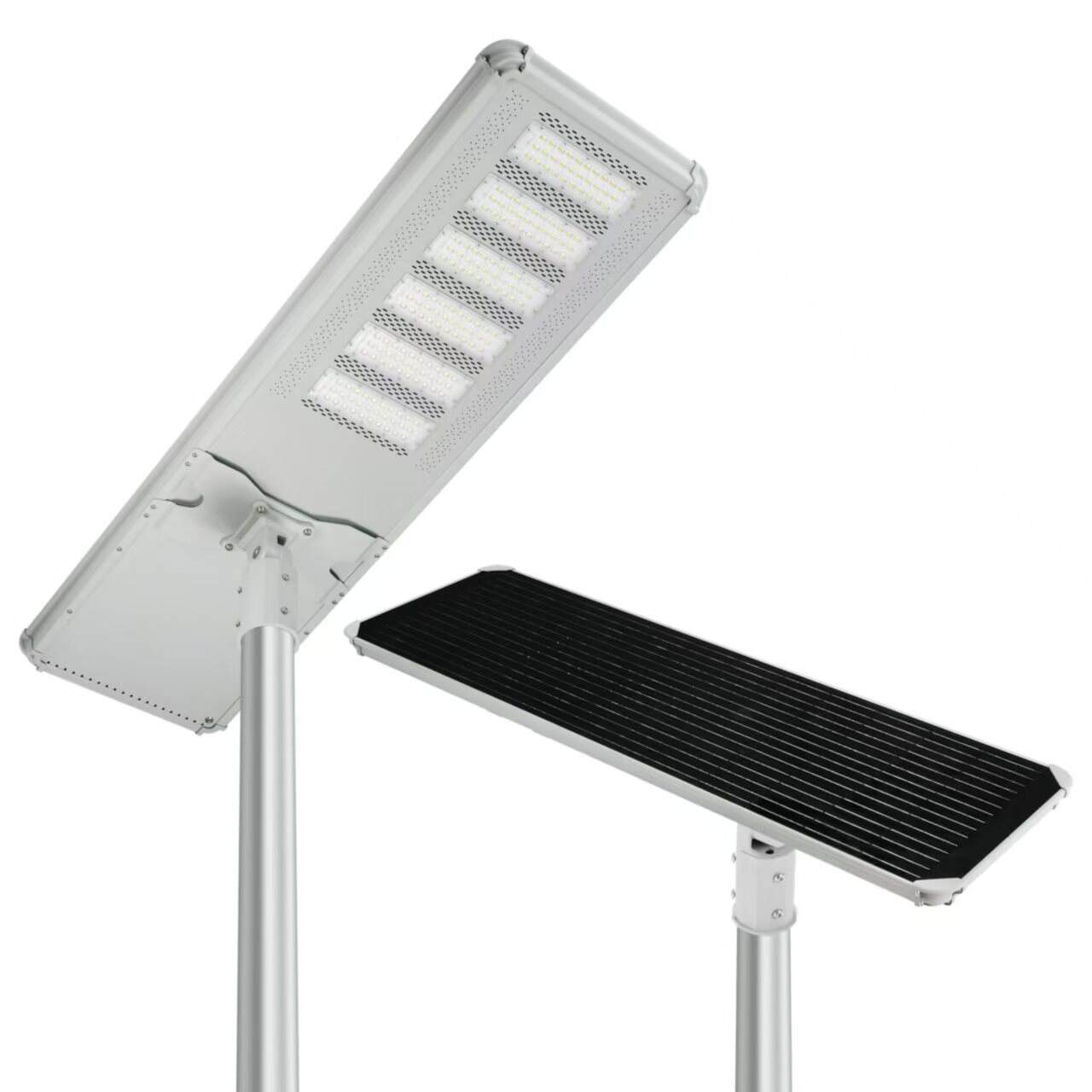
Solar street lighting systems represent a revolutionary approach to public illumination that harnesses renewable energy to power outdoor lighting infrastructure. These innovative systems operate independently from traditional electrical grids, utilizing photovoltaic panels to convert sunlight into electrical energy during daylight hours. The stored power feeds LED lights that automatically activate during nighttime hours, providing consistent and reliable illumination for streets, pathways, parking areas, and public spaces. Each solar street lighting system comprises several essential components working in harmony: high-efficiency solar panels, rechargeable battery storage units, intelligent control systems, LED luminaires, and sturdy mounting structures. The photovoltaic panels capture solar radiation throughout the day, converting it into direct current electricity that charges the integrated battery system. Advanced microprocessors manage power distribution, ensuring optimal performance while protecting against overcharging and deep discharge cycles. Modern solar street lighting systems incorporate smart sensors that detect ambient light levels, automatically switching the LED fixtures on at dusk and off at dawn. Many units feature motion detection capabilities that increase brightness when pedestrians or vehicles approach, conserving energy during low-traffic periods. The LED technology employed in these systems delivers superior luminous efficacy compared to traditional lighting solutions, producing more light per watt consumed. Installation flexibility makes solar street lighting systems ideal for diverse applications including residential neighborhoods, commercial districts, industrial complexes, rural roads, parks, campuses, and remote locations where grid connection proves challenging or costly. These systems eliminate the need for extensive trenching, underground cabling, and electrical infrastructure, significantly reducing installation complexity and associated expenses. Weather-resistant construction ensures reliable operation across various climatic conditions, while programmable controls allow customization of lighting schedules and brightness levels to meet specific requirements and optimize energy consumption patterns for maximum efficiency and performance.

 EN
EN