Weather-Resistant Construction and Durability Engineering
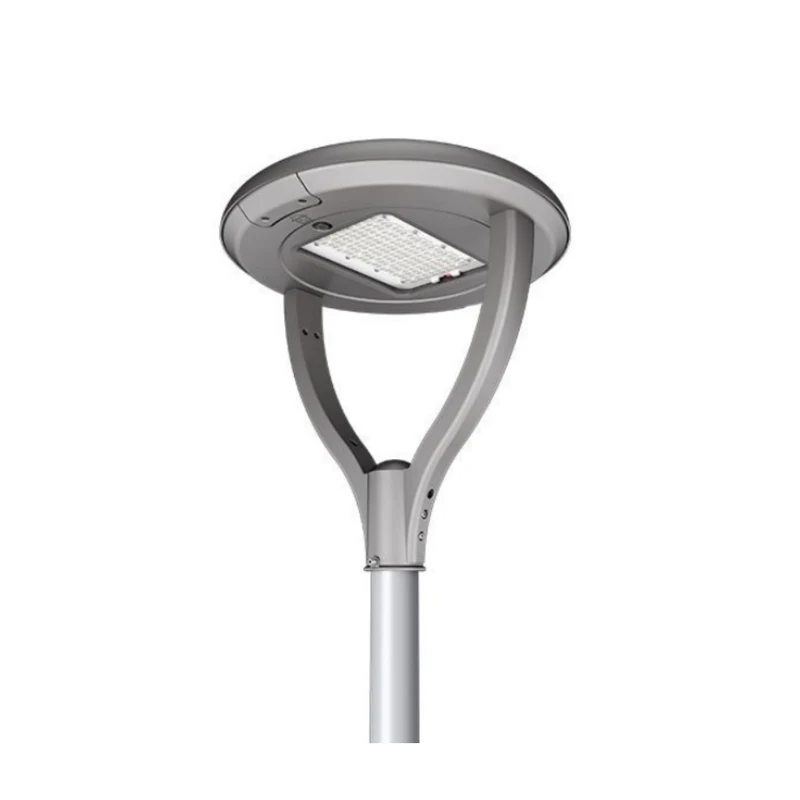
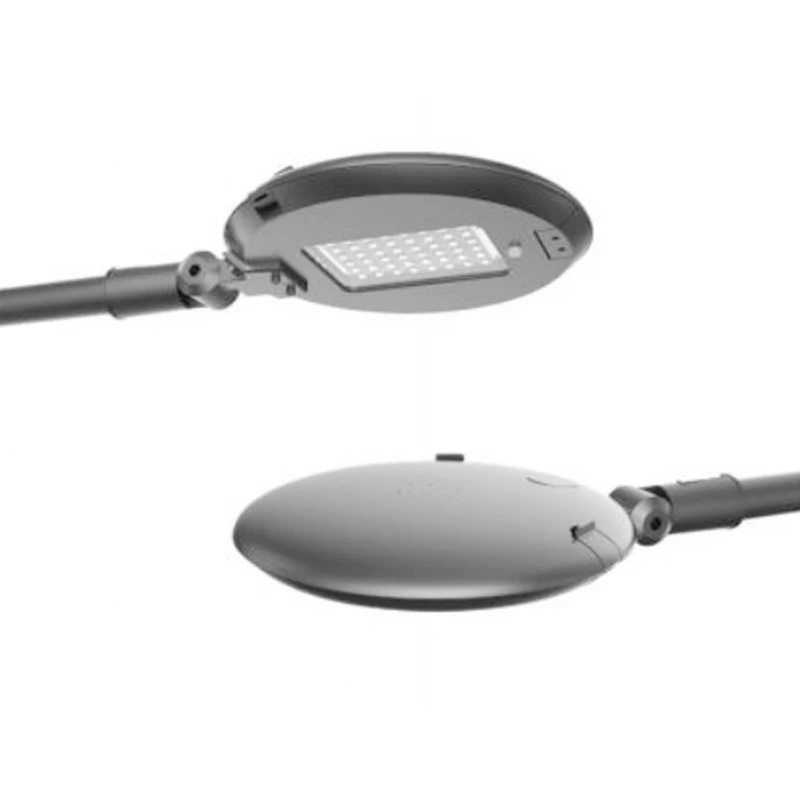
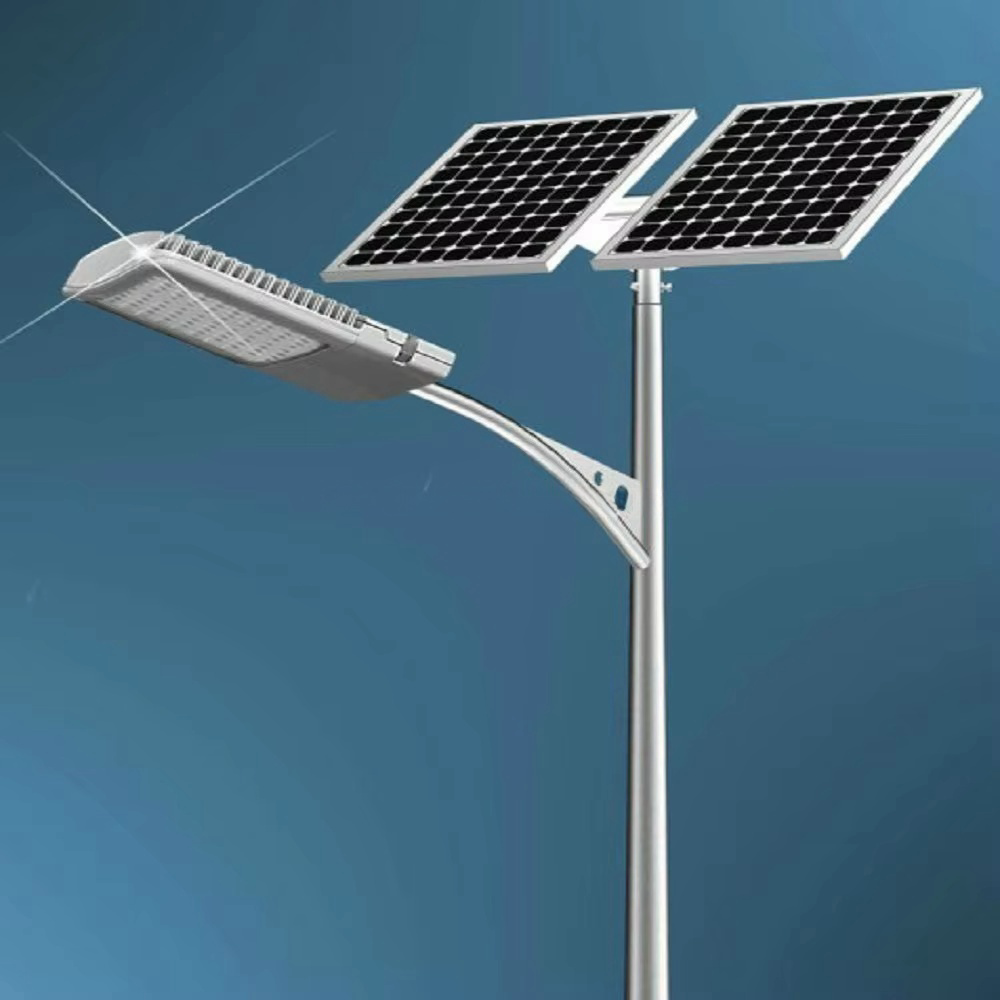
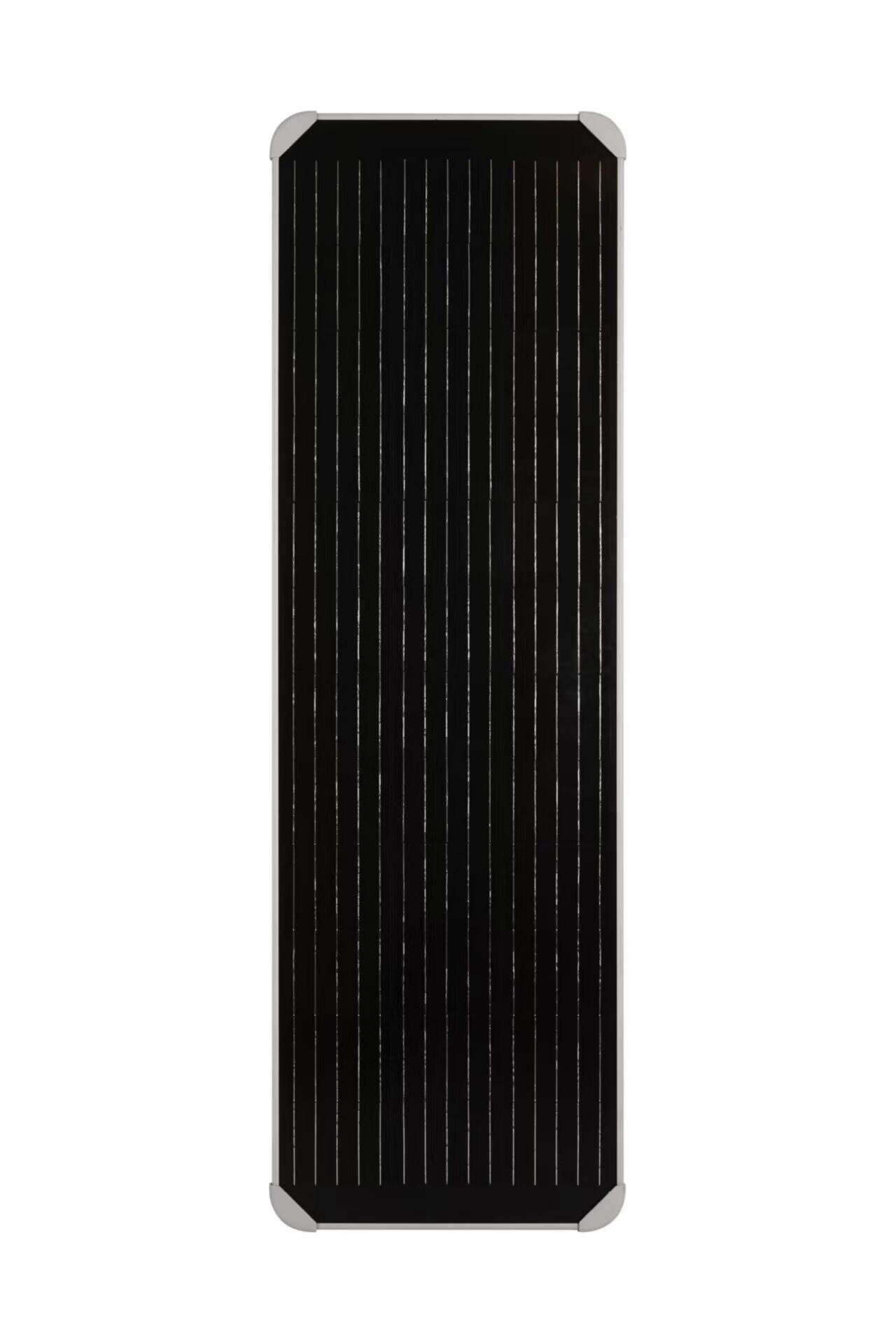
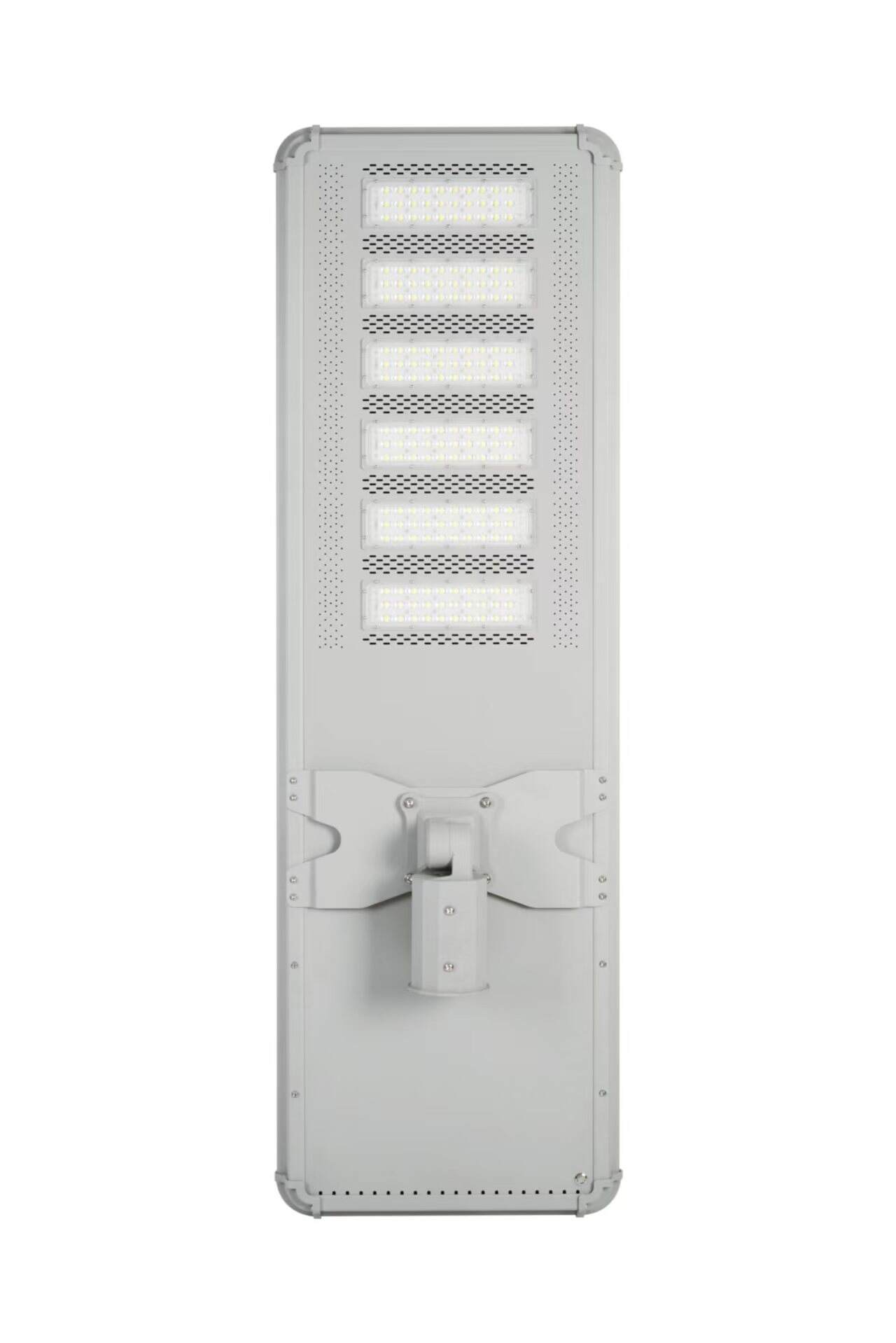
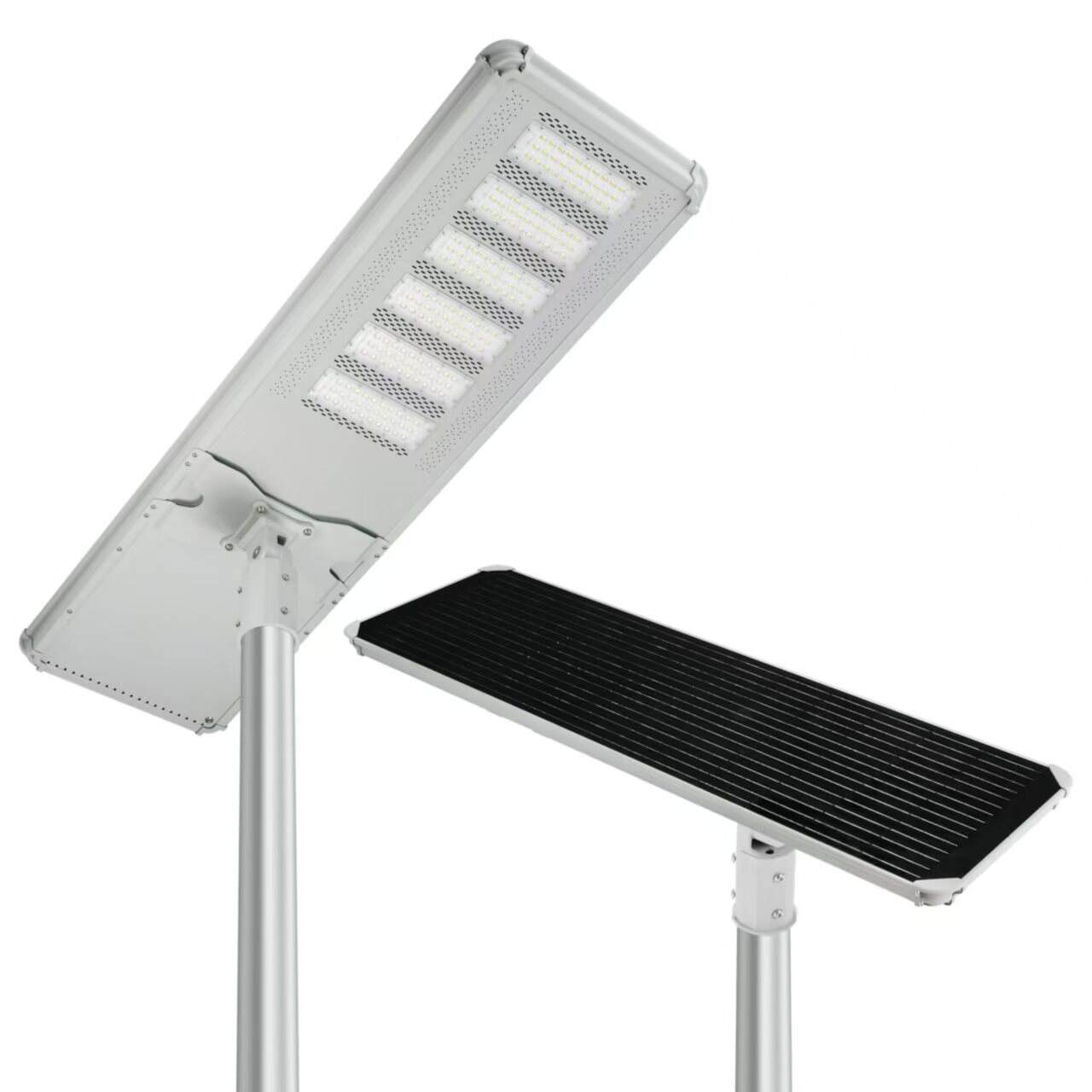
Solar light for road systems employ military-grade construction materials and engineering techniques designed to withstand the harshest environmental conditions while maintaining consistent performance and structural integrity over decades of continuous outdoor operation. The housing construction utilizes marine-grade aluminum alloys with advanced corrosion-resistant coatings that protect against salt air, acid rain, industrial pollutants, and other corrosive elements commonly encountered in roadway environments. Weatherproof sealing systems incorporate multiple barrier technologies including O-ring seals, gasket compression systems, and specialized sealants that achieve IP67 waterproof ratings, ensuring complete protection against water ingress during heavy rainfall, flooding, or high-pressure washing activities. The solar light for road features impact-resistant polycarbonate lenses and protective covers engineered to withstand vandalism attempts, accidental vehicle contact, and severe weather events including hail storms and windborne debris impacts. Temperature compensation design elements ensure reliable operation across extreme temperature ranges from sub-zero winter conditions to intense summer heat exposure exceeding 60 degrees Celsius. Vibration dampening systems protect sensitive electronic components from mechanical stress caused by traffic vibrations, wind oscillations, and seismic activity that could compromise system reliability over time. The structural engineering incorporates wind load calculations and mounting systems designed to resist hurricane-force winds while maintaining stable positioning and optimal solar panel orientation. UV-resistant materials throughout the construction prevent degradation from prolonged solar exposure, maintaining structural integrity and aesthetic appearance throughout the operational lifespan. Salt spray resistance testing ensures reliable performance in coastal environments where salt corrosion accelerates material degradation in conventional lighting systems. The solar light for road utilizes modular component design that facilitates field replacement of individual elements without requiring specialized tools or extensive disassembly procedures. Quality control testing includes thermal cycling, humidity exposure, vibration testing, and accelerated aging procedures that validate long-term reliability before product release. Advanced cable management systems protect electrical connections from moisture infiltration, mechanical stress, and thermal expansion that could cause connection failures or performance degradation over time.
 EN
EN