solar induction street light
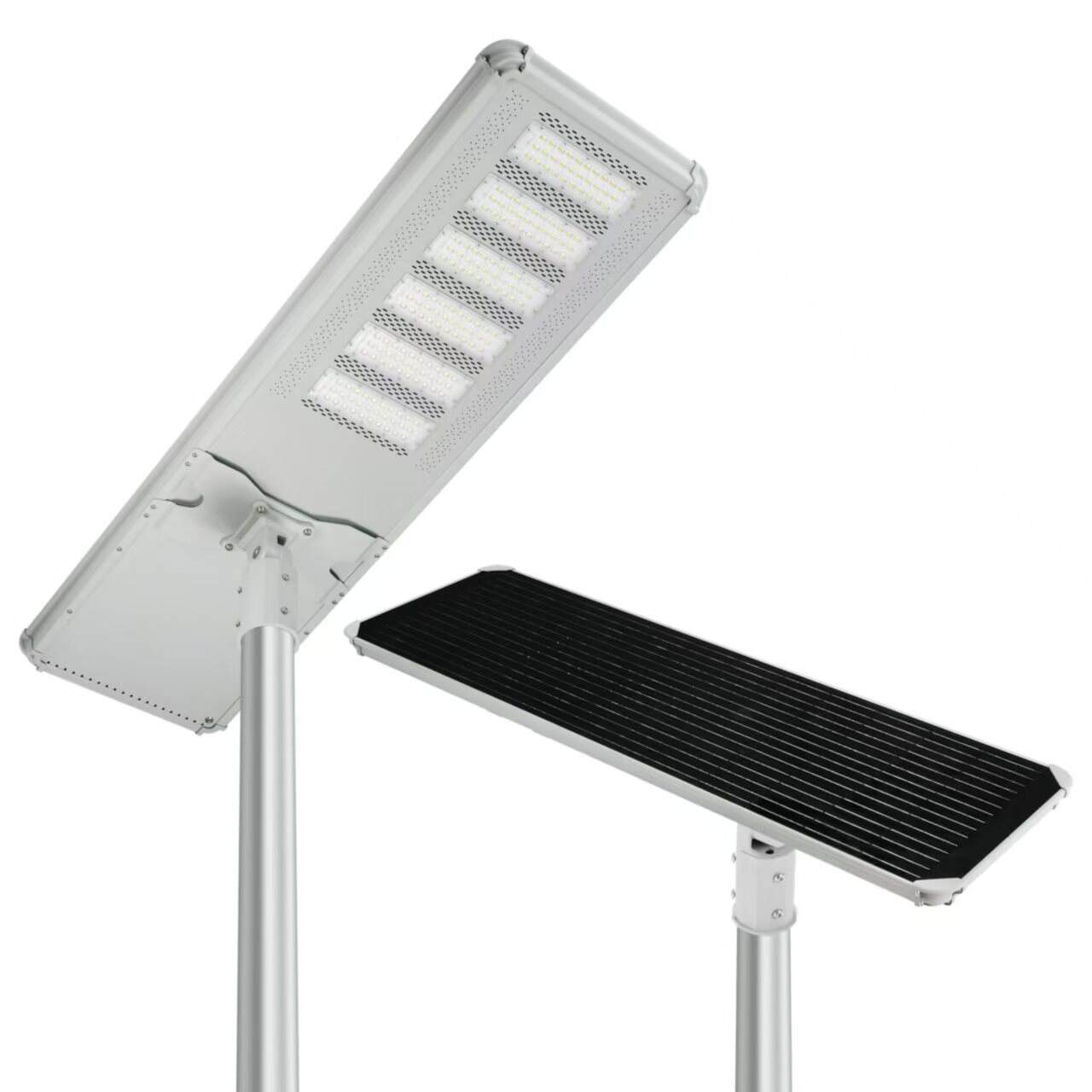
Solar induction street lights represent a revolutionary advancement in outdoor lighting technology, combining the power of renewable solar energy with innovative motion detection capabilities. These intelligent lighting systems harness sunlight during daytime hours through high-efficiency photovoltaic panels, storing this energy in durable lithium-ion batteries for nighttime illumination. The solar induction street light operates autonomously, requiring no external electrical connections or ongoing power costs, making it an ideal solution for remote locations, residential streets, commercial properties, and municipal lighting projects. The core functionality revolves around sophisticated PIR (passive infrared) sensors that detect human movement and vehicle presence within a predetermined range. When motion is detected, the solar induction street light automatically brightens to full intensity, providing optimal visibility and security. During periods of inactivity, the system operates in a dimmed mode to conserve battery power while maintaining basic ambient lighting. This intelligent operation extends battery life significantly and ensures reliable performance throughout the night. Modern solar induction street light units incorporate advanced LED technology, delivering exceptional brightness levels measured in lumens while consuming minimal energy. The LED chips typically last 50,000 hours or more, dramatically reducing maintenance requirements compared to traditional lighting solutions. Weather-resistant construction featuring IP65 or higher ratings protects internal components from rain, snow, dust, and extreme temperatures. Installation proves remarkably simple, requiring only basic mounting hardware and no trenching for electrical cables. The solar induction street light automatically adjusts its charging and lighting schedules based on seasonal daylight variations, ensuring consistent performance year-round. These systems find applications in residential neighborhoods, parking lots, pathways, parks, industrial facilities, and remote areas where traditional electrical infrastructure proves impractical or expensive to implement.

 EN
EN