solar panel street light price
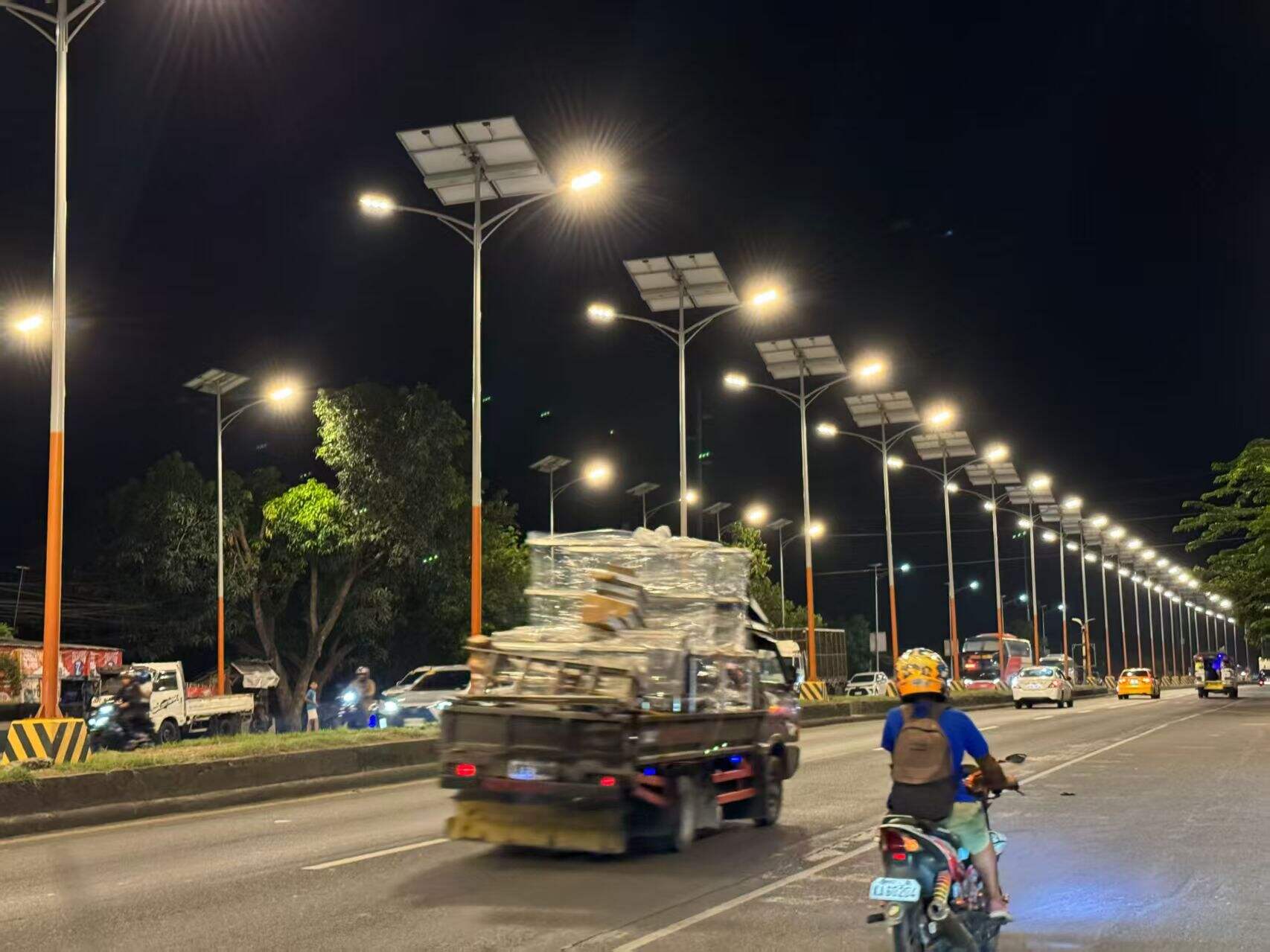
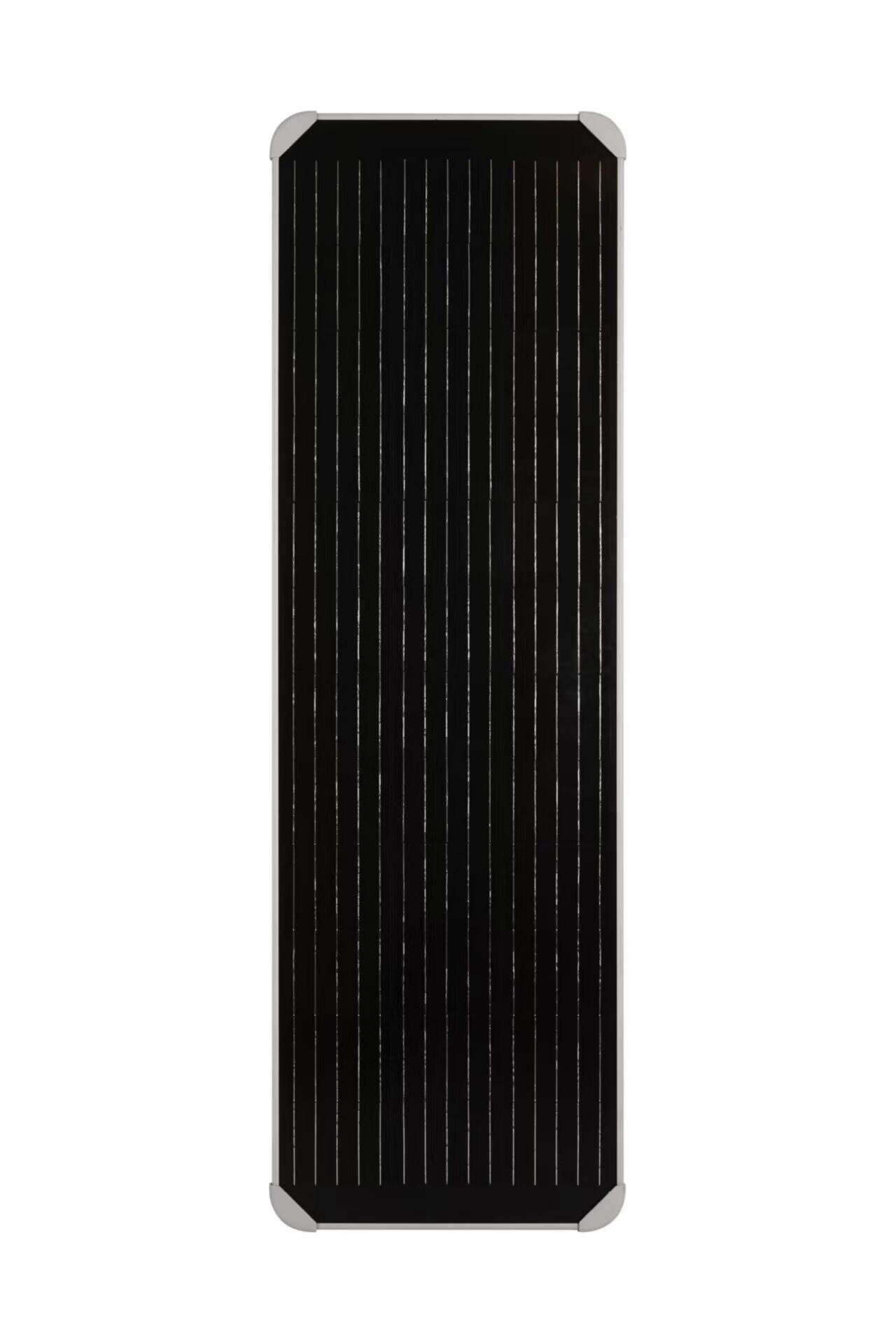
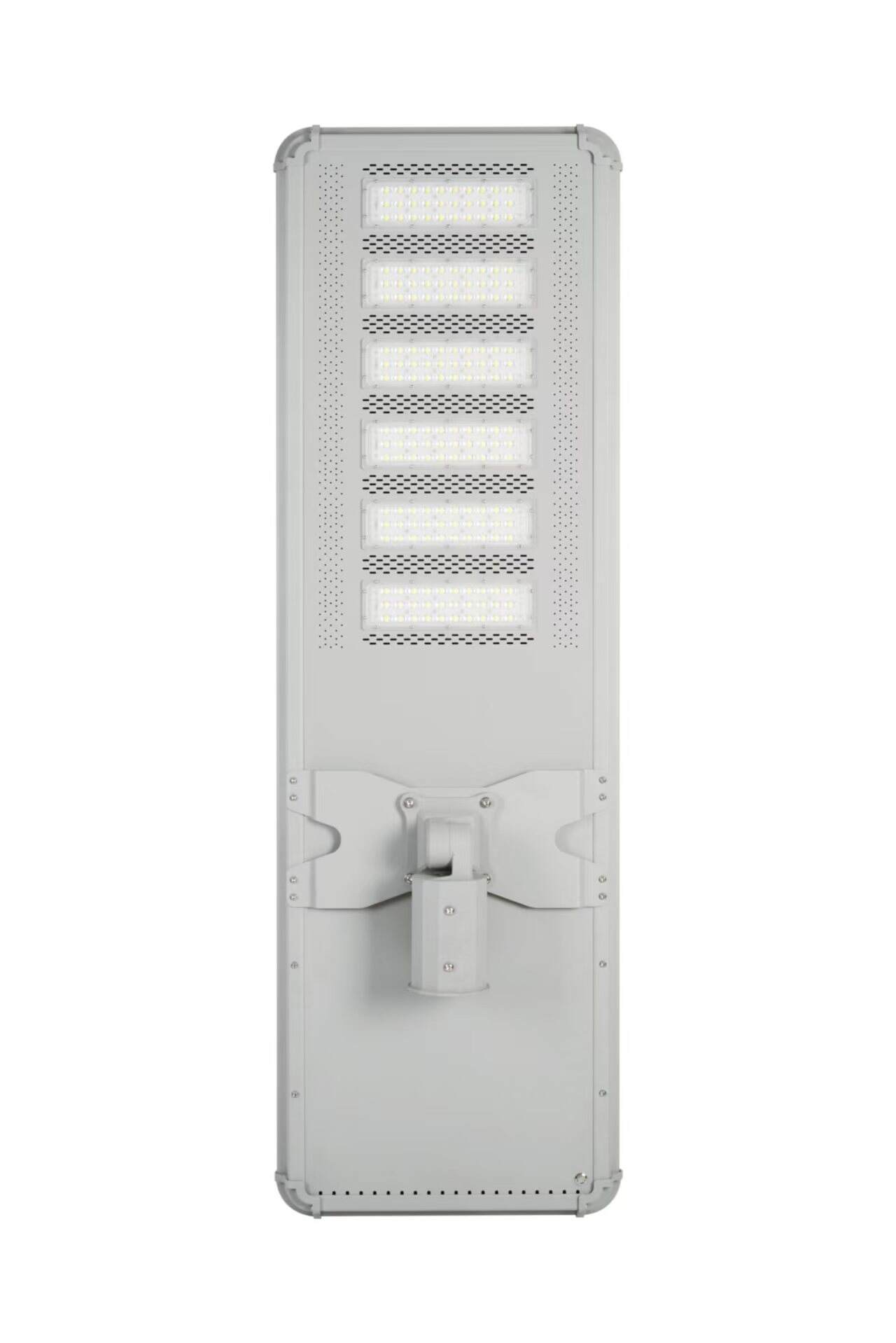
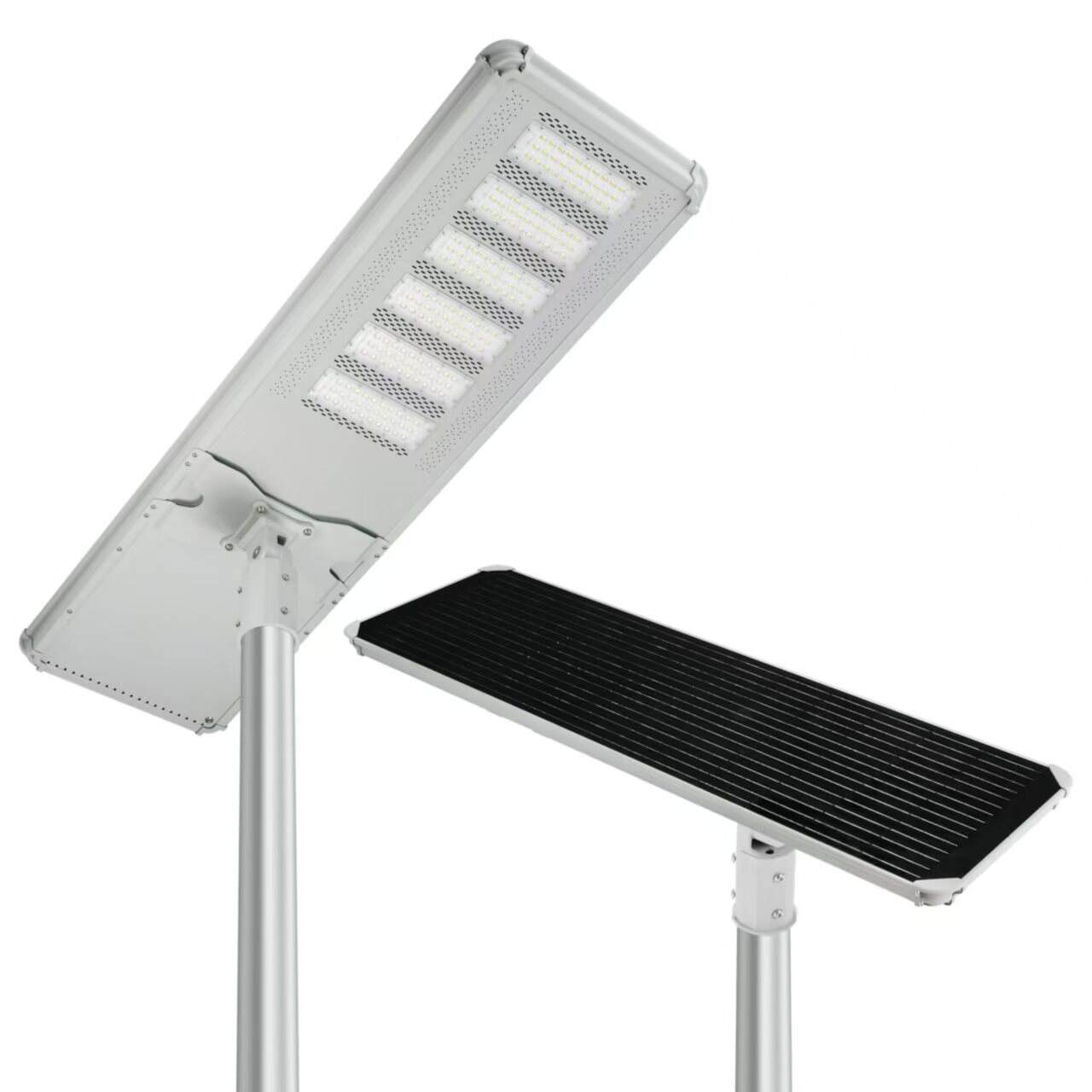
Solar panel street light price has become a critical consideration for municipalities, businesses, and property developers seeking sustainable outdoor lighting solutions. These innovative lighting systems combine photovoltaic panels, LED fixtures, and battery storage into standalone units that operate independently from the electrical grid. The solar panel street light price varies significantly based on several factors including wattage output, battery capacity, installation complexity, and additional smart features. Modern solar street lights typically range from basic models starting around $200 to premium systems exceeding $2,000 per unit, with most commercial-grade installations falling between $500 to $1,200 per light. The main functions of these systems include automated dusk-to-dawn operation, motion sensing capabilities, remote monitoring, and weather-resistant performance. Technological features encompass high-efficiency monocrystalline or polycrystalline solar panels, lithium-ion battery systems with 5-7 year lifespans, advanced LED chips producing 3,000 to 15,000 lumens, and intelligent controllers managing power distribution. Applications span residential neighborhoods, commercial parking lots, highway systems, parks, walkways, and rural areas lacking electrical infrastructure. The solar panel street light price reflects sophisticated engineering that ensures reliable operation through varying weather conditions, with many systems providing 3-5 nights of continuous operation after full solar charging. Smart variants include wireless connectivity, dimming schedules, fault detection alerts, and integration with city management platforms. Installation considerations affecting solar panel street light price include foundation requirements, pole specifications, local solar irradiance levels, and maintenance accessibility. Quality certifications such as IP65 weatherproofing, CE compliance, and FCC approvals contribute to pricing variations while ensuring long-term durability and performance standards that justify the initial investment through reduced operational costs and environmental benefits.

 EN
EN