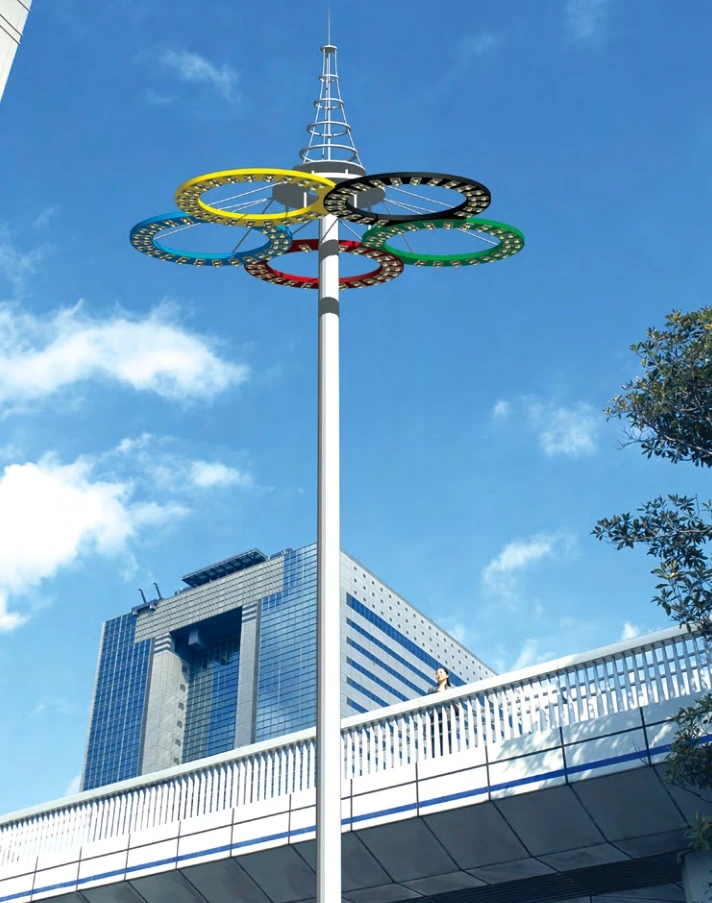
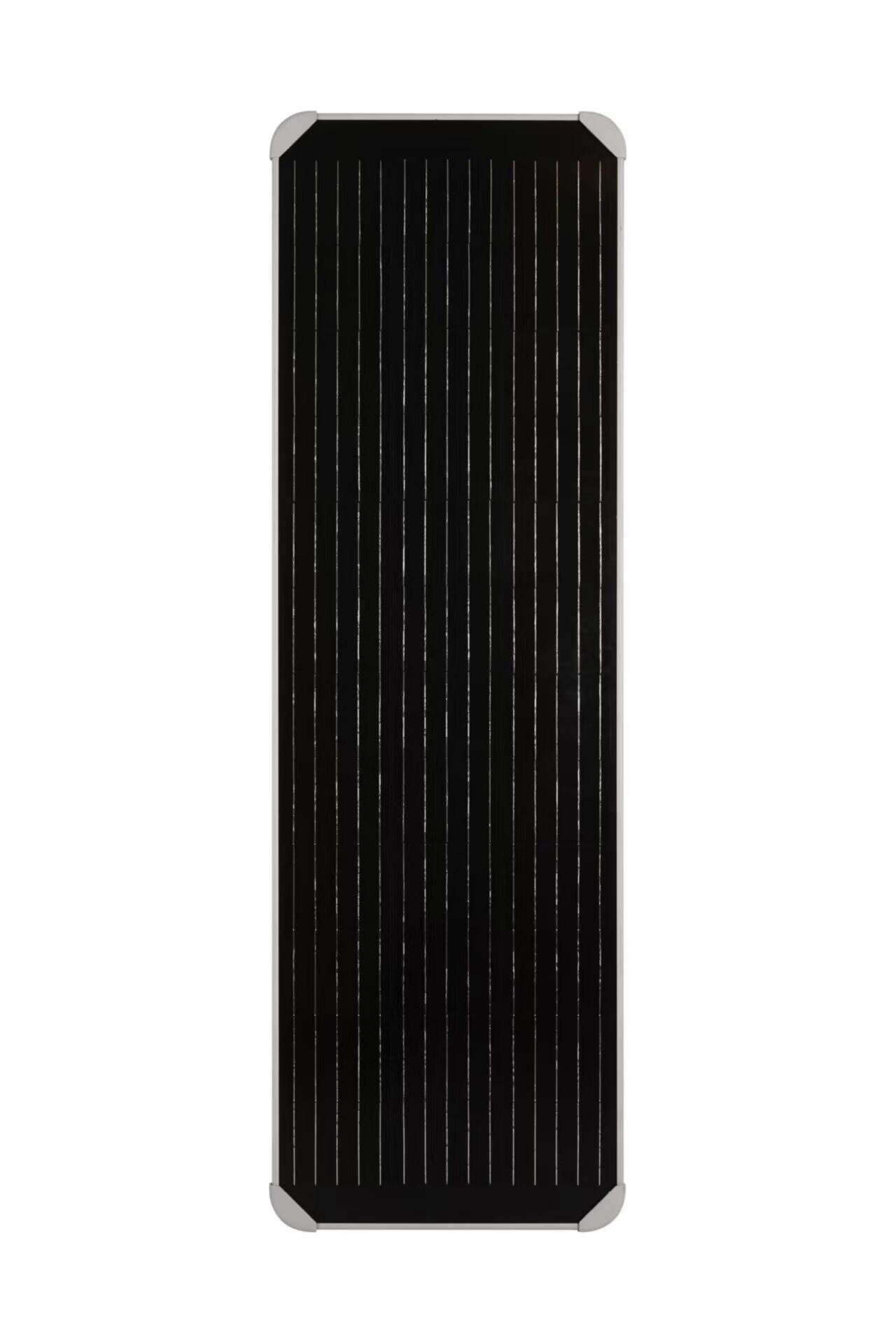
light post street
Light post street represents a revolutionary advancement in urban infrastructure, combining traditional street lighting with cutting-edge smart technology to create comprehensive illumination solutions for modern cities. These innovative lighting systems serve as the backbone of contemporary urban development, providing essential visibility for pedestrians, cyclists, and vehicles while integrating multiple technological features that enhance safety, efficiency, and connectivity throughout urban environments. The primary functions of light post street systems extend far beyond simple illumination, encompassing intelligent traffic management, environmental monitoring, emergency communication, and wireless connectivity services. Modern light post street installations utilize advanced LED technology that delivers superior brightness levels while consuming significantly less energy compared to conventional lighting methods. The technological features embedded within these systems include motion sensors that automatically adjust brightness based on pedestrian and vehicle activity, weather monitoring capabilities that provide real-time environmental data, and integrated cameras for enhanced security surveillance. Many light post street units incorporate wireless charging stations for electric vehicles and mobile devices, along with digital display panels that can broadcast important community information, emergency alerts, and wayfinding assistance. The applications of light post street technology span across residential neighborhoods, commercial districts, industrial areas, parks, recreational facilities, and transportation corridors. These versatile systems adapt seamlessly to various urban settings, providing customizable lighting solutions that meet specific community needs while maintaining consistent performance standards. Smart connectivity features enable remote monitoring and control, allowing municipal authorities to optimize energy consumption, schedule maintenance activities, and respond quickly to service disruptions. The integration of renewable energy sources, such as solar panels and wind generators, makes light post street installations environmentally sustainable while reducing operational costs for cities and communities seeking efficient infrastructure solutions.

 EN
EN