Premium 1 Stainless Steel Tubing - Superior Corrosion Resistance & Industrial Performance

All Categories

1 stainless steel tubing

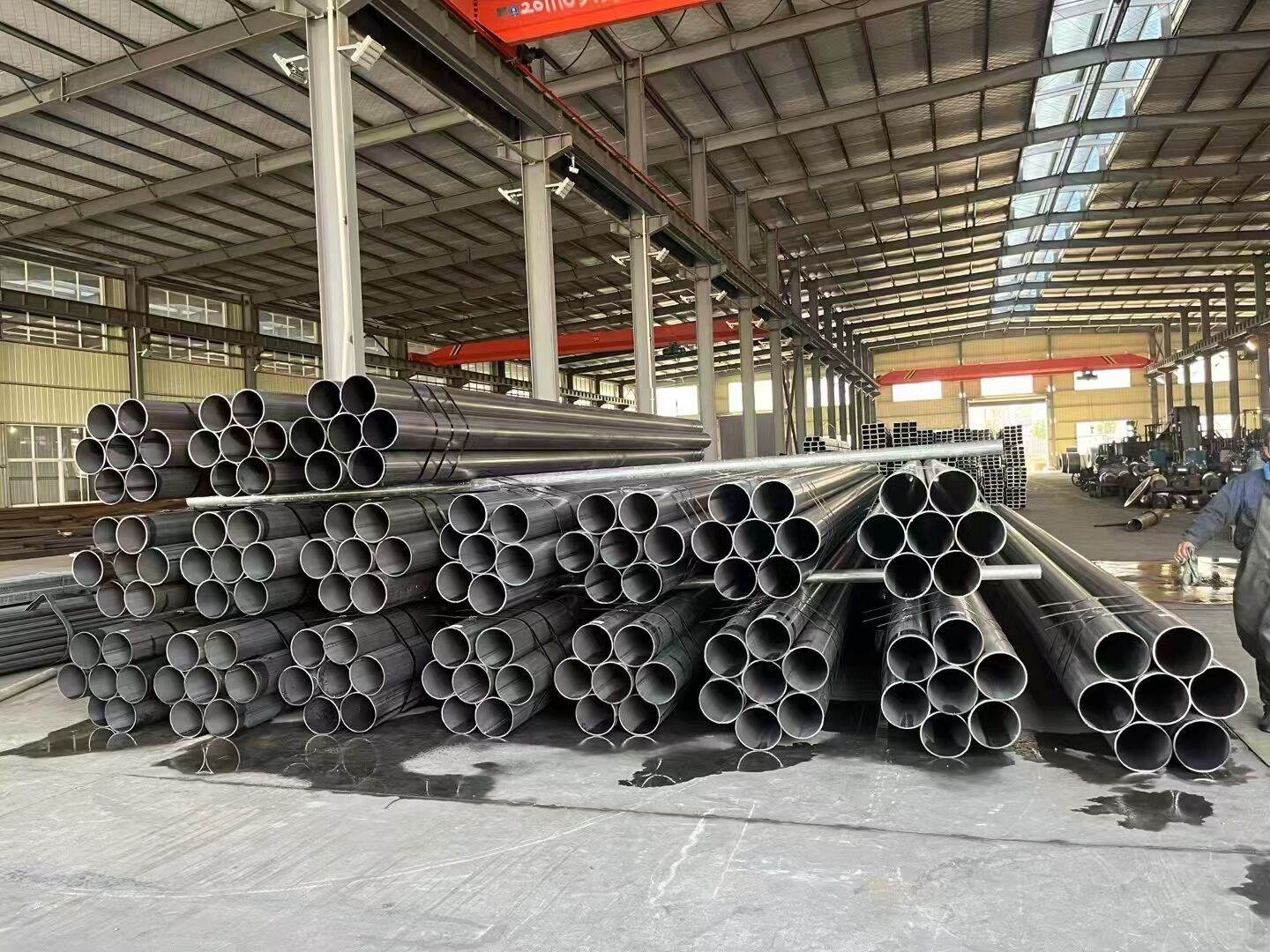
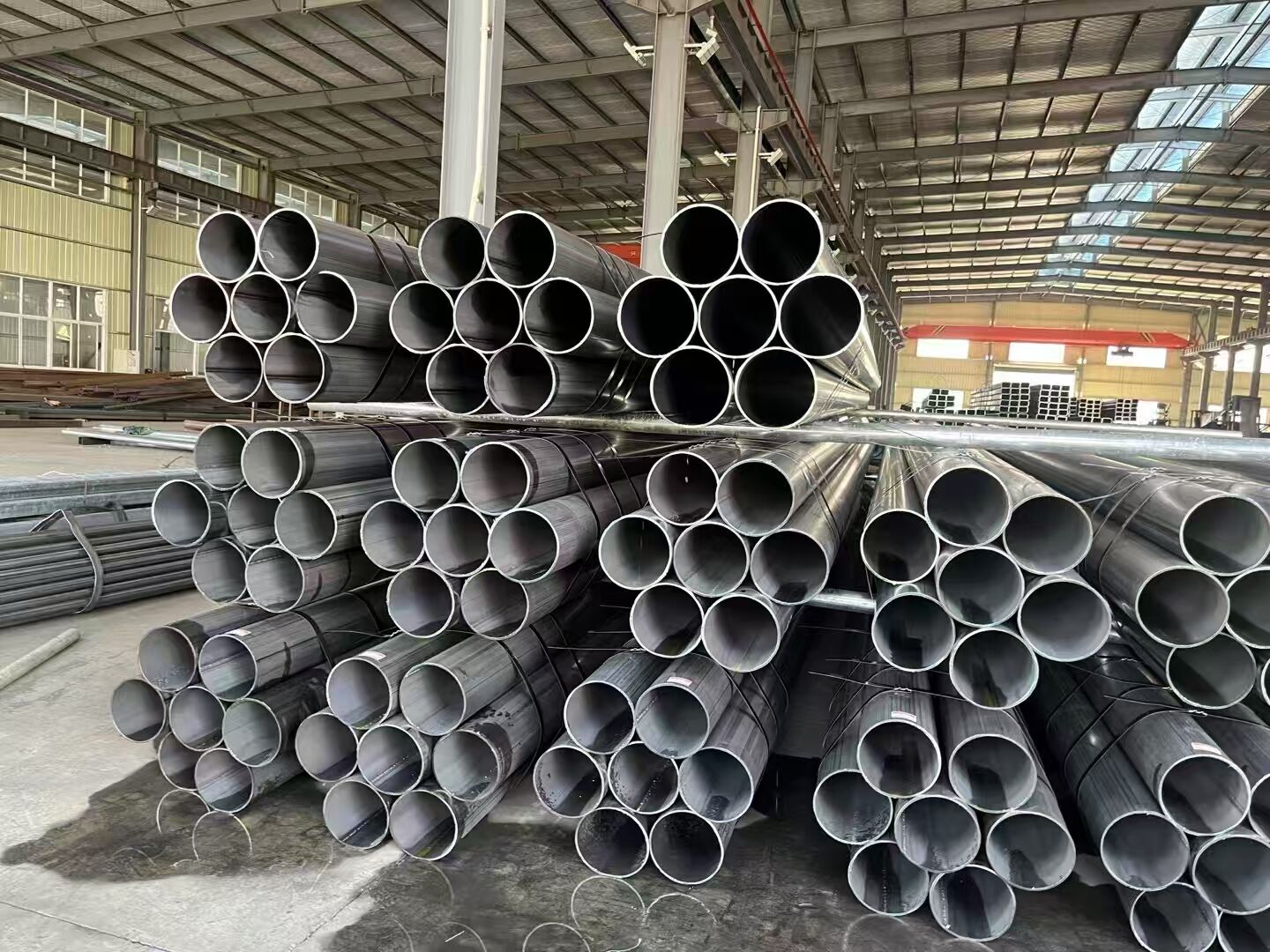
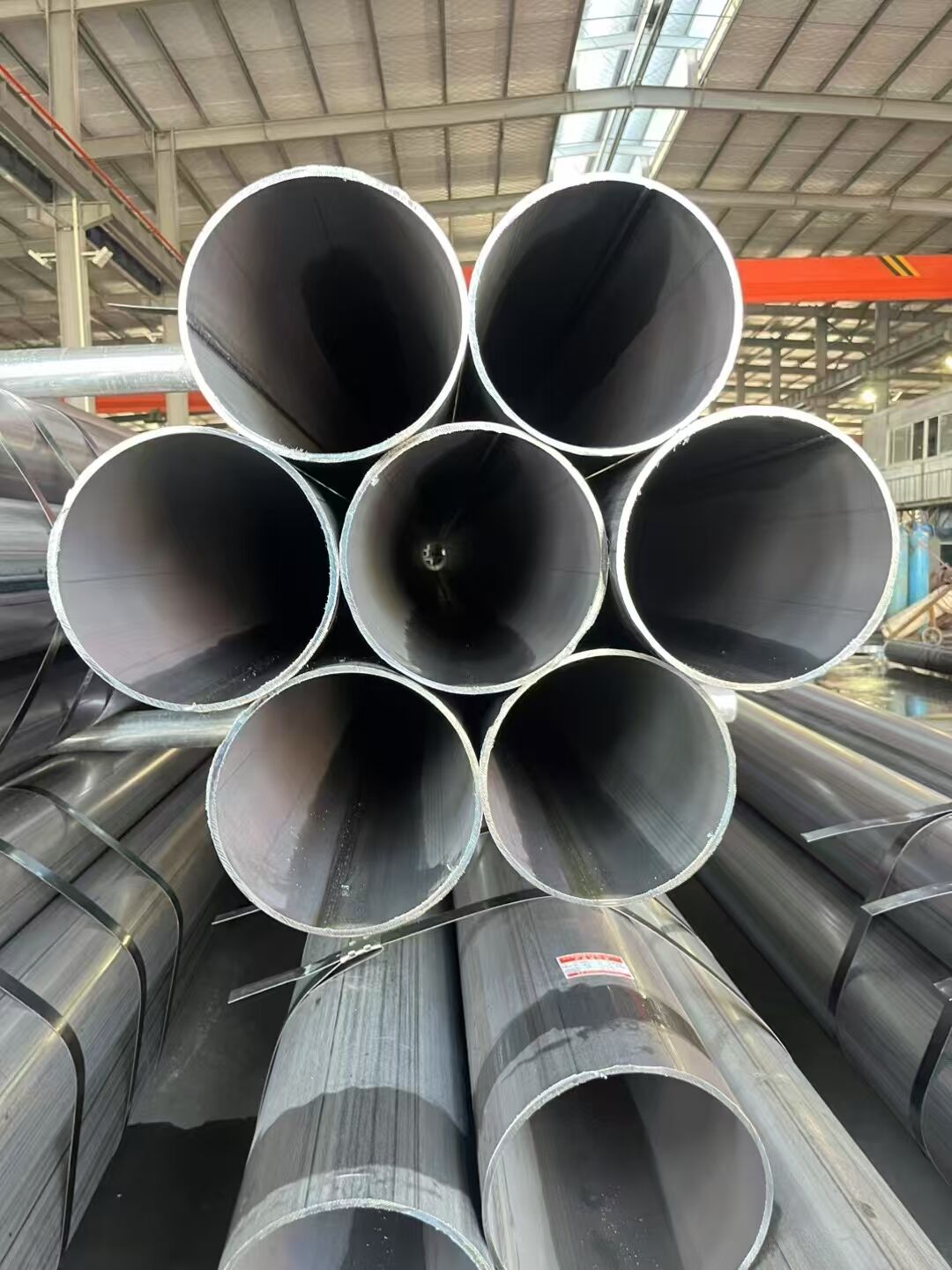
1 stainless steel tubing represents a premium grade of seamless and welded tubular products engineered for demanding industrial applications. This specialized tubing delivers exceptional performance characteristics through its advanced metallurgical composition and precision manufacturing processes. The primary functions of 1 stainless steel tubing encompass fluid transportation, structural support, heat exchange, and process containment across diverse industrial sectors. Its technological features include superior corrosion resistance, excellent mechanical properties, and outstanding temperature stability. The tubing maintains dimensional accuracy and surface finish quality that meets stringent industry standards. Manufacturing processes involve advanced cold drawing, heat treatment, and surface conditioning techniques that enhance material properties and ensure consistent performance. The tubing exhibits remarkable strength-to-weight ratios while maintaining flexibility for complex installations. Its applications span pharmaceutical processing, food and beverage production, chemical manufacturing, oil and gas operations, marine environments, and architectural projects. The material demonstrates exceptional resistance to chloride stress corrosion cracking, making it ideal for harsh chemical environments. Advanced welding techniques ensure seamless joints that maintain structural integrity under extreme conditions. The tubing supports high-pressure applications while resisting fatigue and thermal cycling. Quality control measures include ultrasonic testing, hydrostatic pressure testing, and dimensional verification to guarantee performance reliability. Surface treatments enhance aesthetics and functionality for decorative applications. The tubing accommodates various connection methods including threaded, welded, and compression fittings. Environmental sustainability features make 1 stainless steel tubing fully recyclable, supporting green manufacturing initiatives. Its longevity reduces replacement costs and maintenance requirements, providing excellent return on investment for industrial operations.

Popular Products

1 stainless steel tubing offers numerous compelling advantages that make it the preferred choice for critical applications across multiple industries. The primary benefit lies in its exceptional corrosion resistance, which significantly extends service life compared to conventional materials. This resistance protects against rust, oxidation, and chemical attack, ensuring reliable performance even in aggressive environments. The tubing maintains structural integrity under extreme temperature variations, from cryogenic conditions to high-heat applications, without compromising mechanical properties. Its non-reactive surface prevents contamination of transported fluids, making it essential for pharmaceutical and food processing applications where purity standards are paramount. The material exhibits outstanding strength characteristics that allow for thinner wall sections while maintaining pressure ratings, resulting in weight savings and cost efficiency. Manufacturing precision ensures tight dimensional tolerances that facilitate proper fitting and installation procedures. The smooth internal surface minimizes pressure drop and reduces pumping energy requirements, contributing to operational efficiency and cost savings. Maintenance requirements are minimal due to the material's inherent durability and resistance to wear. The tubing resists bacterial growth and biofilm formation, supporting sanitary applications where cleanliness is critical. Thermal conductivity properties make it excellent for heat transfer applications, improving energy efficiency in heating and cooling systems. The material's flexibility allows for complex routing without compromising structural integrity, reducing the need for multiple fittings and potential leak points. Welding compatibility enables secure connections that maintain pressure integrity throughout the system. Surface finish options provide both functional and aesthetic benefits, supporting applications where appearance matters. The tubing resists scaling and fouling, maintaining flow characteristics over extended service periods. Installation procedures are straightforward, reducing labor costs and project timelines. Long-term performance reliability minimizes unexpected failures and associated downtime costs. Environmental benefits include complete recyclability and reduced lifecycle environmental impact. Quality certifications ensure compliance with international standards and regulatory requirements. The combination of performance, durability, and cost-effectiveness makes 1 stainless steel tubing an intelligent investment for demanding applications.

Tips And Tricks

Top 10 Questions to Ask When Buying Solar Street Lights.

28

Nov

Top 10 Questions to Ask When Buying Solar Street Lights.

What Are the Key Components of Solar Street Lights Understanding Solar Panels and Battery Types Most solar street lights rely on solar panels paired with batteries for capturing and storing energy. When looking at available options, there are basica...
View More
We can turn your design into a product, one-to-one customization

28

Nov

We can turn your design into a product, one-to-one customization

Definition and Core Principles When companies talk about one-on-one product customization, they're basically referring to making stuff exactly how customers want it. The whole idea centers around letting people specify every detail according to what...
View More
Maximizing Efficiency with Steel Tubes

28

Nov

Maximizing Efficiency with Steel Tubes

Key Properties of Steel Tubes Enhancing Efficiency Durability and Corrosion Resistance Steel tubes have a reputation for lasting a long time, especially when they come with protective coatings or special treatments that can push their working life p...
View More
What Are the Benefits of Using Seamless Steel Tubes

02

Dec

What Are the Benefits of Using Seamless Steel Tubes

In modern industrial applications, the choice of steel tubing can significantly impact project outcomes, operational efficiency, and long-term reliability. Seamless steel tubes have emerged as a preferred solution across numerous sectors, from oil an...
View More

Get a Free Quote

Our representative will contact you soon.
Email
Name
Company Name
Message
0/1000

1 stainless steel tubing

Superior Corrosion Resistance and Chemical Compatibility

Superior Corrosion Resistance and Chemical Compatibility

The exceptional corrosion resistance of 1 stainless steel tubing stands as its most significant competitive advantage, setting it apart from other tubular materials in demanding industrial environments. This remarkable property stems from the material's unique chromium content, which forms a passive oxide layer on the surface that self-regenerates when damaged. This protective barrier effectively shields the underlying metal from corrosive attack, ensuring long-term performance reliability in harsh chemical environments. The tubing demonstrates outstanding resistance to chloride-induced stress corrosion cracking, a common failure mode in marine and chemical processing applications. Unlike carbon steel or aluminum alternatives, 1 stainless steel tubing maintains its structural integrity when exposed to acids, alkalis, and organic solvents commonly found in industrial processes. This chemical compatibility makes it indispensable for pharmaceutical manufacturing, where product purity cannot be compromised by material contamination. The non-reactive surface prevents leaching of metallic ions into transported fluids, ensuring compliance with strict FDA and pharmaceutical industry standards. Food and beverage applications benefit tremendously from this inert surface, which prevents taste alteration and maintains product quality throughout processing and distribution. The material's resistance to oxidation eliminates the need for protective coatings that could degrade over time, reducing maintenance requirements and associated costs. In marine environments, where saltwater exposure creates extremely corrosive conditions, 1 stainless steel tubing outperforms conventional materials by decades. The tubing resists pitting corrosion, crevice corrosion, and general surface attack that typically plague other metal alloys in similar conditions. This superior corrosion resistance translates directly into extended service life, reduced replacement costs, and improved system reliability. Chemical processing plants rely on this material's ability to handle aggressive media without degradation, supporting continuous operation and process efficiency. The economic benefits of corrosion resistance compound over time, as reduced maintenance, longer service intervals, and fewer emergency repairs significantly lower total cost of ownership.
Exceptional Temperature Performance and Thermal Stability

Exceptional Temperature Performance and Thermal Stability

1 stainless steel tubing exhibits remarkable temperature performance characteristics that enable reliable operation across an extensive range of thermal conditions, from cryogenic applications to high-temperature industrial processes. This exceptional thermal stability results from the material's austenitic crystal structure, which maintains its mechanical properties and dimensional stability throughout extreme temperature variations. The tubing performs reliably in cryogenic applications down to -196°C, making it essential for liquefied natural gas systems, aerospace applications, and laboratory equipment where ultra-low temperatures are routine. At elevated temperatures, the material maintains structural integrity up to 870°C in oxidizing atmospheres, supporting high-temperature process applications in chemical plants and power generation facilities. This broad temperature range capability eliminates the need for material changes in systems experiencing thermal cycling, simplifying design and reducing inventory requirements. The tubing's low thermal expansion coefficient minimizes stress buildup during temperature fluctuations, preventing premature failure due to thermal fatigue. Heat transfer applications benefit from the material's excellent thermal conductivity, which promotes efficient energy transfer while maintaining structural integrity under thermal stress. Steam systems, heat exchangers, and process heating applications rely on this thermal performance to maintain operational efficiency and safety margins. The material resists scaling and oxide formation at elevated temperatures, maintaining clean surfaces that promote heat transfer and reduce fouling. Thermal shock resistance allows rapid temperature changes without cracking or structural damage, supporting applications where quick heating or cooling cycles are necessary. Food processing applications particularly value this thermal stability, as it enables high-temperature sterilization processes while maintaining product contact surface integrity. The tubing's ability to withstand repeated thermal cycling without degradation ensures long-term reliability in applications where temperature variations are routine. Insulation requirements are often reduced due to the material's thermal properties, contributing to energy efficiency and cost savings. This exceptional temperature performance, combined with corrosion resistance, creates a synergistic effect that maximizes service life and operational reliability in the most demanding thermal environments.
Outstanding Mechanical Properties and Structural Integrity

Outstanding Mechanical Properties and Structural Integrity

The exceptional mechanical properties of 1 stainless steel tubing provide unmatched structural integrity and performance reliability that exceeds conventional tubular materials across critical engineering parameters. This superior mechanical performance originates from the material's carefully controlled metallurgical composition and advanced manufacturing processes that optimize grain structure and material homogeneity. The tubing exhibits impressive tensile strength exceeding 515 MPa while maintaining excellent ductility, enabling it to withstand high internal pressures and external loads without failure. This strength-to-weight ratio advantage allows engineers to specify thinner wall sections for equivalent pressure ratings, reducing material costs and system weight while maintaining safety margins. The material's outstanding fatigue resistance ensures reliable performance under cyclic loading conditions common in vibrating equipment and pressure cycling applications. Yield strength characteristics provide predictable behavior under stress, enabling precise engineering calculations and safe operating parameters. The tubing maintains these mechanical properties throughout its service life, unlike materials that experience degradation due to corrosion or environmental exposure. Fracture toughness properties prevent catastrophic brittle failure, providing warning signs before complete structural breakdown and enhancing operational safety. Work hardening characteristics allow the material to strengthen at stress concentration points, improving resistance to localized failure modes. The tubing's excellent impact resistance makes it suitable for applications where mechanical shock or vibration is present, such as mobile equipment and seismic zones. Creep resistance at elevated temperatures ensures dimensional stability in high-temperature applications where long-term loading could cause deformation in lesser materials. The material's uniform mechanical properties throughout cross-sections eliminate weak points that could initiate failure under stress. Welding procedures maintain base material properties in heat-affected zones, ensuring joint integrity matches parent material performance. These mechanical advantages enable higher operating pressures, reduced safety factors, and extended service intervals compared to alternative materials. Quality control processes verify mechanical properties through standardized testing, providing documentation and traceability for critical applications. The combination of strength, ductility, and toughness creates a material platform capable of meeting the most demanding structural requirements while providing long-term reliability and safety assurance.

Get a Free Quote

Our representative will contact you soon.
Email
Name
Company Name
Message
0/1000