
 EN
EN
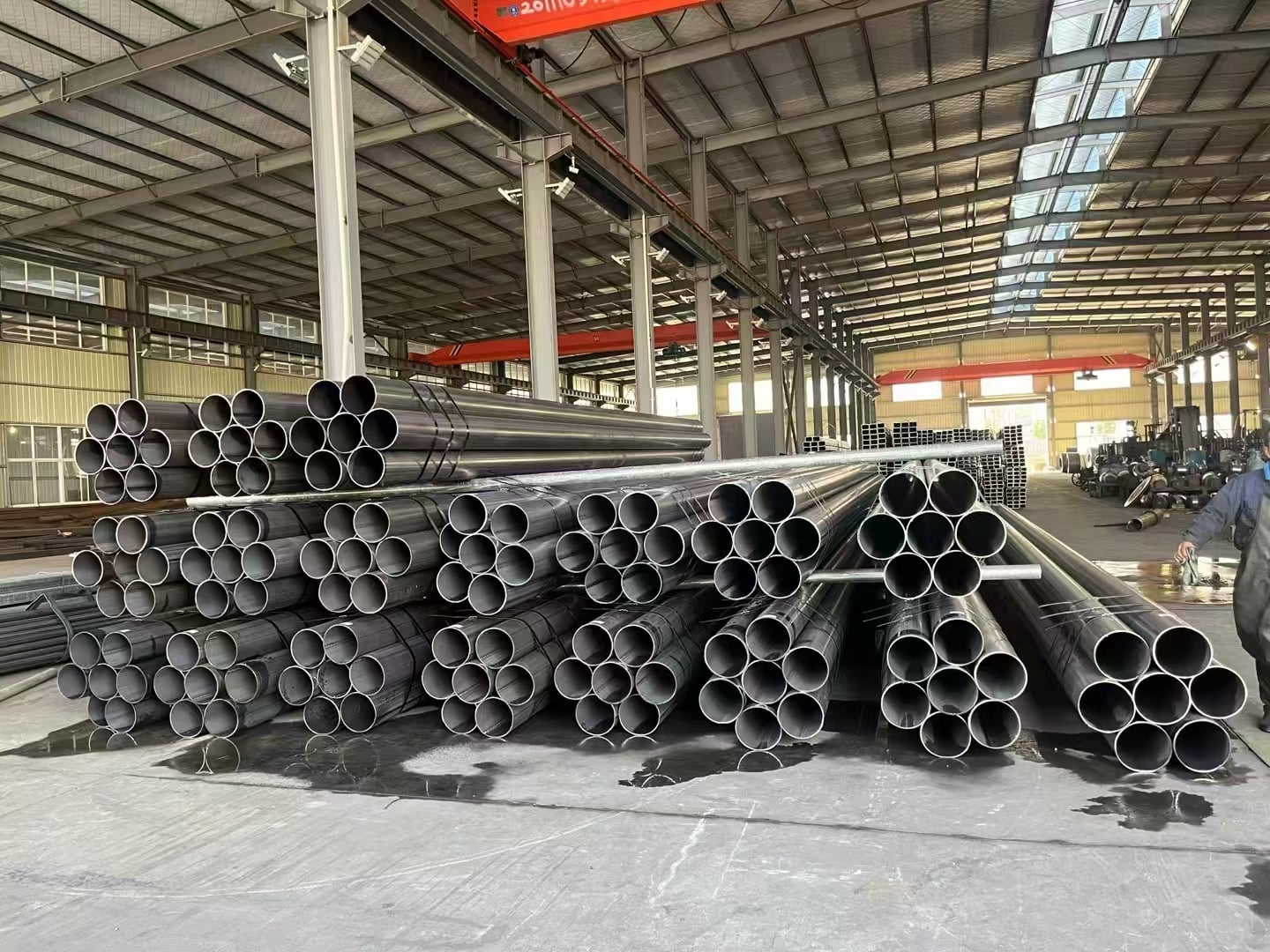
Understanding the Versatility of Steel Tubing in Modern Construction
Steel tubes have revolutionized the construction industry, becoming an indispensable component in modern building projects. From towering skyscrapers to residential buildings, these versatile structural elements provide the backbone for countless architectural achievements. Their remarkable combination of strength, durability, and cost-effectiveness has made steel tubes in construction the preferred choice for architects, engineers, and contractors worldwide.
Structural Applications in Building Projects
Load-Bearing Support Systems
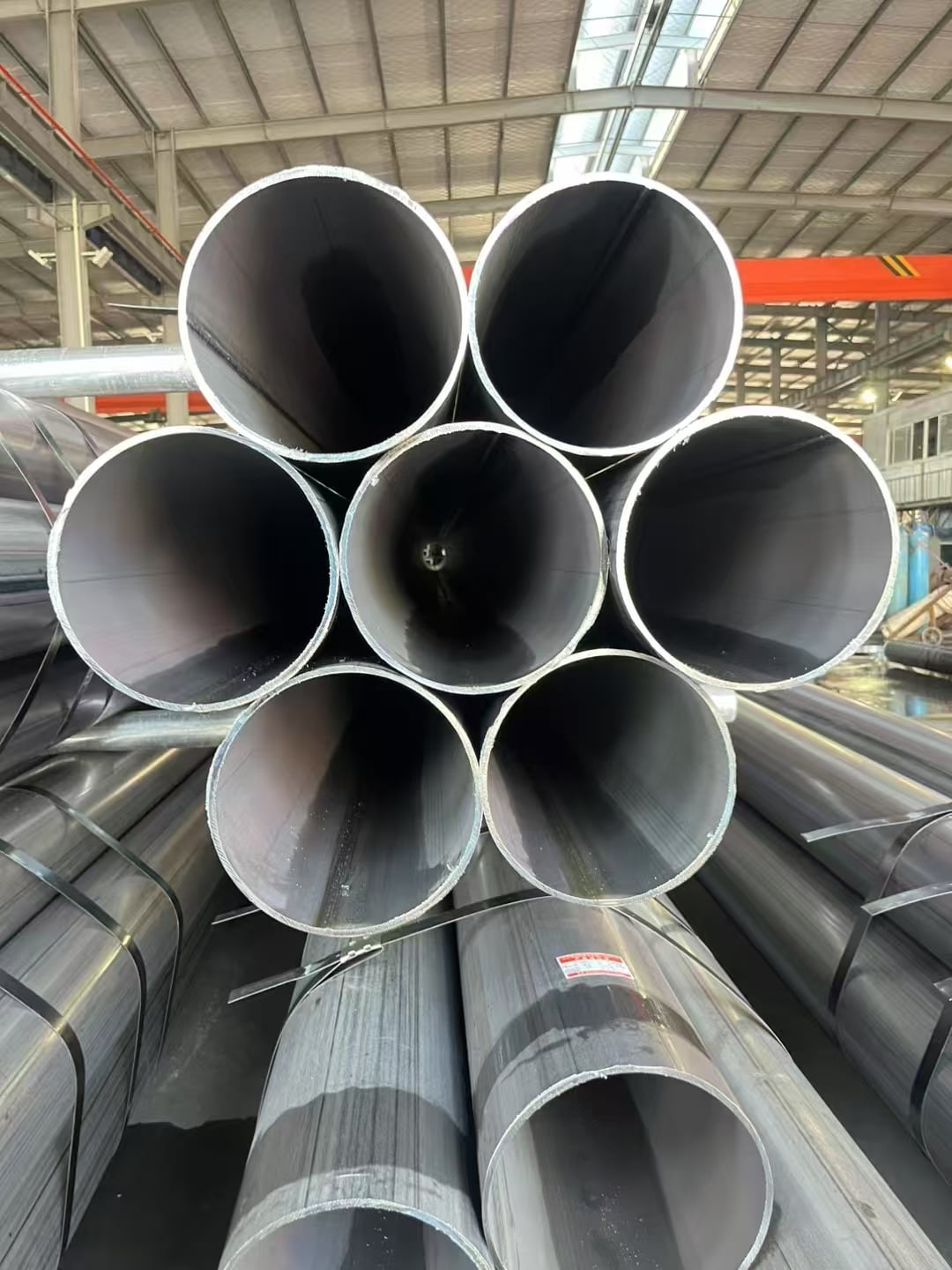
One of the primary applications of steel tubes in construction involves creating robust load-bearing support systems. These tubular structures efficiently distribute weight and pressure throughout the building framework, ensuring structural integrity and stability. The hollow nature of steel tubes provides an excellent strength-to-weight ratio, allowing buildings to achieve greater heights while maintaining structural soundness.
Engineers particularly value steel tubes for their superior compression resistance and ability to withstand both vertical and lateral forces. In multi-story buildings, steel tubes often form the main columns and beams, creating a sturdy skeleton that supports everything from floor systems to roof assemblies. Their uniform shape and consistent material properties make them ideal for precise load calculations and structural planning.
Framework and Architectural Elements
Beyond their fundamental structural role, steel tubes in construction serve as essential components in building frameworks. Their versatility allows architects to design innovative spaces while maintaining structural requirements. The clean lines and modern appearance of steel tubing complement contemporary architectural styles, making them popular in both commercial and residential projects.
Architects frequently incorporate exposed steel tubes as design elements, creating visually striking features while serving practical purposes. From sleek handrails to dramatic roof trusses, these versatile components add both form and function to modern buildings. The ability to customize steel tubes through various finishing techniques further enhances their architectural applications.
Industrial and Commercial Applications
Manufacturing Facility Infrastructure
In industrial settings, steel tubes in construction play a crucial role in creating efficient and durable manufacturing environments. The robust nature of steel tubing makes it ideal for supporting heavy machinery, conveyor systems, and overhead cranes. These applications require materials that can withstand constant vibration, temperature variations, and heavy loads – conditions where steel tubes excel.
Industrial facilities often utilize steel tubes for utility distribution systems, including compressed air, hydraulic power, and various process fluids. The seamless construction and corrosion resistance of quality steel tubes ensure reliable performance in these demanding applications, minimizing maintenance requirements and operational disruptions.
Warehouse and Storage Solutions
The warehousing sector extensively relies on steel tubes in construction for creating efficient storage solutions. From racking systems to mezzanine floors, steel tubing provides the structural foundation for maximizing storage space while ensuring safety and accessibility. The precise dimensional control possible with steel tubes allows for standardized construction of storage systems that can be easily modified or expanded.
Modern distribution centers particularly benefit from steel tube applications in their material handling systems. The combination of strength and lightweight properties makes steel tubes ideal for constructing conveyor support structures, walkways, and safety barriers. These elements are essential for creating organized and efficient warehouse operations.
Infrastructure and Transportation Projects
Bridge Construction Elements
Steel tubes in construction have transformed modern bridge building techniques. Their application in bridge structures ranges from main support members to guardrails and decorative elements. The superior strength-to-weight ratio of steel tubes makes them particularly valuable in long-span bridges, where weight considerations are crucial.
Engineers appreciate the versatility of steel tubes in creating both temporary and permanent bridge structures. Their uniform properties and predictable behavior under stress make them ideal for critical infrastructure projects. Additionally, the hollow nature of steel tubes allows for internal protection systems that extend service life in harsh environmental conditions.
Transportation Terminal Structures
Modern transportation hubs extensively utilize steel tubes in their construction to create spacious, column-free areas that facilitate passenger movement. From airport terminals to train stations, these structures require both strength and aesthetic appeal – characteristics that steel tubes deliver effectively. The ability to span large distances while maintaining structural integrity makes steel tubing an ideal choice for these applications.
The adaptability of steel tubes allows designers to create innovative roof structures and support systems that define modern transportation architecture. Their application in these projects often combines practical requirements with architectural expression, resulting in impressive spaces that serve their purpose while inspiring viewers.
Residential Construction Applications
Modern Home Design Elements
In residential construction, steel tubes have gained popularity for their modern aesthetic and practical benefits. Architects increasingly incorporate exposed steel tubing in contemporary home designs, using them for both structural and decorative purposes. From statement staircases to sleek window frames, steel tubes add a sophisticated industrial element to residential spaces.
The durability and low maintenance requirements of steel tubes make them particularly attractive for high-end residential projects. Their application in custom homes often includes features like glass balustrades, pergolas, and outdoor structures where traditional materials might not provide the same combination of strength and visual appeal.
Innovative Living Space Solutions
Steel tubes in construction enable creative solutions for maximizing living spaces. Their strength allows for the creation of open floor plans with minimal support structures, while their versatility supports the development of multi-functional spaces. Modern apartments and compact homes particularly benefit from steel tube applications in space-saving furniture and built-in storage systems.
The trend toward sustainable construction has further highlighted the benefits of steel tubes in residential projects. Their recyclability and long lifespan contribute to environmental sustainability, while their precise manufacturing reduces waste during construction. These factors make steel tubes an increasingly popular choice for eco-conscious homeowners and developers.
Frequently Asked Questions
How long do steel tubes typically last in construction applications?
Steel tubes in construction can last 50 years or more when properly maintained and protected against corrosion. Their longevity depends on factors such as environmental conditions, protective coatings, and regular maintenance schedules. With appropriate treatment and installation, steel tubes often exceed their expected service life.
What are the environmental benefits of using steel tubes in construction?
Steel tubes offer significant environmental advantages, including their 100% recyclability, reduced waste during construction due to precise manufacturing, and long service life. Their durability means less frequent replacement, while their strength-to-weight ratio often allows for more efficient material use compared to alternatives.
Are steel tubes cost-effective compared to other construction materials?
When considering long-term value, steel tubes are highly cost-effective. Their initial cost is offset by factors including reduced maintenance requirements, faster construction times, and superior durability. Additionally, their standardized manufacturing process helps control project costs through predictable pricing and installation procedures.