
 EN
EN
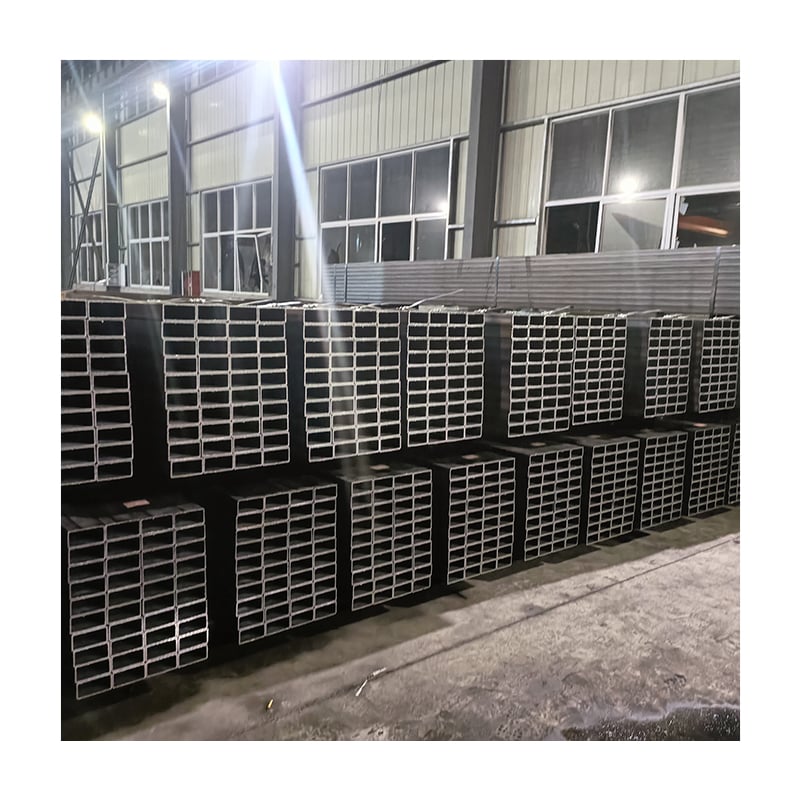
Modern construction and development projects demand materials that offer exceptional strength, versatility, and long-term reliability. Among the various structural components available today, steel structures have emerged as the backbone of contemporary architecture and engineering. The selection of appropriate steel materials can significantly impact project outcomes, cost efficiency, and structural integrity. Developers must carefully evaluate when to incorporate steel structures into their projects, considering factors such as load requirements, environmental conditions, and design flexibility. Understanding the optimal applications for steel components enables informed decision-making that enhances project success and minimizes long-term maintenance costs.
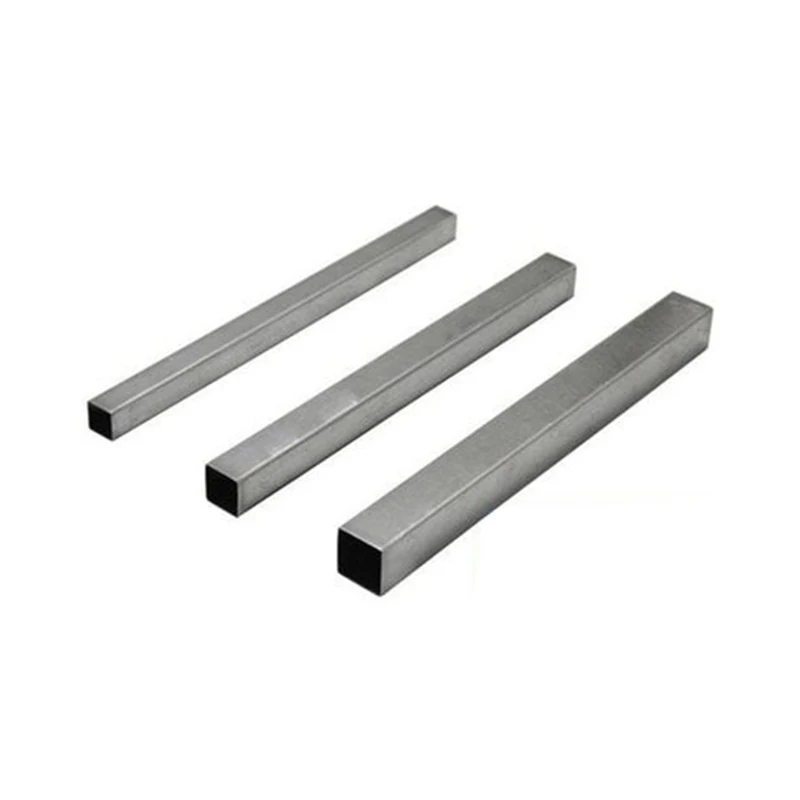
Structural Applications and Load-Bearing Requirements
High-Rise Building Frameworks
Steel structures excel in high-rise construction where superior load-bearing capacity becomes essential. The inherent strength-to-weight ratio of steel allows architects to design taller buildings with reduced foundation requirements compared to traditional materials. Welded square steel tube components provide exceptional structural stability while maintaining design flexibility. These hollow sections distribute loads efficiently throughout the framework, enabling developers to achieve greater heights without compromising safety or structural integrity. The consistent cross-sectional properties of welded square steel tube assemblies ensure predictable performance under various loading conditions.
Commercial developers frequently specify steel structures for office towers, residential complexes, and mixed-use developments where maximizing usable floor space remains paramount. The slim profiles of steel members allow for larger open areas and more efficient space utilization. Welded square steel tube sections can support significant loads while occupying minimal floor area, translating to increased rental or sale value for property developers. This efficiency becomes particularly valuable in urban environments where construction costs per square foot demand optimization.
Industrial and Manufacturing Facilities
Manufacturing facilities and industrial complexes present unique structural challenges that make steel structures the preferred choice. Heavy machinery, overhead cranes, and dynamic loading conditions require robust structural systems capable of withstanding continuous stress cycles. Welded square steel tube components offer excellent fatigue resistance and can accommodate the vibrations and concentrated loads typical in industrial environments. The precision manufacturing of these steel sections ensures consistent performance across large-span structures common in warehouses and production facilities.
Developers working on industrial projects benefit from the modularity and standardization of steel structures. Welded square steel tube systems can be prefabricated off-site, reducing construction time and minimizing disruption to ongoing operations. This approach proves particularly valuable for facility expansions or renovations where minimizing downtime directly impacts revenue. The dimensional accuracy of welded square steel tube components facilitates rapid assembly and ensures proper fit-up during construction phases.
Environmental Considerations and Durability Factors
Corrosion Resistance and Protection Systems
Environmental exposure significantly influences the decision to specify steel structures in development projects. Coastal environments, industrial zones with chemical exposure, and areas with extreme weather conditions require careful consideration of steel protection systems. Modern welded square steel tube products often incorporate advanced coatings and galvanizing treatments that extend service life substantially. Developers must evaluate the long-term cost implications of maintenance versus initial material investments when selecting structural systems.
The closed cross-section of welded square steel tube components inherently provides better protection against environmental exposure compared to open sections. The hollow interior remains protected from moisture and contaminants, reducing the risk of internal corrosion. This characteristic makes welded square steel tube assemblies particularly suitable for projects in challenging environments where long-term durability takes precedence. Proper specification of protective coatings can extend the service life of these components to match or exceed building design life expectations.
Seismic and Wind Load Performance
Regions prone to seismic activity or high wind loads present specific challenges that favor steel structure selection. The ductility and energy absorption capabilities of steel make it ideal for resisting dynamic loads and sudden impacts. Welded square steel tube sections provide excellent torsional resistance and can accommodate the lateral forces generated during seismic events or wind storms. Developers in earthquake-prone areas increasingly specify steel structures to meet stringent building codes and ensure occupant safety.
The predictable yielding behavior of steel allows structural engineers to design buildings that can withstand extreme events without catastrophic failure. Welded square steel tube components contribute to this performance through their consistent material properties and reliable connection details. The ability to calculate and predict structural response under various loading scenarios gives developers confidence in long-term building performance and reduces liability concerns associated with natural disasters.
Cost-Effectiveness and Project Economics
Initial Investment versus Long-Term Value
The economic evaluation of steel structures requires consideration of both upfront costs and lifecycle expenses. While initial material costs for welded square steel tube components may exceed some alternatives, the long-term value proposition often favors steel selection. Reduced construction time, lower labor costs, and minimal maintenance requirements contribute to favorable total cost of ownership. Developers focusing on long-term asset value typically find steel structures provide superior returns on investment.
The speed of construction achievable with steel structures directly impacts project financing costs and market entry timing. Welded square steel tube systems can significantly reduce construction schedules, allowing developers to begin generating revenue sooner. This acceleration of cash flow often justifies higher initial material costs and provides competitive advantages in fast-moving markets. The predictable installation process of steel components also reduces the risk of construction delays and associated cost overruns.
Maintenance and Lifecycle Costs
Long-term maintenance requirements significantly influence the total cost of building ownership and operation. Steel structures, when properly designed and protected, typically require minimal maintenance compared to other structural systems. Welded square steel tube components with appropriate protective treatments can provide decades of service with routine inspections and minor touch-up work. Developers must factor these reduced maintenance costs into their economic analysis when evaluating structural alternatives.
The durability of welded square steel tube assemblies becomes particularly valuable in buildings with high occupancy rates or critical operational requirements. Reduced maintenance downtime translates to fewer disruptions and maintained revenue streams throughout the building's service life. This reliability factor often justifies the specification of steel structures in projects where operational continuity remains essential for business success.
Design Flexibility and Architectural Considerations
Span Capabilities and Open Floor Plans
Modern architectural design increasingly demands large open spaces and flexible floor plans that can adapt to changing tenant requirements. Steel structures excel in providing the long spans necessary for contemporary design aesthetics while maintaining structural efficiency. Welded square steel tube beams and columns can support substantial loads across extended distances, enabling architects to create column-free spaces that maximize usable area. This capability proves particularly valuable in commercial developments where tenant flexibility commands premium rental rates.
The high strength-to-weight ratio of steel allows for dramatic architectural expressions that would be impractical with other materials. Cantilevers, large overhangs, and complex geometries become achievable when developers specify appropriate steel structural systems. Welded square steel tube components provide the necessary strength and stiffness for these challenging design elements while maintaining cost-effectiveness. The precision manufacturing of these steel sections ensures that complex designs can be executed with the accuracy required for architectural success.
Integration with Building Systems
Contemporary buildings require sophisticated mechanical, electrical, and plumbing systems that must be integrated efficiently within the structural framework. Steel structures offer exceptional compatibility with modern building systems through their ability to accommodate penetrations and attachments without compromising structural integrity. Welded square steel tube sections can be easily modified during construction to accommodate system routing changes or upgrades. This flexibility reduces coordination conflicts and allows for more efficient building system installations.
The hollow cross-section of welded square steel tube components provides opportunities for creative integration of building services. Electrical conduits, communication cables, and small piping systems can often be routed through or attached to these structural elements, reducing the need for additional support systems. This integration capability can result in reduced floor-to-floor heights and more efficient use of building volume, directly impacting development economics and user satisfaction.
Quality Control and Manufacturing Standards
Fabrication Precision and Consistency
The quality and consistency of steel components directly impact project success and long-term performance. Modern welded square steel tube manufacturing employs advanced quality control systems that ensure dimensional accuracy and material properties meet or exceed specified requirements. Developers benefit from this consistency through predictable construction processes and reliable structural performance. The standardization of steel production enables confident specification of these materials across diverse project types and locations.
Welded square steel tube products undergo rigorous testing and inspection procedures that verify material properties and dimensional tolerances. This quality assurance provides developers with documented proof of compliance with building codes and engineering specifications. The traceability of steel products also facilitates construction quality control and simplifies the approval process with building officials and third-party inspectors.
Compliance with Building Codes and Standards
Building codes and engineering standards continue to evolve, requiring structural materials that can meet increasingly stringent requirements. Steel structures have a long history of code compliance and performance validation that provides developers with confidence in regulatory approval. Welded square steel tube components are manufactured to recognized industry standards that align with most building codes and engineering practices. This compliance reduces the risk of approval delays and ensures that projects can proceed smoothly through the permitting process.
The extensive research and testing that supports steel structure design methods provides engineers with reliable tools for compliance verification. Welded square steel tube sections have well-documented performance characteristics that enable accurate structural analysis and code compliance demonstration. This foundation of technical knowledge reduces design risk and provides developers with assurance that their projects will meet all applicable requirements.
FAQ
What factors should developers consider when choosing between steel structures and alternative materials
Developers should evaluate load requirements, span capabilities, construction timeline, environmental conditions, and total lifecycle costs when comparing structural materials. Steel structures excel in applications requiring high strength, large open spaces, rapid construction, and long-term durability. Welded square steel tube components offer particular advantages in terms of structural efficiency and design flexibility. The decision should also consider local material availability, labor expertise, and building code requirements specific to the project location.
How do environmental conditions affect the specification of steel structures
Environmental factors such as humidity, salt exposure, chemical contamination, and temperature extremes significantly influence steel structure performance and protection requirements. Welded square steel tube components with appropriate protective coatings can perform well in challenging environments, but developers must factor in the cost of adequate protection systems. Proper specification of corrosion protection, regular maintenance schedules, and environmental monitoring can extend steel structure service life substantially in demanding conditions.
What are the typical cost differences between steel structures and conventional alternatives
Initial material costs for steel structures, including welded square steel tube components, may be higher than some alternatives, but reduced construction time, lower labor costs, and minimal maintenance requirements often result in favorable total project costs. The speed of steel construction can reduce financing costs and enable earlier revenue generation, offsetting higher material expenses. Lifecycle cost analysis typically favors steel structures in projects where durability, low maintenance, and operational flexibility provide ongoing value.
How does the use of steel structures impact construction scheduling and project timelines
Steel structures can significantly accelerate construction schedules through prefabrication capabilities, predictable installation processes, and reduced weather dependencies. Welded square steel tube components can be manufactured off-site while site preparation proceeds, allowing for parallel construction activities that compress overall project timelines. The precision and consistency of steel components also reduce field adjustment requirements and minimize construction delays, enabling developers to meet aggressive market entry targets and reduce carrying costs during construction phases.
Table of Contents
- Structural Applications and Load-Bearing Requirements
- Environmental Considerations and Durability Factors
- Cost-Effectiveness and Project Economics
- Design Flexibility and Architectural Considerations
- Quality Control and Manufacturing Standards
-
FAQ
- What factors should developers consider when choosing between steel structures and alternative materials
- How do environmental conditions affect the specification of steel structures
- What are the typical cost differences between steel structures and conventional alternatives
- How does the use of steel structures impact construction scheduling and project timelines