
 EN
EN
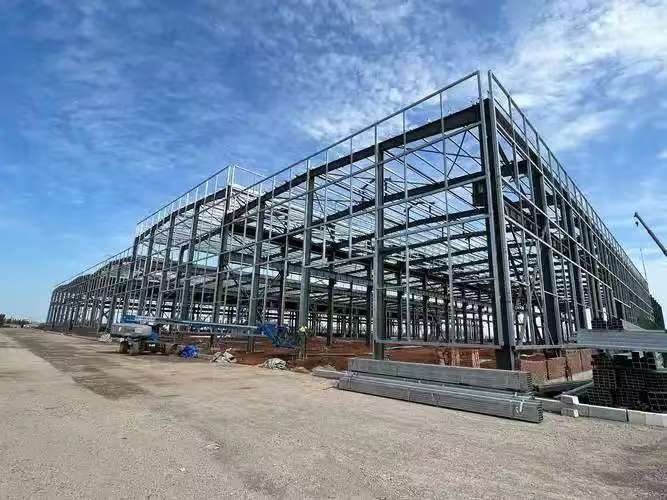
When planning large-scale construction projects, engineers and architects face a critical decision between steel structures and concrete structures. This choice significantly impacts project timelines, budgets, and long-term performance. Steel structures offer distinct advantages in terms of speed of construction, design flexibility, and structural efficiency, while concrete structures provide excellent durability and fire resistance. Understanding the fundamental differences between these two construction methods enables project managers to make informed decisions that align with their specific requirements and constraints.
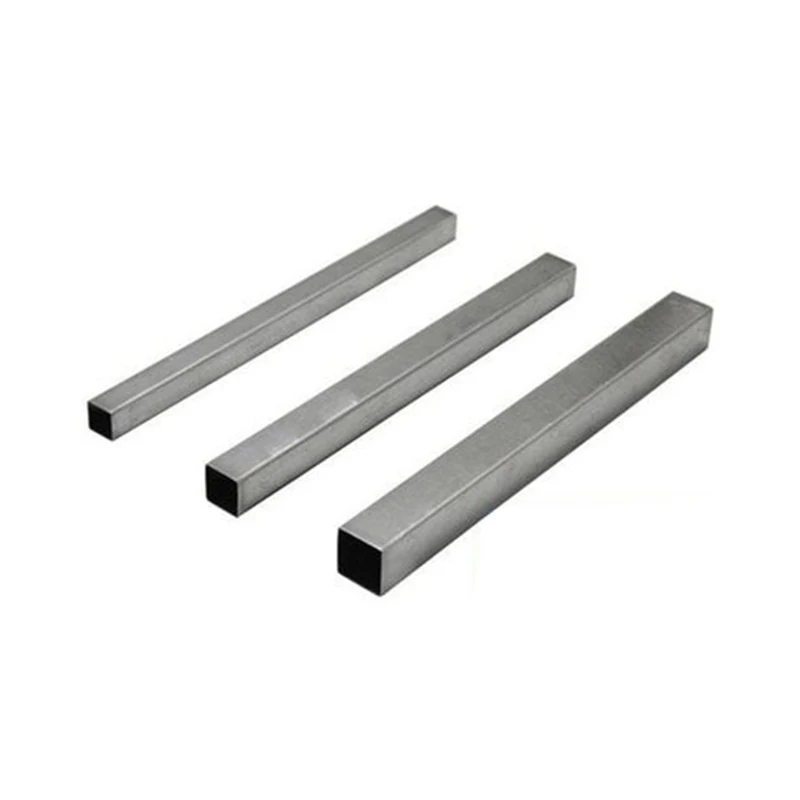
The construction industry has witnessed significant evolution in material selection and building techniques over the past decades. Large projects, including commercial complexes, industrial facilities, and infrastructure developments, require careful consideration of structural materials that can meet demanding performance criteria. Steel structures have gained considerable popularity due to their superior strength-to-weight ratio and adaptability to various architectural designs. Meanwhile, concrete structures remain a traditional choice for many developers who prioritize longevity and thermal mass properties in their buildings.
Structural Performance and Load-Bearing Capacity
Strength Characteristics of Steel Structures
Steel structures demonstrate exceptional tensile strength, making them ideal for spanning large distances without intermediate supports. The high strength-to-weight ratio of steel allows for lighter foundations and reduced material consumption in supporting elements. Modern steel fabrication techniques enable precise engineering calculations that maximize load-bearing capacity while minimizing material usage. This efficiency translates to cost savings and faster construction schedules for large projects.
The ductility of steel provides superior performance under dynamic loads, including wind and seismic forces. Steel structures can absorb and dissipate energy through controlled deformation, preventing catastrophic failure modes common in brittle materials. This characteristic makes steel particularly valuable in regions prone to earthquakes or extreme weather conditions. Engineers can design steel structures to meet specific performance criteria while maintaining safety margins that exceed regulatory requirements.
Concrete Structure Load Distribution
Concrete structures excel in compressive strength applications, providing excellent load distribution across large areas. The monolithic nature of reinforced concrete creates continuous load paths that effectively transfer forces throughout the structural system. This characteristic makes concrete ideal for foundations, retaining walls, and heavy industrial applications where compression dominates the loading conditions. The thermal mass of concrete also contributes to energy efficiency in buildings by moderating temperature fluctuations.
Reinforced concrete combines the compressive strength of concrete with the tensile capacity of steel reinforcement, creating a composite material that performs well under various loading conditions. The integration of reinforcing steel within concrete elements provides redundancy and prevents sudden failure modes. However, the weight of concrete structures requires more robust foundations and supporting systems compared to equivalent steel structures.
Construction Speed and Project Timeline Impact
Rapid Assembly Advantages of Steel
Steel structures offer significant advantages in construction speed due to prefabrication capabilities and standardized connection systems. Manufacturing steel components in controlled factory environments ensures consistent quality while allowing site preparation to proceed simultaneously. This parallel processing approach reduces overall project timelines by several months compared to traditional concrete construction methods. The precision of steel fabrication also minimizes on-site adjustments and rework, further accelerating construction progress.
Weather dependency represents a minimal concern for steel structure erection, as most assembly operations can continue in various conditions. The dry construction process eliminates curing time requirements and allows immediate progression to subsequent construction phases. Steel structures can achieve substantial completion in a fraction of the time required for comparable concrete buildings, making them attractive for projects with tight delivery schedules or seasonal construction windows.
Concrete Curing and Scheduling Considerations
Concrete structures require careful scheduling to accommodate curing periods and weather-sensitive operations. The sequential nature of concrete placement, particularly in multi-story buildings, creates critical path dependencies that can extend project timelines significantly. Cold weather conditions may necessitate heating and protection measures that add complexity and cost to construction operations. These factors must be carefully considered during project planning to avoid delays and budget overruns.
Quality control in concrete construction demands continuous monitoring of mixing, placement, and curing processes. Variations in concrete strength or improper curing can compromise structural integrity and require costly remedial measures. The in-situ nature of concrete work limits opportunities for quality control improvements through factory production methods common in steel structure fabrication.
Cost Analysis and Economic Considerations
Initial Construction Costs
The initial cost comparison between steel structures and concrete structures depends heavily on project scale, design complexity, and local material availability. Steel structures typically require higher upfront material costs but often achieve lower overall project costs through reduced construction time and labor requirements. The speed advantages of steel construction translate to earlier occupancy and revenue generation, improving project economics from a lifecycle perspective.
Foundation costs generally favor steel structures due to their lighter weight and more predictable loading patterns. The reduced dead load of steel buildings allows for smaller foundations and less extensive site preparation. However, steel structures may require more sophisticated connection details and specialized labor, which can offset some cost advantages in markets with limited steel construction expertise.
Long-term Maintenance and Lifecycle Costs
Maintenance requirements differ significantly between steel structures and concrete structures over their operational lifespans. Steel structures require regular inspection and maintenance of protective coatings to prevent corrosion, particularly in aggressive environments. However, individual steel components can be replaced or upgraded more easily than concrete elements, providing flexibility for future modifications or system updates.
Concrete structures typically require less frequent maintenance interventions but may face more expensive repair costs when problems occur. Concrete carbonation, chloride penetration, and freeze-thaw damage can compromise structural integrity over time, requiring specialized repair techniques and materials. The monolithic nature of concrete makes selective replacement or modification more challenging and expensive compared to steel structures.
Design Flexibility and Architectural Freedom
Steel Structure Adaptability
Steel structures provide exceptional design flexibility through long-span capabilities and minimal structural depth requirements. Architects can create open floor plans with column-free spaces exceeding 100 feet, enabling versatile interior layouts that adapt to changing functional requirements. The precise fabrication tolerances of steel allow for complex geometries and architectural features that would be difficult or impossible to achieve with concrete construction.
The modularity of steel systems facilitates future expansion and modification of existing buildings. Steel structures can accommodate additional floors, new openings, or reconfigured layouts with minimal disruption to ongoing operations. This adaptability provides long-term value for building owners who anticipate changing space requirements or technological upgrades over the building's lifespan.
Concrete Design Limitations and Opportunities
While concrete structures may have limitations in spanning capabilities, they offer unique architectural opportunities through sculptural forms and integral finishes. The plastic nature of fresh concrete allows architects to create curved surfaces, complex geometries, and artistic elements that become permanent parts of the building fabric. Concrete structures can incorporate decorative aggregates, textures, and colors that eliminate the need for additional finishing materials.
The thermal mass properties of concrete provide opportunities for passive environmental control strategies that reduce mechanical system requirements. Concrete structures can effectively moderate interior temperatures and humidity levels, contributing to occupant comfort and energy efficiency. However, modifications to concrete structures typically require more extensive planning and execution compared to steel alternatives.
Environmental Impact and Sustainability
Carbon Footprint Considerations
The environmental impact of steel structures versus concrete structures involves complex considerations of embodied carbon, recycled content, and end-of-life disposal. Steel production requires significant energy input but benefits from high recycling rates and the ability to incorporate recycled content without performance degradation. Modern steel structures can contain substantial percentages of recycled material, reducing their overall environmental footprint.
Concrete production contributes significantly to global carbon emissions through cement manufacturing processes. However, concrete structures typically have longer service lives and can incorporate supplementary cementitious materials that reduce overall carbon intensity. The local availability of concrete materials often reduces transportation-related emissions compared to steel, which may require long-distance shipping from production facilities.
Resource Efficiency and Waste Management
Steel structures generate minimal construction waste due to precise prefabrication and standardized dimensions. Unused steel materials retain full value for recycling or reuse in other projects. The disassembly of steel structures at end-of-life recovers nearly all material value, supporting circular economy principles in the construction industry.
Concrete construction typically generates more construction waste through cutting, drilling, and forming operations. However, concrete waste can be crushed and used as aggregate in new concrete or roadway applications. The permanence of concrete structures may provide better long-term resource efficiency through extended service lives that exceed typical steel building lifespans.
Durability and Maintenance Requirements
Steel Structure Protection Systems
Protecting steel structures from corrosion requires comprehensive coating systems and regular maintenance programs. Modern protective coatings provide excellent long-term performance when properly applied and maintained. Fire protection systems for steel structures add complexity and cost but ensure code compliance and occupant safety. The predictable nature of steel deterioration allows for planned maintenance programs that extend structural service life.
Galvanized steel components offer enhanced corrosion resistance in mild environments, reducing maintenance requirements for certain applications. Stainless steel alternatives provide superior durability but at higher initial costs that may be justified in aggressive environments or critical applications. The modular nature of steel structures allows for selective replacement of deteriorated components without affecting the entire structural system.
Concrete Longevity and Degradation
Well-designed and properly constructed concrete structures can provide service lives exceeding 100 years with minimal maintenance intervention. The alkaline environment within concrete provides natural protection for embedded reinforcing steel under normal conditions. However, exposure to chlorides, sulfates, or freeze-thaw cycles can accelerate deterioration and require expensive remedial measures.
Concrete structures benefit from their monolithic nature, which eliminates many potential failure points common in assembled systems. The thermal mass of concrete provides inherent fire resistance that may eliminate the need for additional protective systems. However, repairs to concrete structures often require specialized materials and techniques that can be more expensive than equivalent steel maintenance operations.
FAQ
Which type of structure is more cost-effective for large commercial projects
The cost-effectiveness of steel structures versus concrete structures depends on project-specific factors including size, complexity, timeline, and local material costs. Steel structures often provide lower total project costs for large commercial buildings due to faster construction schedules and reduced foundation requirements. However, concrete structures may be more economical for certain building types such as parking structures or industrial facilities where heavy loads dominate. A comprehensive cost analysis should include construction speed, financing costs, and long-term operational expenses to determine the most cost-effective solution.
How do seismic performance requirements affect material selection
Seismic design requirements significantly influence the choice between steel structures and concrete structures in earthquake-prone regions. Steel structures provide excellent seismic performance through their ductility and ability to dissipate energy through controlled yielding. Concrete structures can also achieve good seismic performance through proper design and detailing but may require more complex reinforcement schemes. The choice often depends on the specific seismic zone, building height, and occupancy requirements, with both materials capable of meeting current seismic codes when properly engineered.
What maintenance differences should owners expect over a 50-year period
Over a 50-year service life, steel structures typically require more frequent but less expensive maintenance interventions, primarily focused on coating renewal and connection inspection. Concrete structures generally require less frequent maintenance but may face more significant repair costs when problems occur, such as concrete spalling or reinforcement corrosion. Steel structures offer easier access for inspection and maintenance, while concrete maintenance often requires specialized techniques and materials. Owners should budget for regular protective coating renewal for steel structures and potential concrete repairs for chloride or carbonation-related damage.
Which material provides better flexibility for future building modifications
Steel structures provide superior flexibility for future modifications due to their modular construction and connection systems that allow for relatively easy alteration. New openings, additional floors, or layout changes are typically easier and less expensive to implement in steel structures. Concrete structures present more challenges for modification due to their monolithic nature and the difficulty of cutting or removing concrete elements without affecting structural integrity. However, both systems can accommodate modifications when properly planned and engineered, with steel structures generally offering more cost-effective options for significant changes.