
 EN
EN
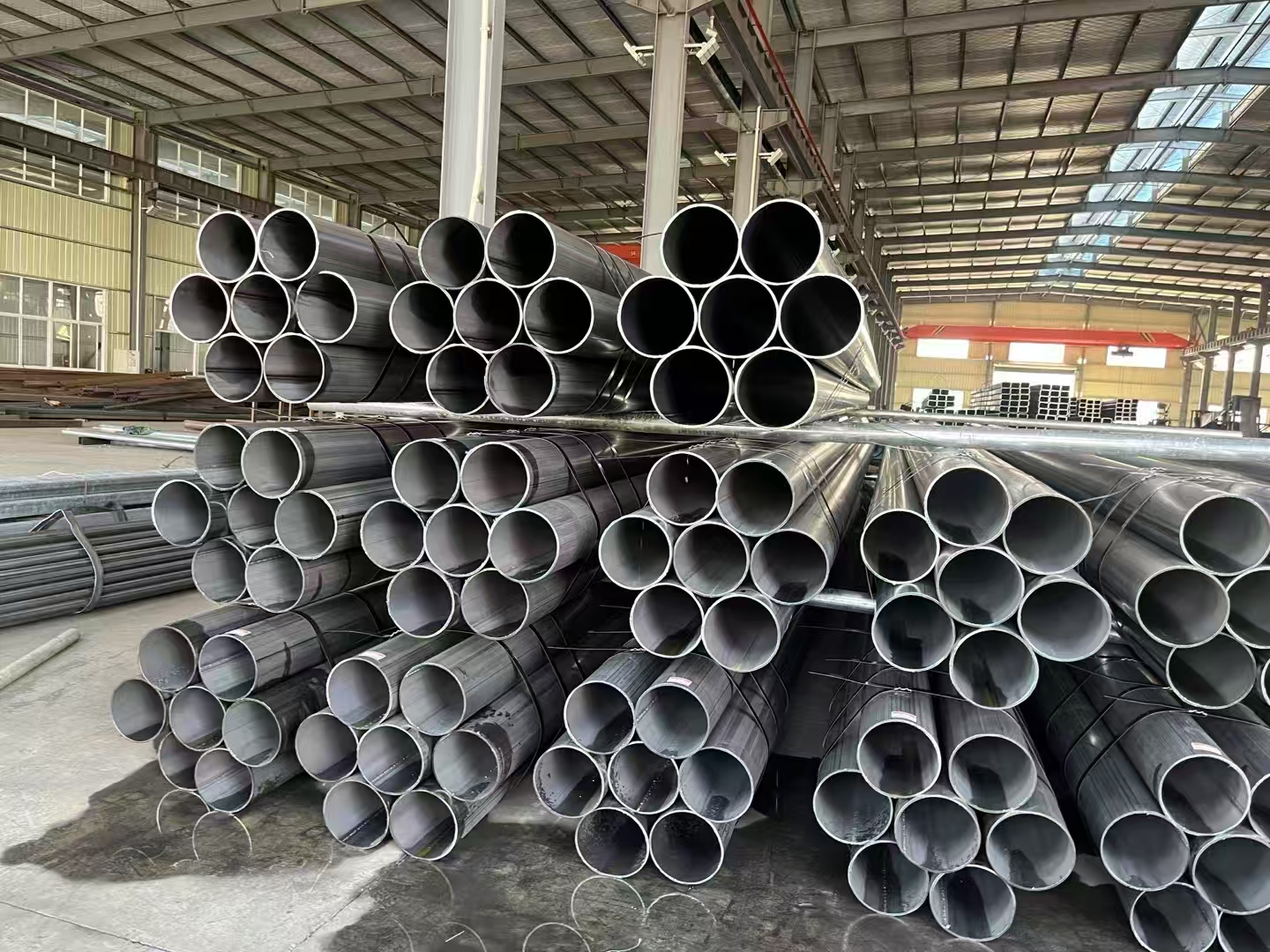
Modern infrastructure demands reliable solutions that withstand environmental challenges while maintaining structural integrity over decades. The selection of appropriate materials for pole construction significantly impacts long-term performance, maintenance costs, and overall project success. Understanding the characteristics of different materials enables engineers and project managers to make informed decisions when specifying corrosion-resistant poles for various applications including street lighting, telecommunications, and power distribution systems.
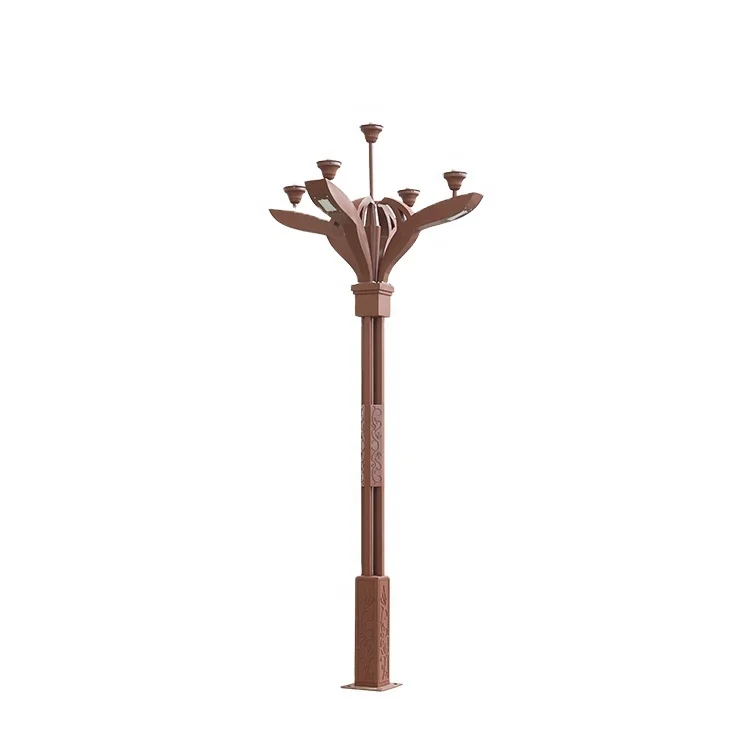
The harsh reality of outdoor installations exposes poles to moisture, salt spray, chemical pollutants, and temperature fluctuations that can rapidly degrade inferior materials. These environmental factors create complex corrosion mechanisms that compromise structural safety and aesthetic appeal. Selecting proper materials for corrosion-resistant poles represents a critical investment in infrastructure longevity and operational reliability.
Steel and Galvanization Technologies
Hot-Dip Galvanizing Process
Hot-dip galvanizing remains the gold standard for creating corrosion-resistant poles from steel substrates. This metallurgical process involves immersing fabricated steel poles into molten zinc at temperatures exceeding 450 degrees Celsius. The resulting zinc coating provides both barrier protection and cathodic protection, effectively shielding the underlying steel from corrosive elements.
The galvanizing process creates multiple zinc-iron alloy layers that bond metallurgically with the base steel. This integration ensures the protective coating cannot flake or peel under normal operating conditions. Quality galvanized corrosion-resistant poles typically provide 50-100 years of maintenance-free service in most environments.
Advanced Galvanizing Specifications
Modern galvanizing specifications for corrosion-resistant poles include zinc coating thickness requirements that vary based on steel thickness and application severity. Standard specifications require minimum coating thicknesses of 85 microns for steel sections exceeding 6mm thickness. Marine and industrial environments may demand enhanced coating thicknesses approaching 150 microns.
Quality control measures during galvanizing ensure uniform coating distribution and proper alloy layer formation. Visual inspection, coating thickness testing, and adherence testing verify that corrosion-resistant poles meet performance standards before installation. These quality assurance procedures guarantee long-term protection against environmental degradation.
Aluminum Alloy Construction
Natural Corrosion Resistance
Aluminum alloys offer inherent corrosion resistance through the formation of a protective oxide layer that naturally develops upon exposure to oxygen. This self-healing characteristic makes aluminum an attractive material for corrosion-resistant poles in challenging environments. The oxide layer continuously regenerates when damaged, providing ongoing protection without external maintenance.
High-strength aluminum alloys such as 6061-T6 and 6063-T6 combine excellent corrosion resistance with sufficient structural capacity for most pole applications. These alloys resist atmospheric corrosion, salt spray, and most industrial chemicals while maintaining dimensional stability over extended service periods. The lightweight nature of aluminum simplifies transportation and installation of corrosion-resistant poles.
Surface Treatment Options
Anodizing processes enhance the natural corrosion resistance of aluminum poles through controlled oxidation that creates thicker, more durable protective layers. Hard anodized finishes provide superior wear resistance and extended service life in demanding applications. Powder coating over anodized surfaces offers additional protection and aesthetic customization options.
Advanced surface treatments for aluminum corrosion-resistant poles include chemical conversion coatings and specialized primer systems. These treatments improve paint adhesion and provide enhanced protection in marine environments or areas with high atmospheric contamination. Proper surface preparation and treatment selection ensure optimal long-term performance.
Composite Material Applications
Fiber Reinforced Polymer Systems
Fiber reinforced polymer composites represent advanced material solutions for corrosion-resistant poles requiring exceptional environmental durability. Glass fiber reinforced polymer poles resist virtually all forms of chemical attack while providing excellent strength-to-weight ratios. These materials eliminate corrosion concerns entirely, making them ideal for severe service conditions.
Carbon fiber reinforced composites offer superior strength characteristics for high-performance applications requiring corrosion-resistant poles with minimal deflection. Manufacturing processes include pultrusion, filament winding, and resin transfer molding that produce poles with controlled fiber orientation and resin distribution. These advanced manufacturing techniques ensure consistent mechanical properties and dimensional accuracy.
Long-Term Performance Characteristics
Composite corrosion-resistant poles maintain their structural properties throughout their service life without degradation from environmental exposure. UV stabilized resin systems prevent weathering and color fade while maintaining mechanical strength. The non-conductive nature of composite materials provides inherent electrical safety advantages in certain applications.
Thermal expansion characteristics of composite poles require consideration during design and installation. Proper joint design and mounting systems accommodate thermal movement while maintaining structural integrity. Quality composite corrosion-resistant poles offer service lives exceeding conventional materials with minimal maintenance requirements.
Stainless Steel Solutions
Austenitic Grade Selection
Austenitic stainless steel grades including 304, 316, and 316L provide excellent corrosion resistance for pole applications in moderate to severe environments. The chromium content in these alloys forms a passive oxide layer that prevents corrosion initiation. Grade 316L offers superior resistance to chloride-induced corrosion, making it suitable for marine installations of corrosion-resistant poles.
Duplex stainless steel grades combine austenitic and ferritic microstructures to achieve higher strength levels while maintaining excellent corrosion resistance. These advanced alloys enable reduced wall thickness designs for corrosion-resistant poles while meeting structural requirements. The enhanced mechanical properties justify premium material costs through improved performance and reduced material usage.
Fabrication and Finishing
Proper fabrication techniques preserve the corrosion resistance of stainless steel poles through controlled heat input and post-weld treatment. Pickling and passivation processes restore the protective oxide layer after welding operations. Quality fabrication ensures that corrosion-resistant poles maintain their protective characteristics throughout their service life.
Surface finishing options for stainless steel include mechanical polishing, electropolishing, and specialized coatings that enhance both appearance and performance. These treatments improve cleanability and reduce contamination retention that could compromise corrosion resistance. Proper finishing selection depends on environmental conditions and aesthetic requirements for corrosion-resistant poles.
Environmental Considerations and Material Selection
Climate Impact Assessment
Regional climate patterns significantly influence material selection for corrosion-resistant poles through variations in temperature, humidity, precipitation, and atmospheric contamination. Coastal installations face salt spray challenges that require enhanced protection levels compared to inland locations. Industrial areas with chemical emissions demand materials resistant to specific atmospheric pollutants.
Temperature cycling affects material expansion, contraction, and fatigue characteristics of corrosion-resistant poles. Materials must accommodate thermal stress without compromising protective coatings or developing stress concentration points. Proper material selection considers both average conditions and extreme weather events that may occur during the service life.
Life Cycle Cost Analysis
Comprehensive life cycle cost analysis compares initial material costs against long-term maintenance requirements and replacement schedules. Premium materials for corrosion-resistant poles often justify higher initial investment through reduced maintenance costs and extended service intervals. Total cost of ownership calculations should include installation, inspection, maintenance, and disposal costs.
Service life projections for different materials enable accurate financial planning and budget allocation. Quality corrosion-resistant poles with appropriate material selection typically provide 25-50 year service lives with minimal maintenance intervention. These extended service periods reduce lifecycle costs and minimize operational disruptions.
FAQ
What is the most cost-effective material for corrosion-resistant poles
Hot-dip galvanized steel represents the most cost-effective solution for corrosion-resistant poles in most applications. The initial material cost remains reasonable while providing 50-75 year service life in typical environments. Galvanized poles offer excellent strength characteristics and proven long-term performance across diverse climate conditions.
How do environmental conditions affect material selection
Environmental severity determines the level of corrosion protection required for poles. Marine environments with salt spray exposure require enhanced protection such as duplex systems or stainless steel materials. Industrial areas with chemical contamination may necessitate specialized coatings or inherently resistant materials like aluminum or composites for optimal performance.
What maintenance requirements apply to different pole materials
Galvanized steel corrosion-resistant poles require periodic inspection and occasional coating repair after 20-30 years of service. Aluminum and composite poles typically need only cleaning and minor hardware maintenance throughout their service life. Stainless steel poles require minimal maintenance beyond periodic cleaning to maintain appearance and performance characteristics.
How do installation factors influence material choice
Installation accessibility and equipment limitations may favor lighter weight materials such as aluminum or composite corrosion-resistant poles. Remote locations benefit from materials requiring minimal maintenance intervention during their service life. Transportation constraints and local fabrication capabilities also influence practical material selection for specific projects and geographic regions.