
 EN
EN

Modern urban infrastructure is rapidly evolving to accommodate the growing demands of smart city initiatives, with street light poles serving as the backbone of this transformation. These essential infrastructure components are no longer limited to basic illumination functions but have become sophisticated platforms capable of supporting advanced technologies that enhance urban living. The integration of smart city technology into street light poles represents a paradigm shift in how cities approach infrastructure development and resource optimization.
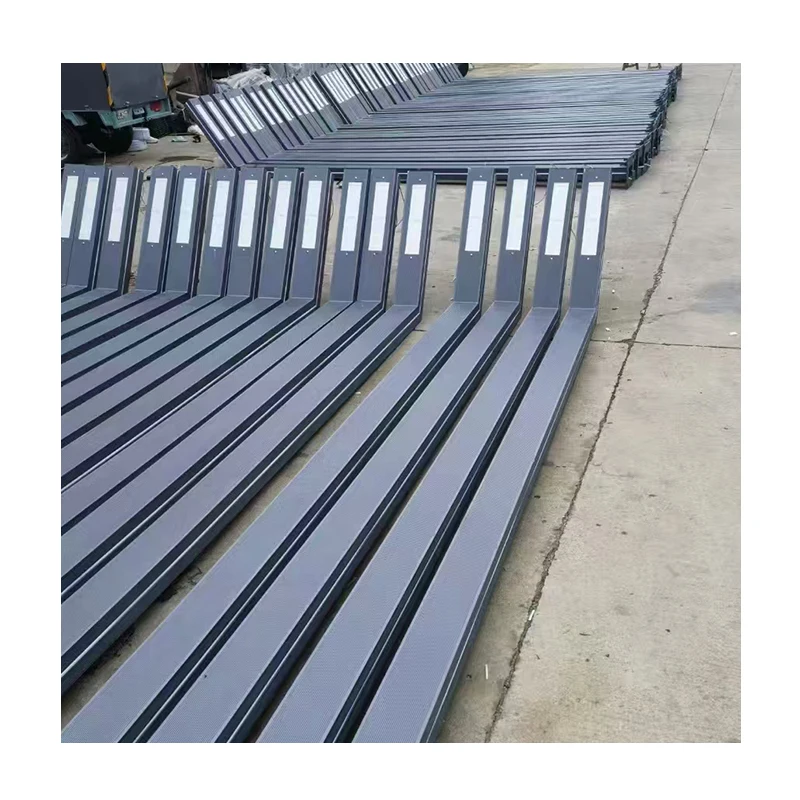
The concept of transforming traditional street light poles into multifunctional smart infrastructure hubs has gained significant momentum among urban planners and technology providers worldwide. This evolution reflects the pressing need to maximize existing infrastructure investments while addressing the complex challenges of modern metropolitan areas. As cities continue to grow and face increasing pressure to become more sustainable and efficient, the role of the street light pole as a smart city enablement platform becomes increasingly critical.
The strategic positioning of street light poles throughout urban environments makes them ideal candidates for hosting various smart city technologies. Their widespread distribution across neighborhoods, commercial districts, and public spaces provides comprehensive coverage for technology deployment without requiring extensive new infrastructure development. This inherent advantage has led to innovative approaches in street light pole design and functionality that extend far beyond traditional lighting applications.
Smart Technology Integration Capabilities
Sensor Network Implementation
The modern street light pole can accommodate a comprehensive array of environmental and traffic monitoring sensors that contribute to smart city data collection initiatives. These sensors can monitor air quality parameters including particulate matter, nitrogen dioxide levels, and carbon monoxide concentrations, providing real-time environmental data that helps city administrators make informed decisions about public health and safety measures. The strategic placement of sensors on street light poles ensures optimal data collection coverage across urban areas.
Traffic monitoring capabilities represent another significant advancement in street light pole technology integration. Advanced sensors can detect vehicle flow patterns, pedestrian movement, and parking space availability, generating valuable data for traffic management systems and urban planning initiatives. This information enables cities to optimize traffic light timing, identify congestion patterns, and implement dynamic routing solutions that improve overall transportation efficiency.
Weather monitoring systems integrated into street light poles provide hyperlocal meteorological data that enhances city-wide weather forecasting accuracy. These systems can measure temperature, humidity, wind speed, and precipitation levels at street level, offering more precise environmental information than traditional weather stations. This granular weather data supports various municipal operations including snow removal planning, flood management, and public event scheduling.
Communication Infrastructure Integration
The integration of wireless communication technologies transforms the street light pole into a critical component of urban connectivity infrastructure. Fifth-generation wireless technology deployment through street light poles enables high-speed internet access across urban areas while supporting the connectivity requirements of other smart city applications. This approach leverages existing infrastructure to expand network coverage without requiring additional tower construction or significant right-of-way negotiations.
Public WiFi access points embedded within street light poles provide citizens with convenient internet connectivity in public spaces, parks, and commercial districts. This connectivity supports digital inclusion initiatives while enabling various smart city applications that require citizen interaction and data exchange. The widespread deployment of WiFi-enabled street light poles creates a comprehensive urban internet infrastructure that benefits both residents and visitors.
Emergency communication capabilities integrated into street light poles enhance public safety infrastructure by providing direct communication channels between citizens and emergency services. These systems can include emergency call buttons, automated incident detection capabilities, and real-time communication with first responders. The strategic placement of these communication features on street light poles ensures comprehensive emergency response coverage throughout urban areas.
Energy Management and Sustainability Features
Solar Power Integration
The incorporation of solar panel technology into street light pole design represents a significant advancement in sustainable urban infrastructure development. Solar-powered street light poles reduce municipal energy costs while supporting environmental sustainability goals through renewable energy utilization. These systems can operate independently of the electrical grid, providing reliable lighting even during power outages or in remote areas where grid connection is challenging or costly.
Advanced battery storage systems integrated with solar-powered street light poles enable energy storage during peak sunlight hours for use during nighttime operations. Modern lithium-ion battery technology provides reliable energy storage with minimal maintenance requirements, ensuring consistent lighting performance regardless of weather conditions. These energy storage capabilities also support the power requirements of additional smart city technologies hosted on the same street light pole.
Grid-tie capabilities allow solar-equipped street light poles to contribute excess energy back to the municipal electrical grid during peak production periods. This bidirectional energy flow creates opportunities for cities to generate revenue from their lighting infrastructure while supporting broader renewable energy initiatives. The integration of smart grid technology enables automated energy management that optimizes both local consumption and grid contribution based on real-time energy demand and production patterns.
LED Lighting Efficiency
Light-emitting diode technology integration provides significant energy efficiency improvements compared to traditional lighting technologies while offering enhanced control capabilities for smart city applications. LED lighting systems can be remotely controlled and programmed to adjust brightness levels based on ambient light conditions, pedestrian activity, and time of day, resulting in substantial energy savings and extended equipment lifespan.
Adaptive lighting controls enable street light poles to respond dynamically to environmental conditions and usage patterns, providing optimal illumination when and where it is needed most. Motion sensors can trigger increased lighting levels when pedestrians or vehicles are detected, returning to reduced power modes during periods of low activity. This intelligent lighting management reduces energy consumption while maintaining safety and security standards.
Color temperature adjustment capabilities allow LED-equipped street light poles to provide different lighting characteristics for various applications and times of day. Warmer color temperatures during evening hours can reduce light pollution and support circadian rhythm health, while cooler temperatures during peak activity periods enhance visibility and security. These programmable lighting characteristics support both human health and energy efficiency objectives.
Security and Surveillance Applications
Video Monitoring Systems
The integration of high-definition video surveillance systems into street light poles creates a comprehensive urban security infrastructure that enhances public safety while maintaining aesthetic appeal. Modern camera systems can provide 360-degree coverage with advanced features including facial recognition, license plate reading, and behavioral analysis capabilities. The elevated positioning of cameras on street light poles offers optimal viewing angles for monitoring public spaces, intersections, and high-traffic areas.
Artificial intelligence integration enables automated threat detection and real-time alert generation for security personnel and law enforcement agencies. These systems can identify unusual behavior patterns, detect potential security incidents, and automatically notify appropriate response teams. The continuous monitoring capabilities provided by camera-equipped street light poles create a proactive security environment that deters criminal activity while supporting rapid emergency response.
Privacy protection measures ensure that video surveillance systems integrated into street light poles comply with local regulations and citizen privacy expectations. Advanced encryption technologies protect video data transmission and storage, while automated data retention policies ensure compliance with legal requirements. These privacy safeguards maintain public trust while enabling effective security monitoring capabilities.
Access Control Integration
Advanced access control systems can be integrated into street light poles to manage entry to restricted areas, parking facilities, and secured public spaces. Radio frequency identification and near-field communication technologies enable contactless access control that improves user convenience while maintaining security standards. These systems can integrate with existing municipal access control infrastructure to provide comprehensive security management across various city facilities.
Biometric authentication capabilities integrated into street light poles provide high-security access control for sensitive areas while maintaining user-friendly operation. Fingerprint scanners, facial recognition systems, and iris scanners can be discretely integrated into street light pole designs to provide secure access control without requiring separate infrastructure installation. These advanced authentication methods prevent unauthorized access while maintaining rapid processing for authorized personnel.
Emergency override capabilities ensure that access control systems integrated into street light poles do not impede emergency response operations during critical situations. Automated systems can detect emergency conditions and temporarily suspend access restrictions to facilitate evacuation or emergency personnel access. These safety features maintain security effectiveness while prioritizing public safety during emergency situations.
Data Collection and Analytics Platforms
Urban Analytics Infrastructure
The deployment of comprehensive data collection systems within street light pole infrastructure creates valuable urban analytics platforms that support evidence-based city planning and management decisions. These systems can collect data on pedestrian traffic patterns, vehicle usage, environmental conditions, and infrastructure performance, providing city administrators with detailed insights into urban dynamics and citizen behavior patterns.
Machine learning algorithms analyze collected data to identify trends, predict future conditions, and recommend optimization strategies for various city services and infrastructure systems. This predictive analytics capability enables proactive maintenance scheduling, resource allocation optimization, and service delivery improvements that enhance overall urban efficiency and citizen satisfaction levels.
Real-time data processing capabilities enable immediate response to changing urban conditions while supporting long-term strategic planning initiatives. Advanced analytics platforms can process streaming data from multiple street light poles simultaneously, creating comprehensive urban intelligence systems that support both operational decision-making and strategic development planning.
Citizen Engagement Platforms
Interactive citizen engagement systems integrated into street light poles provide convenient platforms for residents to access city services, report issues, and provide feedback on municipal operations. Digital kiosks and touchscreen interfaces can display real-time information about public transportation schedules, city events, and emergency notifications while enabling two-way communication between citizens and city administrators.
Mobile application integration allows citizens to interact with street light pole systems using their personal devices, accessing services and information without requiring physical interaction with public interfaces. These applications can provide personalized information based on location data while enabling citizens to report maintenance issues, request services, and provide feedback on city operations.
Multilingual support capabilities ensure that citizen engagement systems integrated into street light poles serve diverse urban populations effectively. Voice recognition and translation technologies can provide real-time language support for various city services, improving accessibility and inclusivity for non-native speakers and international visitors.
Implementation Challenges and Solutions
Technical Infrastructure Requirements
The successful integration of smart city technologies into street light poles requires careful consideration of power supply requirements, data transmission capabilities, and equipment compatibility factors. Adequate electrical infrastructure must support not only lighting functions but also the additional power demands of sensors, communication equipment, and computing systems. Upgrading existing electrical systems may require significant investment but provides long-term benefits through improved functionality and efficiency.
Network connectivity requirements for smart street light poles demand robust data transmission capabilities that can handle continuous data streaming from multiple sensors and systems simultaneously. Fiber optic connections provide optimal performance for high-bandwidth applications, while wireless technologies offer flexibility for areas where physical network installation is challenging or cost-prohibitive.
Equipment standardization across different street light pole installations ensures compatibility between various smart city systems while reducing maintenance complexity and costs. Standardized mounting systems, communication protocols, and power interfaces enable modular deployment approaches that support future technology upgrades and system expansions.
Regulatory and Compliance Considerations
Municipal zoning regulations and permitting requirements must accommodate smart city technology integration into street light pole infrastructure while maintaining aesthetic standards and community acceptance. Collaborative planning processes involving city planners, technology providers, and community stakeholders ensure that smart street light pole deployments meet both functional and regulatory requirements.
Data privacy regulations require careful attention to citizen privacy protection while enabling effective smart city data collection and analysis. Comprehensive data governance policies must address data collection, storage, sharing, and retention practices while maintaining compliance with evolving privacy legislation and citizen expectations.
Environmental impact assessments ensure that smart street light pole installations minimize ecological disruption while maximizing sustainability benefits. Proper evaluation of materials, energy consumption, and end-of-life disposal considerations supports environmentally responsible smart city development practices.
FAQ
What types of smart city technologies can be integrated into street light poles
Street light poles can accommodate a wide variety of smart city technologies including environmental sensors for air quality and weather monitoring, traffic management systems, wireless communication infrastructure, video surveillance cameras, emergency communication devices, electric vehicle charging stations, and digital information displays. The modular design of modern street light poles allows for customizable technology integration based on specific municipal needs and budget considerations.
How do smart street light poles contribute to energy efficiency and sustainability
Smart street light poles enhance energy efficiency through LED lighting technology, automated dimming controls, solar power integration, and intelligent energy management systems. These features can reduce energy consumption by up to 50% compared to traditional lighting systems while providing additional functionality through integrated smart city technologies. Solar-powered options further enhance sustainability by utilizing renewable energy sources and reducing grid dependency.
What are the main challenges in implementing smart street light pole systems
The primary challenges include initial investment costs, technical infrastructure requirements, regulatory compliance, and ongoing maintenance needs. Cities must consider power supply upgrades, network connectivity requirements, data privacy regulations, and staff training needs. However, these challenges can be addressed through phased implementation approaches, public-private partnerships, and comprehensive planning processes that ensure successful long-term deployment.
How do smart street light poles improve public safety and security
Smart street light poles enhance public safety through integrated video surveillance systems, emergency communication devices, improved lighting controls, and real-time monitoring capabilities. These systems provide 24/7 security monitoring, automated incident detection, and direct communication channels with emergency services. The combination of enhanced lighting and surveillance capabilities creates safer public spaces while supporting rapid emergency response when needed.
Table of Contents
- Smart Technology Integration Capabilities
- Energy Management and Sustainability Features
- Security and Surveillance Applications
- Data Collection and Analytics Platforms
- Implementation Challenges and Solutions
-
FAQ
- What types of smart city technologies can be integrated into street light poles
- How do smart street light poles contribute to energy efficiency and sustainability
- What are the main challenges in implementing smart street light pole systems
- How do smart street light poles improve public safety and security