
 EN
EN
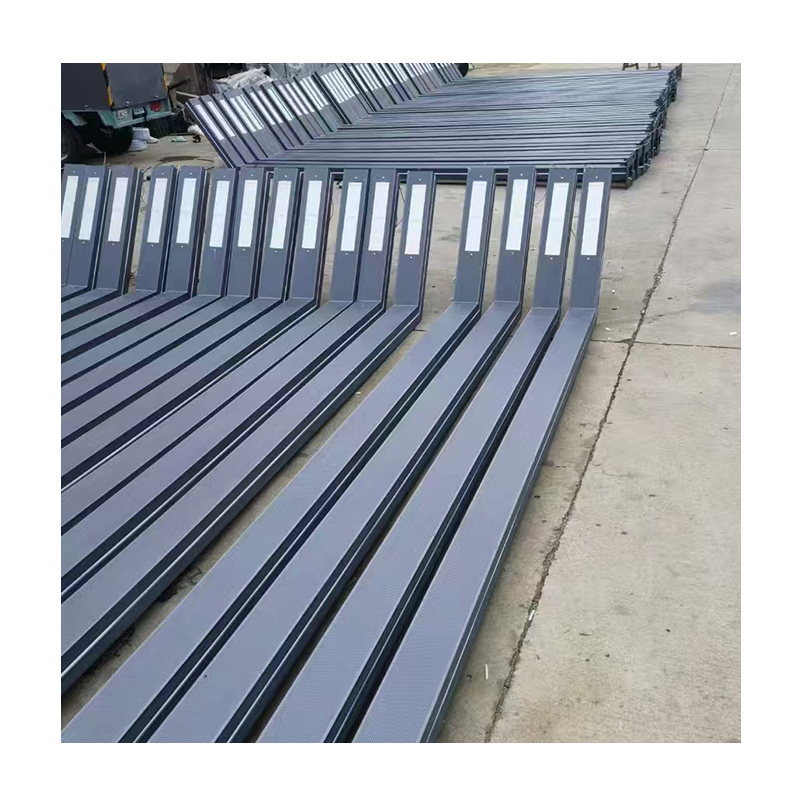
Proper maintenance of street light poles ensures optimal performance, extends service life, and maintains public safety standards in urban and residential areas. Understanding the comprehensive maintenance requirements for these essential infrastructure components helps municipalities, contractors, and property managers develop effective long-term strategies. Regular upkeep prevents costly replacements while ensuring consistent illumination throughout communities.
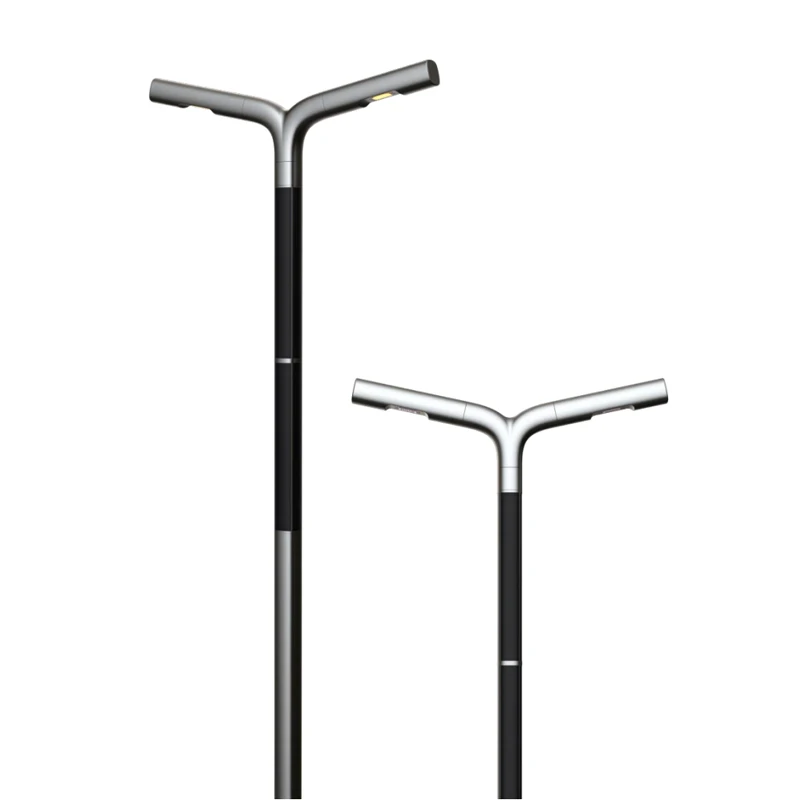
Street light poles require systematic maintenance approaches that address both structural integrity and electrical functionality. Modern lighting infrastructure demands attention to multiple components including the pole structure, foundation, electrical systems, and luminaire fixtures. Professional maintenance teams must evaluate environmental factors, usage patterns, and material specifications when developing maintenance schedules. The investment in regular maintenance significantly reduces emergency repair costs and service interruptions.
Foundation and Structural Maintenance Requirements
Foundation Inspection and Repair Protocols
Foundation integrity forms the cornerstone of reliable street light poles performance throughout their operational lifespan. Regular inspection schedules should include visual assessments of concrete bases, checking for cracks, erosion, or settling issues that could compromise structural stability. Professional maintenance teams examine anchor bolt conditions, ensuring proper tension and corrosion resistance in galvanized hardware components.
Seasonal freeze-thaw cycles create particular challenges for foundation maintenance in northern climates. Water infiltration into concrete cracks can cause expansion damage during winter months, requiring proactive sealing and repair interventions. Drainage systems around pole foundations must remain clear to prevent water accumulation that accelerates deterioration processes.
Ground settlement monitoring becomes critical in areas with expansive soils or recent construction activity. Measurement tools help detect gradual foundation movement that could affect pole alignment and structural loading. Early intervention prevents catastrophic failures and maintains proper lighting angles for optimal coverage patterns.
Pole Structure Assessment and Maintenance
Regular structural assessments evaluate the physical condition of street light poles, focusing on corrosion resistance, surface coatings, and mechanical integrity. Hot-dip galvanized coatings require periodic inspection to identify areas where zinc protection may have worn thin or sustained damage from environmental exposure or physical impact.
Surface cleaning protocols remove accumulated dirt, salt residue, and organic growth that can trap moisture against protective coatings. Pressure washing techniques must balance effective cleaning with coating preservation, using appropriate water pressure and cleaning solutions. Touch-up painting or coating renewal extends protection against oxidation and maintains aesthetic appearance.
Stress point analysis examines critical areas where mechanical loading concentrates, including luminaire attachment points, access door hinges, and base connections. Fatigue cracking can develop over time due to wind loading, thermal expansion, and vibration effects. Non-destructive testing methods help identify internal flaws before they compromise structural performance.
Electrical System Maintenance and Safety Protocols
Wiring and Connection Inspection Procedures
Electrical maintenance for street light poles encompasses comprehensive inspection of wiring systems, connection points, and protective devices that ensure safe power delivery to luminaire fixtures. Qualified electricians perform systematic testing of circuit continuity, insulation resistance, and ground fault protection systems during scheduled maintenance intervals.
Weather-resistant connection integrity requires regular verification, particularly in harsh environmental conditions where moisture infiltration poses significant risks. Terminal blocks, junction boxes, and splice connections must maintain proper sealing against water ingress. Corrosion on copper conductors or aluminum connections can create high-resistance points leading to overheating and potential fire hazards.
Ground fault circuit interrupter functionality testing ensures personnel safety during maintenance operations and protects against electrical shock hazards. Documentation of test results provides valuable historical data for predicting replacement schedules and identifying recurring problems in specific installations or environmental conditions.
Control System and Smart Technology Maintenance
Modern street light poles increasingly incorporate sophisticated control systems, sensors, and communication technologies that require specialized maintenance approaches. Photocell sensors need regular cleaning and calibration to ensure accurate daylight detection and appropriate switching behavior.
Smart lighting controllers demand software updates, communication network testing, and battery backup system maintenance. These advanced systems provide valuable operational data but require technical expertise for proper maintenance and troubleshooting. Network connectivity issues can affect remote monitoring capabilities and centralized control functions.
Surge protection device testing becomes increasingly important as electronic components proliferate in modern lighting installations. Lightning strikes and power grid fluctuations can damage sensitive control electronics, making robust surge suppression and regular testing essential for reliable operation.
LED Fixture and Optical Component Care
LED Module Performance Monitoring
LED technology in street light poles offers exceptional longevity but requires specific maintenance approaches to maximize performance and service life. Regular photometric testing measures light output degradation over time, helping predict replacement schedules before illumination levels fall below acceptable standards.
Heat management plays a crucial role in LED longevity, making thermal monitoring an essential maintenance activity. Blocked ventilation openings, accumulated debris, or failing thermal interface materials can cause excessive junction temperatures that accelerate LED degradation. Cleaning heat sinks and verifying proper airflow prevents premature failures.
Driver circuit functionality directly impacts LED performance and efficiency. Electronic drivers require testing for proper voltage regulation, current control, and thermal protection. Power factor measurements help identify driver degradation before complete failure occurs, enabling proactive replacement scheduling.
Optical System Cleaning and Alignment
Optical components in street light poles accumulate dirt, insects, and environmental contaminants that reduce light transmission efficiency and alter beam patterns. Systematic cleaning schedules maintain optimal light distribution while preserving delicate optical surfaces from damage during maintenance procedures.
Lens and reflector materials require appropriate cleaning solutions and techniques to prevent scratching or chemical damage. Polycarbonate and acrylic optics need gentle cleaning agents, while glass components can tolerate more aggressive cleaning methods. Proper cleaning maintains light quality and prevents hot spots or dark zones in illumination patterns.
Optical alignment verification ensures proper light distribution patterns meet design specifications and local regulations. Mechanical adjustment mechanisms may require lubrication or calibration over time, particularly in installations subject to vibration or thermal cycling.
Environmental Factor Management and Protection
Corrosion Prevention and Treatment Strategies
Environmental protection of street light poles requires comprehensive strategies addressing local climate conditions, air quality factors, and specific corrosive threats. Coastal installations face salt spray challenges that accelerate corrosion processes, while industrial areas may encounter chemical pollutants requiring specialized protective measures.
Galvanic corrosion prevention becomes critical where dissimilar metals contact each other in the presence of moisture. Proper insulation materials and sacrificial anodes help protect critical connection points from electrochemical degradation. Regular inspection identifies early signs of galvanic action before significant damage occurs.
Protective coating maintenance schedules depend on environmental exposure severity and coating type. Powder-coated finishes typically require touch-up every 5-7 years, while liquid coatings may need attention more frequently. Surface preparation quality directly impacts coating adhesion and longevity.
Weather Resistance and Storm Damage Assessment
Storm damage assessment protocols help identify structural compromise and safety hazards following severe weather events. High winds can cause pole deflection, luminaire damage, or debris impact that requires immediate evaluation. Emergency response procedures ensure public safety while facilitating rapid restoration of lighting services.
Seasonal maintenance schedules address specific weather-related challenges in different climates. Ice loading calculations help predict structural stress in winter conditions, while thermal expansion considerations guide summer maintenance activities. Proactive seasonal preparations reduce weather-related failures and service interruptions.
Lightning protection system maintenance ensures proper grounding and surge suppression functionality. Ground resistance testing verifies effective fault current paths, while surge arrestor inspection identifies devices requiring replacement. Proper lightning protection prevents catastrophic damage to electrical systems.
Maintenance Scheduling and Documentation Best Practices
Preventive Maintenance Program Development
Comprehensive maintenance programs for street light poles integrate multiple inspection and service activities into coordinated schedules that optimize resource utilization and minimize service disruptions. Risk-based maintenance approaches prioritize critical components and high-failure-probability items while maintaining cost-effective service levels.
Maintenance frequency determination considers manufacturer recommendations, environmental conditions, historical failure data, and regulatory requirements. Critical safety components may require monthly inspection, while aesthetic maintenance might occur annually. Balanced scheduling prevents both over-maintenance and dangerous neglect.
Resource planning encompasses personnel training, equipment needs, material procurement, and scheduling coordination with other municipal activities. Specialized tools for electrical testing, structural assessment, and optical measurement require proper calibration and operator certification. Inventory management ensures replacement parts availability without excessive carrying costs.
Record Keeping and Performance Analytics
Detailed maintenance records provide valuable insights for optimizing future service strategies and predicting component replacement needs. Digital documentation systems enable efficient data collection, analysis, and reporting while supporting warranty claims and regulatory compliance requirements.
Performance trending analysis identifies patterns in failure modes, maintenance costs, and service life variations across different street light poles installations. Statistical analysis helps optimize maintenance intervals and identify problematic design features or environmental factors affecting reliability.
Cost tracking mechanisms evaluate maintenance program effectiveness and support budget planning for future capital improvements. Life-cycle cost analysis comparing maintenance expenses with replacement costs guides strategic decisions about refurbishment versus replacement timing.
FAQ
How often should street light poles undergo comprehensive maintenance inspection
Comprehensive maintenance inspection for street light poles should occur annually for standard installations, with more frequent assessments in harsh environmental conditions or high-traffic areas. Monthly visual inspections help identify immediate safety concerns, while detailed technical evaluations examine structural integrity, electrical systems, and optical performance. Critical components like ground fault protection and structural connections may require semi-annual testing to ensure public safety and regulatory compliance.
What are the most common failure modes requiring immediate attention
The most common failure modes requiring immediate attention include foundation settlement causing pole instability, electrical connection corrosion creating fire hazards, and luminaire damage reducing illumination effectiveness. Structural fatigue at stress concentration points, particularly around luminaire mounting brackets, can develop dangerous crack propagation. Power system failures affecting multiple street light poles simultaneously often indicate broader infrastructure problems requiring emergency response protocols.
Can maintenance requirements be reduced through better initial installation practices
Quality initial installation practices significantly reduce long-term maintenance requirements for street light poles through proper foundation design, appropriate material selection, and professional workmanship standards. Adequate drainage around foundations prevents water-related deterioration, while proper electrical installation techniques minimize connection problems. Using high-quality galvanized coatings and appropriate fastener materials extends service intervals and reduces corrosion-related maintenance needs.
What specialized equipment is necessary for professional street light pole maintenance
Professional street light pole maintenance requires specialized equipment including aerial work platforms for safe access, electrical testing instruments for system verification, and photometric equipment for light output measurement. Structural assessment tools like ultrasonic thickness gauges and magnetic particle inspection equipment help detect hidden defects. Torque wrenches, insulation resistance testers, and ground fault circuit analyzers ensure proper electrical safety during maintenance operations.
Table of Contents
- Foundation and Structural Maintenance Requirements
- Electrical System Maintenance and Safety Protocols
- LED Fixture and Optical Component Care
- Environmental Factor Management and Protection
- Maintenance Scheduling and Documentation Best Practices
-
FAQ
- How often should street light poles undergo comprehensive maintenance inspection
- What are the most common failure modes requiring immediate attention
- Can maintenance requirements be reduced through better initial installation practices
- What specialized equipment is necessary for professional street light pole maintenance