
 EN
EN
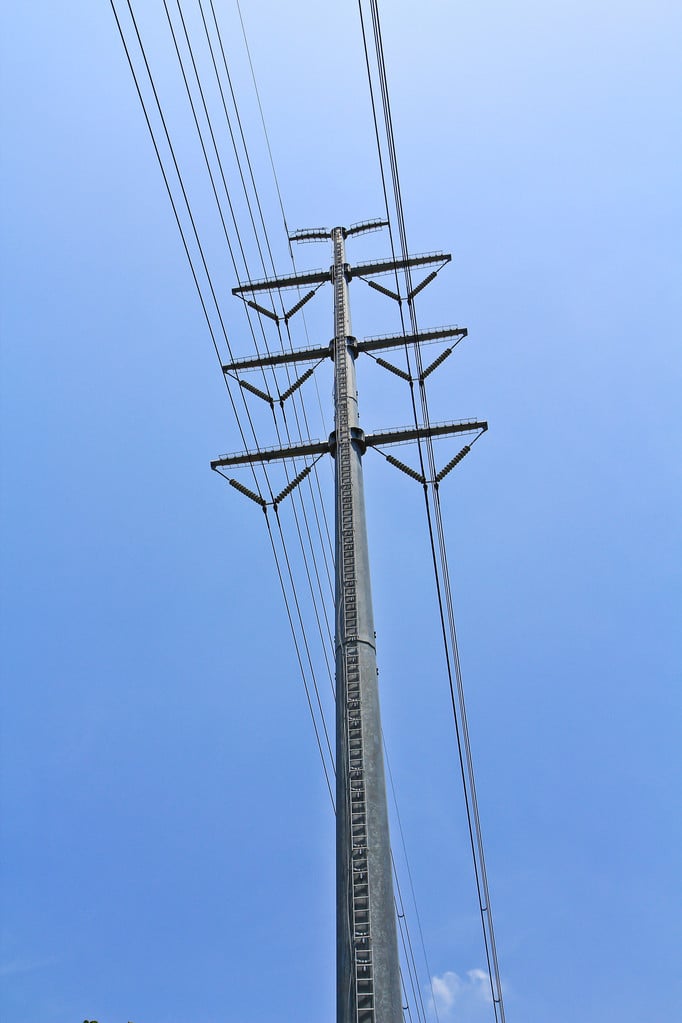
Wind load calculation serves as the foundational engineering principle that determines the structural integrity and safety of pole installations across various applications. This critical assessment process evaluates the forces that wind exerts on vertical structures, influencing every aspect from material selection to anchoring depth. Understanding how wind load calculation impacts pole design enables engineers and contractors to create installations that withstand environmental challenges while maintaining operational efficiency. The methodology involves analyzing wind speed data, surface roughness, pole geometry, and environmental factors to establish comprehensive design parameters that ensure long-term structural reliability.
Modern pole design requires sophisticated analysis of wind forces to prevent structural failure and ensure public safety. Engineers must consider multiple variables including local wind patterns, seasonal variations, and extreme weather events when performing wind load calculation assessments. The process directly influences material specifications, cross-sectional dimensions, and connection details that form the backbone of reliable pole installations. Professional engineers utilize advanced computational methods and industry standards to translate wind data into actionable design requirements that meet both performance expectations and regulatory compliance standards.
Fundamental Principles of Wind Load Analysis
Basic Wind Pressure Calculations
The foundation of wind load calculation begins with determining basic wind pressure using standardized formulas that account for wind speed and air density. Engineers apply the fundamental equation where wind pressure equals one-half times air density times wind velocity squared, providing the baseline force measurement for structural analysis. This calculation incorporates local meteorological data, including historical wind speed records and projected climate patterns, to establish design parameters that reflect actual environmental conditions. The resulting pressure values serve as input data for more complex structural analysis procedures that determine pole dimensions and material requirements.
Professional wind load calculation methodologies also consider dynamic effects such as wind gusting, turbulence, and vortex shedding that can amplify forces beyond static pressure calculations. These dynamic factors require specialized analysis techniques that evaluate how poles respond to fluctuating wind conditions over time. Engineers must account for resonance frequencies, damping characteristics, and fatigue considerations that influence long-term structural performance. The comprehensive approach ensures that pole designs accommodate both steady-state wind conditions and extreme weather events that could otherwise compromise structural integrity.
Environmental Factor Integration
Effective wind load calculation incorporates site-specific environmental factors that significantly influence wind behavior and force distribution on pole structures. Terrain roughness, nearby obstructions, elevation changes, and urban heat island effects all modify wind patterns in ways that standard calculations must address. Engineers conduct detailed site surveys to identify topographical features, existing structures, and vegetation patterns that could create wind acceleration zones or sheltered areas affecting pole loading. This environmental analysis ensures that wind load calculations reflect actual site conditions rather than theoretical open-terrain scenarios.
Geographic location plays a crucial role in wind load calculation accuracy, as regional climate patterns, seasonal variations, and extreme weather frequency vary significantly across different areas. Coastal installations face different wind challenges compared to inland locations, while mountainous terrain creates unique wind flow patterns that require specialized analysis approaches. Engineers utilize local meteorological station data, satellite wind mapping, and computational fluid dynamics modeling to develop site-specific wind profiles that inform accurate load calculations. This localized approach ensures that pole designs appropriately address the unique environmental challenges present at each installation location.

Structural Design Implications
Material Selection Criteria
Wind load calculation results directly influence material selection decisions that determine pole performance characteristics and lifecycle costs. Steel, aluminum, and composite materials each offer distinct advantages and limitations when subjected to wind forces, requiring engineers to evaluate strength-to-weight ratios, fatigue resistance, and corrosion performance. High wind load environments typically favor steel construction due to superior strength characteristics, while moderate wind areas may benefit from aluminum's lightweight properties and corrosion resistance. The wind load calculation process ensures material specifications align with anticipated force levels while optimizing cost-effectiveness and maintenance requirements.
Advanced material technologies enable engineers to create pole designs that efficiently distribute wind loads while minimizing material usage and construction costs. High-strength steel alloys, weathering steel formulations, and innovative composite materials provide enhanced performance characteristics that traditional materials cannot match. Wind load calculation analysis helps engineers identify optimal material combinations that balance structural performance with economic considerations. The selection process must also consider long-term factors such as maintenance accessibility, replacement part availability, and environmental impact to ensure sustainable pole installations.
Cross-Sectional Design Optimization
Pole cross-sectional geometry significantly influences wind load resistance and overall structural efficiency, requiring careful optimization based on calculated force distributions. Circular, square, and polygonal cross-sections each exhibit different aerodynamic characteristics and structural properties that affect wind load calculation outcomes. Circular sections generally provide superior wind resistance due to reduced drag coefficients, while square sections may offer advantages in specific applications requiring equipment mounting surfaces. Engineers must balance aerodynamic efficiency with practical installation and maintenance requirements when selecting optimal cross-sectional configurations.
Tapered pole designs represent an advanced approach to wind load optimization, distributing forces more efficiently along the pole height while reducing material usage. Wind load calculation analysis reveals how tapering affects stress distribution, natural frequency characteristics, and overall structural performance under various loading conditions. The optimization process considers manufacturing constraints, transportation limitations, and installation requirements to develop practical designs that maximize structural efficiency. Modern computational tools enable engineers to explore multiple design iterations and identify configurations that achieve optimal performance while meeting project-specific requirements and budget constraints.
Foundation and Anchoring Systems
Deep Foundation Requirements
Wind load calculation results directly determine foundation depth, width, and reinforcement requirements necessary to resist overturning moments and lateral forces transmitted through pole structures. Deep foundation systems must transfer wind-induced forces safely into competent soil layers while preventing excessive deflection or structural failure. Engineers analyze soil bearing capacity, lateral resistance, and settlement characteristics to design foundation systems that accommodate calculated wind loads throughout the anticipated service life. The foundation design process requires integration of geotechnical analysis with structural wind load calculations to ensure comprehensive system performance.
Drilled shaft foundations represent the most common solution for high wind load applications, providing excellent resistance to overturning moments through deep embedment in stable soil layers. Wind load calculation analysis determines required shaft diameter, embedment depth, and reinforcement details needed to resist maximum anticipated forces. The design process must consider factors such as soil-structure interaction, cyclic loading effects, and potential scour conditions that could compromise foundation performance. Professional engineers utilize specialized software tools to model foundation behavior under various loading scenarios and optimize designs for both structural performance and construction efficiency.
Anchor Bolt Configuration
Anchor bolt systems provide the critical connection between pole structures and foundation elements, requiring precise engineering based on wind load calculation results to ensure reliable force transfer. Bolt spacing, diameter, embedment length, and material specifications must accommodate tension, shear, and fatigue loads generated by wind forces acting on pole structures. Engineers analyze bolt group behavior, considering factors such as load distribution, edge distances, and concrete breakout resistance to develop anchor configurations that provide adequate safety margins. The anchor bolt design process requires coordination between structural and geotechnical engineers to ensure compatibility with foundation systems and soil conditions.
Advanced anchor bolt technologies, including post-installed anchors, chemical anchors, and hybrid systems, provide enhanced performance characteristics for challenging wind load applications. Wind load calculation analysis helps engineers select appropriate anchor systems based on force magnitudes, loading directions, and installation constraints. The selection process must consider factors such as installation tolerance requirements, inspection accessibility, and long-term durability to ensure reliable performance throughout the anticipated service life. Professional specifications typically require testing and certification of anchor systems to verify capacity and performance characteristics under simulated service conditions.
Installation and Quality Assurance
Construction Verification Methods
Quality assurance during pole installation requires verification that constructed elements match design specifications derived from wind load calculation analysis. Field inspection procedures must confirm foundation dimensions, concrete strength, anchor bolt placement, and pole alignment to ensure structural performance meets engineering requirements. Professional inspectors utilize specialized measurement tools, testing equipment, and documentation procedures to verify compliance with project specifications. The verification process includes material certifications, dimensional surveys, and load testing procedures that confirm installed systems can resist calculated wind forces.
Non-destructive testing methods provide valuable tools for assessing installed pole systems without compromising structural integrity or requiring extensive disassembly. Ultrasonic testing, magnetic particle inspection, and visual examination techniques enable inspectors to identify potential defects or installation errors that could affect wind load resistance. Wind load calculation requirements inform testing protocols and acceptance criteria used during quality assurance procedures. The inspection process must document all findings and provide certification that installed systems meet design requirements and applicable safety standards.
Performance Monitoring Systems
Modern pole installations increasingly incorporate monitoring systems that track structural performance and validate wind load calculation assumptions through real-world data collection. Strain gauges, accelerometers, and weather stations provide continuous monitoring of structural response to environmental loading conditions. This data enables engineers to verify design assumptions, identify potential maintenance needs, and refine future wind load calculation methodologies. Performance monitoring systems also provide early warning of potential structural issues that could compromise safety or service reliability.
Data analysis from monitoring systems helps engineers understand long-term trends in wind loading and structural response that inform maintenance scheduling and design optimization for future projects. Wind load calculation models benefit from validation against actual measured data, improving accuracy and reliability of engineering predictions. The monitoring approach provides valuable feedback for continuous improvement of design methodologies and construction practices. Professional engineers utilize monitoring data to develop predictive maintenance programs that optimize lifecycle costs while maintaining structural safety and performance standards.
Regulatory Compliance and Standards
International Design Codes
Wind load calculation methodologies must comply with established international design codes that provide standardized approaches for structural analysis and safety verification. Major codes including ASCE 7, Eurocode, and IBC establish minimum requirements for wind load analysis, material specifications, and safety factors that ensure consistent engineering practices. These standards incorporate decades of research and field experience to provide reliable guidance for pole design professionals. Engineers must remain current with code updates and revisions that reflect evolving understanding of wind behavior and structural performance.
Regional variations in design codes require engineers to understand local requirements and adaptation procedures that ensure compliance with applicable regulations. Wind load calculation procedures may vary between jurisdictions based on local climate conditions, construction practices, and regulatory priorities. Professional engineers must obtain appropriate licenses and maintain continuing education requirements to practice in different regions. The compliance process often requires submission of detailed calculations, drawings, and supporting documentation for regulatory review and approval before construction can proceed.
Safety Factor Implementation
Safety factors applied to wind load calculation results provide essential margins against structural failure while accounting for uncertainties in loading, material properties, and construction quality. Design codes specify minimum safety factors for different load combinations and failure modes, ensuring consistent levels of structural reliability across different applications. Engineers must understand how to properly apply safety factors to calculated loads and verify that resulting designs provide adequate protection against extreme events. The safety factor selection process considers consequence of failure, loading uncertainty, and material variability to establish appropriate design margins.
Risk-based design approaches increasingly supplement traditional safety factor methodologies by incorporating probabilistic analysis of wind load calculation uncertainties and their effects on structural reliability. These advanced methods enable engineers to optimize designs by targeting specific reliability levels rather than applying uniform safety factors to all applications. Wind load calculation procedures benefit from probabilistic approaches that better characterize the inherent variability in wind loading and structural response. Professional engineers utilize specialized software tools to implement risk-based design methodologies that provide more rational and economical structural solutions.
FAQ
What factors influence wind load calculation accuracy for pole design
Wind load calculation accuracy depends on several critical factors including local wind speed data quality, terrain roughness characterization, pole geometry definition, and proper application of design code provisions. Accurate meteorological data spanning sufficient time periods provides the foundation for reliable wind speed predictions, while detailed site surveys ensure that environmental factors are properly incorporated. Pole geometry must be precisely defined including all attachments, lighting fixtures, and equipment that contribute to wind loading. Professional engineers must also properly apply code-specified factors for exposure categories, importance factors, and load combinations to achieve accurate results.
How do environmental conditions affect wind load calculation results
Environmental conditions significantly influence wind load calculation through effects on wind speed, direction, turbulence, and force coefficients applied to pole structures. Coastal locations experience higher wind speeds and different directional patterns compared to inland sites, while mountainous terrain creates complex wind flow patterns that require specialized analysis. Urban environments generate increased turbulence and modified wind profiles that affect loading characteristics. Temperature variations, humidity levels, and atmospheric pressure also influence air density and resulting wind forces, requiring consideration in comprehensive wind load calculation procedures.
What are the consequences of inadequate wind load calculation in pole design
Inadequate wind load calculation can lead to catastrophic structural failures including pole collapse, foundation failure, or excessive deflection that compromises functionality and public safety. Under-designed poles may experience fatigue cracking, connection failures, or progressive damage that requires costly repairs or complete replacement. Insurance claims, legal liability, and regulatory sanctions represent additional consequences of inadequate design procedures. Professional engineers bear responsibility for ensuring that wind load calculation methods meet applicable standards and provide adequate safety margins for anticipated service conditions.
How has modern technology improved wind load calculation methods
Modern technology has revolutionized wind load calculation through advanced computational fluid dynamics modeling, satellite-based wind mapping, and sophisticated structural analysis software that provide unprecedented accuracy and efficiency. High-performance computing enables engineers to model complex wind flow patterns around pole installations and evaluate dynamic response characteristics that were previously impossible to analyze. Remote sensing technology provides detailed wind data for locations without traditional meteorological stations, expanding the availability of accurate environmental data. Machine learning algorithms increasingly assist in pattern recognition and predictive modeling that enhance wind load calculation reliability and reduce design uncertainties.