
 EN
EN
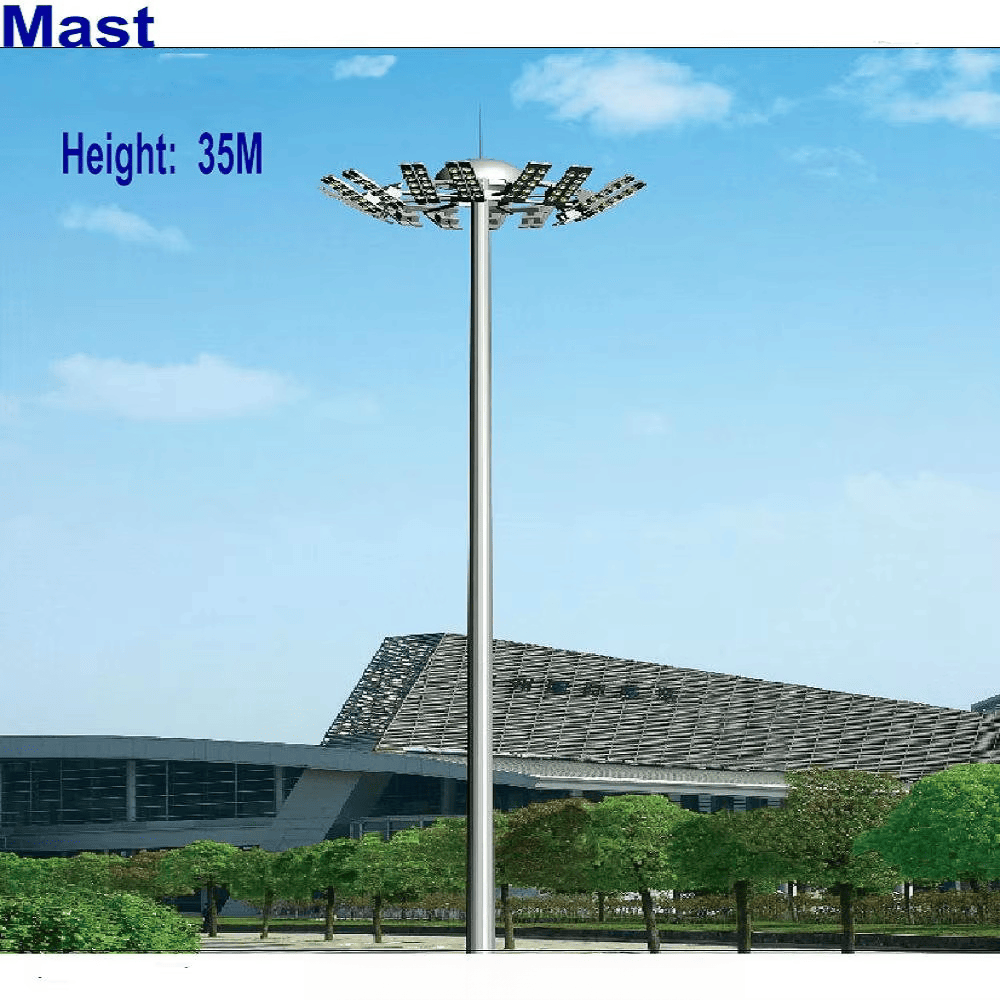
Large public areas such as airports, stadiums, parking lots, and industrial complexes require comprehensive illumination solutions that can cover vast expanses effectively. High mast lights have emerged as the preferred lighting technology for these applications, offering superior coverage, enhanced safety features, and operational efficiency that traditional lighting systems cannot match. These towering illumination structures typically range from 20 to 35 meters in height, providing widespread light distribution that eliminates dark spots and creates uniformly lit environments essential for public safety and security.
The implementation of high mast lights in public spaces addresses critical safety concerns that conventional lighting systems often fail to resolve adequately. These advanced lighting solutions provide consistent illumination across large areas, reducing the risk of accidents, criminal activities, and operational hazards that commonly occur in poorly lit environments. Understanding how high mast lights contribute to public safety requires examining their technical capabilities, design features, and real-world applications across various sectors.
Enhanced Visibility and Crime Prevention
Comprehensive Area Coverage
High mast lights deliver exceptional area coverage through their elevated positioning and high-output luminaires. Unlike traditional pole-mounted fixtures that create isolated pools of light with dark spaces between them, high mast lights provide continuous illumination across expansive areas. This comprehensive coverage eliminates hiding spots and shadowy areas where criminal activities might occur, creating a deterrent effect that significantly enhances public safety in large venues.
The elevated height of these lighting systems allows for optimal light distribution patterns that can cover areas spanning several acres with minimal fixtures. Each high mast light installation typically incorporates multiple LED luminaires mounted at the top of the pole, creating overlapping light patterns that ensure uniform illumination throughout the target area. This design approach maximizes visibility for pedestrians, vehicles, and security personnel while minimizing the number of required lighting structures.
Psychological Safety Benefits
Well-illuminated public spaces create a psychological sense of safety that encourages legitimate use while discouraging criminal behavior. High mast lights contribute to this effect by providing bright, consistent lighting that allows people to see and be seen clearly. This visibility factor is crucial in large public areas where individuals may feel vulnerable due to the open nature of the space and potential isolation from immediate help.
Research consistently demonstrates that adequate lighting reduces crime rates in public spaces by increasing the perceived risk of detection for potential offenders. High mast lights excel in this application because they provide the high light levels necessary to support natural surveillance and create an environment where antisocial behavior is less likely to occur. The uniform illumination these systems provide eliminates the stark contrasts between light and shadow that can impair vision and create opportunities for criminal activity.
Traffic and Pedestrian Safety Improvements
Vehicle Navigation and Collision Prevention
Large parking areas, airport tarmacs, and industrial facilities rely on high mast lights to ensure safe vehicle navigation during nighttime operations. These lighting systems provide the visibility necessary for drivers to identify pedestrians, obstacles, and other vehicles from safe distances, significantly reducing the risk of collisions and accidents. The wide coverage area of each fixture minimizes the number of potential blind spots that could hide hazards from drivers.
The consistent light levels provided by high mast lights enable drivers to maintain appropriate speeds and make informed decisions about navigation paths. This is particularly important in complex environments such as shipping yards, construction sites, and large retail parking areas where vehicle and pedestrian traffic intersect frequently. The superior visibility these systems provide allows for better depth perception and hazard recognition, contributing to overall traffic safety.
Pedestrian Pathway Illumination
Pedestrian safety in large public areas depends heavily on adequate pathway illumination that allows individuals to navigate confidently and identify potential hazards. High mast lights provide consistent lighting along pedestrian routes, eliminating the uneven illumination patterns common with traditional lighting systems. This uniform coverage helps prevent trips, falls, and other accidents that can occur when people encounter unexpected changes in lighting levels.
The broad coverage area of high mast lights ensures that pedestrian pathways remain well-lit even when some individual fixtures are temporarily out of service for maintenance. This redundancy is particularly valuable in large public spaces where alternative lighting sources may be limited or nonexistent. Additionally, the elevated mounting height of these systems reduces the risk of vandalism or accidental damage that could compromise lighting performance.
Emergency Response and Security Operations
First Responder Visibility
Emergency situations in large public areas require optimal visibility conditions for first responders to operate effectively and safely. High mast lights provide the consistent, high-level illumination necessary for paramedics, firefighters, and law enforcement personnel to assess situations quickly and respond appropriately. The wide coverage area ensures that emergency vehicles can navigate safely to incident locations while maintaining visual contact with personnel and equipment.
The reliability of high mast lights during emergency situations is enhanced by their robust construction and advanced control systems. Many installations incorporate backup power systems and remote monitoring capabilities that ensure continued operation during power outages or system failures. This reliability is crucial for maintaining safety during emergencies when adequate lighting can mean the difference between successful and failed rescue operations.
Surveillance System Integration
Modern security operations in large public areas increasingly rely on integrated surveillance systems that combine high mast lights with advanced camera technology. The consistent illumination provided by these lighting systems ensures optimal performance of security cameras, enabling clear identification of individuals and activities across the monitored area. This integration creates a comprehensive security solution that enhances both active monitoring and forensic investigation capabilities.
The elevated mounting positions used for high mast lights provide ideal locations for security camera installation, offering unobstructed views of large areas while maintaining equipment security. The stable platform and power infrastructure associated with high mast light installations support advanced surveillance equipment including pan-tilt-zoom cameras, thermal imaging systems, and automated detection technologies that further enhance public safety.
Operational Efficiency and Maintenance Benefits
Reduced Infrastructure Requirements
High mast lights significantly reduce the infrastructure requirements for illuminating large public areas compared to conventional lighting approaches. A single high mast installation can replace dozens of traditional light poles, minimizing the number of foundations, electrical connections, and maintenance points required. This consolidation reduces both initial installation costs and ongoing maintenance expenses while improving the overall reliability of the lighting system.
The reduced number of lighting structures also minimizes potential obstacles for vehicles and equipment operating in large public areas. This is particularly beneficial in applications such as airport operations, shipping facilities, and construction sites where lighting infrastructure must not interfere with operational activities. The streamlined infrastructure approach provided by high mast lights enhances both safety and operational efficiency.
Advanced Control and Monitoring Systems
Modern high mast lights incorporate sophisticated control systems that enable remote monitoring, scheduling, and diagnostic capabilities. These systems allow facility managers to optimize lighting performance for different activities and conditions while maintaining comprehensive visibility into system status and performance. Automated dimming capabilities can adjust light levels based on ambient conditions or operational requirements, ensuring optimal visibility while minimizing energy consumption.
The integration of smart control systems with high mast lights enables predictive maintenance approaches that identify potential issues before they result in lighting failures. This proactive maintenance strategy ensures consistent lighting performance and reduces the risk of safety incidents caused by inadequate illumination. Remote diagnostic capabilities also allow maintenance teams to respond more efficiently to system issues, minimizing downtime and maintaining safety standards.
Environmental and Energy Considerations
LED Technology Integration
Contemporary high mast lights utilize advanced LED technology that provides superior energy efficiency compared to traditional high-intensity discharge lighting systems. LED luminaires offer longer service life, reduced maintenance requirements, and precise light control that minimizes light pollution while maximizing useful illumination. These characteristics make high mast lights an environmentally responsible choice for large area lighting applications.
The directional nature of LED lighting allows high mast lights to focus illumination precisely where it is needed, reducing spillover into surrounding areas and minimizing impacts on nearby residential or environmentally sensitive areas. This targeted approach to illumination ensures that public safety objectives are met while maintaining good neighbor relationships and environmental stewardship.
Sustainability and Life Cycle Benefits
High mast lights contribute to sustainable lighting practices through their extended service life and reduced maintenance requirements. The robust construction of these systems, combined with advanced LED technology, results in lighting installations that can operate reliably for decades with minimal intervention. This longevity reduces the environmental impact associated with manufacturing, transportation, and installation of replacement lighting equipment.
The energy efficiency of modern high mast lights translates to reduced carbon emissions and lower operational costs over the system lifetime. When combined with smart control capabilities that optimize energy usage based on actual lighting needs, these systems represent a sustainable approach to large area illumination that balances public safety requirements with environmental responsibility.
Application-Specific Safety Benefits
Sports and Recreation Facilities
Sports facilities and recreational areas benefit significantly from high mast lights due to their ability to provide uniform illumination across large playing surfaces. The consistent light levels these systems deliver are essential for player safety, enabling athletes to track balls, identify teammates and opponents, and navigate playing surfaces safely. The elimination of shadows and dark spots reduces the risk of collisions and injuries that can occur when players lose visual contact with game elements.
Spectator safety in sports venues also relies on adequate illumination of seating areas, concourses, and parking facilities. High mast lights provide the coverage necessary to ensure that fans can move safely throughout the venue while maintaining visibility of potential hazards. The reliable operation of these lighting systems is crucial during evening events when thousands of people may be present and dependent on artificial illumination for safe navigation.
Industrial and Commercial Applications
Industrial facilities such as shipping yards, manufacturing plants, and distribution centers use high mast lights to enhance worker safety during nighttime operations. The consistent illumination these systems provide enables workers to identify hazards, operate equipment safely, and maintain situational awareness in complex industrial environments. The wide coverage area ensures that material handling equipment, storage areas, and pedestrian pathways remain well-lit throughout the facility.
Commercial applications including large retail parking areas and transportation hubs rely on high mast lights to create safe environments for customers and employees. The psychological comfort provided by well-illuminated spaces encourages legitimate use while deterring criminal activity. The operational reliability of these lighting systems ensures that commercial facilities can maintain consistent safety standards regardless of weather conditions or other environmental factors.
FAQ
What makes high mast lights more effective than traditional lighting for large areas
High mast lights are more effective than traditional lighting systems because they provide uniform illumination across vast areas from elevated positions, typically 20-35 meters high. This eliminates the uneven lighting patterns and dark spots common with multiple lower-mounted fixtures. Each high mast installation can cover several acres with consistent light levels, reducing the total number of fixtures required while improving overall visibility and safety. The elevated mounting also reduces vandalism risk and provides better integration with surveillance systems.
How do high mast lights contribute to crime prevention in public spaces
High mast lights prevent crime by eliminating hiding spots and creating consistent visibility throughout large public areas. The uniform illumination makes it difficult for criminals to approach undetected and increases the likelihood of witnesses observing suspicious activities. Well-lit environments also provide psychological comfort to legitimate users, encouraging natural surveillance that further deters criminal behavior. Studies show that adequate lighting can reduce crime rates by up to 30% in public spaces.
What are the energy efficiency benefits of modern high mast lighting systems
Modern high mast lights using LED technology consume 50-70% less energy than traditional high-intensity discharge systems while providing superior light quality and longer service life. Smart control systems enable automated dimming and scheduling that optimizes energy usage based on actual lighting needs. The consolidated infrastructure approach reduces electrical distribution requirements, and the extended lamp life of LEDs minimizes maintenance-related energy consumption. These factors combine to create highly efficient lighting solutions with lower operational costs.
How do high mast lights improve emergency response capabilities
High mast lights improve emergency response by providing the consistent, high-level illumination necessary for first responders to operate safely and effectively. The wide coverage ensures emergency vehicles can navigate to incident locations while maintaining visual contact with personnel and equipment. Many systems include backup power and remote monitoring capabilities that maintain operation during emergencies. The elevated platforms also provide ideal mounting locations for emergency communication equipment and surveillance systems that support coordinated response efforts.