
 EN
EN
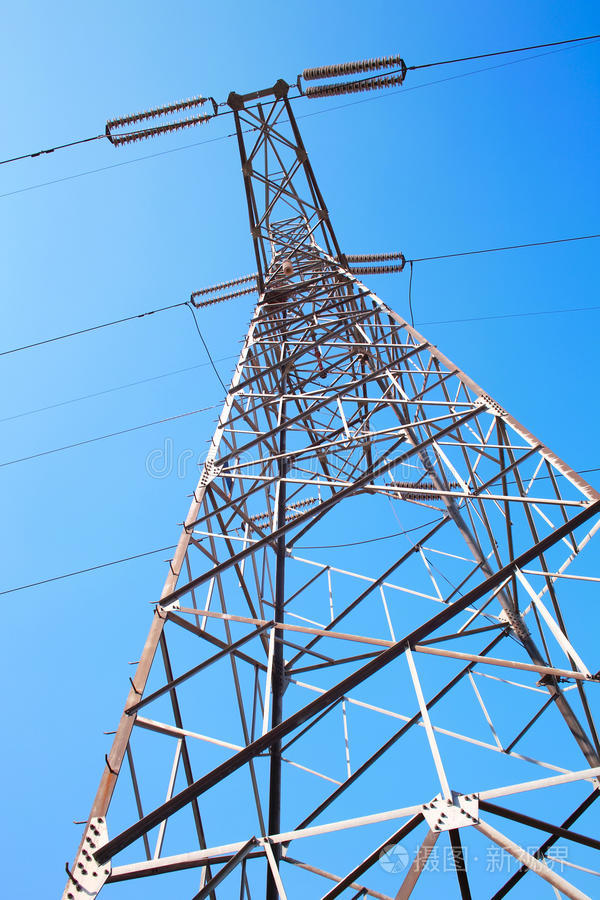
Selecting the right steel structure supplier is one of the most critical decisions in any engineering project. The quality of steel components, reliability of delivery schedules, and technical expertise of your supplier can significantly impact project timelines, budgets, and overall success. With numerous suppliers in the market offering various steel products and services, engineers and project managers must carefully evaluate potential partners to ensure optimal outcomes. Understanding the key factors that distinguish exceptional suppliers from mediocre ones enables informed decision-making and helps establish long-term partnerships that benefit multiple projects.
Essential Qualifications and Certifications for Steel Structure Suppliers
Industry Standards and Quality Certifications
A reputable steel structure supplier must possess comprehensive certifications that demonstrate compliance with international quality standards. ISO 9001 certification indicates robust quality management systems, while AWS (American Welding Society) certifications ensure welding processes meet stringent requirements. Additionally, suppliers should maintain AISC (American Institute of Steel Construction) certification for fabricators, which validates their capability to produce structural steel components according to industry best practices. These certifications provide assurance that the steel structure supplier follows standardized procedures throughout the manufacturing process.
Beyond basic certifications, specialized qualifications for specific project types enhance supplier credibility. For example, suppliers working on bridge projects should have DOT (Department of Transportation) approvals, while those involved in nuclear facilities require nuclear quality assurance certifications. Environmental certifications such as LEED compliance demonstrate commitment to sustainable practices. When evaluating potential partners, verify that certifications are current and scope-appropriate for your specific engineering requirements.
Technical Expertise and Engineering Capabilities
The technical competence of a steel structure supplier extends beyond manufacturing capabilities to include design assistance, value engineering, and problem-solving expertise. Suppliers with in-house engineering teams can provide valuable input during the design phase, potentially identifying cost-saving opportunities or suggesting alternative approaches that improve project efficiency. Their ability to interpret complex drawings, perform structural calculations, and recommend material optimizations demonstrates the depth of technical knowledge essential for challenging engineering projects.
Advanced software capabilities and modern fabrication equipment indicate a supplier's commitment to precision and efficiency. Look for suppliers utilizing 3D modeling software, CNC cutting equipment, and automated welding systems. These technologies enable accurate material cutting, consistent weld quality, and reduced fabrication timelines. A steel structure supplier with comprehensive technical capabilities can adapt to project modifications, provide detailed shop drawings, and ensure compatibility with existing structures or systems.
Manufacturing Capacity and Production Capabilities
Facility Infrastructure and Equipment Assessment
Evaluating the physical infrastructure of a steel structure supplier provides insights into their production capacity and quality control capabilities. Modern fabrication facilities should feature adequate crane capacity for handling large structural components, sufficient workspace for assembly operations, and climate-controlled environments when required for specific welding procedures. The layout and organization of the facility often reflect operational efficiency and attention to detail that translates into product quality.
Equipment age, maintenance programs, and technological sophistication directly impact production quality and delivery schedules. Suppliers with well-maintained, modern equipment typically achieve better dimensional accuracy, surface finish quality, and production throughput. Observe whether the facility maintains backup equipment for critical operations and implements preventive maintenance schedules. A steel structure supplier with robust infrastructure can handle project peaks, accommodate rush orders, and maintain consistent quality standards even during high-demand periods.
Production Volume and Scheduling Flexibility
Understanding a supplier's production capacity relative to your project requirements helps ensure realistic delivery expectations. Assess their current order backlog, typical lead times, and ability to accommodate varying project sizes. Some suppliers excel at high-volume, standardized components, while others specialize in complex, custom fabrications requiring extensive engineering input. Match your project characteristics with the supplier's core competencies to optimize outcomes.
Scheduling flexibility becomes crucial when project timelines compress or unexpected changes occur. A reliable steel structure supplier maintains buffer capacity, cross-trained workforce, and established procedures for priority handling. They should demonstrate ability to adjust production schedules, coordinate with multiple trades, and maintain communication throughout schedule changes. Suppliers with multiple shifts, weekend capabilities, and established overtime procedures can better accommodate urgent requirements while maintaining quality standards.
Quality Control and Testing Procedures
Material Testing and Verification Protocols
Comprehensive material testing protocols distinguish professional steel structure suppliers from commodity providers. Incoming raw material inspection should include chemical analysis, mechanical property verification, and dimensional checks against specifications. Mill test certificates provide baseline documentation, but independent testing adds verification layers that protect project integrity. Suppliers should maintain calibrated testing equipment and qualified personnel for conducting required tests.
Non-destructive testing capabilities enable quality verification without compromising structural integrity. Ultrasonic testing, magnetic particle inspection, and radiographic examination detect internal defects, surface discontinuities, and weld quality issues. A steel structure supplier with comprehensive NDT capabilities can provide complete documentation packages required for critical applications. Their testing protocols should align with project specifications and applicable codes, ensuring compliance throughout the fabrication process.
Documentation and Traceability Systems
Robust documentation systems enable complete traceability from raw materials through final delivery. Each component should maintain identification throughout fabrication, linking to specific heat numbers, test results, and fabrication records. Digital documentation systems facilitate quick retrieval of information for warranty claims, future modifications, or inspection requirements. The steel structure supplier should provide complete material certifications, test reports, and fabrication records with each shipment.
Quality management systems should include inspection points throughout fabrication, with hold points for critical operations requiring approval before proceeding. Documented procedures for handling non-conforming materials, corrective actions, and continuous improvement demonstrate systematic approaches to quality management. Suppliers maintaining detailed records enable forensic analysis if issues arise and provide confidence in their commitment to quality excellence.
Project Management and Communication Excellence
Project Coordination and Scheduling Systems
Effective project management capabilities separate exceptional steel structure suppliers from average performers. Look for suppliers utilizing sophisticated project management software that provides real-time visibility into production status, material procurement, and delivery schedules. Their ability to coordinate with multiple stakeholders, manage change orders, and maintain schedule integrity directly impacts project success. Regular progress reporting and proactive communication prevent surprises and enable early problem resolution.
Integration with overall project schedules requires suppliers who understand construction sequencing and can adapt to field conditions. They should demonstrate experience coordinating with general contractors, other trades, and inspection agencies. A competent steel structure supplier anticipates potential conflicts, proposes solutions, and maintains flexibility while preserving quality and safety standards. Their project management approach should complement your existing systems and enhance overall project coordination.
Communication Protocols and Responsiveness
Clear communication protocols establish expectations for information sharing, problem escalation, and decision-making processes. The supplier should designate specific contact points for different project phases and maintain consistent availability during critical periods. Regular status meetings, written progress reports, and immediate notification of potential issues demonstrate professional communication practices that minimize project risks.
Responsiveness to inquiries, change requests, and problem resolution reflects the supplier's commitment to customer service. Evaluate their typical response times, availability during off-hours, and ability to mobilize resources quickly when needed. A steel structure supplier with strong communication practices builds trust, prevents misunderstandings, and facilitates smooth project execution through collaborative problem-solving approaches.
Cost Analysis and Value Proposition
Comprehensive Cost Evaluation Methods
Evaluating steel structure supplier proposals requires analysis beyond initial pricing to understand total project costs. Consider fabrication complexity, delivery schedules, quality levels, and potential change order pricing when comparing options. Suppliers offering lowest initial prices may generate higher total costs through schedule delays, quality issues, or expensive change orders. Develop comprehensive evaluation criteria that weight various factors according to project priorities.
Value engineering opportunities can significantly impact project economics when suppliers contribute design optimization suggestions. Experienced suppliers identify material substitutions, connection simplifications, or fabrication improvements that reduce costs without compromising performance. Their willingness to invest engineering resources during the proposal phase often indicates commitment to project success and potential for ongoing collaboration throughout construction.
Long-term Partnership Considerations
Building relationships with reliable steel structure suppliers creates advantages for future projects through improved pricing, priority scheduling, and enhanced service levels. Suppliers who understand your quality expectations, delivery requirements, and communication preferences can provide more accurate proposals and smoother execution. Long-term partnerships enable collaborative approaches to problem-solving and continuous improvement in processes and outcomes.
Evaluate suppliers' financial stability, growth trajectory, and commitment to market sectors relevant to your organization. Stable suppliers with consistent performance history provide confidence for multi-year agreements or large projects requiring extended delivery schedules. Their investment in equipment upgrades, personnel training, and facility improvements indicates commitment to maintaining competitive capabilities and service quality over time.
FAQ
What key certifications should I look for in a steel structure supplier?
Essential certifications include ISO 9001 for quality management systems, AWS certifications for welding procedures, and AISC certification for structural steel fabrication. Depending on your project type, additional certifications such as DOT approvals for bridge work or nuclear quality assurance for specialized facilities may be required. Verify that all certifications are current and applicable to your specific project scope and requirements.
How do I evaluate a supplier's production capacity for my project?
Assess production capacity by reviewing their facility size, equipment capabilities, workforce size, and current order backlog. Request information about typical lead times, maximum project sizes they can handle, and their ability to accommodate schedule changes. Visit their facility if possible to observe operations firsthand and discuss your project requirements with their production management team to ensure compatibility with your timeline and volume needs.
What quality control measures should a reputable steel structure supplier have?
Look for comprehensive quality control programs including incoming material inspection, in-process quality checks, non-destructive testing capabilities, and complete documentation systems. The supplier should maintain calibrated testing equipment, qualified inspection personnel, and detailed traceability systems linking components to source materials and test results. They should also have documented procedures for handling non-conforming materials and implementing corrective actions.
How important is geographic location when selecting a steel structure supplier?
Geographic proximity can significantly impact transportation costs, delivery schedules, and project coordination efficiency. Local suppliers may offer advantages in terms of reduced shipping costs, faster delivery times, and easier site visits for coordination meetings. However, don't compromise quality or specialized capabilities for proximity alone. Consider the total value proposition including expertise, quality, and service levels when evaluating location factors in your supplier selection process.