
 EN
EN
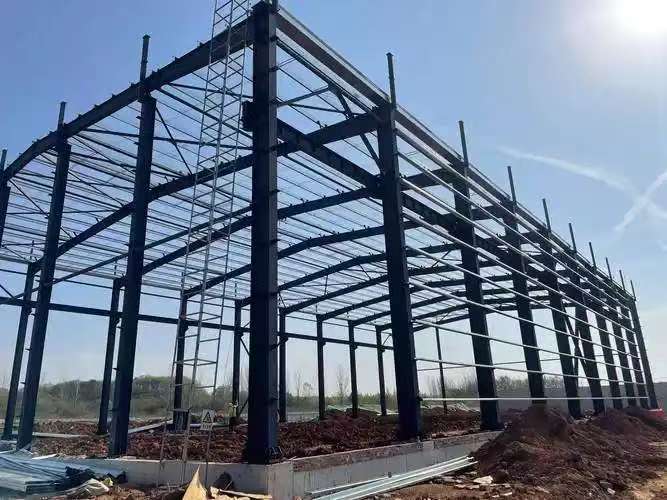
Understanding Modern Industrial Steel Construction
The landscape of industrial construction has evolved dramatically over the years, with steel structures emerging as the backbone of modern industrial projects. From manufacturing facilities to warehouses, the selection of appropriate steel structures plays a pivotal role in determining both the immediate success and long-term sustainability of industrial developments. The complexity of choosing the right steel structure requires careful consideration of multiple factors that can significantly impact project outcomes.
In today's competitive industrial environment, steel structures offer unparalleled advantages in terms of durability, cost-effectiveness, and design flexibility. These structures have revolutionized the way we approach industrial construction, enabling faster project completion while maintaining superior structural integrity. Understanding the fundamentals of steel structure selection is crucial for project managers, engineers, and stakeholders involved in industrial development.
Key Considerations for Steel Structure Selection
Load-Bearing Requirements and Structural Analysis
When selecting a steel structure for an industrial project, the primary consideration must be its load-bearing capacity. This includes both dead loads (the weight of the structure itself and permanent fixtures) and live loads (movable weights like equipment, inventory, and personnel). A comprehensive structural analysis should account for various stress factors, including vertical loads, lateral forces, and potential seismic activity.
Engineers must carefully calculate the maximum load requirements while incorporating safety factors that exceed minimum standards. This involves detailed evaluation of beam sizes, column specifications, and connection designs to ensure the steel structure can effectively support all anticipated loads throughout its operational lifetime.
Environmental and Climate Factors
The local environment plays a crucial role in determining the most suitable steel structure configuration. Factors such as wind loads, snow accumulation, rainfall intensity, and temperature variations must be thoroughly analyzed. In coastal areas, additional consideration must be given to corrosion resistance, while in seismic zones, the structure needs enhanced ductility and flexibility.
Climate considerations also influence the selection of protective coatings and treatments for the steel structure. The right combination of protective measures ensures longevity and maintains structural integrity even under challenging environmental conditions.
Design Optimization and Spatial Efficiency
Clear Span Requirements and Interior Layout
The operational requirements of the industrial facility directly influence the choice of steel structure design. Clear span structures, which eliminate the need for internal columns, maximize usable floor space and provide flexibility for equipment placement and material flow. The selection of appropriate truss systems and frame configurations can help achieve optimal space utilization while maintaining structural efficiency.
Modern steel structures offer various options for achieving large clear spans, including portal frames, truss systems, and space frames. Each solution presents distinct advantages in terms of cost, constructability, and maintenance requirements that must be evaluated against the specific needs of the industrial project.
Future Expansion and Adaptability
Forward-thinking design approaches must consider potential future expansion needs. Steel structures can be engineered to accommodate future modifications, additional loads, or spatial extensions with minimal disruption to existing operations. This adaptability is particularly valuable in rapidly evolving industrial sectors where facility requirements may change over time.
The initial steel structure design should incorporate provisions for future connections, reinforcement points, and expansion joints. This strategic planning can significantly reduce the cost and complexity of future modifications while maintaining the integrity of the original structure.
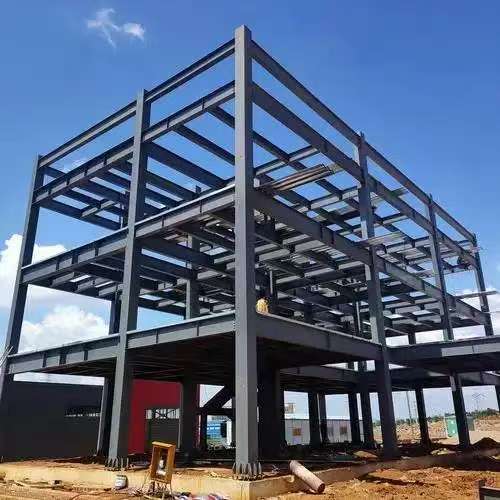
Cost Analysis and Value Engineering
Material Selection and Optimization
The selection of steel grades and sections must balance performance requirements with cost considerations. Value engineering involves analyzing various steel options to identify the most cost-effective solution that meets all technical specifications. This includes evaluating different steel grades, section sizes, and connection types to optimize material usage without compromising structural integrity.
Advanced design software and modeling tools can help identify opportunities for material optimization, reducing waste while maintaining required safety factors. The careful selection of steel components can lead to significant cost savings in both material procurement and construction labor.
Construction Timeline and Installation Efficiency
The efficiency of steel structure installation directly impacts project timelines and costs. Prefabricated steel components can significantly reduce on-site construction time and labor requirements. The selection of appropriate connection types and assembly methods can further streamline the construction process.
Modern steel structures often incorporate standardized components and modular design elements that facilitate rapid assembly while maintaining quality control. This approach not only reduces construction duration but also minimizes the potential for installation errors and associated costs.
Maintenance and Lifecycle Considerations
Long-term Durability and Performance
The selection of steel structures must consider long-term maintenance requirements and lifecycle costs. High-quality steel components, properly protected against corrosion and environmental factors, can significantly reduce maintenance needs and extend the structure's service life. Regular inspection programs and preventive maintenance schedules should be factored into the initial design decisions.
Advanced coating systems and protective treatments can enhance the durability of steel structures, particularly in aggressive environments. The initial investment in superior protection systems often results in reduced maintenance costs and improved long-term performance.
Sustainability and Environmental Impact
Modern industrial projects increasingly emphasize sustainability and environmental responsibility. Steel structures offer significant advantages in this regard, as steel is highly recyclable and can be designed for eventual disassembly and material recovery. The selection of steel components should consider their environmental impact throughout the structure's lifecycle.
Energy efficiency considerations, including thermal performance and natural lighting integration, can be enhanced through thoughtful steel structure design. These factors contribute to both environmental sustainability and operational cost reduction over the facility's lifetime.
Frequently Asked Questions
What are the primary advantages of steel structures for industrial projects?
Steel structures offer numerous benefits including high strength-to-weight ratios, rapid construction times, design flexibility, and excellent durability. They also provide superior fire resistance when properly treated and can be easily modified for future expansion needs.
How do environmental conditions affect steel structure selection?
Environmental factors such as temperature extremes, humidity levels, exposure to corrosive elements, and local weather patterns significantly influence steel structure design and material selection. These conditions determine the necessary protective treatments and structural specifications required for optimal performance.
What factors influence the cost of industrial steel structures?
The cost of steel structures is influenced by various factors including material prices, design complexity, site conditions, local labor rates, and construction timeline requirements. Additional considerations include transportation costs, foundation requirements, and any special coating or treatment needs.