
 EN
EN
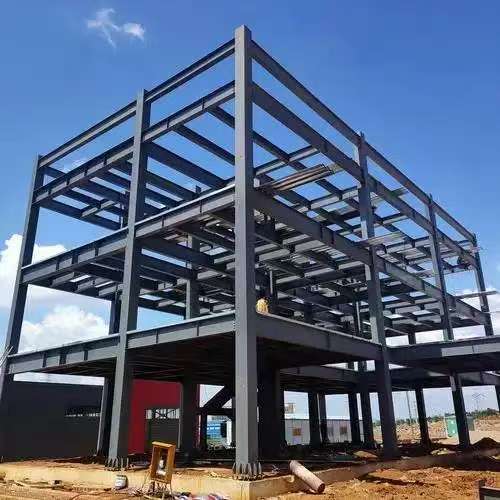
Modern construction projects face unprecedented pressure to deliver buildings faster while maintaining structural integrity and cost efficiency. Steel structures have emerged as the cornerstone solution for fast-track construction schedules, offering unparalleled advantages in speed, precision, and adaptability. The inherent properties of steel, combined with advanced fabrication techniques, enable construction teams to significantly reduce project timelines while ensuring superior quality outcomes. Understanding how steel structures facilitate accelerated construction schedules is essential for project managers, architects, and developers seeking competitive advantages in today's demanding market.
Prefabrication Advantages in Steel Construction
Off-Site Manufacturing Benefits
Steel structures excel in fast-track construction through comprehensive off-site prefabrication capabilities. Manufacturing steel components in controlled factory environments eliminates weather-related delays and allows simultaneous site preparation while structural elements are being fabricated. This parallel processing approach can reduce overall project timelines by 20-30% compared to traditional construction methods. Quality control measures in fabrication facilities ensure consistent precision and eliminate many field adjustments that typically slow construction progress.
Advanced computer-aided design and manufacturing systems enable steel fabricators to optimize material usage and streamline production processes. Digital fabrication techniques allow for precise cutting, welding, and assembly of complex steel components before delivery to construction sites. This pre-planning eliminates material waste and reduces the need for on-site modifications, contributing to faster project completion.
Standardization and Modular Design
Steel structures benefit from standardized connection methods and modular design principles that accelerate assembly processes. Pre-engineered steel buildings utilize repetitive structural elements that can be quickly assembled using proven connection techniques. This standardization reduces the learning curve for construction crews and minimizes the potential for installation errors that could delay project schedules.
Modular steel construction allows for the creation of building sections that can be manufactured simultaneously and assembled on-site with remarkable speed. Large structural components arrive at construction sites ready for immediate installation, requiring minimal field work beyond positioning and securing connections. This approach transforms construction from a sequential process into a highly efficient assembly operation.
Installation Speed and Efficiency
Rapid Assembly Techniques
Steel structures support fast-track construction through innovative assembly techniques that maximize installation efficiency. Bolted connections allow for quick and reversible assembly, enabling construction teams to make rapid progress without waiting for concrete curing times or complex welding operations. High-strength bolts can achieve full structural capacity immediately upon proper installation, eliminating cure times that delay subsequent construction activities.
Modern steel erection methods utilize mobile cranes and specialized lifting equipment to position large structural elements quickly and safely. Pre-assembled steel frames can be lifted into position as complete units, dramatically reducing the time required for field assembly. This approach is particularly effective for repetitive structures where identical bays or modules can be erected in rapid succession.
Coordination with Other Building Systems
The predictable nature of steel structures facilitates seamless coordination with mechanical, electrical, and plumbing systems during fast-track construction. Steel framing provides clear pathways for building systems installation, and pre-designed openings eliminate the need for field drilling or cutting that could delay progress. Early coordination between structural and systems contractors ensures that all building components integrate efficiently during the accelerated construction process.
Steel construction allows for the early installation of building envelope systems while interior work progresses simultaneously. The structural stability provided by steel frames enables multiple construction trades to work concurrently without interfering with each other, maximizing labor efficiency and reducing overall project duration.
Design Flexibility and Adaptability
Accommodating Design Changes
Steel structures offer exceptional flexibility to accommodate design changes during fast-track construction projects. Unlike concrete construction, which becomes increasingly difficult to modify once poured, steel structures can be modified, extended, or reconfigured with relative ease. This adaptability is crucial in fast-track projects where design refinements may occur as construction progresses.
The modular nature of steel construction enables architects and engineers to implement changes without completely redesigning structural systems. Additional steel members can be integrated into existing frameworks, and modifications can be implemented without disrupting completed portions of the structure. This flexibility reduces the risk of major delays when client requirements evolve during construction.
Future Expansion Capabilities
Fast-track construction projects often require consideration of future expansion needs, and steel structures excel in providing scalable solutions. Steel buildings can be designed with expansion capabilities built into the initial structural design, allowing for future additions without major structural modifications. This forward-thinking approach prevents the need for costly retrofits and ensures long-term functionality.
The inherent strength and versatility of steel structures enable vertical and horizontal expansions that would be challenging with other construction materials. Pre-planned connection points and reinforcement locations allow for seamless integration of future additions, supporting both immediate construction goals and long-term facility needs.
Quality Control and Precision
Factory-Controlled Manufacturing
Steel structures benefit from superior quality control measures implemented in factory environments, contributing to faster construction schedules through reduced field corrections. Controlled manufacturing conditions eliminate many variables that can affect construction quality, such as weather exposure, temperature fluctuations, and inconsistent material conditions. This controlled environment enables consistent production of high-quality structural components.
Advanced inspection and testing procedures in steel fabrication facilities ensure that all components meet specified standards before delivery to construction sites. Non-destructive testing methods, dimensional verification, and material certification provide confidence in structural performance while eliminating delays associated with field quality issues. This proactive approach to quality assurance accelerates construction by preventing rework and corrections.
Dimensional Accuracy and Fit
The precision achievable in steel fabrication supports fast-track construction through exceptional dimensional accuracy and component fit. Computer-controlled cutting and forming equipment produce steel components with tolerances measured in fractions of inches, ensuring proper fit during assembly. This precision eliminates the time-consuming field adjustments often required with other construction materials.
Accurate steel structures enable the early commencement of follow-on construction activities, as dimensional consistency allows for predictable installation of building systems and finishes. The reliability of steel component dimensions supports efficient project scheduling and resource allocation, contributing to accelerated overall construction timelines.
Environmental and Logistical Advantages
Weather Independence
Steel structures provide significant advantages in maintaining construction schedules despite adverse weather conditions. Unlike concrete construction, which requires specific temperature and moisture conditions, steel erection can proceed in various weather conditions with appropriate safety precautions. This weather independence reduces schedule delays and enables more predictable project completion dates.
The rapid installation capabilities of steel structures minimize exposure time to weather-related risks. Quick assembly reduces the window during which weather can impact construction progress, providing greater schedule reliability. Additionally, steel structures can provide shelter for subsequent construction activities, enabling interior work to commence earlier in the construction sequence.
Transportation and Site Logistics
Efficient transportation and site logistics support fast-track construction schedules when utilizing steel structures. Steel components can be designed for efficient truck transportation, minimizing delivery costs and scheduling complexity. Pre-planned delivery sequences ensure that structural elements arrive when needed, reducing site storage requirements and handling activities.
The compact and organized nature of steel structure deliveries minimizes site congestion and enables efficient material flow management. This logistics advantage is particularly valuable in urban construction environments where site space is limited and coordination with other trades is essential for maintaining accelerated schedules.
FAQ
How much time can steel structures save in construction schedules
Steel structures typically reduce construction schedules by 20-40% compared to traditional concrete construction methods. The exact time savings depend on project complexity, size, and design requirements. Prefabrication capabilities, rapid assembly techniques, and weather independence contribute to these significant schedule reductions. Projects utilizing pre-engineered steel buildings can achieve even greater time savings through standardized designs and proven assembly processes.
What factors affect the speed of steel structure construction
Several factors influence the speed of steel structure construction, including design complexity, fabrication lead times, site accessibility, and crew experience. Simple, repetitive designs assemble faster than complex custom structures. Early engagement with steel fabricators enables optimal scheduling of manufacturing and delivery. Site preparation, crane access, and coordination with other trades also significantly impact construction speed and overall project efficiency.
Can steel structures support accelerated construction in all building types
Steel structures can support fast-track construction across a wide range of building types, including commercial, industrial, institutional, and residential applications. However, the degree of time savings varies based on specific project requirements and local building codes. Multi-story buildings, large-span structures, and facilities requiring future expansion particularly benefit from steel construction methods. Each project should be evaluated individually to determine optimal construction approaches.
What are the key planning considerations for fast-track steel construction
Successful fast-track steel construction requires early coordination between design teams, fabricators, and construction crews. Design standardization, material procurement planning, and detailed construction sequencing are essential elements. Site preparation must be completed before steel delivery, and crane access must be planned carefully. Coordination with building systems contractors ensures efficient integration during accelerated construction schedules while maintaining quality standards throughout the project.