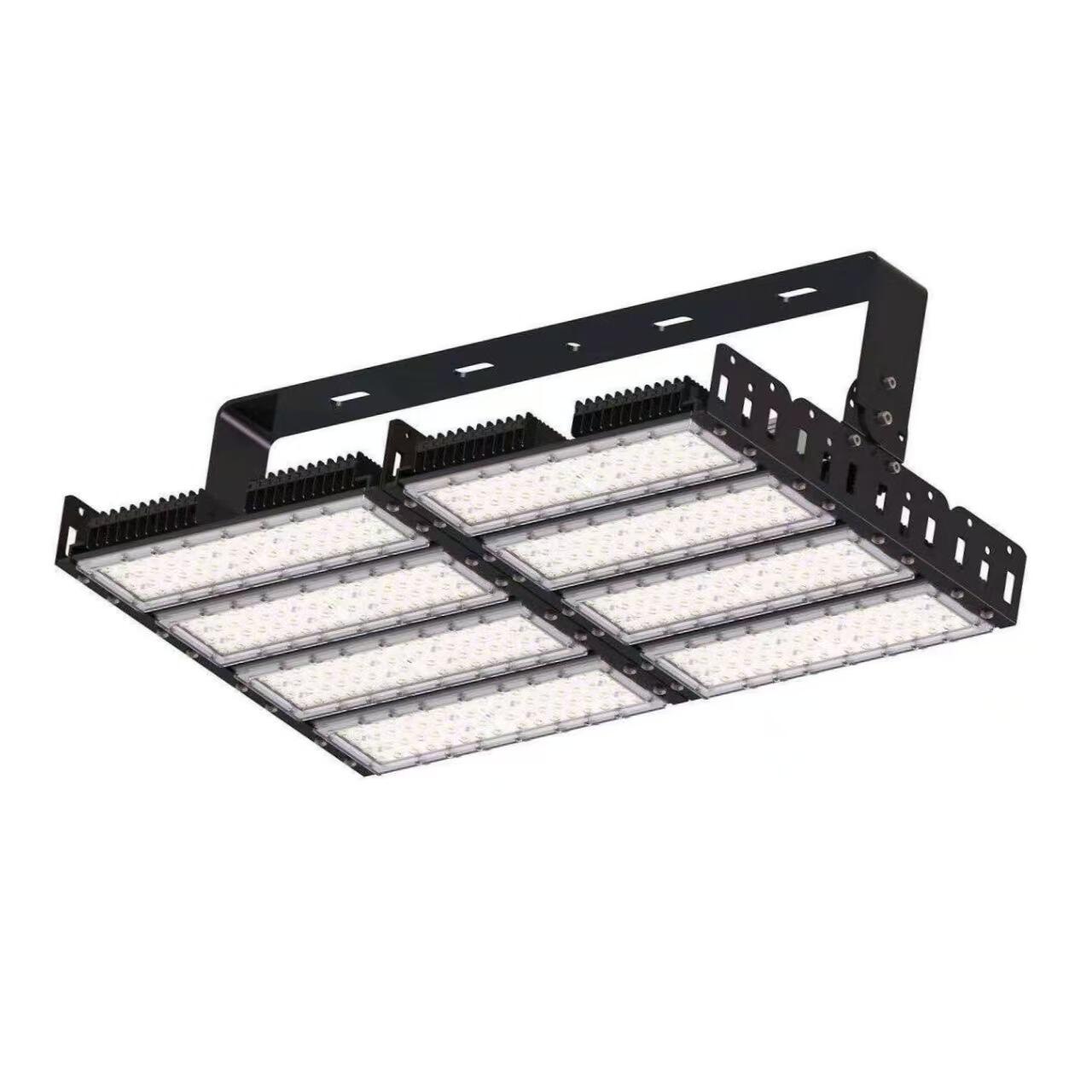
city street lights
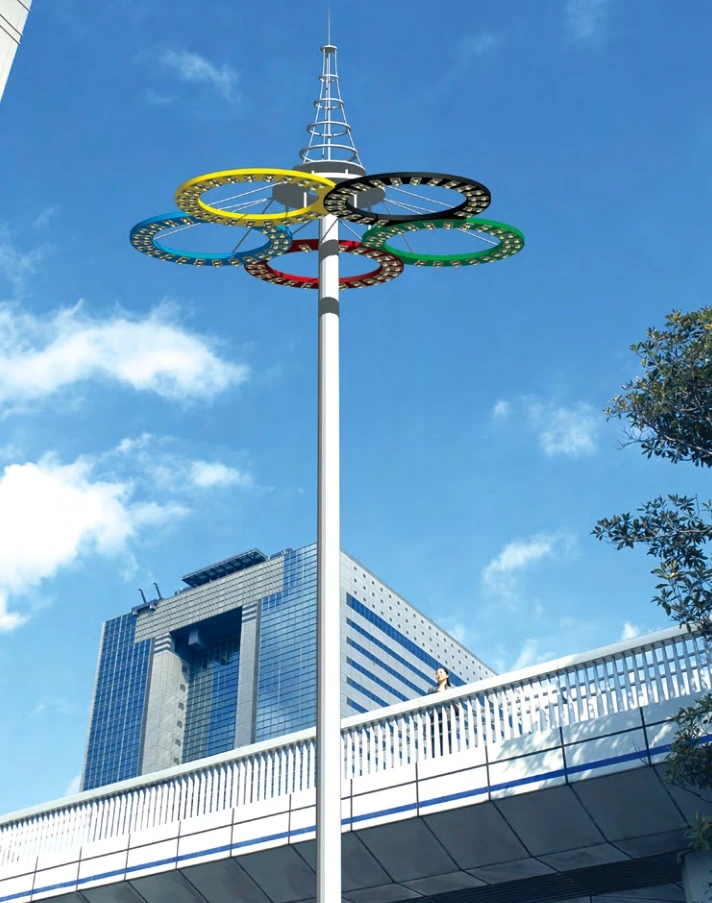
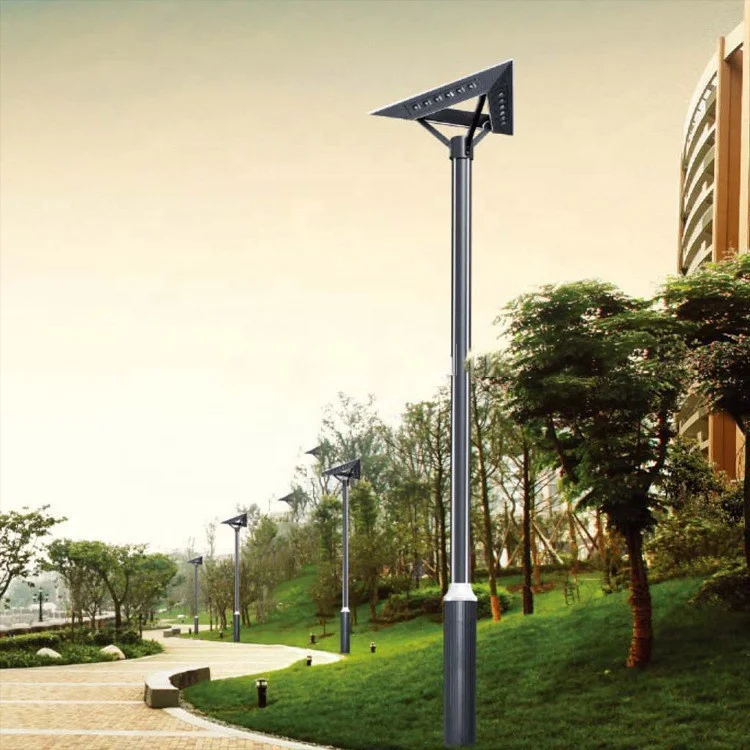
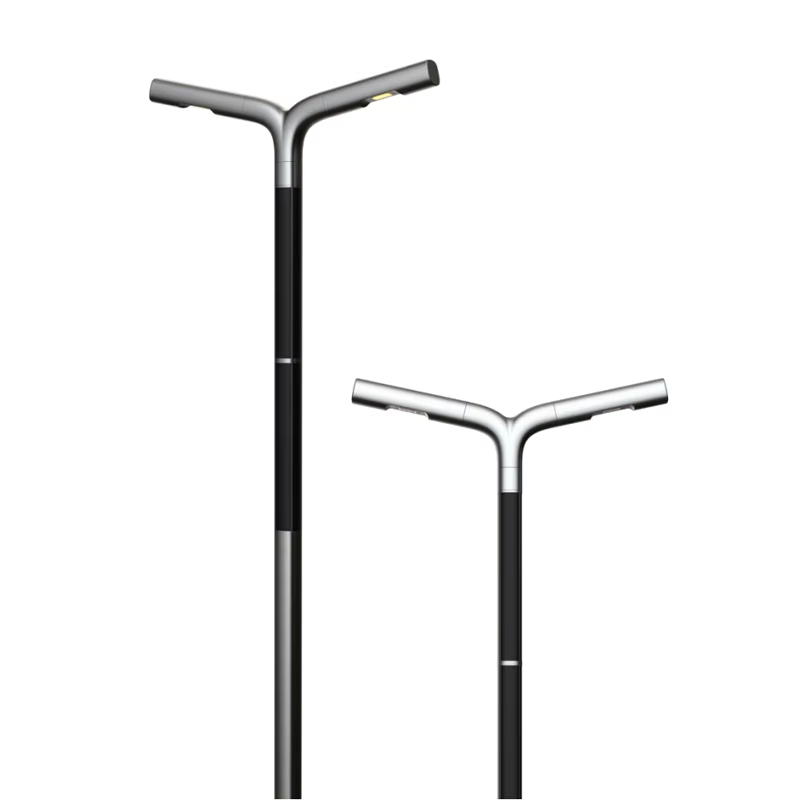
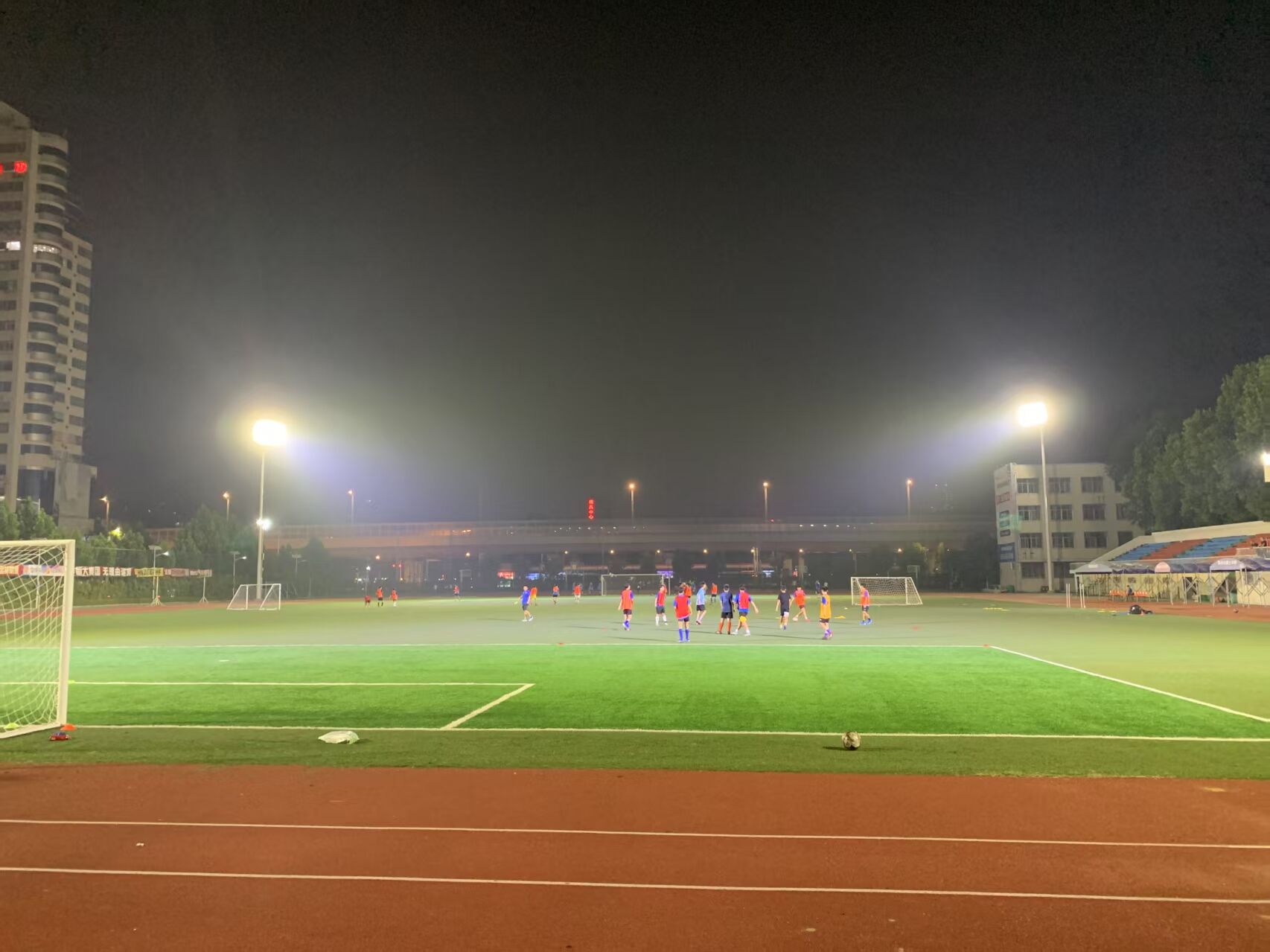
City street lights represent the backbone of modern urban infrastructure, serving as essential components that illuminate roadways, sidewalks, and public spaces throughout metropolitan areas. These sophisticated lighting systems have evolved significantly from traditional incandescent bulbs to advanced LED technology, incorporating smart features that enhance both functionality and energy efficiency. The primary purpose of city street lights extends beyond simple illumination, encompassing public safety, traffic management, and community well-being. Modern city street lights utilize cutting-edge photovoltaic cells, motion sensors, and wireless connectivity to create intelligent lighting networks that respond dynamically to environmental conditions and usage patterns. These systems typically feature robust aluminum or steel housing designed to withstand harsh weather conditions, vandalism, and extended operational periods. The technological architecture includes programmable controllers, dimming capabilities, and remote monitoring systems that allow municipal authorities to optimize performance while minimizing maintenance costs. Contemporary city street lights often integrate renewable energy sources, particularly solar panels, which reduce dependency on grid electricity and lower operational expenses. The installation of these lighting systems requires careful consideration of spacing, height, and lumens output to ensure adequate coverage while avoiding light pollution. Many city street lights now incorporate adaptive brightness controls that adjust intensity based on ambient light conditions, pedestrian traffic, and time of day. The color temperature of modern LED city street lights typically ranges from warm white to cool white, selected based on specific urban planning requirements and community preferences. These lighting solutions play crucial roles in supporting emergency services, enabling surveillance systems, and creating welcoming environments that encourage nighttime economic activity. The strategic placement and design of city street lights contribute significantly to urban aesthetics while maintaining functional efficiency.

 EN
EN