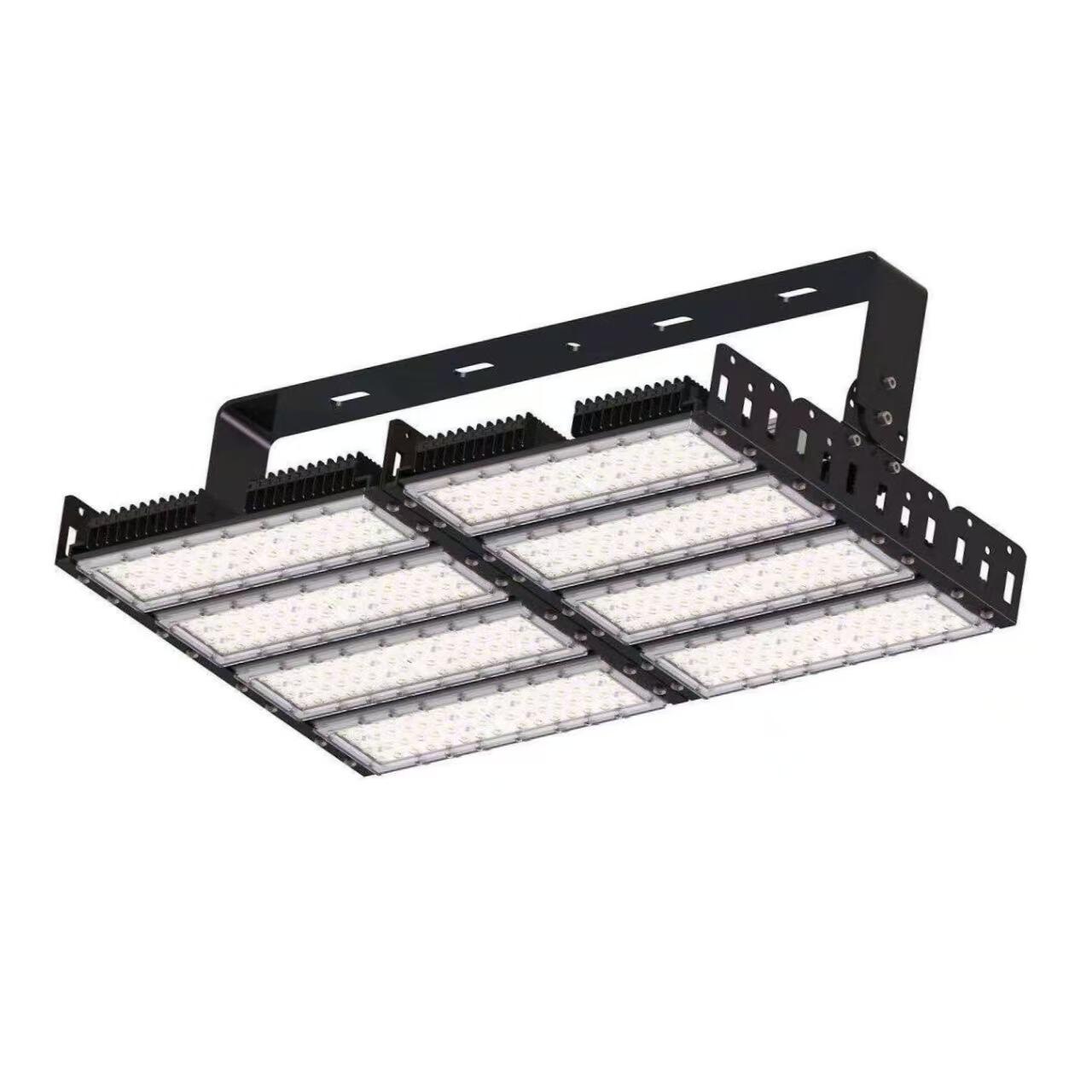
Low Voltage Street Light Systems: Energy-Efficient LED Lighting Solutions for Modern Urban Infrastructure

All Categories

low voltage street light

Low voltage street light systems represent a revolutionary advancement in urban illumination technology, operating at significantly reduced electrical voltages compared to traditional street lighting solutions. These innovative lighting systems typically function at 12V, 24V, or 48V DC power levels, making them substantially safer and more efficient than conventional high-voltage alternatives that operate at 120V or 240V AC. The fundamental design of low voltage street light infrastructure incorporates advanced LED technology, smart control systems, and energy-efficient power management components that work together to deliver superior lighting performance while minimizing operational costs and environmental impact. The main functions of low voltage street light systems extend beyond basic illumination to encompass intelligent monitoring, adaptive brightness control, and integrated communication capabilities. These systems provide consistent, high-quality lighting for roads, pathways, parking areas, and pedestrian zones while maintaining optimal energy consumption levels throughout their operational cycles. Modern low voltage street light installations feature sophisticated sensors that automatically adjust brightness based on ambient conditions, traffic patterns, and time schedules, ensuring appropriate illumination levels while maximizing energy savings. The technological features of low voltage street light systems include advanced LED arrays with exceptional longevity, typically lasting 50,000 to 100,000 hours of continuous operation. These systems incorporate intelligent power management units that regulate voltage distribution, prevent electrical surges, and optimize energy consumption patterns. Many low voltage street light models include wireless connectivity options, enabling remote monitoring, maintenance scheduling, and real-time performance diagnostics through centralized management platforms. The applications for low voltage street light technology span residential neighborhoods, commercial districts, industrial complexes, educational campuses, healthcare facilities, and recreational areas. These versatile lighting solutions prove particularly valuable in locations where safety, energy efficiency, and maintenance accessibility are primary concerns, making them ideal for modern sustainable urban development projects.


New Product Releases

Low voltage street light systems deliver exceptional energy efficiency that significantly reduces operational costs for municipalities, businesses, and property developers. These advanced lighting solutions consume up to 70% less electricity than traditional street lighting systems, translating into substantial savings on monthly utility bills and long-term operational expenses. The reduced power consumption directly contributes to lower carbon footprints, supporting environmental sustainability goals while maintaining superior illumination quality for public spaces and private properties. Safety represents another crucial advantage of low voltage street light technology, as these systems operate at much lower electrical voltages that pose minimal risk to maintenance personnel, pedestrians, and wildlife. The reduced voltage levels eliminate the danger of severe electrical shock, making installation and maintenance procedures significantly safer for technicians and reducing liability concerns for property owners. This enhanced safety profile allows for more flexible installation options and simplified maintenance protocols that don't require specialized high-voltage electrical expertise. The installation process for low voltage street light systems proves remarkably straightforward and cost-effective compared to traditional lighting infrastructure. These systems require less complex electrical work, fewer safety precautions, and reduced permitting requirements, resulting in faster project completion times and lower installation costs. The simplified wiring systems and standardized components make upgrades and expansions more manageable, allowing property owners to enhance their lighting coverage without major infrastructure overhauls. Maintenance advantages of low voltage street light technology include extended component lifecycles, reduced replacement frequencies, and simplified troubleshooting procedures. The LED components typically last 5-10 times longer than conventional lighting elements, while the low voltage operation reduces stress on electrical components and minimizes wear-related failures. Remote monitoring capabilities enable proactive maintenance scheduling, preventing unexpected outages and optimizing service life. The superior light quality produced by low voltage street light systems enhances visibility, safety, and aesthetic appeal in illuminated areas. These systems provide consistent, uniform light distribution without the flickering or color variations common in older lighting technologies. The precise control over brightness levels and color temperatures allows for customized lighting solutions that meet specific environmental and functional requirements while creating welcoming, secure spaces for pedestrians and vehicles.

Latest News

Why Invest in High-Quality Street Lights

28

Nov

Why Invest in High-Quality Street Lights

Enhanced Public Safety with High-Quality Street Lights Reducing Nighttime Accidents Through Improved Visibility Good quality street lighting makes a big difference when it comes to seeing things at night, which cuts down on accidents happening. The ...
View More
Do you want to know how many sets of stadium lights your stadium needs? We can design an illumination calculation report for you.

28

Nov

Do you want to know how many sets of stadium lights your stadium needs? We can design an illumination calculation report for you.

Understanding Stadium Lighting Requirements Why Proper Lighting Calculation Matters for Safety and Performance Good lighting makes all the difference when it comes to keeping athletes safe and helping them play better in stadiums. When players can a...
View More
We can turn your design into a product, one-to-one customization

28

Nov

We can turn your design into a product, one-to-one customization

Definition and Core Principles When companies talk about one-on-one product customization, they're basically referring to making stuff exactly how customers want it. The whole idea centers around letting people specify every detail according to what...
View More
Choosing Street Lights for Maximum Efficiency

28

Nov

Choosing Street Lights for Maximum Efficiency

Understanding Street Light Efficiency The Role of Energy-Efficient Lighting in Urban Planning Cities around the world are seeing changes as they adopt energy efficient street lights that make neighborhoods safer while looking better too. When planne...
View More

Get a Free Quote

Our representative will contact you soon.
Email
Name
Company Name
Message
0/1000

low voltage street light

Revolutionary Energy Efficiency and Cost Savings

Revolutionary Energy Efficiency and Cost Savings

Low voltage street light technology delivers unprecedented energy efficiency that transforms the economics of public and private lighting infrastructure. These innovative systems consume dramatically less electricity than conventional street lighting, typically reducing energy usage by 60-80% while maintaining superior illumination quality and coverage. The advanced LED technology integrated into low voltage street light systems converts electrical energy into light with exceptional efficiency, minimizing waste heat production and maximizing useful light output per watt consumed. This remarkable efficiency translates directly into substantial cost savings for municipalities, businesses, and property developers who invest in low voltage street light infrastructure. The reduced electrical consumption means significantly lower monthly utility bills, with many installations achieving payback periods of just 2-3 years through energy savings alone. Beyond immediate operational savings, low voltage street light systems provide long-term financial benefits through extended component lifecycles and reduced maintenance requirements. The LED components typically operate for 50,000-100,000 hours, representing 15-25 years of normal operation before requiring replacement. This exceptional longevity eliminates the frequent bulb changes and component replacements associated with traditional lighting systems, reducing both material costs and labor expenses over the system's operational lifetime. The predictable performance characteristics of low voltage street light technology enable accurate budgeting and maintenance planning, helping organizations avoid unexpected repair costs and service disruptions. Many low voltage street light systems include intelligent power management features that further optimize energy consumption through adaptive brightness control, scheduling capabilities, and occupancy sensing. These smart features ensure that lighting levels automatically adjust to actual usage patterns and environmental conditions, providing appropriate illumination when needed while minimizing energy waste during low-activity periods. The environmental benefits of reduced energy consumption extend beyond cost savings to include lower carbon emissions and reduced strain on electrical grid infrastructure, supporting broader sustainability goals and regulatory compliance requirements.
Enhanced Safety and Simple Installation Process

Enhanced Safety and Simple Installation Process

Low voltage street light systems prioritize safety throughout every aspect of their design, installation, and operation, making them significantly safer than traditional high-voltage lighting alternatives. Operating at 12V, 24V, or 48V DC power levels, these systems eliminate the serious electrical shock hazards associated with conventional 120V or 240V AC street lighting infrastructure. This fundamental safety advantage protects maintenance personnel, installation technicians, and anyone who might accidentally contact the electrical components, reducing liability risks and insurance concerns for property owners and municipalities. The low voltage operation also minimizes fire hazards and electrical arc risks, creating safer environments around the lighting infrastructure. The installation process for low voltage street light systems proves remarkably straightforward and accessible, requiring significantly less specialized electrical expertise than traditional lighting projects. Standard electrical contractors can handle most low voltage street light installations without the advanced certifications and safety protocols required for high-voltage systems. This accessibility expands the pool of qualified installers, potentially reducing project costs and scheduling constraints while maintaining high installation quality standards. The simplified wiring requirements and standardized connection systems minimize installation errors and reduce the time needed to complete projects, allowing for faster deployment of lighting improvements. Low voltage street light systems typically utilize plug-and-play components and standardized mounting hardware that streamline the installation process. The reduced electrical complexity means fewer permits may be required, and inspections are often less stringent than high-voltage installations. This simplified regulatory environment can accelerate project timelines and reduce administrative costs associated with lighting infrastructure projects. The modular design of most low voltage street light systems allows for phased installations and easy system expansions, enabling organizations to implement lighting improvements gradually as budgets and priorities allow. Maintenance safety represents another significant advantage of low voltage street light technology, as technicians can service these systems with reduced safety equipment and fewer procedural restrictions. The lower voltage levels allow for safer troubleshooting and component replacement, while remote monitoring capabilities can identify potential issues before they require on-site intervention, further enhancing overall safety profiles.
Smart Technology Integration and Future-Ready Design

Smart Technology Integration and Future-Ready Design

Low voltage street light systems incorporate cutting-edge smart technology features that position them as future-ready infrastructure investments capable of adapting to evolving urban lighting needs and technological developments. These intelligent systems integrate seamlessly with modern Internet of Things (IoT) networks, enabling comprehensive remote monitoring, control, and optimization capabilities that transform traditional lighting infrastructure into sophisticated urban management tools. The embedded sensors and communication modules in advanced low voltage street light systems collect valuable data about environmental conditions, traffic patterns, energy consumption, and system performance, providing insights that support informed decision-making about urban planning and resource allocation. The wireless connectivity options available in modern low voltage street light installations enable real-time monitoring and control through centralized management platforms accessible via computers, tablets, and smartphones. Property managers, municipal officials, and maintenance teams can monitor system performance, adjust lighting schedules, and identify potential issues from remote locations, reducing the need for routine site visits and enabling proactive maintenance strategies. This connectivity also supports automatic fault detection and reporting, ensuring that lighting problems are identified and addressed quickly to maintain optimal safety and performance levels. The adaptive capabilities of smart low voltage street light systems include automatic brightness adjustment based on ambient light conditions, traffic density, and predetermined schedules, ensuring appropriate illumination levels while minimizing energy consumption. Motion sensors can trigger increased brightness when pedestrians or vehicles are detected, providing enhanced safety and security while maintaining energy efficiency during low-activity periods. These intelligent features can be customized to meet specific site requirements and usage patterns, creating tailored lighting solutions that optimize both performance and efficiency. The modular design and standardized communication protocols used in low voltage street light systems ensure compatibility with emerging technologies and easy integration with future smart city initiatives. As new sensors, communication standards, and control technologies become available, existing installations can often be upgraded with minimal infrastructure changes, protecting the long-term value of lighting investments and enabling continuous improvement of system capabilities without complete replacements.

Get a Free Quote

Our representative will contact you soon.
Email
Name
Company Name
Message
0/1000