high mast lighting price list
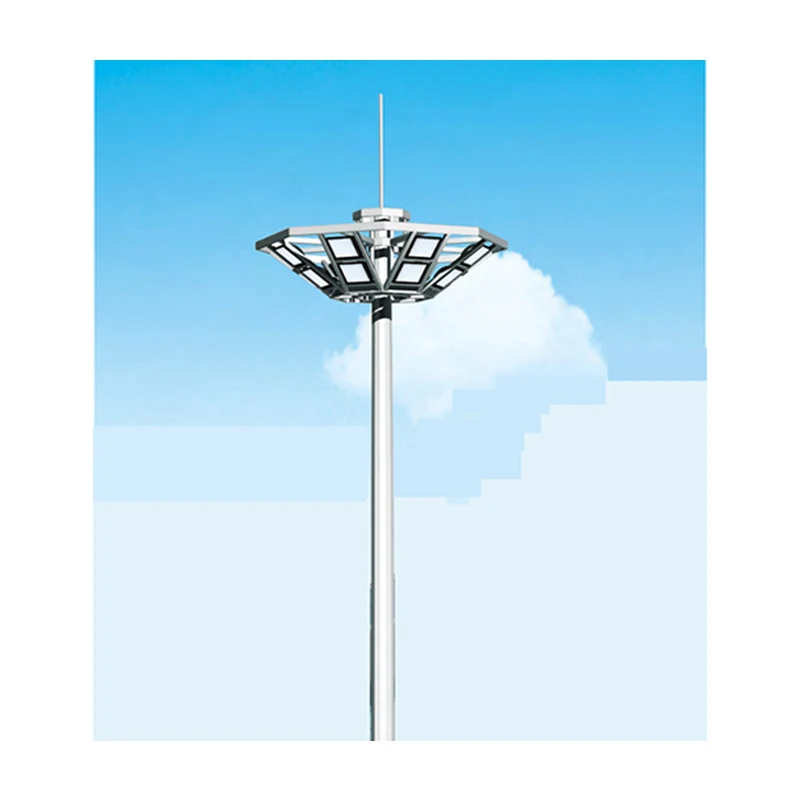
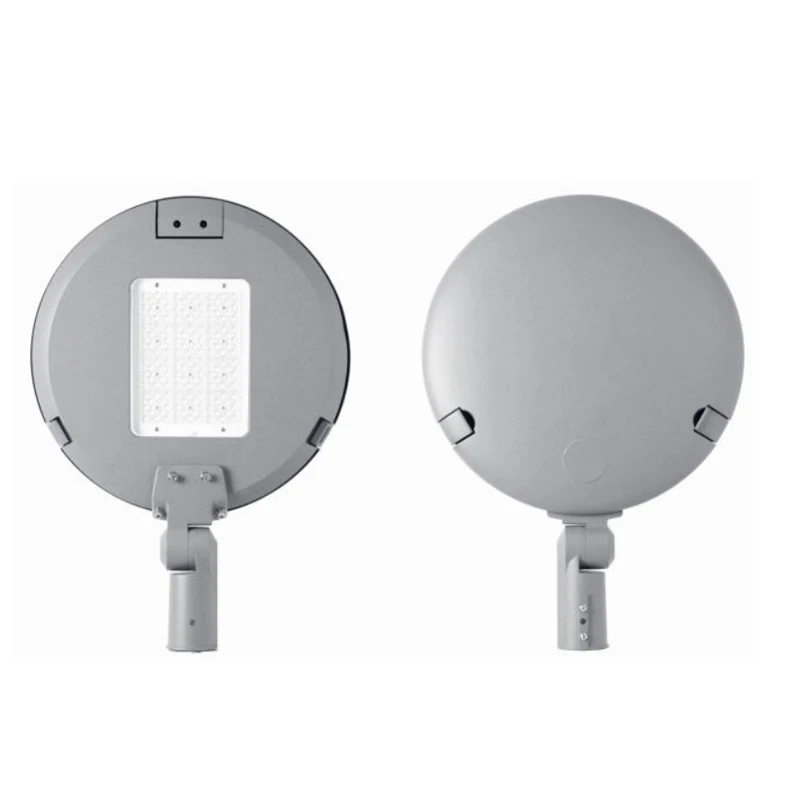
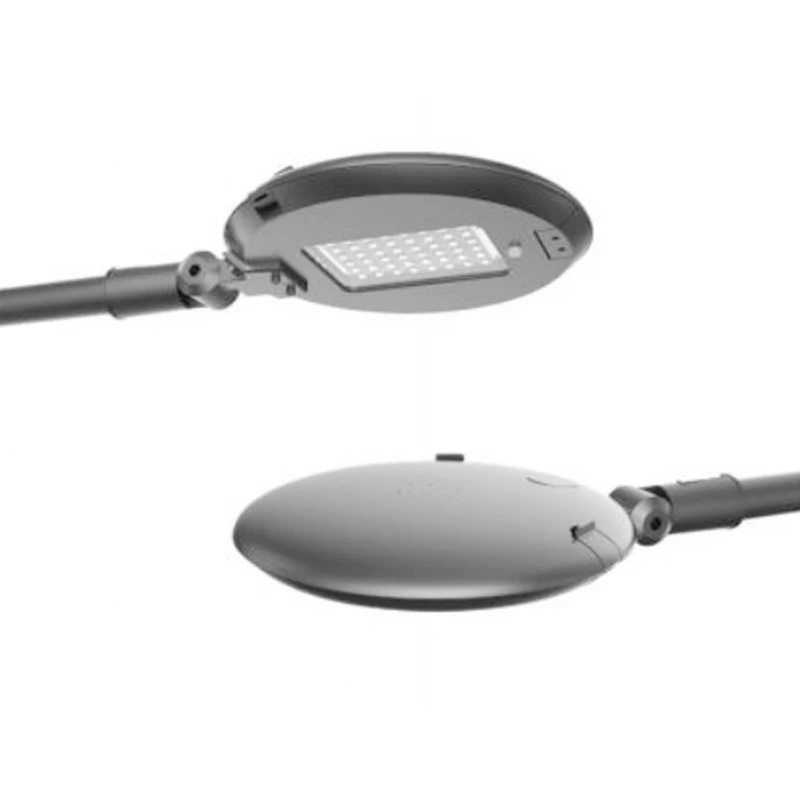
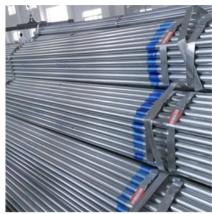
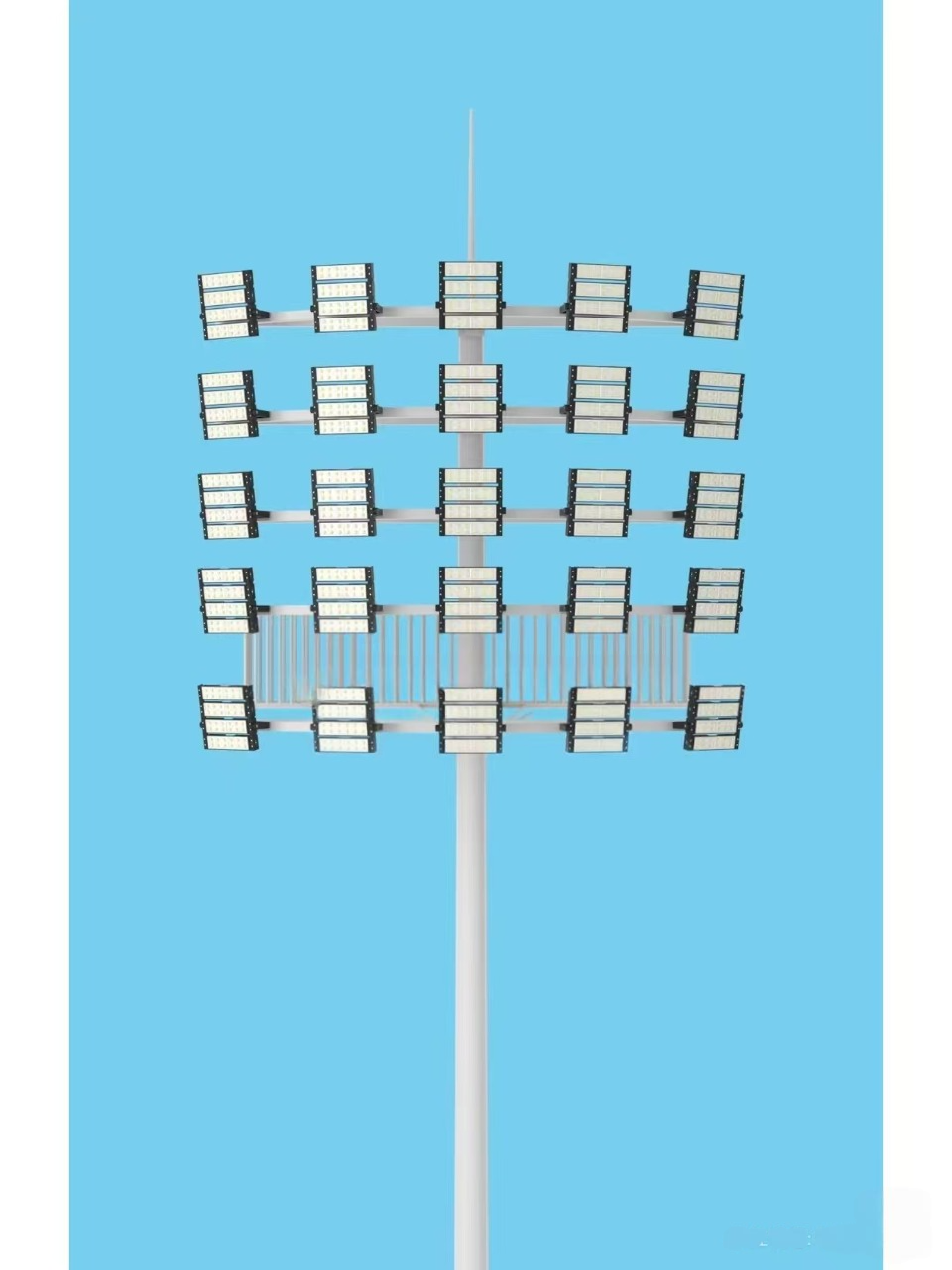
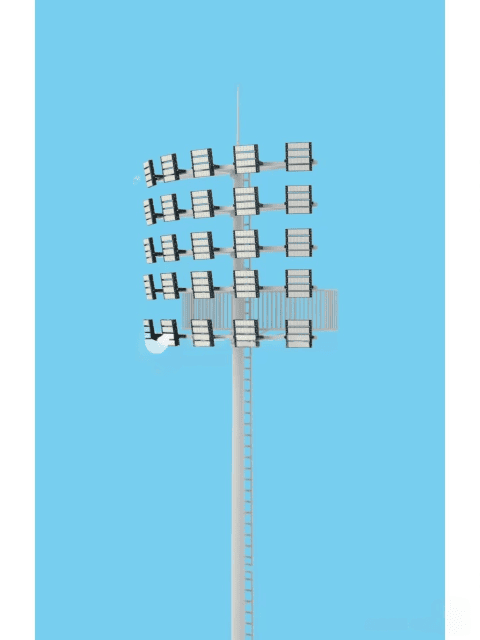
A comprehensive high mast lighting price list serves as an essential resource for organizations seeking efficient illumination solutions for large-scale applications. This detailed pricing guide encompasses various configurations of high mast lighting systems, ranging from standard 20-meter installations to towering 40-meter structures capable of illuminating expansive areas such as sports complexes, industrial facilities, airports, and highway intersections. The high mast lighting price list typically includes complete system packages featuring robust steel poles, powerful LED luminaires, electrical components, and installation hardware. These lighting systems incorporate advanced technological features including programmable control systems, remote monitoring capabilities, and energy-efficient LED technology that delivers superior lumens per watt performance. Modern high mast lighting solutions featured in the price list utilize smart control systems that enable automatic dimming, scheduling, and fault detection, significantly reducing operational costs while maintaining optimal lighting levels. The structural engineering behind these systems ensures wind resistance up to 150 mph, corrosion-resistant galvanized finishes, and modular design components that simplify maintenance procedures. Applications for high mast lighting extend across multiple sectors including transportation infrastructure, recreational facilities, industrial complexes, port terminals, and municipal projects. The price list encompasses various mounting options, including hinged pole designs for easy lowering during maintenance, fixed installations for permanent setups, and portable units for temporary lighting needs. Each high mast lighting price list entry includes detailed specifications covering luminaire output, pole height options, foundation requirements, electrical specifications, and warranty coverage. The comprehensive nature of these price lists enables project managers, contractors, and facility owners to make informed decisions based on specific illumination requirements, budget constraints, and long-term operational considerations while ensuring compliance with industry standards and local regulations.

 EN
EN