high voltage electric pole
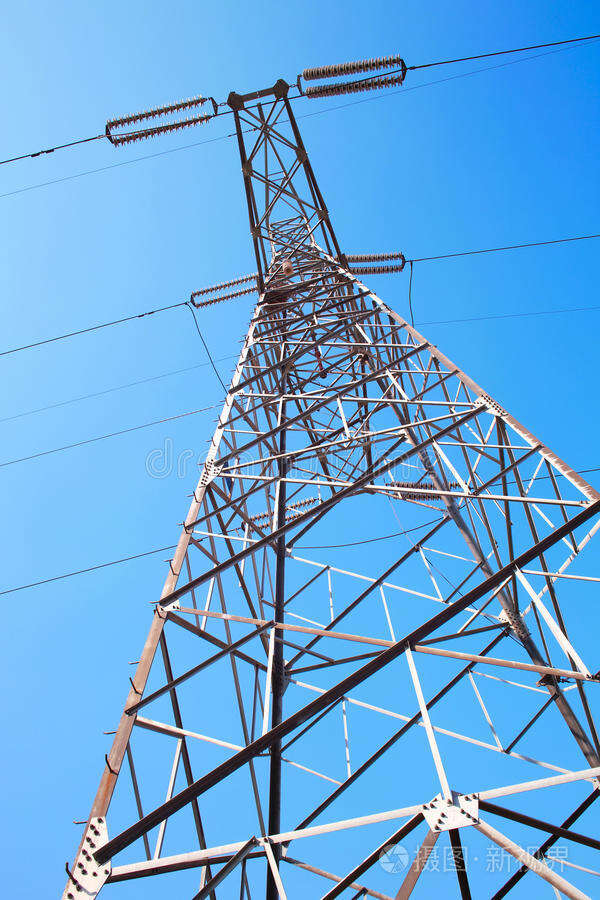
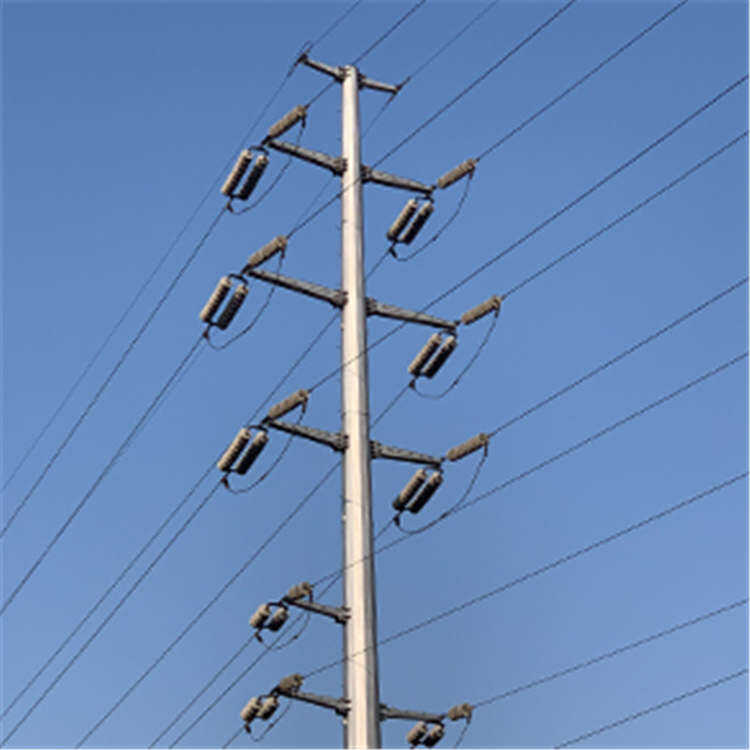
High voltage electric poles represent critical infrastructure components that form the backbone of modern electrical power transmission systems. These towering structures, typically ranging from 40 to 200 feet in height, serve as the essential support framework for high voltage power lines that carry electricity across vast distances from generating facilities to distribution networks. The high voltage electric pole is engineered to withstand extreme weather conditions, including high winds, ice storms, and seismic activity, while maintaining the structural integrity necessary for reliable power transmission. These poles are constructed using various materials, including steel, concrete, and composite materials, each selected based on specific environmental requirements and load-bearing specifications. The primary function of a high voltage electric pole involves supporting overhead transmission lines that operate at voltages typically exceeding 35,000 volts, with some systems reaching 765,000 volts or higher. Advanced engineering techniques ensure that each high voltage electric pole maintains proper clearance distances between conductors and ground surfaces, preventing electrical arcing and ensuring public safety. Modern high voltage electric pole designs incorporate sophisticated grounding systems that provide lightning protection and fault current dissipation. The technological features of these structures include specialized insulators, hardware fittings, and conductor attachment systems that accommodate thermal expansion and contraction of power lines. Installation procedures for high voltage electric pole systems require precise surveying, foundation engineering, and coordination with environmental regulations. These structures play vital roles in renewable energy integration, connecting wind farms and solar installations to existing grid networks. The high voltage electric pole serves multiple applications across residential, commercial, and industrial sectors, enabling efficient power distribution that supports economic growth and modern lifestyle requirements.