
 EN
EN
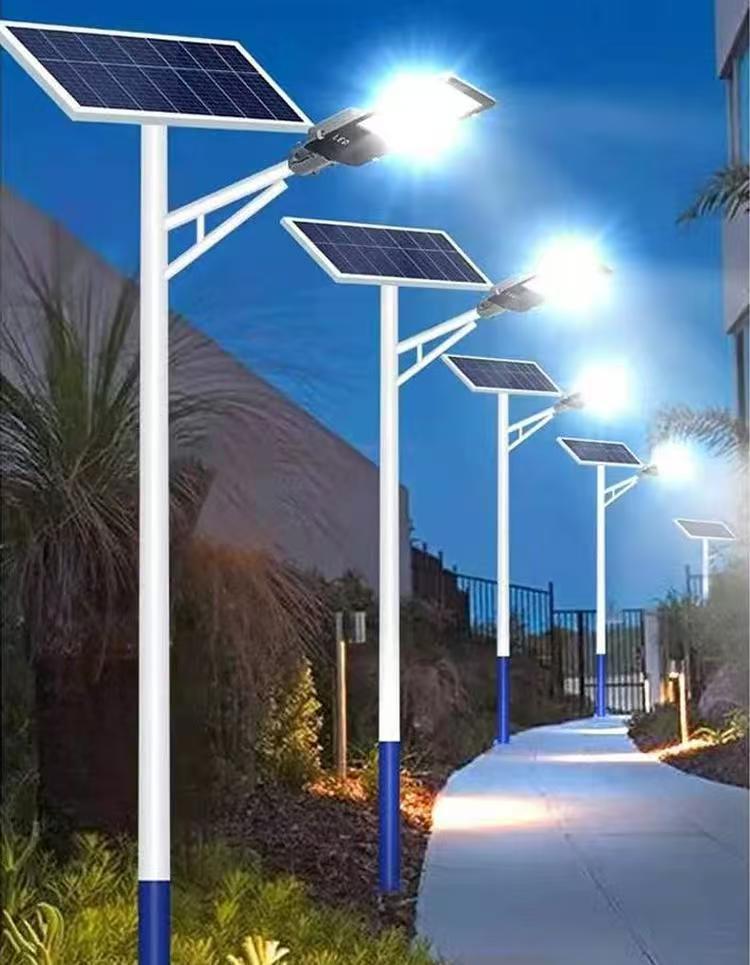
Revolutionizing Urban Lighting with Solar Technology
Modern cities are increasingly turning to sustainable solutions for their infrastructure needs, and solar street lights have emerged as a game-changing innovation in urban illumination. These advanced lighting systems harness the sun's energy to provide reliable, efficient, and environmentally friendly lighting for streets, parks, and public spaces. As communities worldwide face growing energy demands and environmental concerns, solar street lights offer a compelling alternative to traditional lighting methods.
The transformation of public lighting through solar technology represents a significant leap forward in how we illuminate our communities. By combining cutting-edge photovoltaic technology with efficient LED lighting, solar street lights are setting new standards for urban infrastructure while addressing crucial environmental and economic challenges.
Environmental Impact and Sustainability
Reduction in Carbon Footprint
Solar street lights play a vital role in reducing urban carbon emissions. Unlike conventional street lighting systems that rely on electricity generated from fossil fuels, solar street lights operate entirely on renewable energy. This shift eliminates the need for coal or natural gas-powered electricity, significantly reducing greenhouse gas emissions. A single solar street light can prevent hundreds of kilograms of CO2 emissions annually.
The environmental benefits extend beyond carbon reduction. These lighting systems help preserve natural resources and reduce the strain on power grids, contributing to a more sustainable urban infrastructure. As cities worldwide commit to climate action plans, solar street lights serve as a visible symbol of environmental stewardship.
Ecosystem Protection
Traditional street lighting can disrupt local ecosystems and wildlife patterns. Solar street lights can be designed with wildlife-friendly features, such as directional lighting and automatic dimming capabilities. These features help minimize light pollution and reduce the impact on nocturnal animals and migratory birds.
Moreover, the installation of solar street lights requires minimal ground disruption compared to conventional lighting systems that need extensive underground wiring. This aspect helps preserve local vegetation and soil stability, maintaining the natural balance of urban ecosystems.
Economic Advantages
Long-term Cost Savings
While the initial investment in solar street lights may be higher than traditional lighting systems, the long-term financial benefits are substantial. Operating costs are virtually eliminated since these lights require no electricity from the grid. Maintenance costs are also significantly reduced due to the durability of LED technology and the absence of complex wiring systems.
Cities and municipalities that have implemented solar street lights report impressive cost savings over time. The elimination of monthly electricity bills, combined with reduced maintenance requirements, typically results in complete return on investment within 3-5 years of installation.
Infrastructure Independence
Solar street lights operate independently of the power grid, eliminating the need for expensive underground wiring and transformers. This independence not only reduces installation costs but also makes solar street lights ideal for remote locations or areas with unreliable power supply.
The standalone nature of these lighting systems also provides greater flexibility in placement and installation. Communities can easily expand their lighting infrastructure without the constraints of existing power lines or the need for extensive groundwork.
Technical Performance and Reliability
Advanced Energy Storage
Modern solar street lights incorporate sophisticated battery technology that ensures reliable performance even during extended periods of limited sunlight. High-capacity lithium-ion batteries store excess energy generated during sunny days, providing consistent illumination throughout the night and during overcast weather conditions.
Smart charging systems optimize battery life by regulating charging cycles and protecting against overcharging or deep discharge. This technology extends the lifespan of the batteries and ensures reliable operation year after year.
Smart Control Systems
Today's solar street lights feature intelligent control systems that enhance their efficiency and functionality. Motion sensors can adjust brightness levels based on activity, while remote monitoring capabilities allow maintenance teams to track performance and identify potential issues before they become problems.
These smart features not only improve energy efficiency but also contribute to public safety by ensuring consistent and reliable lighting. Advanced control systems can even adapt to seasonal changes in daylight hours, optimizing performance throughout the year.
Community Benefits and Safety
Enhanced Public Security
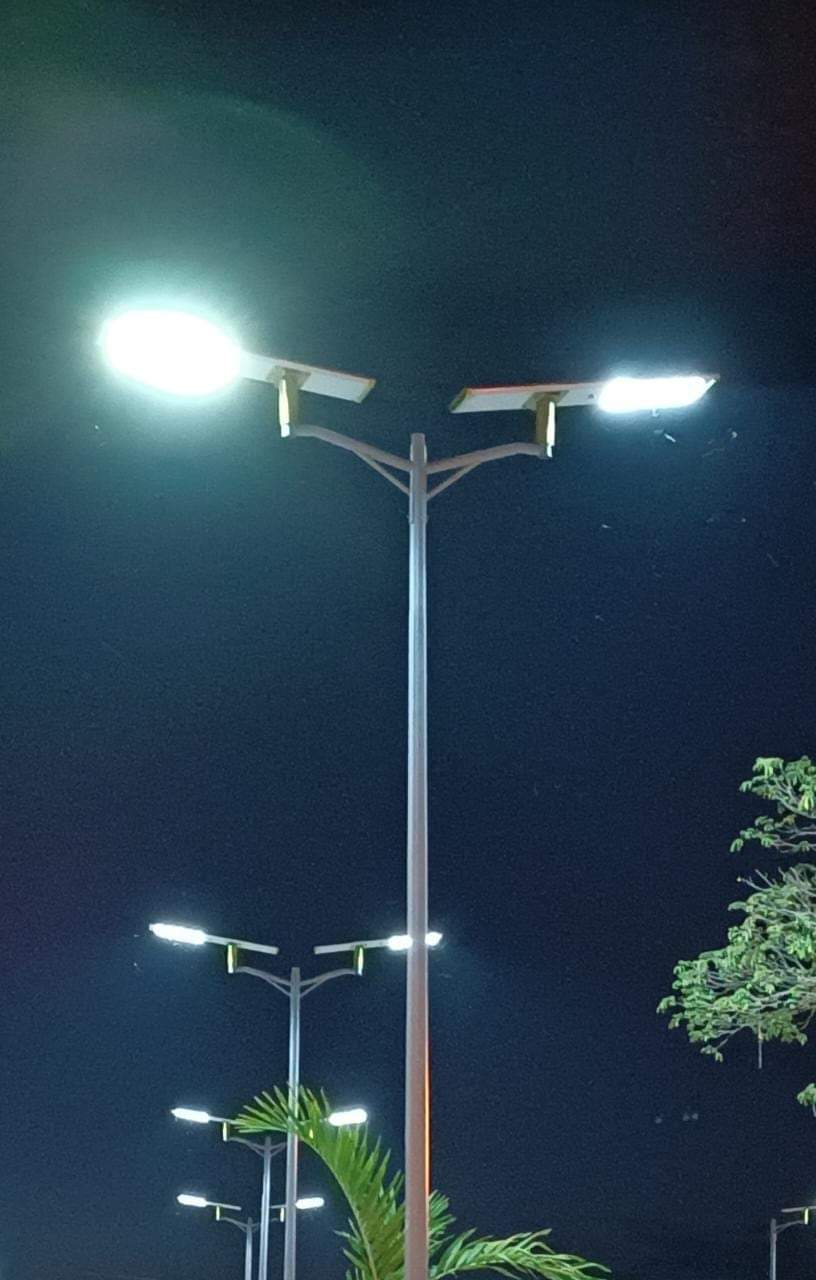
Well-lit streets are essential for public safety, and solar street lights provide reliable illumination that helps deter crime and enhance visibility for pedestrians and drivers. The consistent lighting quality of LED technology ensures clear visibility and accurate color rendering, important factors in maintaining security camera effectiveness and emergency response capabilities.
Solar street lights continue to function during power outages, maintaining essential lighting during emergencies when traditional street lights might fail. This reliability is crucial for maintaining public safety during natural disasters or grid failures.
Community Development
The installation of solar street lights often catalyzes broader community improvements. Well-lit areas encourage increased pedestrian activity and social interaction during evening hours, contributing to more vibrant and livable neighborhoods. Business districts benefit from improved visibility and extended operating hours, while parks and recreational areas become more accessible for evening activities.
Communities that implement solar street lights often report increased property values and improved quality of life. The visible commitment to sustainable technology can also inspire residents to adopt other environmental initiatives.
Frequently Asked Questions
How long do solar street lights typically last?
Solar street lights are designed for longevity, with most systems lasting 15-25 years. The LED fixtures typically last 50,000-100,000 hours, while the solar panels maintain efficiency for 20-25 years. Batteries usually require replacement every 5-8 years, depending on the technology used and environmental conditions.
Do solar street lights work during winter or cloudy days?
Yes, solar street lights are designed to function effectively year-round. Advanced battery storage systems collect and store enough energy during daylight hours to maintain operation during nights and overcast periods. Modern solar panels can also generate electricity from indirect sunlight, though at reduced efficiency.
What maintenance do solar street lights require?
Solar street lights require minimal maintenance compared to traditional lighting systems. Regular maintenance typically includes cleaning the solar panels every 6-12 months to maintain optimal efficiency, checking battery performance annually, and occasional LED fixture inspection. The absence of complex wiring systems significantly reduces maintenance needs and costs.