
 EN
EN
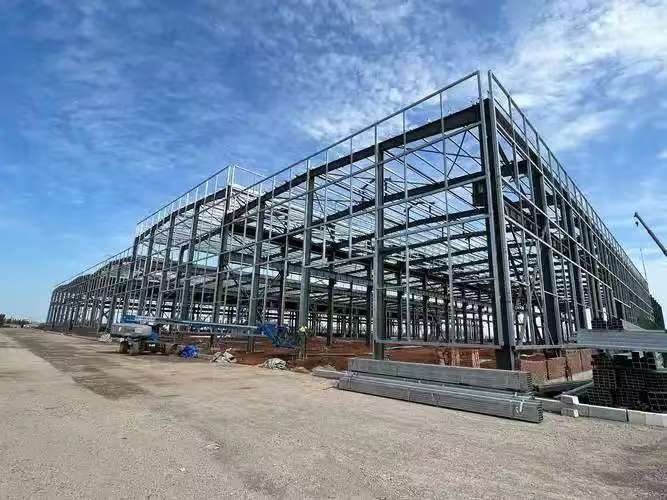
The Revolutionary Impact of Steel Construction in Modern Architecture
In the ever-evolving world of construction and architecture, steel structures in construction have emerged as a cornerstone of modern building practices. From towering skyscrapers to expansive industrial facilities, steel has revolutionized how we approach building design and implementation. The versatility and strength of steel have made it an indispensable material that continues to shape our urban landscapes and architectural possibilities.
The construction industry has witnessed a remarkable transformation since the widespread adoption of steel structures in construction projects. This shift has not only enhanced building efficiency but has also opened up new horizons for architectural innovation and sustainable development. As we delve deeper into the advantages of steel construction, we'll discover why this material has become the preferred choice for builders, architects, and developers worldwide.
Structural Benefits and Engineering Excellence
Superior Strength-to-Weight Ratio
One of the most compelling advantages of steel structures in construction is their exceptional strength-to-weight ratio. Steel offers remarkable structural integrity while maintaining a relatively lightweight profile compared to traditional building materials. This unique characteristic allows architects to design taller buildings with smaller structural footprints, maximizing usable space within the construction area.
The superior strength of steel enables the creation of larger spans and open spaces without the need for intermediate supports. This flexibility in design proves particularly valuable in commercial and industrial applications where large, unobstructed areas are essential. The reduced weight of steel structures also translates to smaller foundation requirements, potentially leading to significant cost savings in the overall construction project.
Durability and Longevity
Steel structures demonstrate outstanding durability and resistance to various environmental factors. When properly treated and maintained, steel buildings can withstand extreme weather conditions, seismic activities, and the test of time. Modern protective coatings and treatments further enhance steel's natural resistance to corrosion, ensuring structures maintain their integrity for decades.
The longevity of steel structures in construction projects translates to reduced maintenance costs and fewer repairs over the building's lifetime. This durability factor makes steel an economically sound choice for long-term infrastructure investments and commercial developments.
Economic Advantages of Steel Construction
Cost-Effective Building Solutions
While the initial material cost of steel might be higher than some alternatives, the overall economic benefits of steel structures in construction become evident throughout the building's lifecycle. The rapid construction speed, reduced labor requirements, and minimal waste generation contribute to significant cost savings during the construction phase.
Steel's predictable behavior and standardized manufacturing process allow for precise cost estimation and project planning. This accuracy in budgeting helps prevent unexpected expenses and ensures projects remain financially viable. Additionally, the recyclability of steel means that even at the end of a building's life, the material retains value and can be repurposed for future construction projects.
Accelerated Construction Timeline
The use of steel structures in construction dramatically reduces project timelines compared to traditional building methods. Steel components are typically prefabricated off-site, allowing for rapid assembly once delivered to the construction site. This efficient process minimizes on-site labor requirements and reduces potential weather-related delays.
The speed of steel construction can result in earlier occupancy and faster return on investment for property developers. This advantage is particularly valuable in commercial and industrial projects where time equals money, and quick project completion directly impacts business operations.
Environmental and Sustainability Aspects
Eco-Friendly Building Material
Steel structures in construction align perfectly with modern sustainability goals. Steel is one of the most recycled materials globally, with the capability to be reused repeatedly without losing its essential properties. This characteristic significantly reduces the environmental impact of construction projects and supports circular economy principles.
The production of steel has become increasingly efficient, with manufacturers implementing advanced technologies to reduce carbon emissions and energy consumption. Modern steel production facilities often incorporate renewable energy sources and waste reduction strategies, further enhancing the material's environmental credentials.
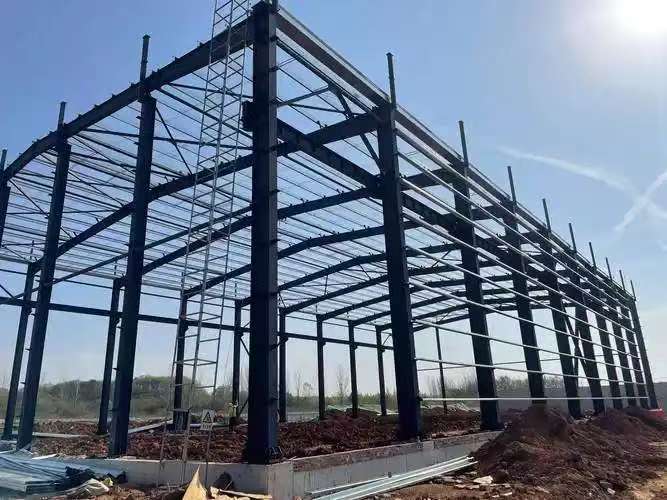
Energy Efficiency and Green Building Standards
Steel structures contribute to energy-efficient building design through various mechanisms. The material's thermal mass properties can be leveraged to reduce heating and cooling costs, while steel-framed buildings can easily incorporate modern insulation systems and energy-saving features.
The adaptability of steel structures allows for the integration of sustainable technologies such as solar panels, green roofs, and advanced ventilation systems. These features help buildings achieve higher ratings in green building certification programs while reducing operational costs over time.
Design Flexibility and Architectural Innovation
Creative Freedom in Design
Steel structures in construction offer architects unprecedented creative freedom. The material's strength and versatility enable the realization of bold, innovative designs that would be impossible with traditional building materials. From curved facades to cantilever extensions, steel's moldability and structural capabilities push the boundaries of architectural possibility.
The ability to create large, column-free spaces and incorporate dramatic architectural features has made steel a favorite among designers seeking to make bold statements with their buildings. This design flexibility also facilitates easier future modifications and adaptations as building needs evolve.
Adaptability and Future-Proofing
The inherent adaptability of steel structures ensures buildings can evolve with changing needs. Internal layouts can be modified without compromising structural integrity, and additional floors or extensions can be added more easily compared to other construction methods. This flexibility makes steel structures particularly valuable in dynamic urban environments where building requirements may change over time.
Steel's durability and adaptability contribute to the long-term sustainability of buildings, reducing the need for complete rebuilds and supporting the principles of adaptive reuse in architecture.
Frequently Asked Questions
How long do steel structures typically last?
Steel structures, when properly maintained and protected against corrosion, can last well over 50 years. Many steel buildings have demonstrated longevity exceeding 100 years, making them an excellent long-term investment for construction projects.
Are steel structures more expensive than traditional construction methods?
While initial material costs may be higher, steel structures often prove more cost-effective in the long run due to faster construction times, reduced labor costs, lower maintenance requirements, and excellent durability. The total lifecycle cost typically favors steel construction over alternative methods.
How do steel structures perform in extreme weather conditions?
Steel structures demonstrate exceptional performance in extreme weather conditions, including high winds, heavy snow loads, and seismic events. Their high strength-to-weight ratio and ductility make them particularly resistant to natural forces, providing superior safety and reliability in challenging environments.
Can steel structures be environmentally friendly?
Yes, steel structures are highly sustainable. Steel is 100% recyclable and can be reused multiple times without quality degradation. Modern steel production methods are increasingly energy-efficient, and steel buildings can be designed to meet the highest environmental standards and green building certifications.