
 EN
EN
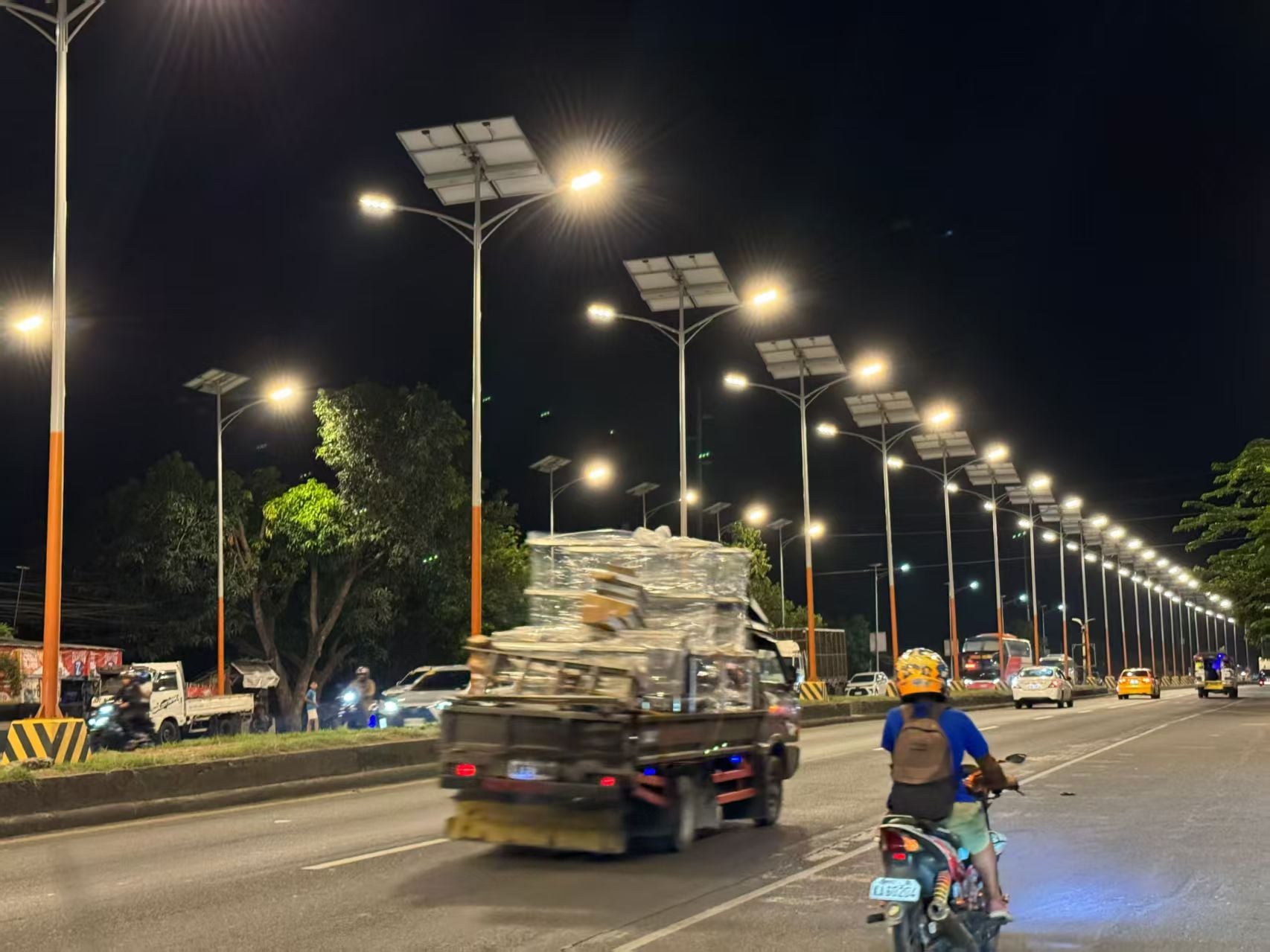
The Evolution of Modern Residential Street Lighting
Street lighting has come a long way from the gas-powered lamps of the Victorian era to today's advanced solar street lights. As communities increasingly prioritize sustainability and energy efficiency, solar street lights have emerged as the preferred choice for residential areas. These innovative lighting solutions harness the power of the sun to illuminate neighborhoods, providing reliable and eco-friendly illumination while reducing energy costs and maintenance requirements.
Essential Components of Solar Street Lighting Systems
Solar Panels and Energy Collection
At the heart of solar street lights lies the photovoltaic panel, which converts sunlight into usable electricity. Modern solar panels are designed with high-efficiency cells that can generate significant power even in less-than-ideal weather conditions. The size and quality of the solar panel directly influence the light's performance, making it crucial to select appropriately rated panels based on your location's solar exposure and energy requirements.
The positioning of solar panels plays a vital role in maximizing energy collection. Panels should be installed at optimal angles to capture maximum sunlight throughout the day. In residential settings, this often means considering factors like nearby buildings, trees, and seasonal sun patterns to ensure consistent power generation.
Battery Storage Technology
The battery system serves as the energy reservoir for solar street lights, storing power during daylight hours for nighttime illumination. Modern installations typically use lithium-ion batteries, known for their long life spans and reliable performance. These advanced batteries can maintain consistent power output even during extended periods of cloudy weather.
When selecting battery capacity, consider the required lighting duration and local weather patterns. A well-designed system should provide sufficient backup power for at least three to four days of operation without sunlight, ensuring uninterrupted illumination during adverse weather conditions.
Illumination Standards for Residential Areas
Light Distribution Patterns
Proper light distribution is essential for creating safe and comfortable residential environments. Solar street lights should provide uniform illumination without creating harsh shadows or dark spots. The height and spacing of light poles, combined with the chosen optical design, determine the effectiveness of light coverage.
Modern solar street lights offer various beam patterns to suit different residential layouts. Wide-angle distributions work well for open areas and parking spaces, while more focused beams are ideal for narrower streets and walkways. Consider the specific needs of your residential area when selecting light distribution patterns.
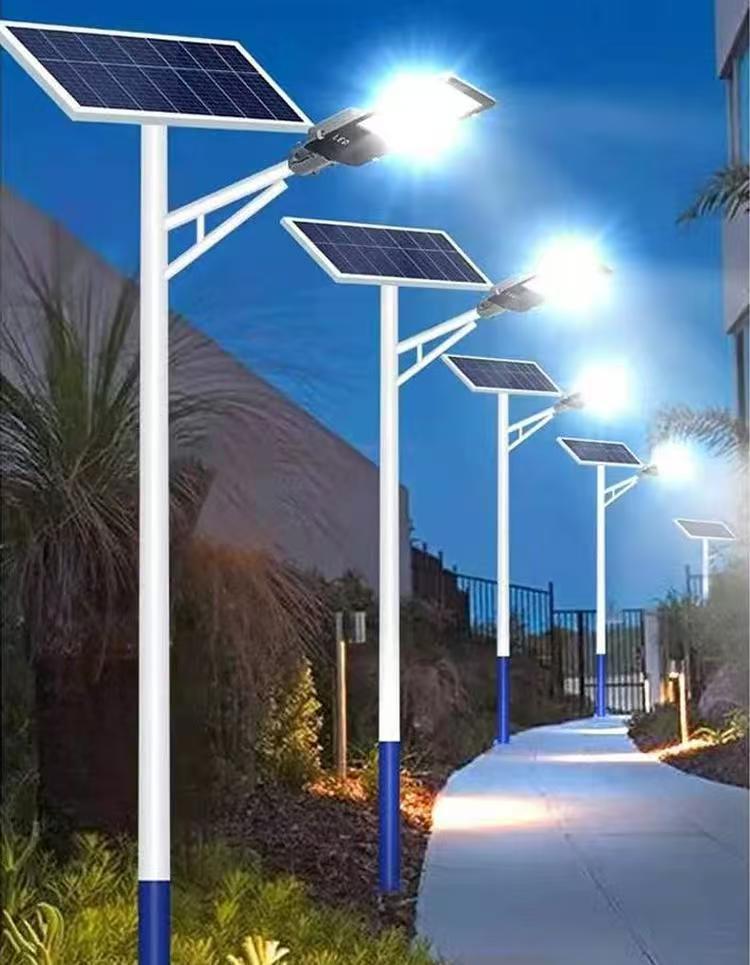
Color Temperature and Quality
The color temperature of street lighting significantly impacts both visibility and resident comfort. For residential areas, warm white light (2700K-3000K) creates a welcoming atmosphere while maintaining good visibility. This range mimics traditional residential lighting and helps maintain a natural feeling in the neighborhood.
Light quality goes beyond just brightness – the Color Rendering Index (CRI) determines how accurately colors appear under artificial lighting. High-quality solar street lights should offer a CRI of at least 70, ensuring that objects and surroundings appear natural and easily recognizable at night.
Smart Features and Control Systems
Motion Sensing Capabilities
Advanced solar street lights often incorporate motion sensors to optimize energy usage. These systems can automatically adjust brightness levels based on activity, providing full illumination when needed and dimming during quiet periods. This smart feature not only conserves energy but also extends the life of the system components.
Motion-sensing technology can be particularly beneficial in residential areas with varying activity levels throughout the night. The ability to automatically adjust lighting levels ensures both safety and energy efficiency, while reducing light pollution during low-activity hours.
Remote Monitoring and Management
Modern solar street lights can be equipped with remote monitoring capabilities, allowing property managers to track performance and maintenance needs from a central location. These systems can provide real-time data on battery levels, energy consumption, and potential maintenance issues.
Remote management features enable quick response to lighting issues and help optimize system performance. Many systems also offer scheduling capabilities, allowing for customized lighting patterns based on seasonal changes or special events in the residential area.
Installation and Maintenance Considerations
Site Assessment and Planning
Successful solar street light installation begins with thorough site assessment. This includes analyzing sun exposure patterns, identifying potential obstacles, and determining optimal pole locations. Professional installers should conduct detailed surveys to ensure maximum system efficiency.
The planning phase should also consider future developments in the area, such as new construction or tree growth, that might affect solar exposure. Proper planning helps avoid costly modifications and ensures long-term system performance.
Long-term Maintenance Requirements
While solar street lights generally require less maintenance than traditional lighting systems, regular upkeep is still essential. This includes periodic cleaning of solar panels, inspection of electrical connections, and monitoring of battery performance. Establishing a maintenance schedule helps prevent unexpected failures and extends system longevity.
Most quality solar street lights are designed for easy maintenance access, with modular components that can be replaced if needed. Consider the availability of replacement parts and local maintenance support when selecting a lighting system.
Frequently Asked Questions
How long do solar street lights typically last?
High-quality solar street lights are designed to last 8-12 years with proper maintenance. The solar panels typically have a 25-year lifespan, while batteries may need replacement every 5-7 years depending on usage patterns and environmental conditions.
What happens to solar street lights during extended periods of bad weather?
Modern solar street lights are engineered with efficient battery storage systems that can provide illumination for 3-5 days without direct sunlight. Additionally, advanced energy management systems help optimize available power to maintain essential lighting levels during adverse weather conditions.
Are solar street lights cost-effective for residential areas?
While the initial investment in solar street lights may be higher than traditional lighting, the long-term savings are substantial. With zero electricity costs, minimal maintenance requirements, and longevity of modern components, solar street lights typically provide a return on investment within 3-5 years of installation.