light pole street
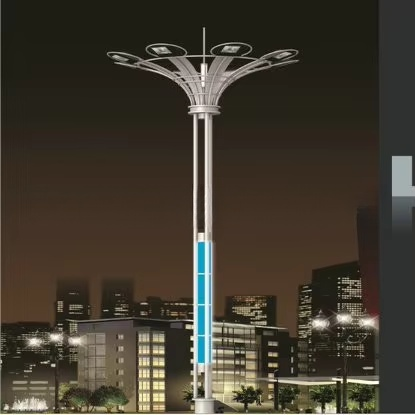
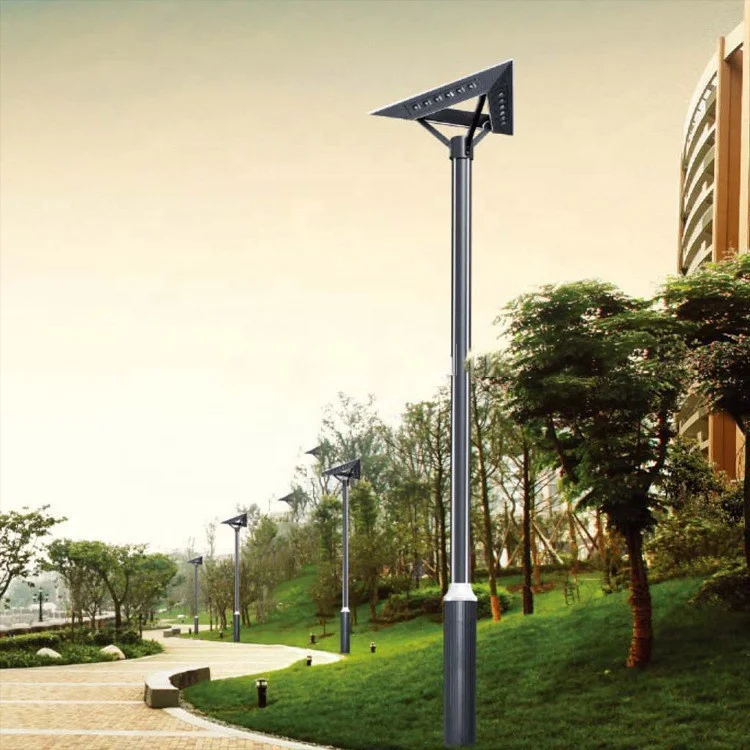
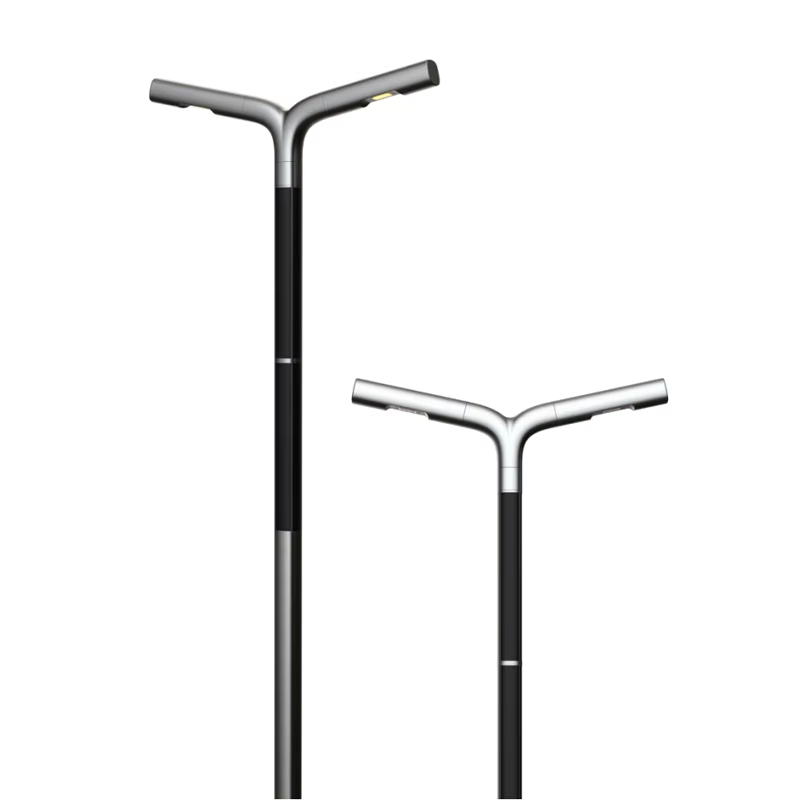
Light pole street systems represent a revolutionary advancement in urban infrastructure, transforming how cities approach public illumination and smart technology integration. These sophisticated lighting solutions combine traditional street lighting functionality with cutting-edge technological capabilities, creating comprehensive urban management platforms. Modern light pole street installations serve multiple purposes beyond basic illumination, incorporating sensors, communication equipment, and various smart city components into a single, streamlined structure. The primary function of a light pole street system centers on providing efficient, reliable illumination for roadways, sidewalks, and public spaces. However, contemporary designs extend far beyond simple lighting, integrating LED technology that delivers superior brightness while consuming significantly less energy than conventional lighting methods. These systems often feature adaptive lighting controls that automatically adjust brightness based on ambient conditions, traffic patterns, and time of day, optimizing both energy consumption and visibility. Technological features of modern light pole street systems include wireless connectivity capabilities, allowing for remote monitoring and control through centralized management platforms. Many installations incorporate environmental sensors that monitor air quality, temperature, humidity, and noise levels, contributing valuable data for urban planning and environmental management. GPS tracking and emergency communication systems enhance public safety, while integrated cameras and motion sensors provide security monitoring capabilities. The applications for light pole street technology span across various urban environments, including residential neighborhoods, commercial districts, industrial zones, and public recreational areas. Smart cities utilize these systems to create interconnected networks that support traffic management, emergency response coordination, and environmental monitoring. Educational institutions, healthcare facilities, and transportation hubs benefit from the enhanced safety and connectivity features that modern light pole street installations provide. Additionally, these systems support electric vehicle charging infrastructure, Wi-Fi connectivity, and digital advertising displays, making them versatile solutions for contemporary urban development needs.

 EN
EN