Professional Traffic Light Pole Systems - Durable Infrastructure Solutions for Smart Traffic Management

All Categories

traffic light pole

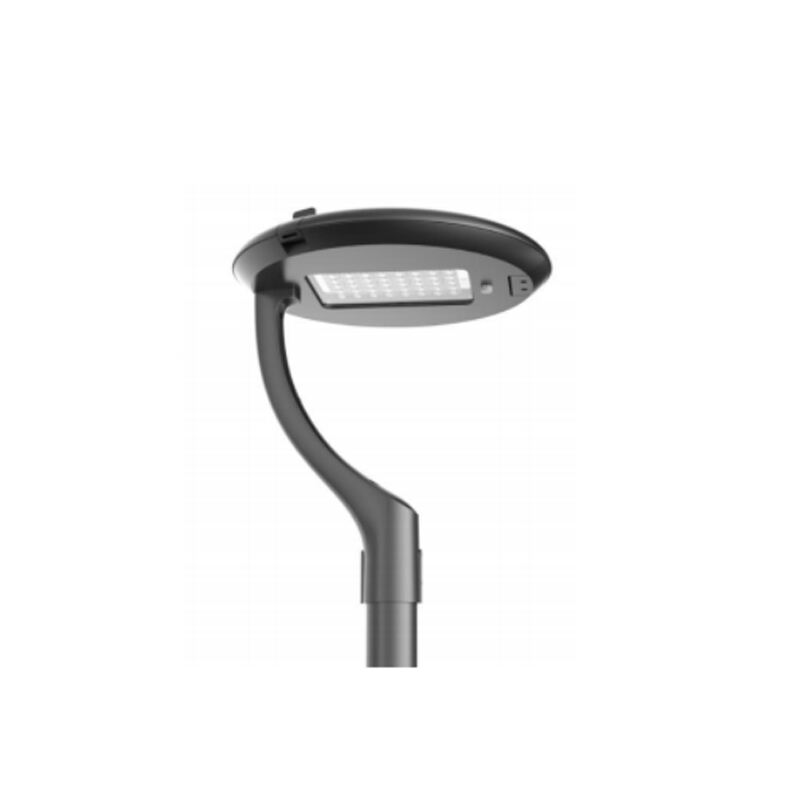
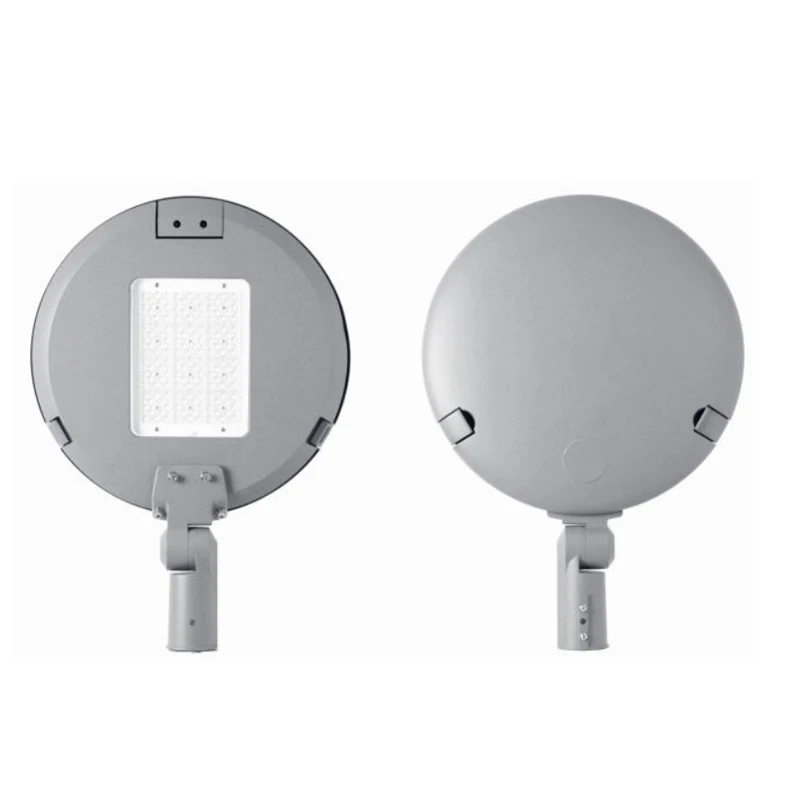
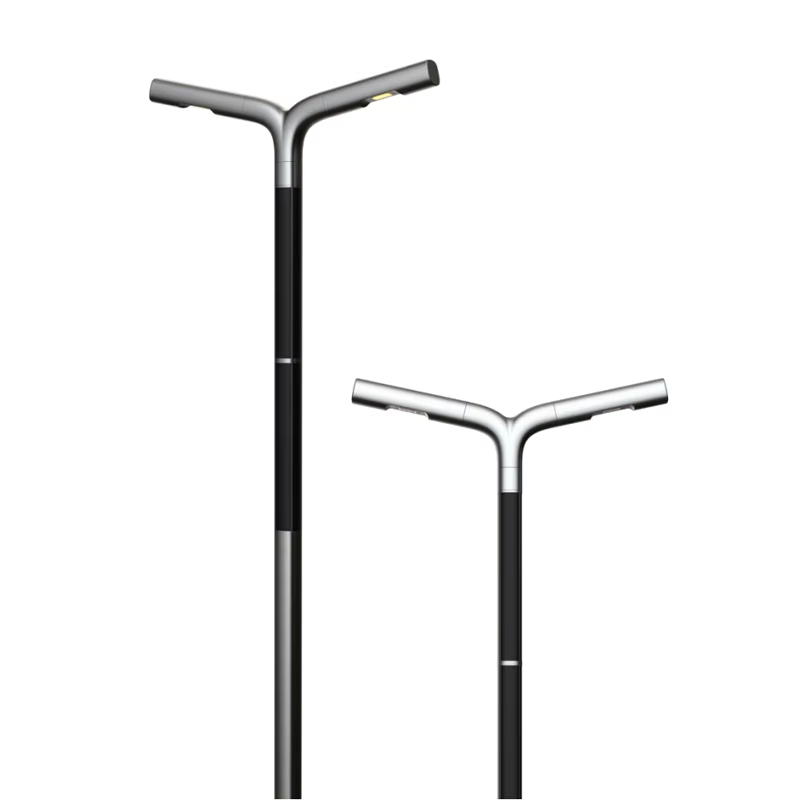
The traffic light pole represents a fundamental component of modern urban infrastructure, serving as the backbone for efficient traffic management systems worldwide. These vertical structures provide essential support for traffic control devices, ensuring safe and orderly vehicle and pedestrian movement through intersections and roadways. A traffic light pole typically consists of a sturdy foundation, a galvanized steel or aluminum mast, and mounting hardware designed to accommodate various traffic control equipment including signal heads, pedestrian crossing indicators, and surveillance cameras. The primary function of a traffic light pole extends beyond simple equipment support, as it integrates sophisticated control systems that communicate with central traffic management centers to optimize traffic flow patterns. Modern traffic light pole designs incorporate weather-resistant materials and anti-corrosive coatings that withstand harsh environmental conditions, ensuring long-term reliability and minimal maintenance requirements. The technological features embedded within contemporary traffic light pole systems include LED lighting technology for enhanced visibility and energy efficiency, smart sensors for real-time traffic detection, and wireless communication capabilities that enable remote monitoring and control. These poles support adaptive traffic control systems that automatically adjust signal timing based on current traffic conditions, reducing congestion and improving overall transportation efficiency. Applications for traffic light pole installations span diverse environments including urban intersections, highway on-ramps and off-ramps, school zones, construction areas, and pedestrian crosswalks. The versatility of traffic light pole designs allows for customization according to specific site requirements, with options for single-arm or multi-arm configurations, varying heights to accommodate different road layouts, and specialized mounting brackets for additional equipment such as emergency call boxes or information displays. Integration capabilities enable traffic light pole systems to connect with broader intelligent transportation networks, contributing to smart city initiatives and sustainable urban development goals.

New Products

Traffic light pole systems deliver significant operational benefits that make them indispensable for modern traffic management infrastructure. The primary advantage lies in their ability to provide reliable, centralized control over intersection traffic flows, dramatically reducing accident rates and improving road safety for all users. These systems eliminate the guesswork from intersection navigation by providing clear, consistent visual signals that drivers and pedestrians can easily understand and follow. The economic benefits of traffic light pole installations become apparent through reduced traffic enforcement costs, as automated systems handle routine traffic control functions without requiring constant human supervision. Energy efficiency represents another compelling advantage, particularly with modern LED-equipped traffic light pole systems that consume significantly less electricity compared to traditional incandescent alternatives while providing superior brightness and visibility. The longevity of traffic light pole installations offers exceptional value for infrastructure investments, with properly maintained systems operating effectively for decades with minimal replacement needs. Maintenance requirements remain relatively low due to robust construction materials and weather-resistant components that withstand environmental challenges including high winds, temperature fluctuations, and precipitation. Smart technology integration allows traffic light pole systems to adapt dynamically to changing traffic patterns, optimizing signal timing to minimize delays and reduce fuel consumption for vehicles waiting at intersections. The standardized design of traffic light pole systems ensures compatibility with various traffic control equipment brands and enables straightforward upgrades when new technologies become available. Installation flexibility accommodates diverse site conditions and requirements, with options for foundation types, pole heights, and arm configurations that suit specific intersection geometries and traffic volumes. Remote monitoring capabilities enable traffic management centers to identify and address system malfunctions quickly, minimizing service disruptions and maintaining consistent traffic flow. The environmental benefits of traffic light pole systems include reduced vehicle emissions through improved traffic flow efficiency and decreased idle time at intersections. Cost-effectiveness extends beyond initial installation expenses, as these systems provide long-term value through operational savings, reduced accident costs, and improved transportation network efficiency that benefits entire communities.

Practical Tips

How to Choose the Right Street Light for Your Needs

28

Nov

How to Choose the Right Street Light for Your Needs

Understanding Street Light Requirements Based on Environment Lumen Needs for Different Areas: Residential vs. Highways Getting the right amount of light from street lamps matters a lot when it comes to proper illumination in different places like ne...
View More
The Role of Street Lights in Modern Cities

28

Nov

The Role of Street Lights in Modern Cities

Enhancing Public Safety and Security with Street Lights How Street Lights Deter Crime in Urban Areas Lighting on city streets really helps keep crime down because people can see what's going on. Getting rid of those dark corners where bad stuff happ...
View More
Choosing Street Lights for Maximum Efficiency

28

Nov

Choosing Street Lights for Maximum Efficiency

Understanding Street Light Efficiency The Role of Energy-Efficient Lighting in Urban Planning Cities around the world are seeing changes as they adopt energy efficient street lights that make neighborhoods safer while looking better too. When planne...
View More
What Are the Lifespan and ROI of Solar Street Lights

02

Dec

What Are the Lifespan and ROI of Solar Street Lights

Solar street lights have emerged as a transformative technology in modern urban infrastructure, offering municipalities and property developers a sustainable lighting solution that combines environmental responsibility with long-term economic benefit...
View More

Get a Free Quote

Our representative will contact you soon.
Email
Name
Company Name
Message
0/1000

traffic light pole

Advanced LED Technology and Energy Efficiency

Advanced LED Technology and Energy Efficiency

Modern traffic light pole systems incorporate cutting-edge LED technology that revolutionizes both performance and operational costs for traffic management infrastructure. The transition from traditional incandescent bulbs to LED arrays represents a significant technological advancement that delivers multiple benefits for municipalities and transportation authorities. LED-equipped traffic light pole systems consume approximately 80 percent less energy than conventional alternatives, resulting in substantial electricity cost savings that accumulate over the system's operational lifetime. The superior brightness and color consistency of LED technology ensures optimal visibility under all weather conditions, including fog, rain, and bright sunlight, which directly contributes to enhanced road safety and accident prevention. The extended lifespan of LED components, typically lasting 50,000 to 100,000 hours compared to 1,000 hours for incandescent bulbs, dramatically reduces maintenance frequency and associated labor costs for traffic light pole systems. This longevity translates to fewer service interruptions and more reliable traffic control operations, as LED arrays maintain consistent light output throughout their operational life without the gradual dimming characteristic of traditional bulbs. The instant-on capability of LED technology eliminates warm-up delays, ensuring immediate full brightness when signals activate, which proves particularly important for flashing warning modes during maintenance periods or emergency situations. Environmental benefits extend beyond energy conservation, as LED traffic light pole systems contain no hazardous materials like mercury and generate significantly less heat, reducing their overall environmental impact. The precise directional light output of LED arrays minimizes light pollution and focuses illumination exactly where needed, improving signal visibility while reducing unnecessary glare for drivers. Smart dimming capabilities allow LED-equipped traffic light pole systems to automatically adjust brightness levels based on ambient light conditions, further optimizing energy consumption without compromising safety or visibility requirements.
Intelligent Traffic Management and Adaptive Control Systems

Intelligent Traffic Management and Adaptive Control Systems

Contemporary traffic light pole installations integrate sophisticated intelligent traffic management systems that transform static intersection control into dynamic, responsive traffic optimization platforms. These advanced systems utilize real-time data collection through embedded sensors, cameras, and detection loops to continuously monitor traffic patterns, vehicle counts, and pedestrian activity at intersections. The adaptive control capabilities of modern traffic light pole systems enable automatic adjustment of signal timing based on current traffic demand, significantly reducing wait times and improving overall traffic flow efficiency. Machine learning algorithms process historical traffic data alongside real-time inputs to predict traffic patterns and preemptively adjust signal phases to accommodate anticipated demand fluctuations throughout different times of day and varying weather conditions. The integration of wireless communication technology allows traffic light pole systems to coordinate with adjacent intersections, creating synchronized green wave patterns that enable smooth traffic progression along arterial roadways. This coordination capability reduces stop-and-go traffic patterns that contribute to increased fuel consumption, vehicle emissions, and driver frustration. Emergency vehicle preemption features enable traffic light pole systems to automatically provide green lights for approaching emergency vehicles, ensuring rapid response times while maintaining safe intersection operations for other road users. Pedestrian-responsive features detect waiting pedestrians and adjust signal timing to provide adequate crossing time while minimizing unnecessary delays for vehicle traffic when crosswalks are unoccupied. The centralized monitoring capabilities of intelligent traffic light pole systems provide traffic management centers with comprehensive real-time visibility into intersection operations, enabling proactive identification and resolution of performance issues before they impact traffic flow. Data analytics capabilities generate detailed reports on intersection performance, helping traffic engineers optimize signal timing plans and identify infrastructure improvement opportunities. The scalability of intelligent traffic light pole systems allows for seamless integration of additional features such as air quality monitoring, noise level detection, and weather sensing capabilities that contribute to broader smart city initiatives.
Robust Construction and Weather Resistance

Robust Construction and Weather Resistance

The structural integrity and durability of traffic light pole systems form the foundation of reliable traffic management infrastructure, with engineering designs that withstand decades of exposure to harsh environmental conditions while maintaining optimal performance. High-grade materials including galvanized steel and marine-grade aluminum alloys provide exceptional corrosion resistance and structural strength that meets or exceeds industry standards for wind loading, seismic activity, and extreme weather events. The hot-dip galvanization process applied to steel traffic light pole components creates a protective zinc coating that prevents rust and corrosion even in coastal environments with high salt exposure, ensuring long-term structural integrity without frequent maintenance interventions. Advanced powder coating systems provide additional protection against UV radiation, chemical exposure, and physical abrasion while offering aesthetic customization options that complement surrounding urban architecture and landscape designs. The engineered foundation systems for traffic light pole installations utilize reinforced concrete and strategic anchor bolt configurations that distribute structural loads effectively, preventing settlement, tilting, or failure under extreme wind conditions or seismic events. Modular construction techniques enable traffic light pole systems to accommodate future expansion or reconfiguration requirements without complete replacement, providing flexibility for evolving traffic patterns and infrastructure needs. The weather-sealed electrical enclosures protect sensitive control equipment from moisture infiltration, temperature fluctuations, and electromagnetic interference that could compromise system reliability or safety. Drainage systems integrated into traffic light pole designs prevent water accumulation within mounting hardware and electrical compartments, eliminating corrosion risks and extending component lifespan in regions with heavy precipitation or flooding concerns. The aerodynamic design of modern traffic light pole structures minimizes wind resistance and reduces stress concentrations that could lead to fatigue failures over time. Quality assurance testing protocols verify that traffic light pole systems meet stringent safety standards for structural performance, electrical safety, and environmental resistance before installation. The standardized mounting interfaces ensure compatibility with various traffic control equipment while providing secure attachment points that maintain alignment and stability throughout the system's operational life.

Get a Free Quote

Our representative will contact you soon.
Email
Name
Company Name
Message
0/1000