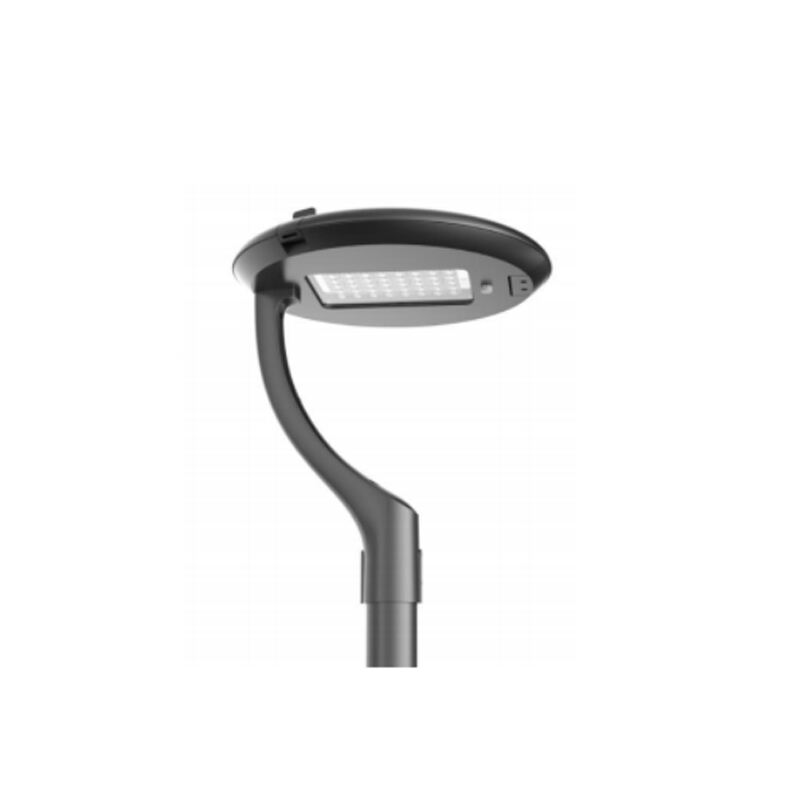
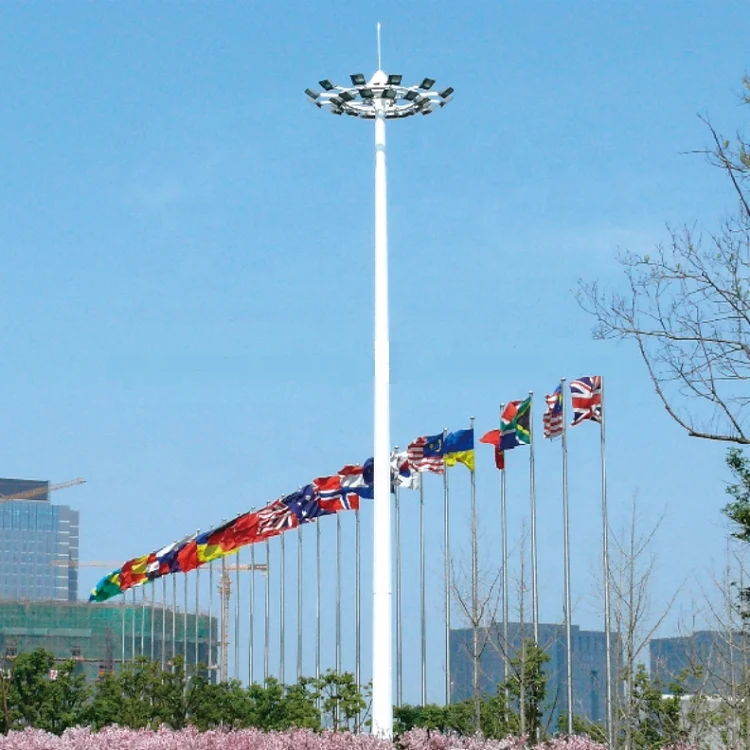
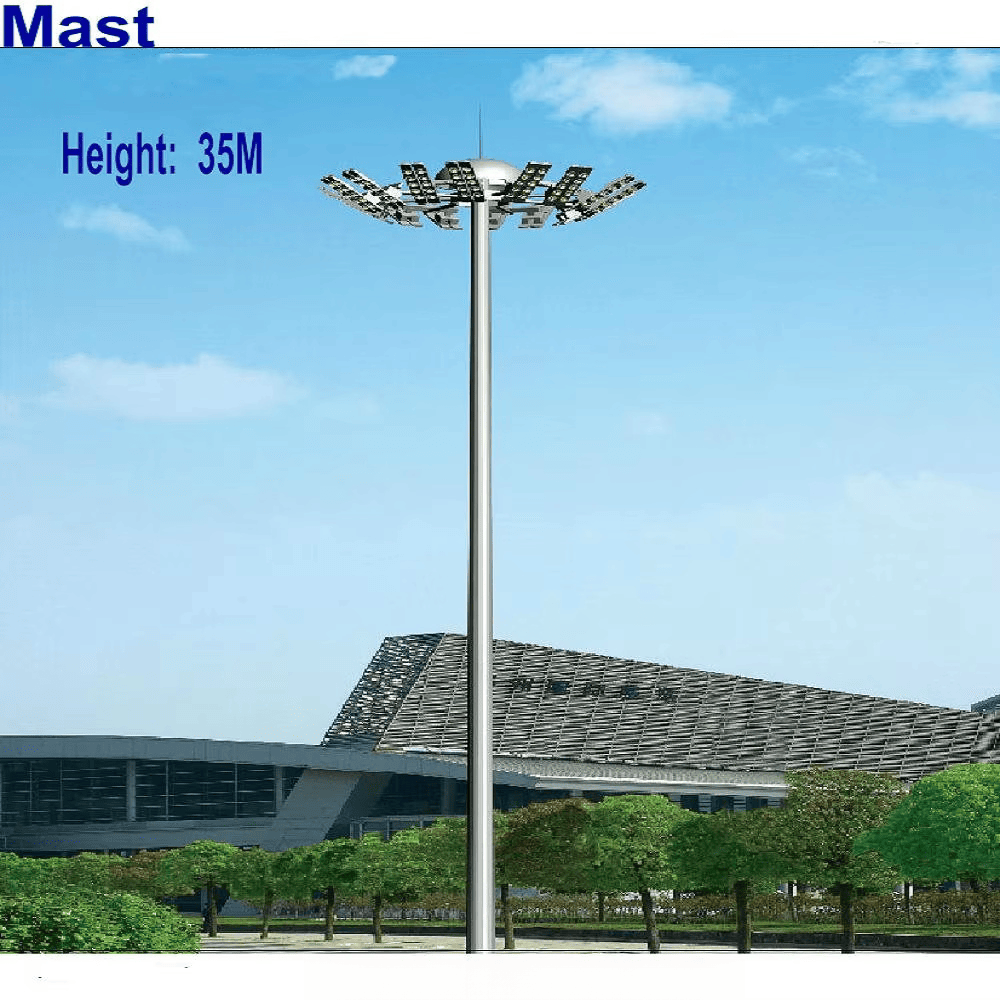
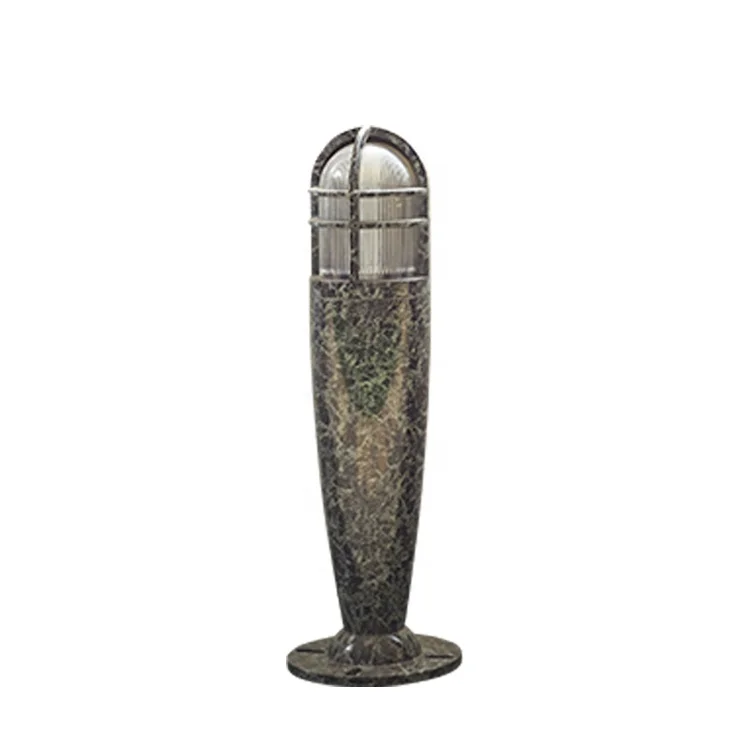
παλιό φωτιστικό κολώνια δρόμου
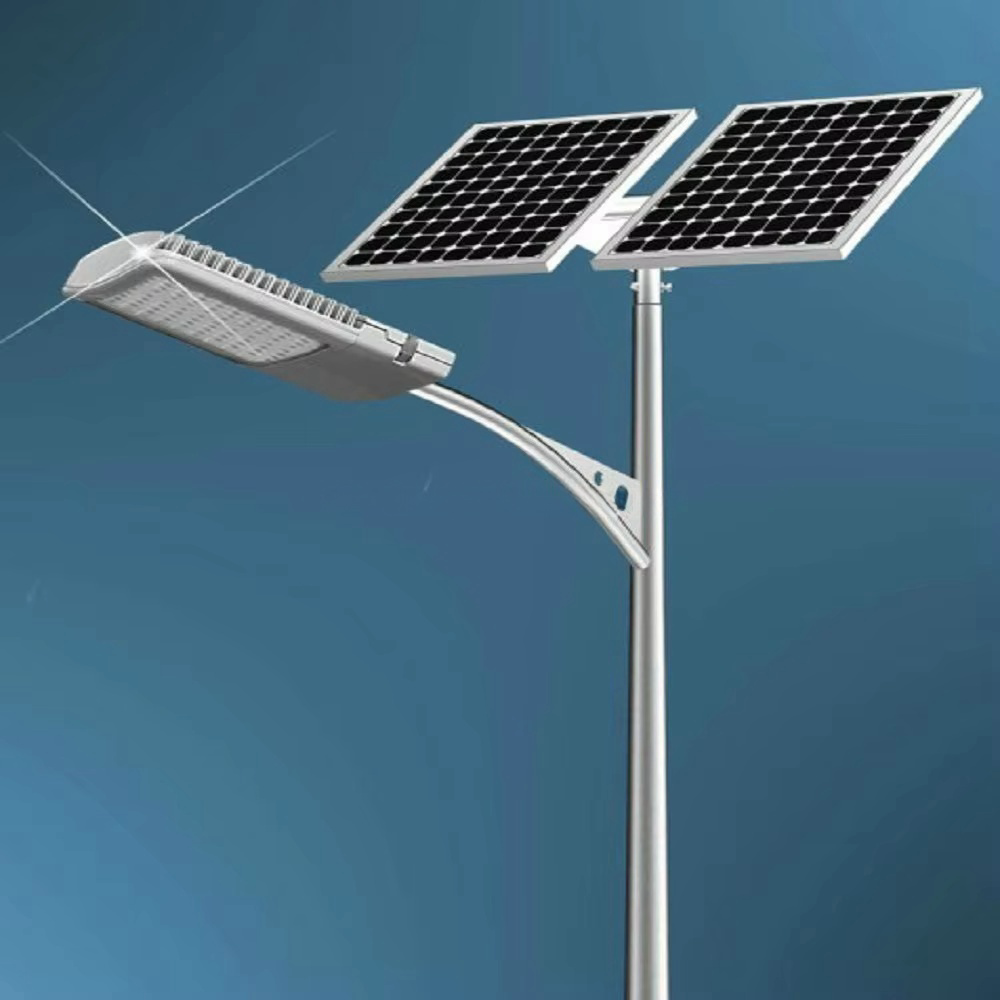
Η βιτρίνα του παλαιού φωτιστικού δρόμου αποτελεί τέλειο συνδυασμό κλασικής αισθητικής σχεδίασης και σύγχρονης τεχνολογίας φωτισμού, λειτουργώντας τόσο ως λειτουργικός φωτισμός όσο και ως διακοσμητικά αρχιτεκτονικά στοιχεία. Αυτά τα ιδιαίτερα φωτιστικά εμπνέονται από ιστορικές περιόδους, ιδιαίτερα από τη Βικτωριανή εποχή και τα σχέδια του νωρίτερου 20ού αιώνα, ενσωματώνοντας παράλληλα σύγχρονη τεχνολογία LED και έξυπνα συστήματα ελέγχου. Το παλαιό φωτιστικό δρόμου λειτουργεί κυρίως ως υποδομή εξωτερικού φωτισμού, παρέχοντας απαραίτητο φωτισμό για δρόμους, μονοπάτια, πάρκα, κατοικημένες περιοχές και εμπορικές περιοχές. Πέρα από το βασικό φωτισμό, αυτές οι κολώνες λειτουργούν ως χαρακτηριστικά σημεία αναφοράς που ενισχύουν την οπτική ελκυστικότητα και το χαρακτήρα των γειτονιών, δημιουργώντας ελκυστικά περιβάλλοντα που προωθούν την πεζοπορία και την κοινωνική αλληλεπίδραση. Τεχνολογικά, τα σύγχρονα παλαιά φωτιστικά δρόμου διαθέτουν ενεργειακά αποδοτικές λάμπες LED που μειώνουν σημαντικά την κατανάλωση ενέργειας σε σύγκριση με τις παραδοσιακές λαμπτήρες πυρακτώσεως ή φθορισμού. Εξελιγμένοι αισθητήρες φωτός ενεργοποιούν αυτόματα το φωτισμό το βράδυ και τον απενεργοποιούν το πρωί, εξασφαλίζοντας βέλτιστη διαχείριση ενέργειας χωρίς ανάγκη για χειροκίνητη παρέμβαση. Πολλά μοντέλα διαθέτουν συμβατότητα με έξυπνα δίκτυα, επιτρέποντας απομακρυσμένη παρακολούθηση και έλεγχο μέσω ασύρματων συστημάτων επικοινωνίας. Η κατασκευή τους περιλαμβάνει συνήθως ανθεκτικά υλικά όπως χυτοσίδηρος, αλουμίνιο ή χάλυβας με επικαλύψεις ανθεκτικές στις καιρικές συνθήκες, οι οποίες αντέχουν σε ακραίες περιβαλλοντικές συνθήκες όπως βροχή, χιόνι, άνεμος και υπεριώδης ακτινοβολία. Οι εφαρμογές των παλαιών φωτιστικών δρόμου εκτείνονται σε πολλά περιβάλλοντα, από ιστορικές περιοχές κέντρων που επιδιώκουν τη διατήρηση της αρχιτεκτονικής κληρονομιάς έως και εξοχικές αναπτύξεις που στοχεύουν σε εκλεπτυσμένη αισθητική. Οι δημόσιες αρχές επιλέγουν συχνά αυτά τα φωτιστικά για έργα βελτίωσης του δρόμου, ενώ ιδιωτικοί αναπτυξιακοί φορείς τα χρησιμοποιούν σε κατοικημένες κοινότητες, εμπορικά κέντρα και χώρους φιλοξενίας. Η ευελιξία των σχεδιασμών των παλαιών φωτιστικών δρόμου επιτρέπει διάφορες διαμορφώσεις τοποθέτησης, συμπεριλαμβανομένων μονόβραχιων, δίβραχιων και πολυλαμπτήρων διατάξεων, καθιστώντας τα κατάλληλα για διαφορετικές απαιτήσεις χώρου και ανάγκες κάλυψης φωτισμού.

 EN
EN